Lucrèce Borgia
Lucrezia Borgia
by Victor Hugo
Directed by Denis Podalydès
Richelieu
Richelieu
Lucrèce Borgia
2018-10-01 20:30:00 2019-04-01 20:30:00
Denis Podalydès follows Hugo’s lyricism so as to “better descend into this shadowy abyss that is Lucrèce Borgia, an ambivalent and subversive tragedy, a sort of monster of beauty and impropriety”.
A key work of Hugolian theatre, the author’s “most powerful” play according to George Sand, Lucrèce Borgia entered the Repertoire in 1918. “And now mingle with all this moral deformity a pure feeling, [...] maternal love; inside your monster, put a mother and the monster will make you cry” states the preface. The director was inspired by Antoine Vitez’s staging in Avignon in 1985 to follow Hugo’s lyricism so as to “better descend into this shadowy abyss that is Lucrèce Borgia, an ambivalent and subversive tragedy, a sort of monster of beauty and impropriety” in order to recreate the poetic violence of the incestuous drama. The play calls for a scale of gesture, feeling and acting that accepts ridicule and exaggeration, that does not hold back from embracing the grotesque and the sublime. “Hugo stretches this tension in every scene to accentuate contrasts. It is clearly from Shakespeare that Hugo borrowed this fundamental law of drama.” The opening scene shows a gondola in which a group of bedraggled men, their faces covered by grotesque masks, tell the story of the infamous Borgia family, recounting how the two brothers Cesare and Juan killed each other for the love of their sister Lucrezia. Hugo has deformed historical reality here to better adapt it to his dramatic vision, depicted Lucrezia as tarnished by fratricide and transformed into a monster by the force of maternal love: “the use of disguise and masks in the staging comes from both the play and the desire to make Lucrezia less a dramatic heroine than an allegory of the pariah” adds Denis Podalydès.
In cinemas
Pathé Live: 18 October
2:10 WITHOUT INTERMISSION

Creative team
Directed by: Denis Podalydès
Scenography: Éric Ruf
Costumes: Christian Lacroix
Lights: Stéphanie Daniel
Sound: Bernard Valléry
Choreography: Kaori Ito
Make-up and VFX: Dominique Colladant
Masks: Louis Arene
Direction assistant: Alison Hornus
Scenography assistant: Dominique Schmitt
Make-up assistnt: Laurence Aué and Muriel Baurens
Distribution
the company
-
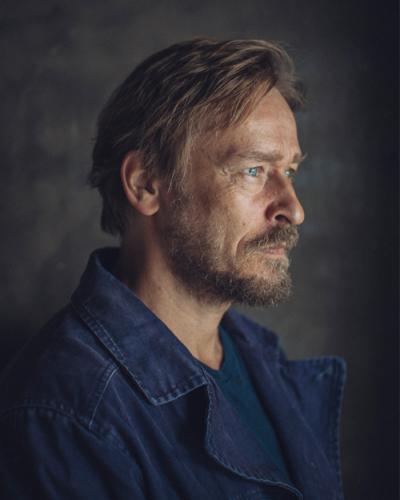
-
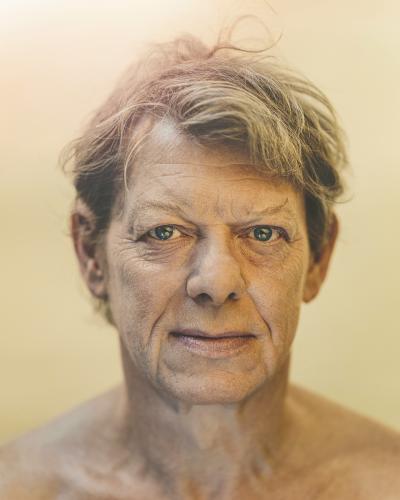
-
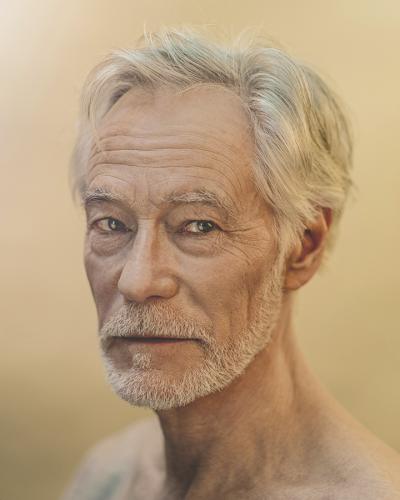
-
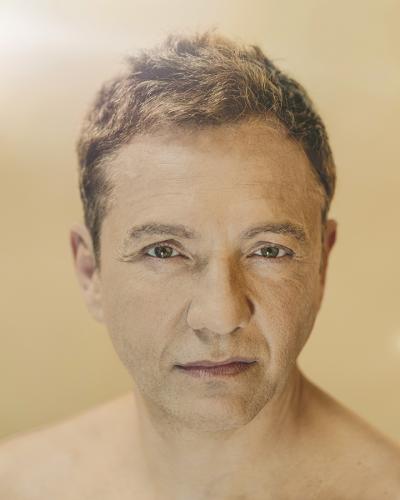
-
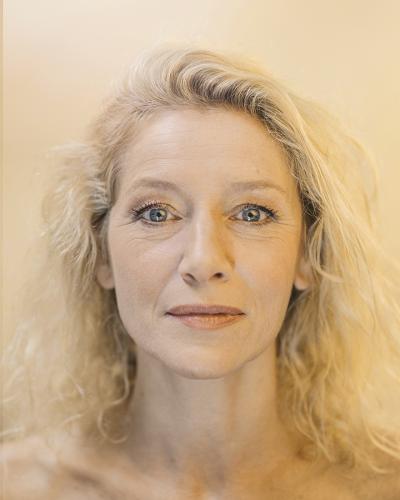
-
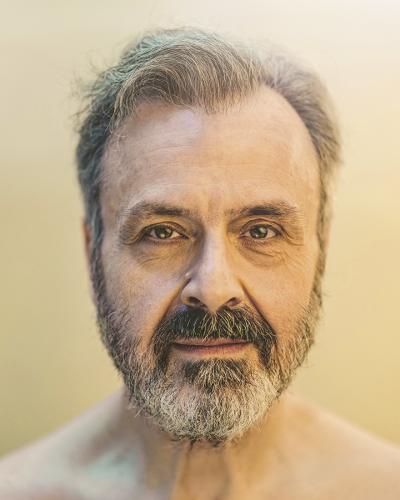
-
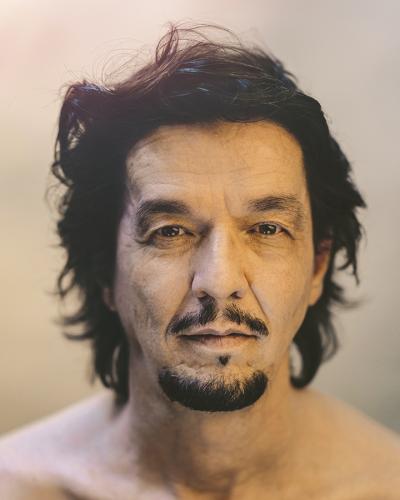
-
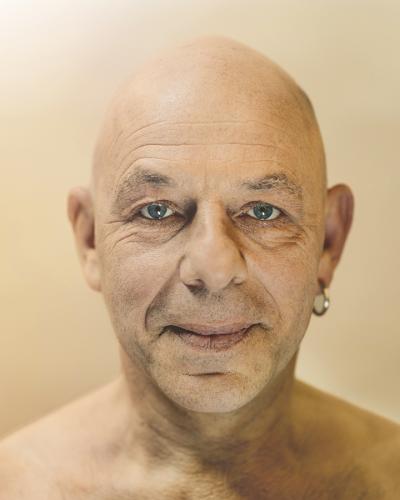
-
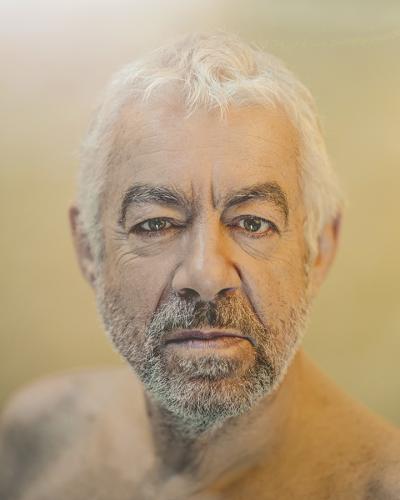
-
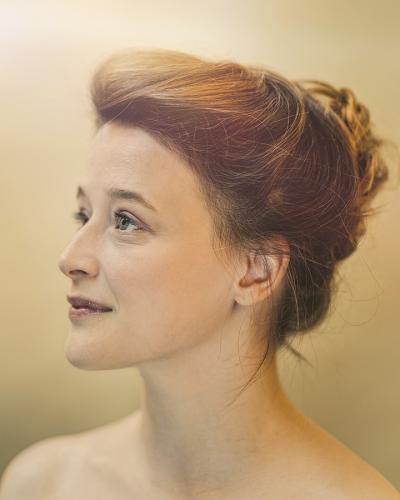
-
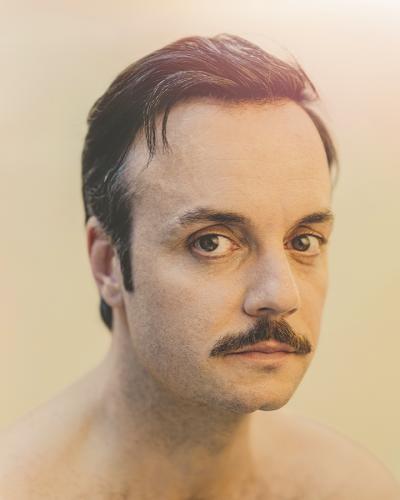
-
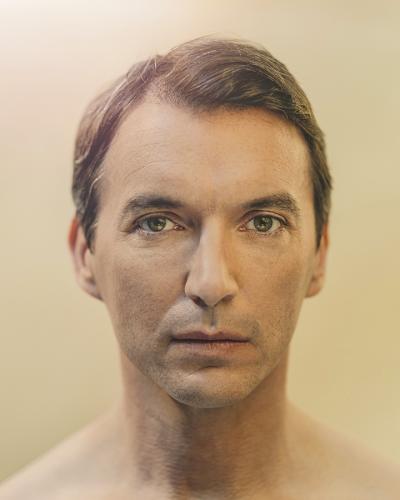
-
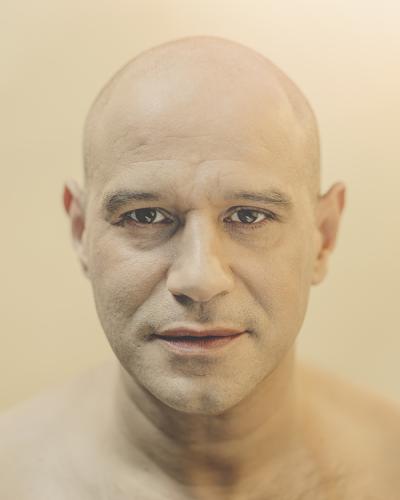
Nâzim
BoudjenahDon Apostolo (Alternating)
-
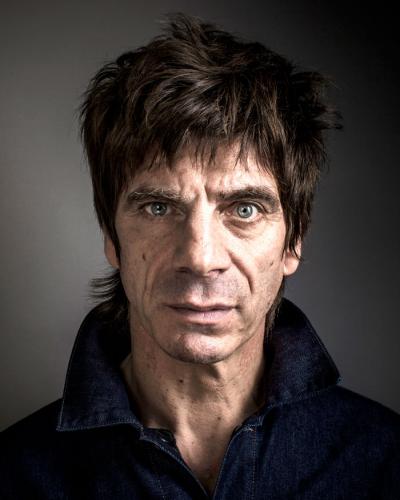
Elliot
JenicotAstolfo and Montefeltro (Alternating)
-
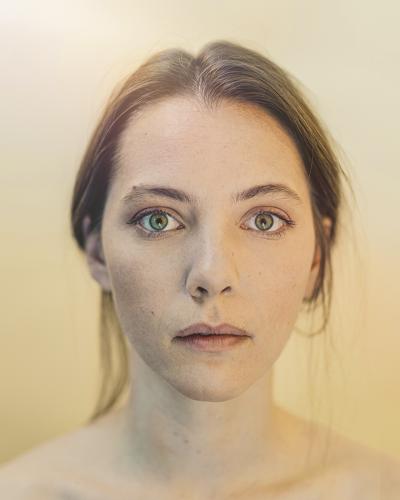
-
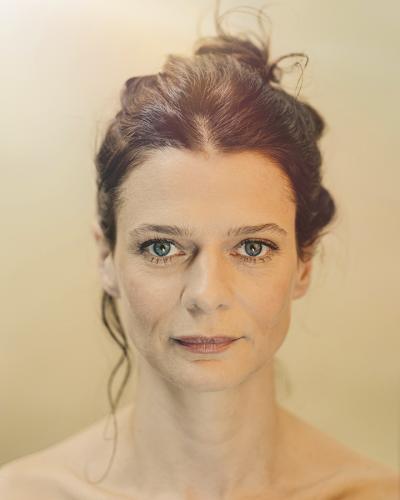
-
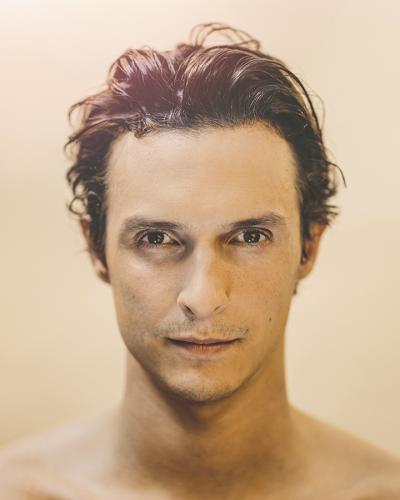
-
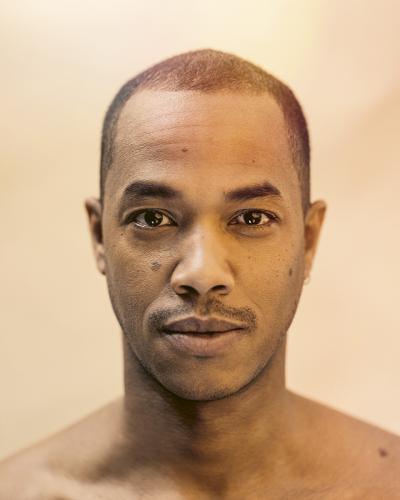
-
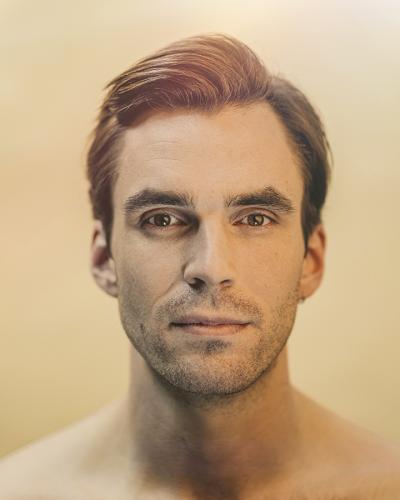
-
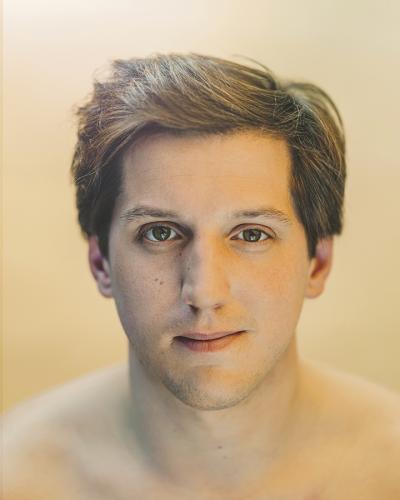
The Comédie-Française Academy
-
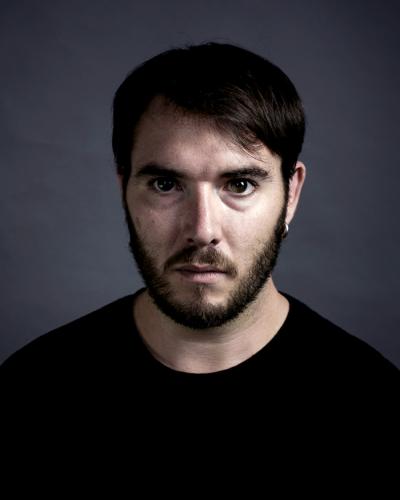
Peio
BerterretcheAscanio
-
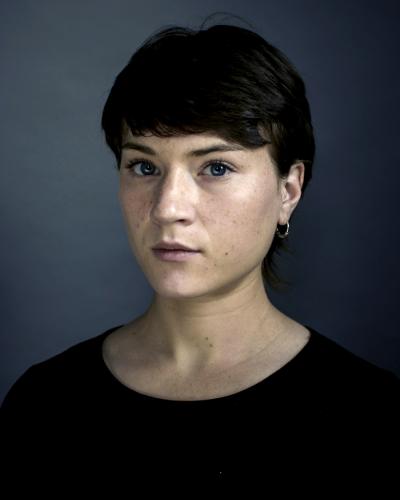
Pauline
ChabrolA Woman and a Soldier
-
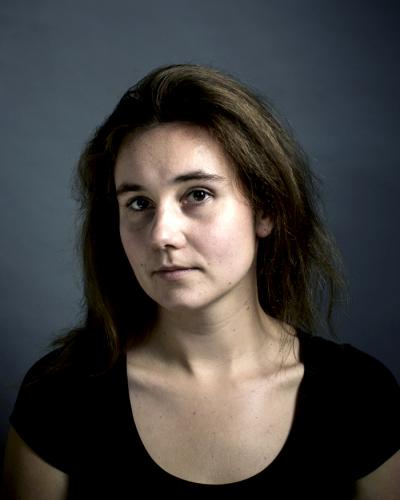
Noémie
PastegerA Woman and a Soldier
-
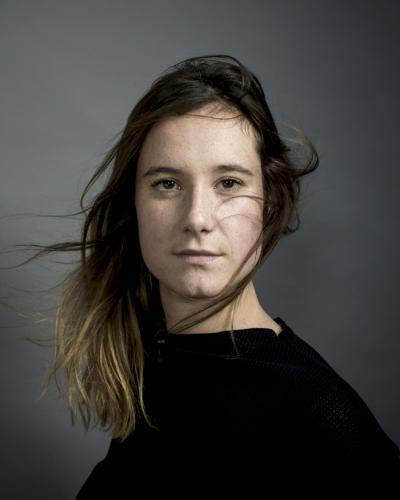
Léa
SchweitzerA Woman and a Soldier
Calendar
-
2019-01-27 20:30:00
2019-01-27 20:30:00
de 5 à 43 €
-
2019-02-03 14:00:00
2019-02-03 14:00:00
de 5 à 43 €
-
2019-02-16 20:30:00
2019-02-16 20:30:00
de 5 à 43 €
-
2019-02-18 20:30:00
2019-02-18 20:30:00
de 5 à 43 €
-
2019-02-24 20:30:00
2019-02-24 20:30:00
de 5 à 43 €
-
2019-02-27 20:30:00
2019-02-27 20:30:00
de 5 à 43 €
-
2019-03-02 20:30:00
2019-03-02 20:30:00
de 5 à 43 €
-
2019-03-05 20:30:00
2019-03-05 20:30:00
de 5 à 43 €
-
2019-03-09 14:00:00
2019-03-09 14:00:00
de 5 à 43 €
-
2019-03-12 20:30:00
2019-03-12 20:30:00
de 5 à 43 €
-
2019-03-16 20:30:00
2019-03-16 20:30:00
de 5 à 43 €
-
2019-03-21 20:30:00
2019-03-21 20:30:00
de 5 à 43 €
-
2019-03-24 14:00:00
2019-03-24 14:00:00
de 5 à 43 €
-
2019-03-25 20:30:00
2019-03-25 20:30:00
de 5 à 43 €
-
2019-03-30 14:00:00
2019-03-30 14:00:00
de 5 à 43 €
-
2019-04-01 20:30:00
2019-04-01 20:30:00
de 5 à 43 €