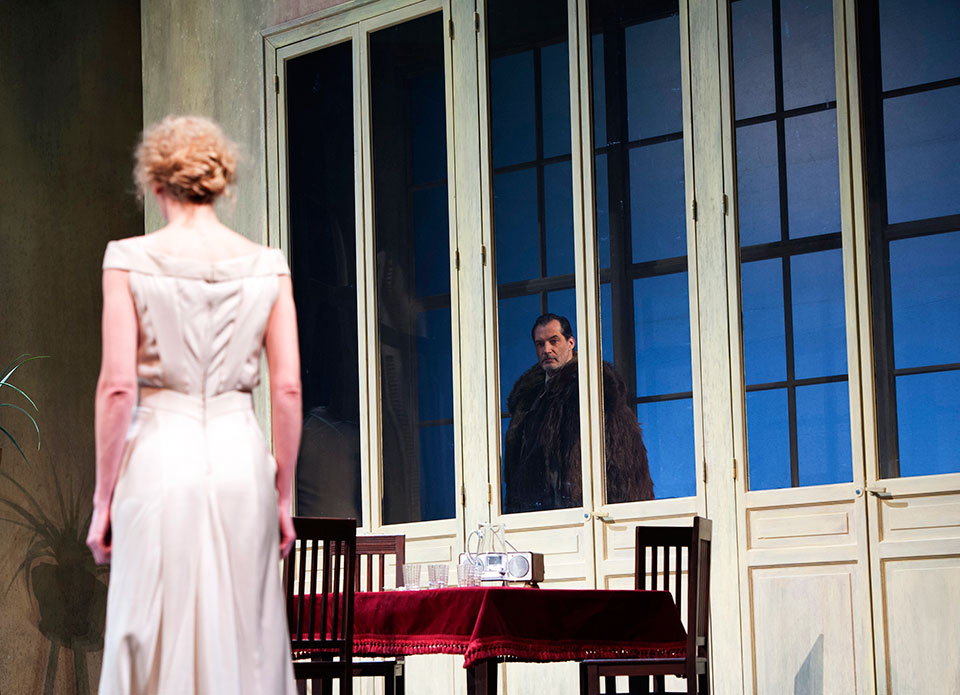
Phèdre
Directed by Michael Marmarinos
From 2 March to 26 June

Discover the play
-
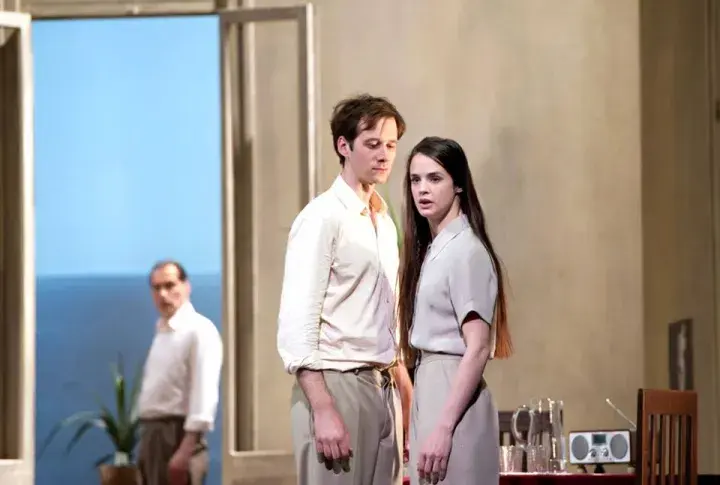
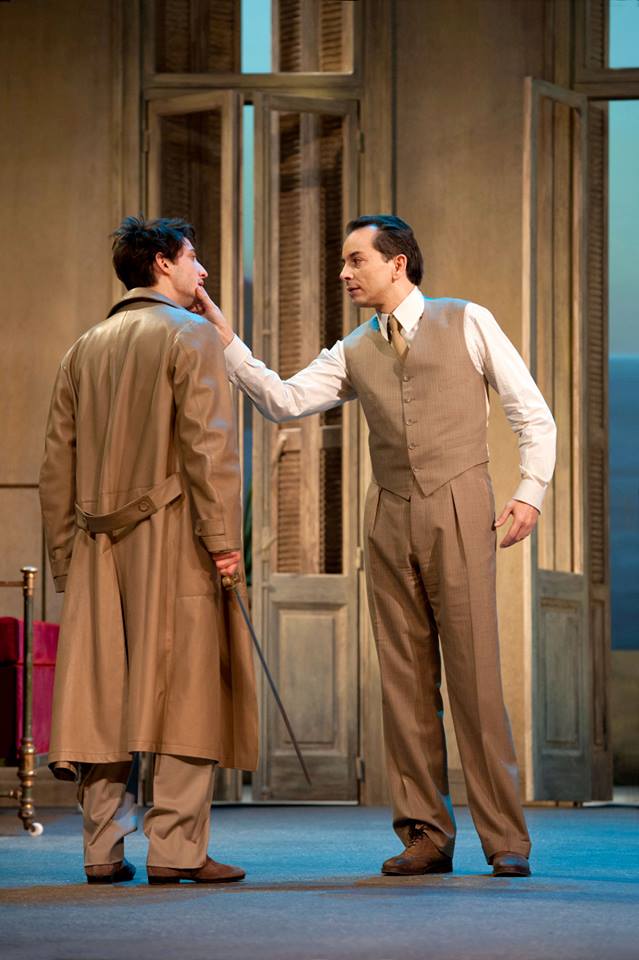
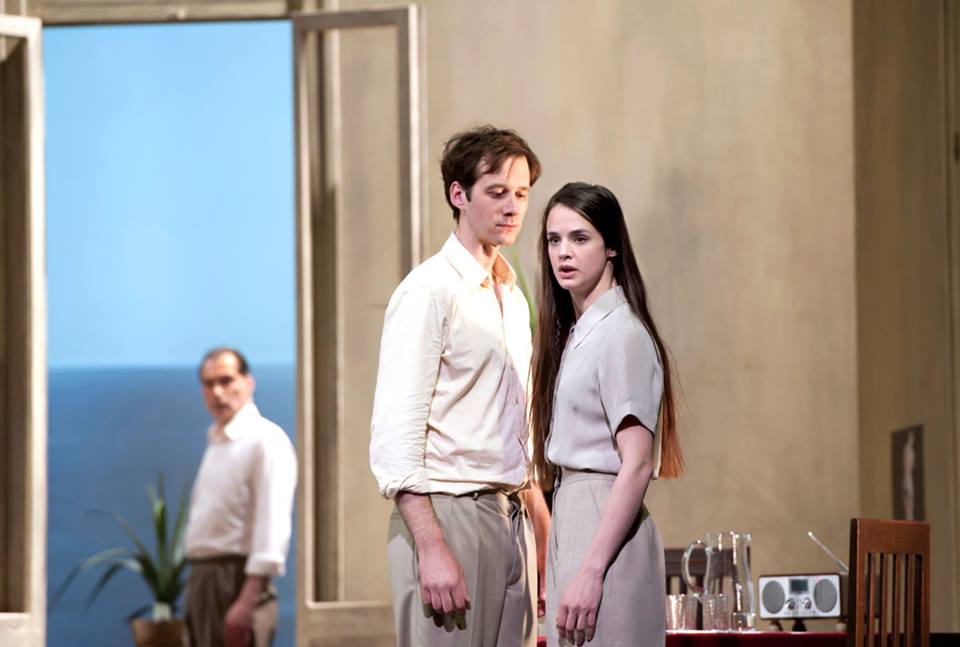
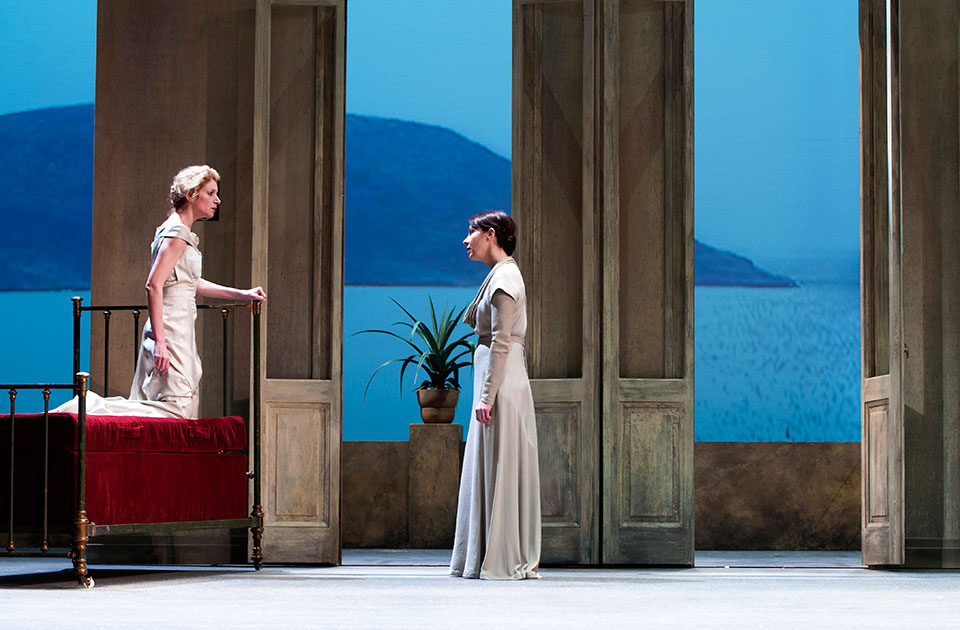
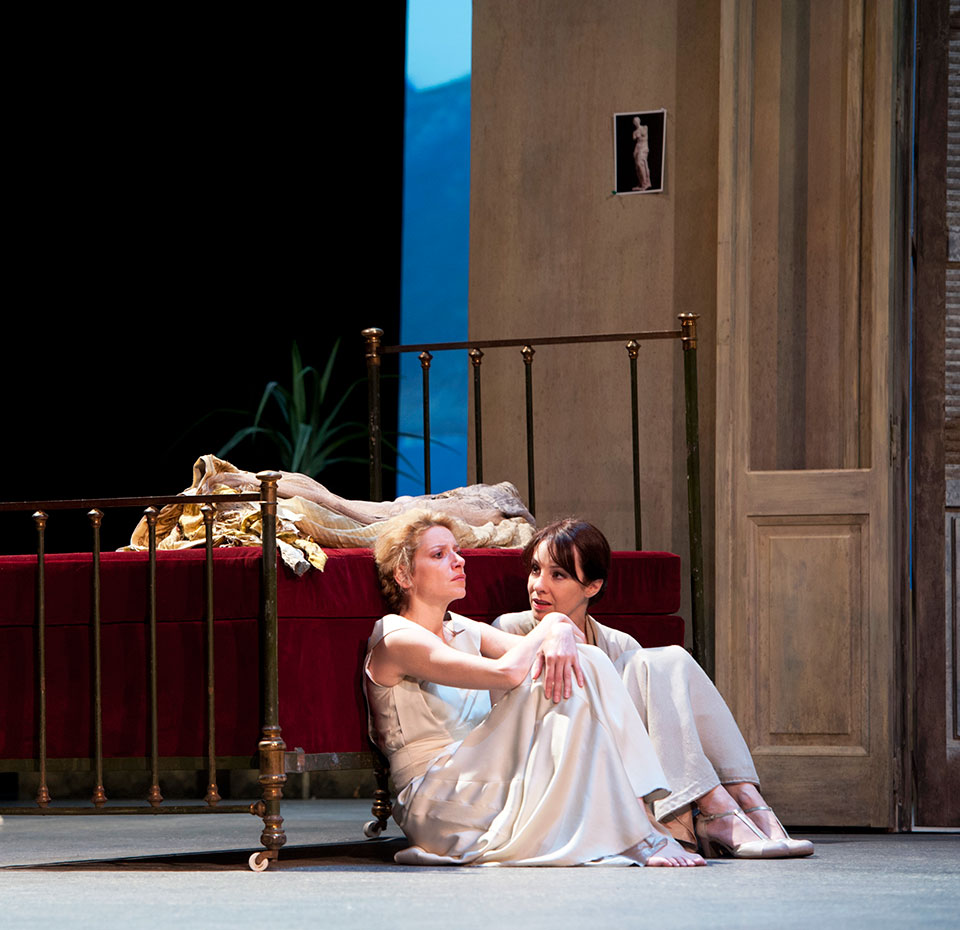
Épuisée et culpabilisée par ses sentiments qu’elle ne contrôle pas, elle cherche par tous les moyens à l’éloigner d’elle. Ce beau-fils, adulé et rejeté, a l’intention de quitter Trézène pour partir à la recherche de son père disparu, fuyant aussi par là son propre amour pour Aricie, sœur des Pallantides, clan ennemi. La mort que Phèdre implore pour expurger son crime sera retardée par l’annonce du retour de Thésée, après qu’elle a dévoilé ses sentiments à Hippolyte. Maudissant son fils qui l’aurait outragé, Thésée apprend trop tard son innocence – de la bouche même de Phèdre qui meurt à ses pieds.
Jean Racine, l'auteur
Entré à l’Académie française en 1673 et nommé l’année suivante historiographe du roi, Jean Racine est au sommet de sa gloire lorsque Phèdre est représenté pour la première fois en 1677 à l’Hôtel de Bourgogne, sous le titre initial d’Hippolyte, puis de Phèdre et Hippolyte. Racine s’inspire de l’Hippolyte d’Euripide, mais centre sa tragédie sur le personnage de Phèdre, offrant une puissante peinture de l’âme féminine. Associant le fatum des tragédies antiques à la prédestination janséniste, il fait de son héroïne une victime de sa passion. La pièce fera l’objet d’une cabale, avec la création quelques jours après la première d’une autre Phèdre, signée Pradon, qui ne dépassera cependant pas le succès de celle de Racine, considérée aujourd’hui encore comme un chef-d’œuvre de la littérature française, tant la construction est parfaite, le vers noble et l’harmonie de la langue d’une suprême beauté.Michael Marmarinos, le metteur en scène
Michael Marmarinos est né à Athènes. Il se tourne vers le théâtre et le jeu d'acteur parallèlement à des études de neurobiologie. En 1983, il fonde la compagnie Diplous Eros, qui compte rapidement parmi les plus importantes et les plus innovantes du pays. Son travail obéit à deux principes majeurs : « Le théâtre est un art qui s'appuie sur l'histoire humble des gens » et « Il n'y a aucun moment de la vie quotidienne qui ne soit pas du théâtre ; c'est une question de justesse du regard. » Son travail explore entre autre les voies par lesquelles le corps d'un acteur peut parvenir à ce point de bascule qui le transforme en document performatif, ainsi que les moments qui, de façon insignifiante ou casuelle, viennent forcer, parfois violemment, une dramaturgie pour lui donner une dimension de document poétique.
Parmi ses spectacles les plus importants, citons : La Folie d'Héraclès d'Euripide, La vie des saints, Staline : une conversation sur le théâtre grec, Je meurs comme un pays de Dimitris Dimitriadis (tournée à l'Odéon, théâtre de l'Europe, octobre 2009), Qui est M. Kelermann et pourquoi dit-il toutes ces choses horribles à mon sujet ? (Une visite du Château de Kafka).Attention, ce spectacle sera joué Salle Richelieu.
-
Mise en scène : Michael Marmarinos
Assistante à la mise en scène : Alexandra Pavlidou
Collaboratrice artistique et Interprète : Myrto Katsiki
Scénographie : Lili Pézanou
Costumes : Virginie Merlin
Lumières : Pascal Noël
Musique originale et Réalisation sonore : Dimitris Kamarotos
Musique enregistrée : Quatuor ENEA
Images filmées : Nikos Pastras
Documents
-
Download the PDF (725.2 KB)
Programme Phèdre 12/13
Programme de Phèdre. Mise en scène de Michael Marmarinos, Salle Richelieu (saison 2012/2013). -
Download the PDF (1.64 MB)
Dossier de presse Phèdre 12/13
Dossier de presse. Mise en scène de Michael Marmarinos, Salle Richelieu (saison 2012/2013).
Casting
-
-
et
Émilie Prevosteau : Ismène, confidente d'Aricie