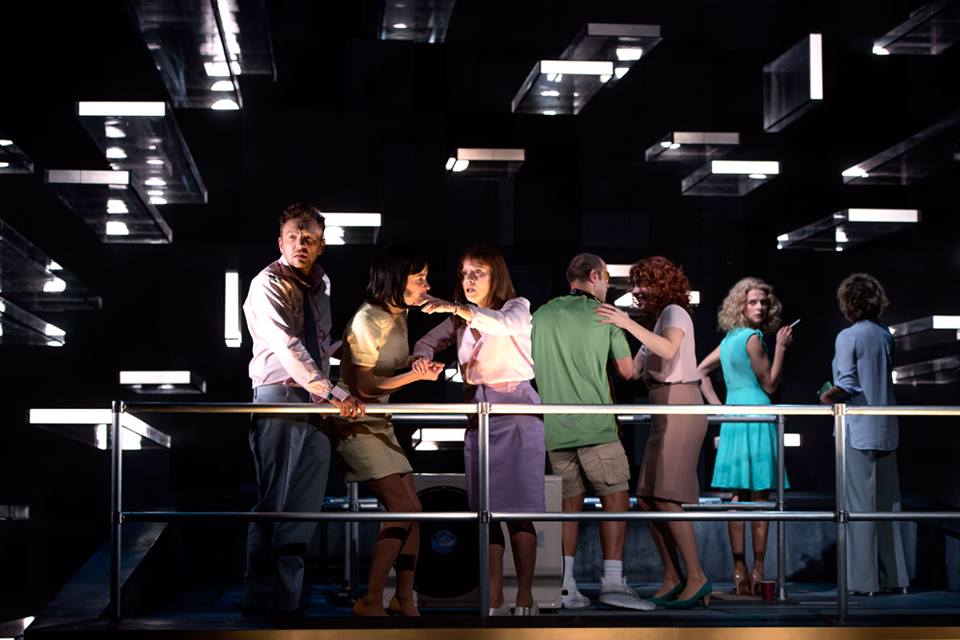
Après la pluie
Directed by Lilo Baur
From 29 November to 7 January

Discover the play
-
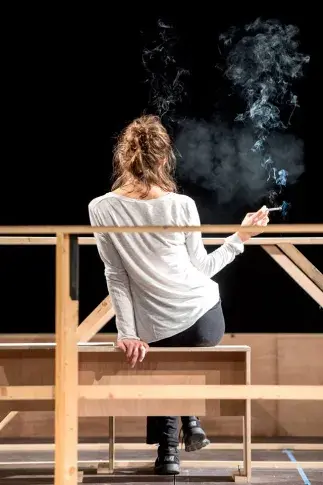
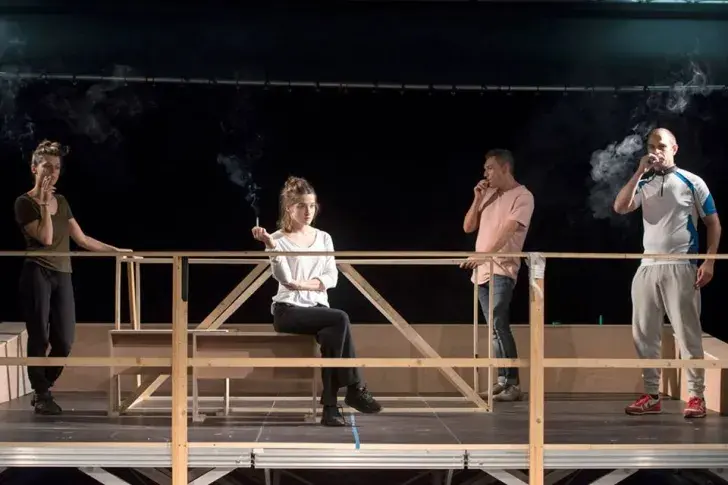
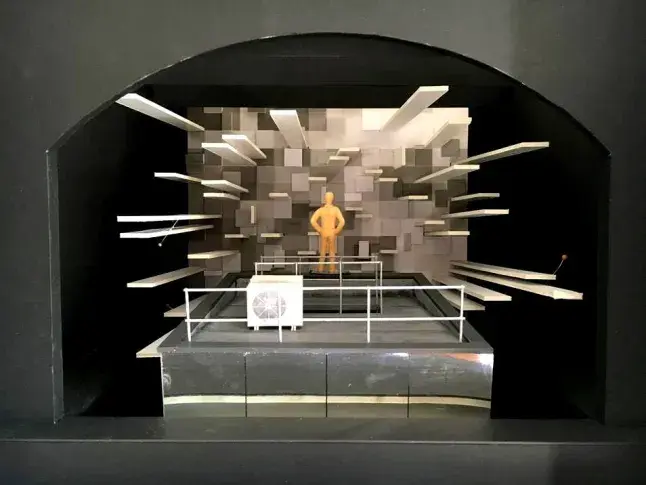
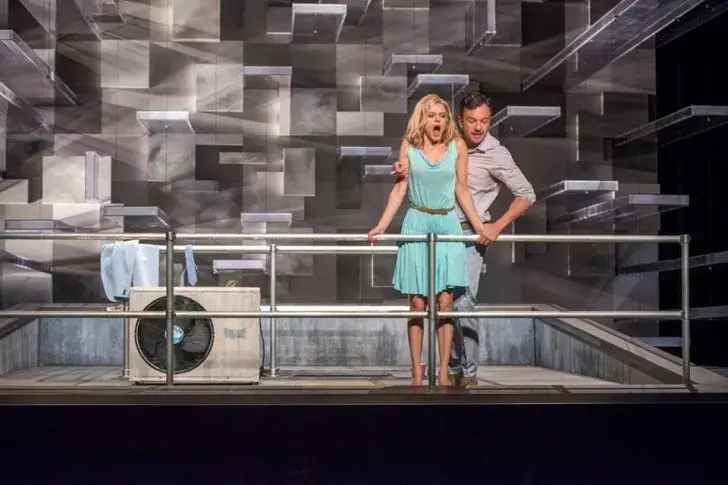
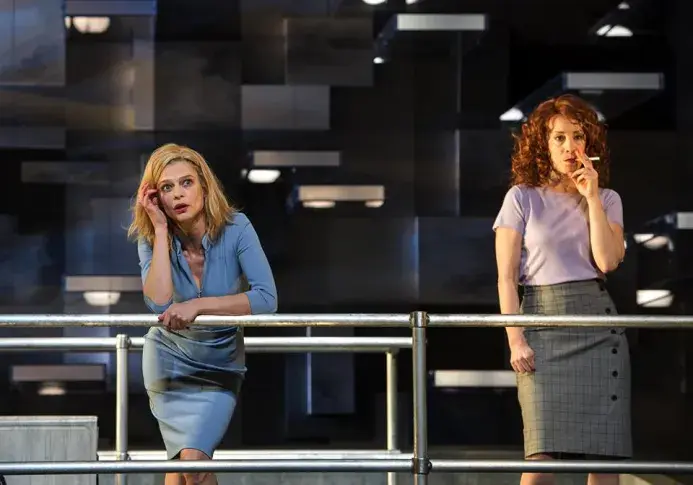
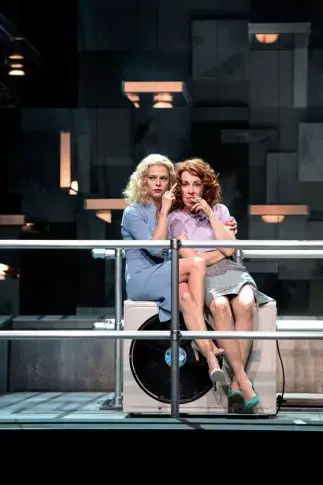
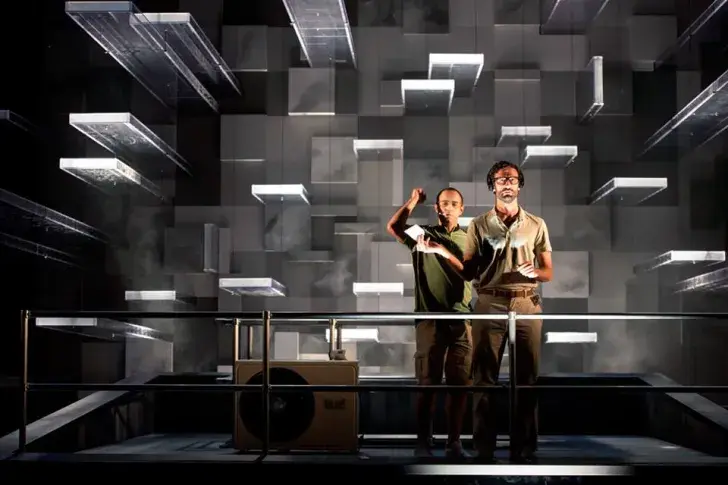
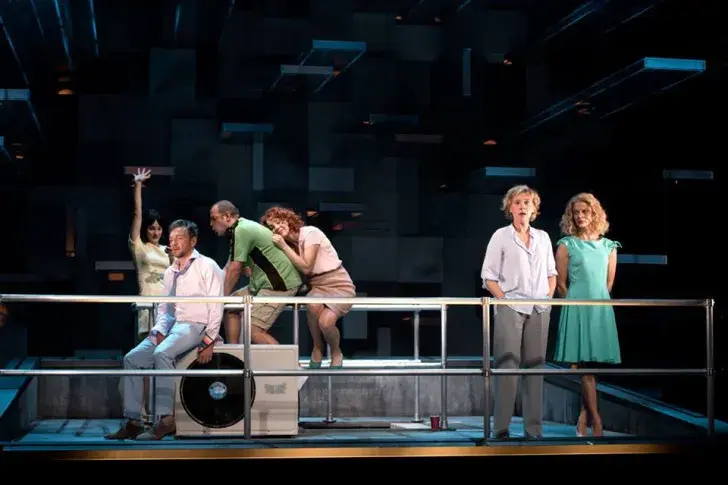
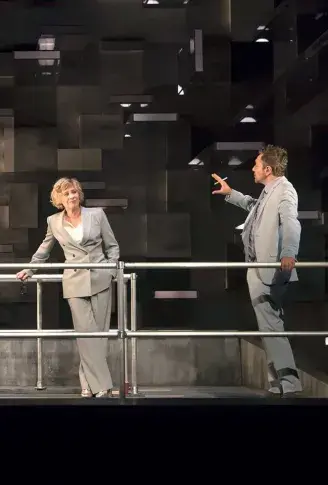
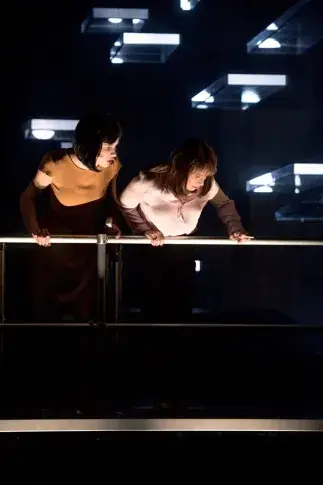
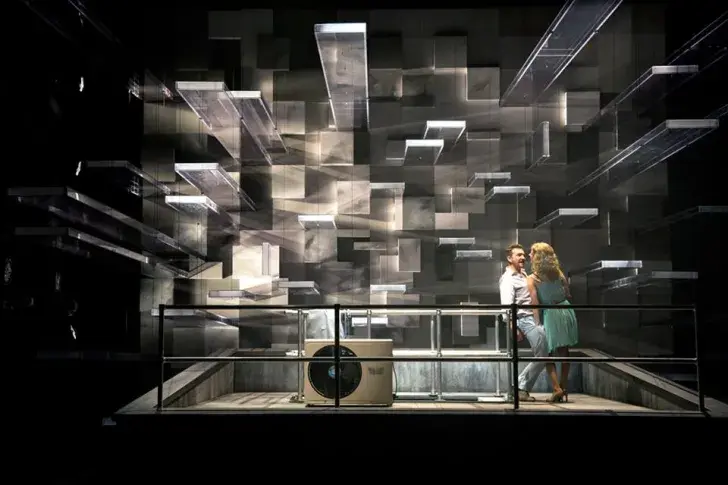
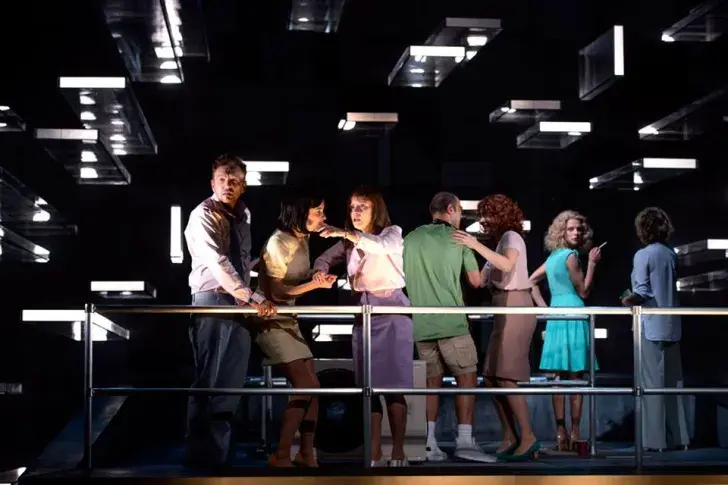
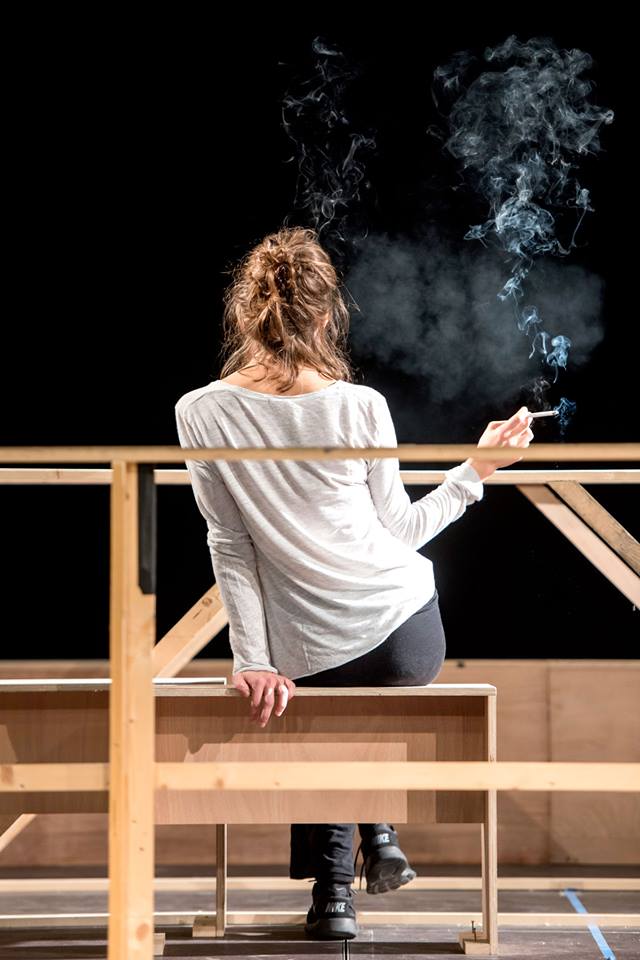
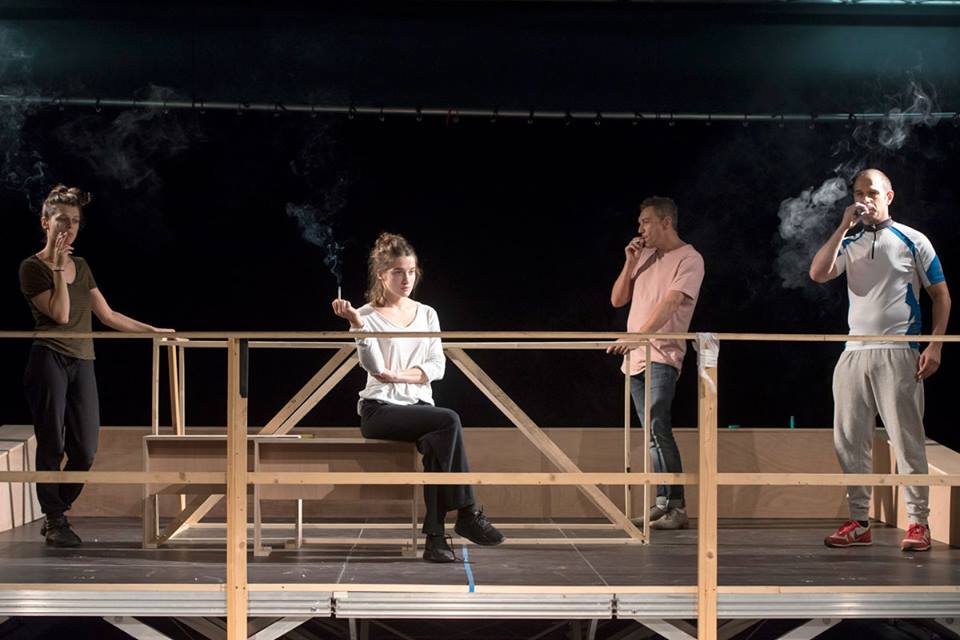
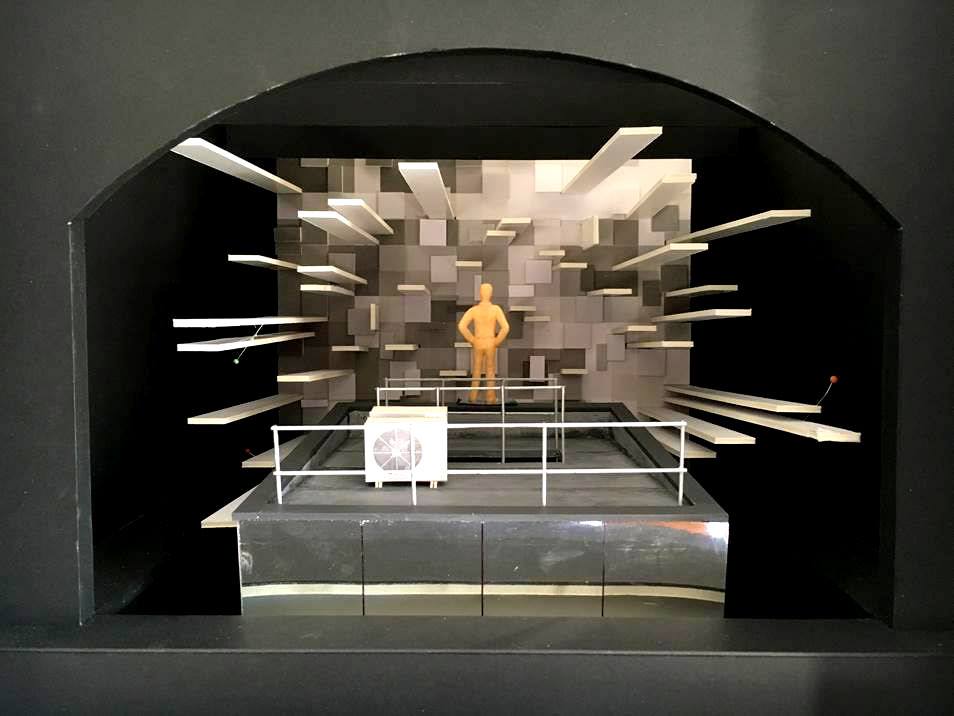
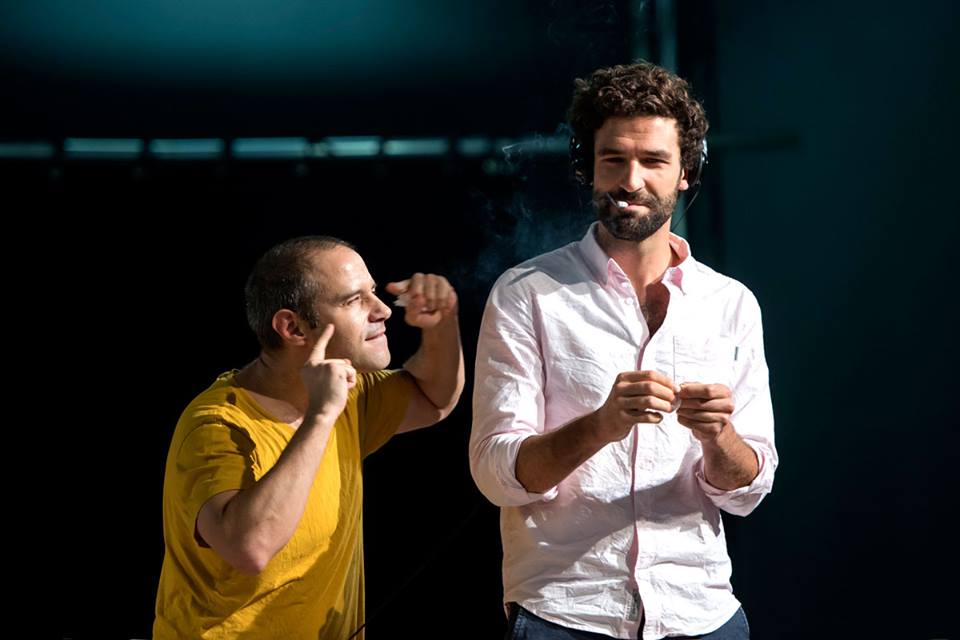
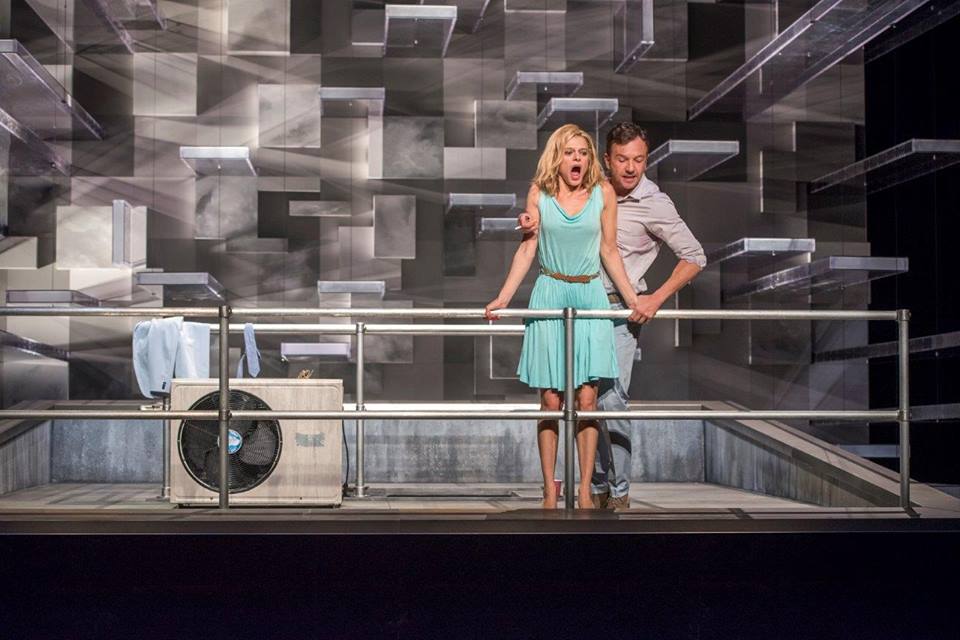
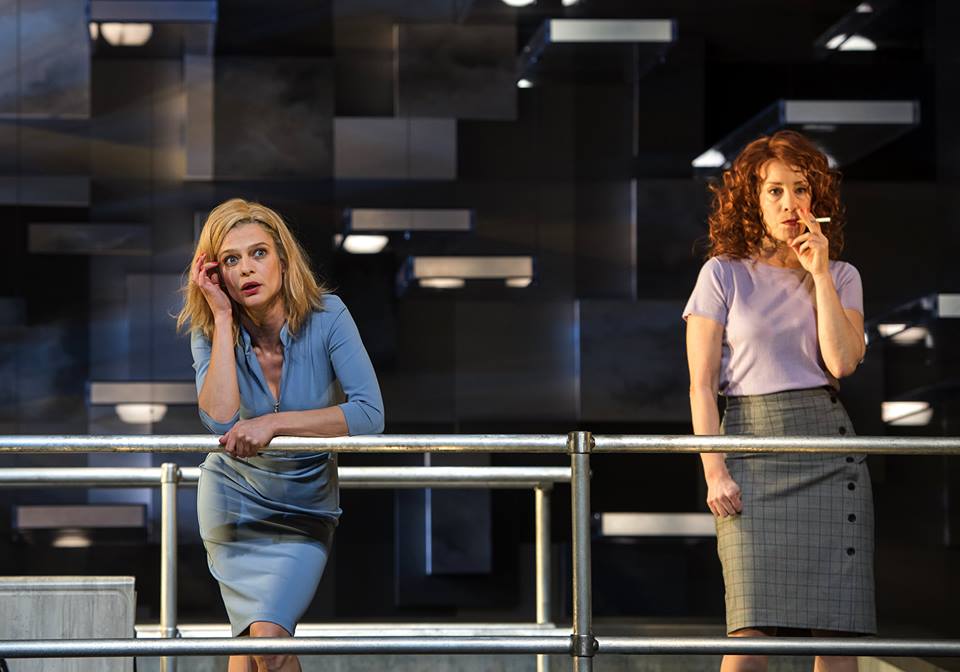
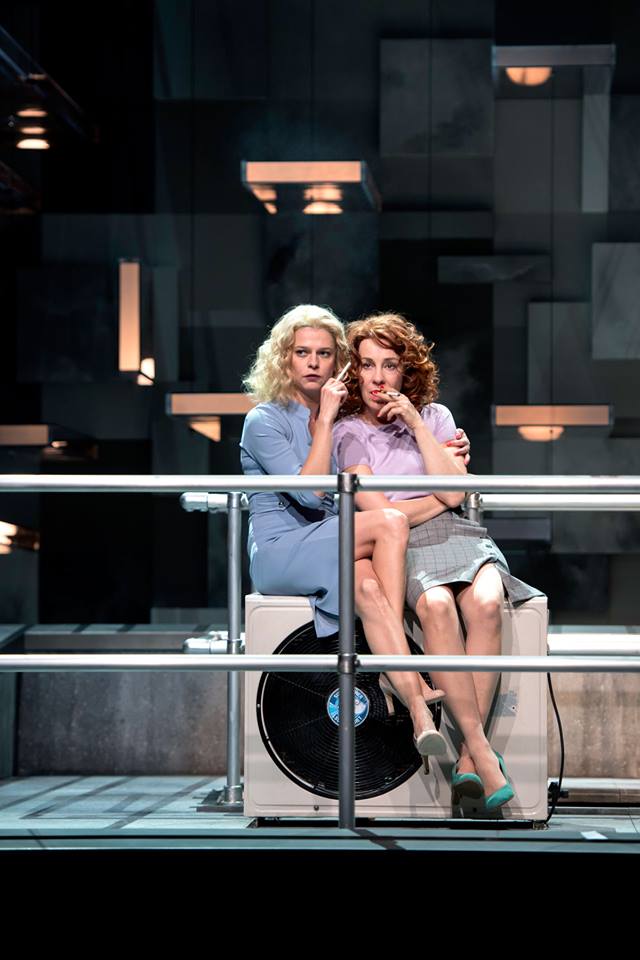
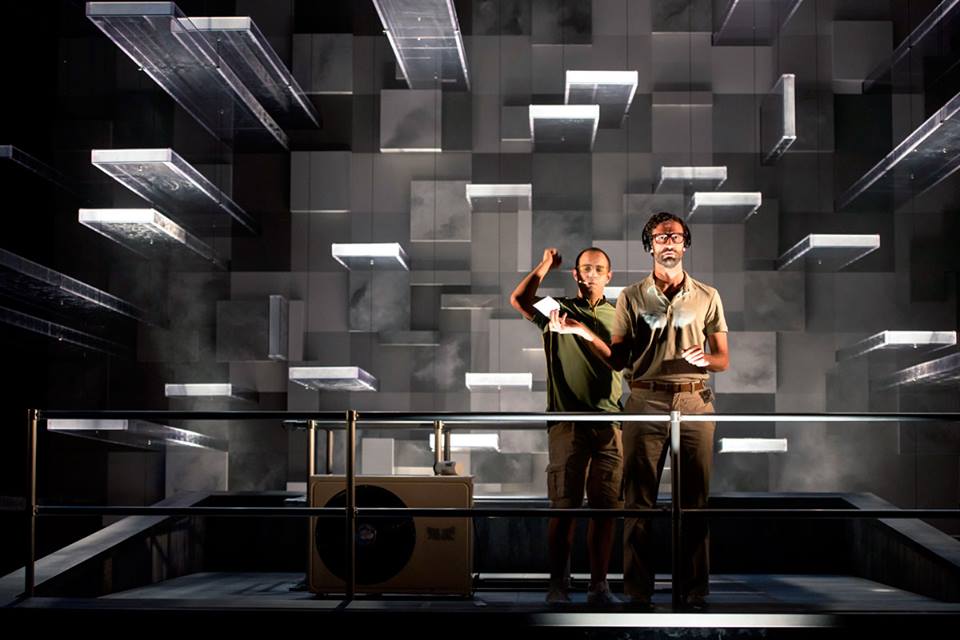
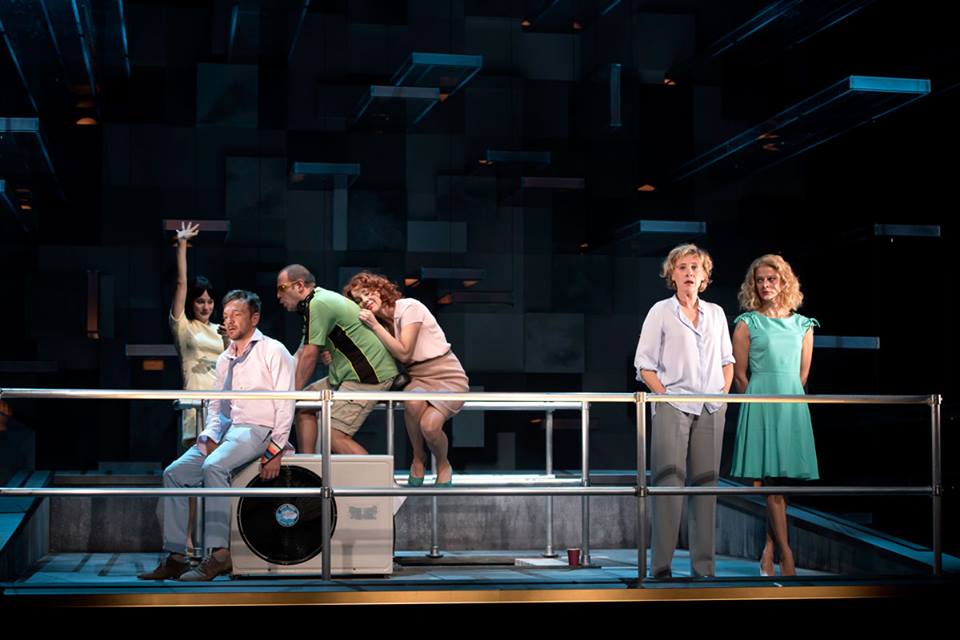
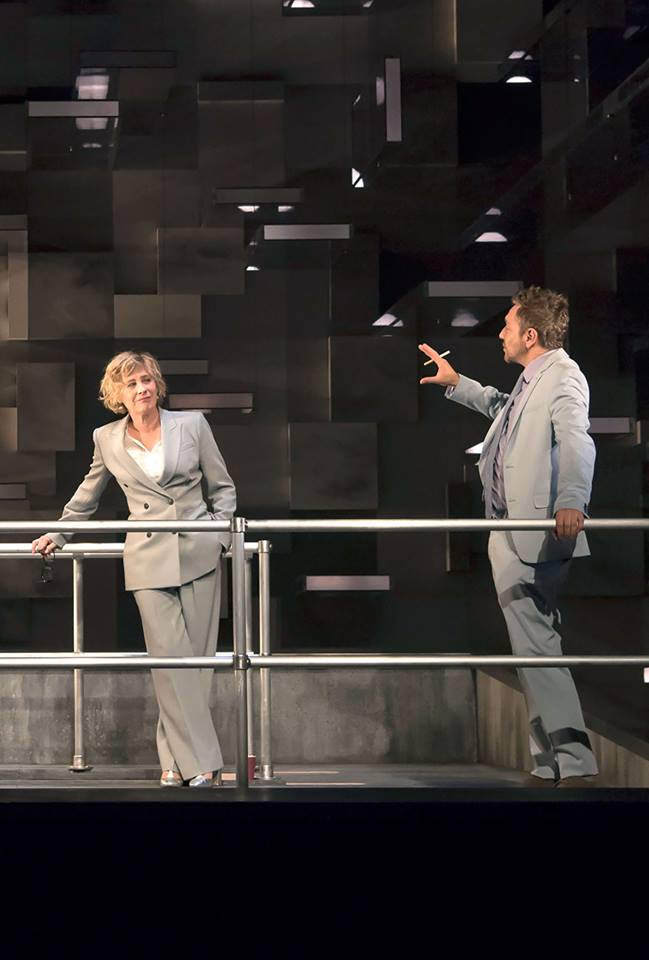
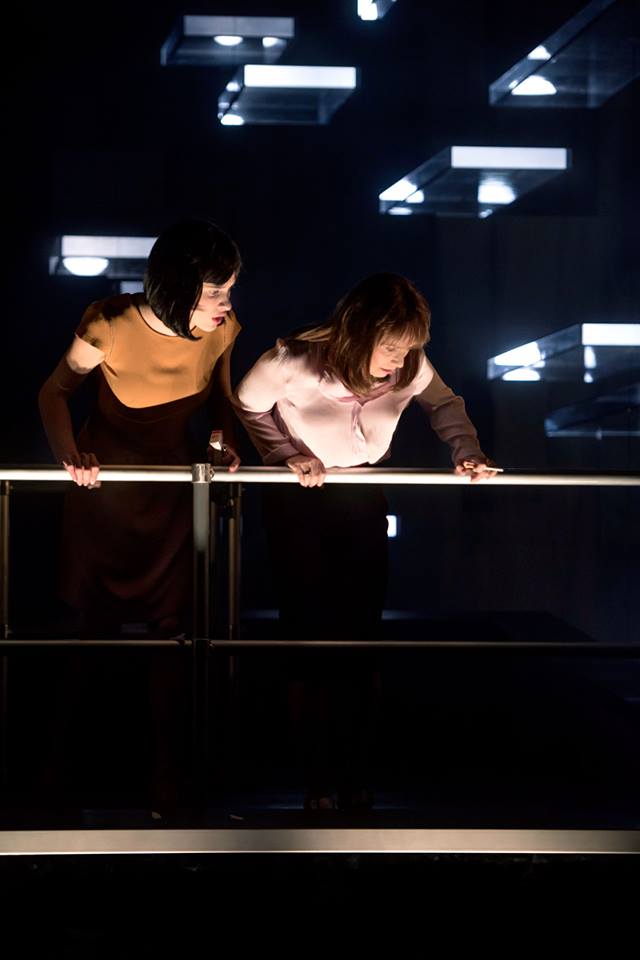
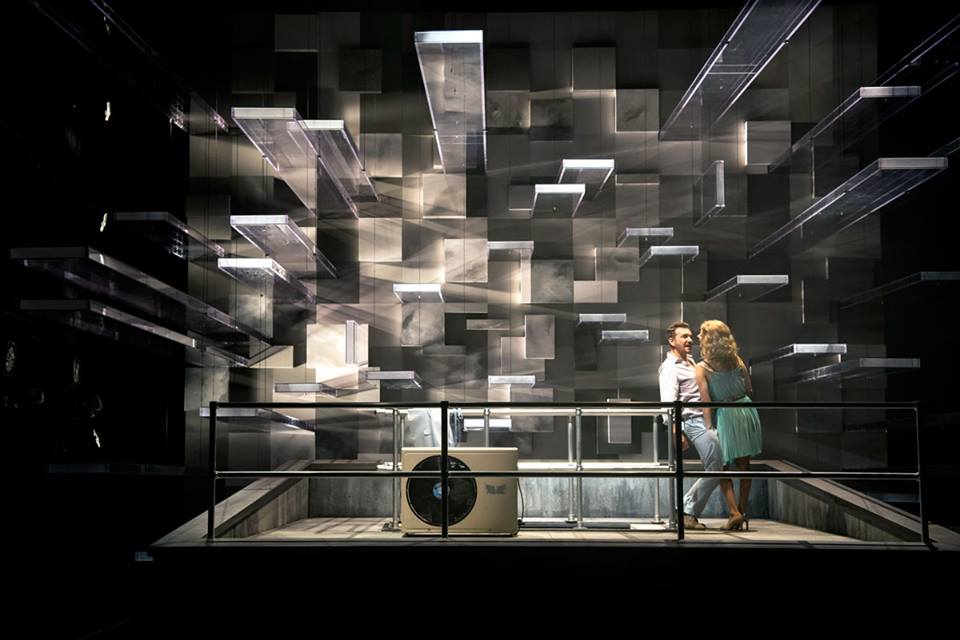
On y accède par un ascenseur ou plus sûrement par des escaliers de service pour éviter d’être dénoncé. On s’y retrouve furtivement et successivement à deux, trois ou quatre : le chef administratif et le programmeur informaticien, les secrétaires blonde, brune, rousse et châtain, la directrice exécutive et le coursier. Par hasard, affinités ou nécessité, les groupes se mêlent, les dialogues s’enchaînent, alternant propos badins, confidences intimes et délires existentiels, sur le ton de ces grandes comédies où les personnages sont au bord de la crise de nerfs... La chaleur étouffante – une sécheresse sévit depuis deux ans – et le ciel traversé d’hélicoptères ajoutent une dimension apocalyptique au burlesque de ce tableau post-moderne.
Après avoir monté Nikolaï Gogol, Marcel Aymé et Federico García Lorca avec la Troupe, Lilo Baur choisit un auteur contemporain catalan, Sergi Belbel, dont elle aime l’art du dialogue qui offre un espace de jeu incroyable aux acteurs. En haut de cette tour, symbole de l’exercice du pouvoir, fantasme de la chute, la terrasse est une zone de retranchement au sein de l’interdit qu’elle imagine comme « un lieu de ventilation, un îlot d’émotions ».Rencontre avec Sergi Belbel, animée par Laurent Mulheisen : 1er décembre à l’issue de la représentation (entrée libre pour la rencontre)
Le thème du monde du travail, très présent dans le théâtre contemporain, fut longtemps marginal. Si dans le répertoire classique,les personnages sont souvent qualifiés par leur profession, il s’agit avant tout pour les dramaturges d’en faire usage pour décrire un caractère plutôt que pour dépeindre un métier à proprement parler.
Paysans, militaires, valets, laquais, musiciens, danseurs, maîtres en tous genres, présidents de parlements, abondent dans les comédies du XVIIIe siècle, tout comme les financiers, si nombreux qu’on désigne même par là un emploi de comédiens spécialisés dans ces rôles. En revanche, à l’exception des Plaideurs de Racine, satire féroce des métiers de la justice, rares sont les pièces dédiées à une profession ou à l’univers professionnel.
Dans le répertoire classique, si les personnages se définissent souvent par leur profession, c’est pour le dramaturge une façon de décrire un caractère, plus qu’un moyen d’évoquer un métier à proprement parler.
Le drame bourgeois qu’invente Diderot au XVIIIe siècle, puis les comédies bourgeoises du XIXe siècle, accordent plu sde place au travail, et l’on voit même, à la fin du siècle, quelques pièces consacrées à la classe ouvrière et laborieuse, notamment chez André Antoine.
Il faudra attendre la seconde moitié du XXe siècle, la révolution industrielle ayant fait son œuvre, pour que l’univers de l’usine puis de l’entreprise servent de cadre aux dramaturges. De Brecht (La Résistible Ascension d’Arturo Ui) à Vinaver (L’Ordinaire, La Demande d’emploi), Pietro Pizzuti (7 minutes dans le cadre du Bureau des lecteurs) et Sergi Belbel (Après la pluie),le thème du monde du travail sort de la marginalité et s’exprime sur les scènes de la Comédie-Française. -
Mise en scène : Lilo Baur
Scénographie : Andrew D Edwards
Costumes : Agnès Falque
Lumières : Fabrice Kebour
Musique originale : Mich Ochowiak
Maquillages et coiffures : Catherine Bloquère
Assistanat à la mise en scène : Aoife Hinds
Documents
-
 Télécharger le PDF (2.09 MB)
Programme Après la pluie 17/18
Programme d'« Après la Pluie » de Sergi Belbel. Mise en scène Lilo Baur au Théâtre du Vieux-Colombier (saison 2017/2018). -
 Télécharger le PDF (5.68 MB)
La pièce en images - Après la pluie 17/18
Parcours sur La cigarette et le tabac au théâtre dans les collections iconographiques de la Comédie-Française