Haute surveillance
Directed by Cédric Gourmelon
From 16 September to 29 October

Discover the play
-
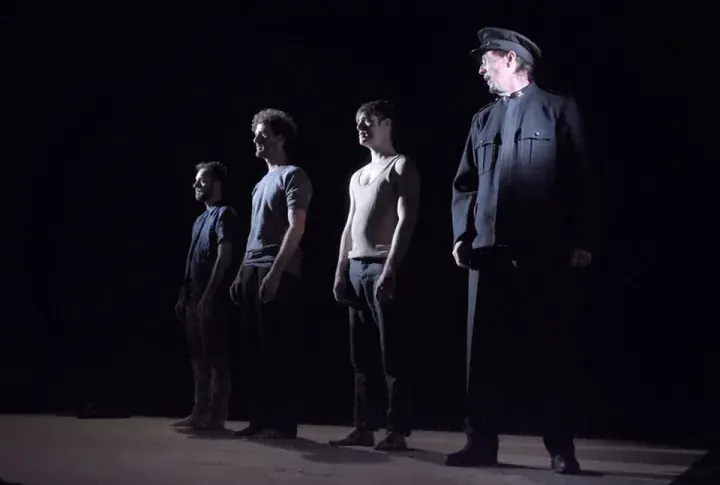
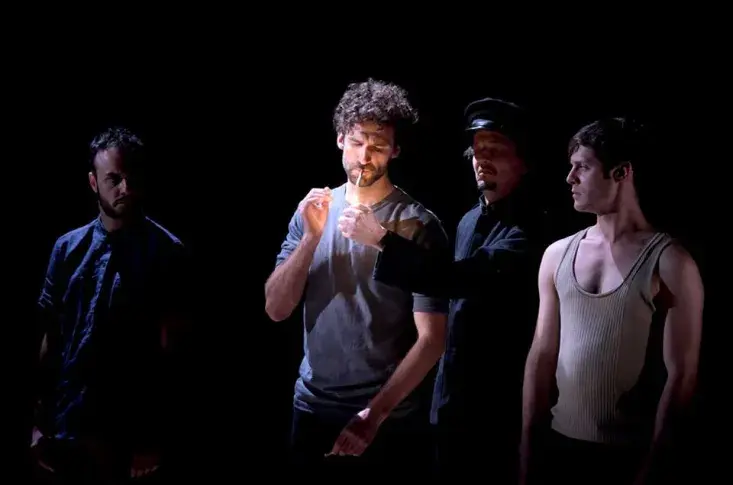
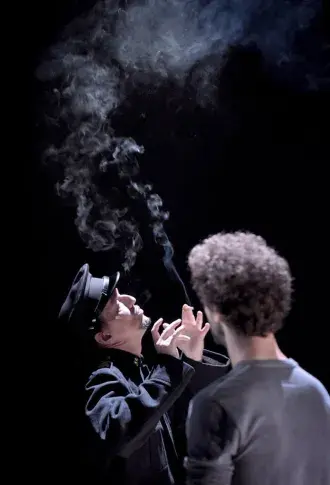
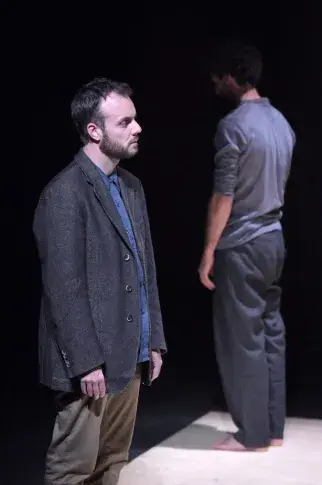
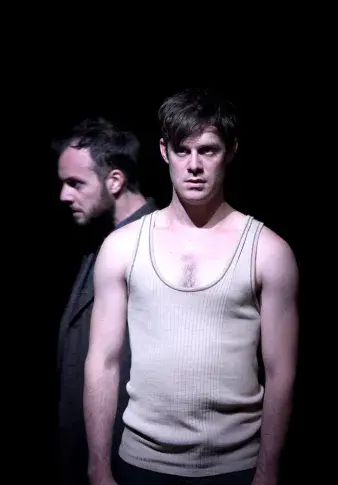
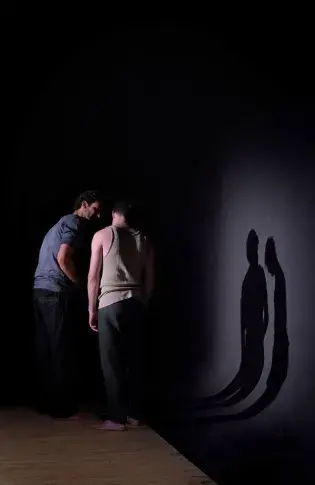
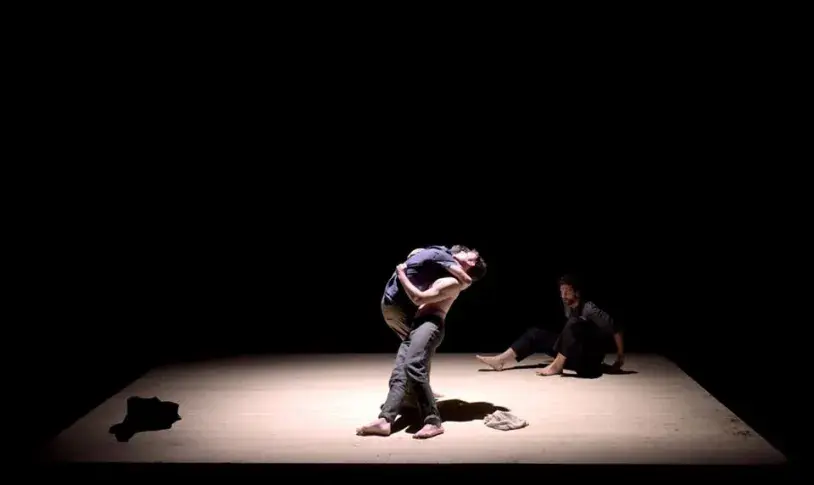
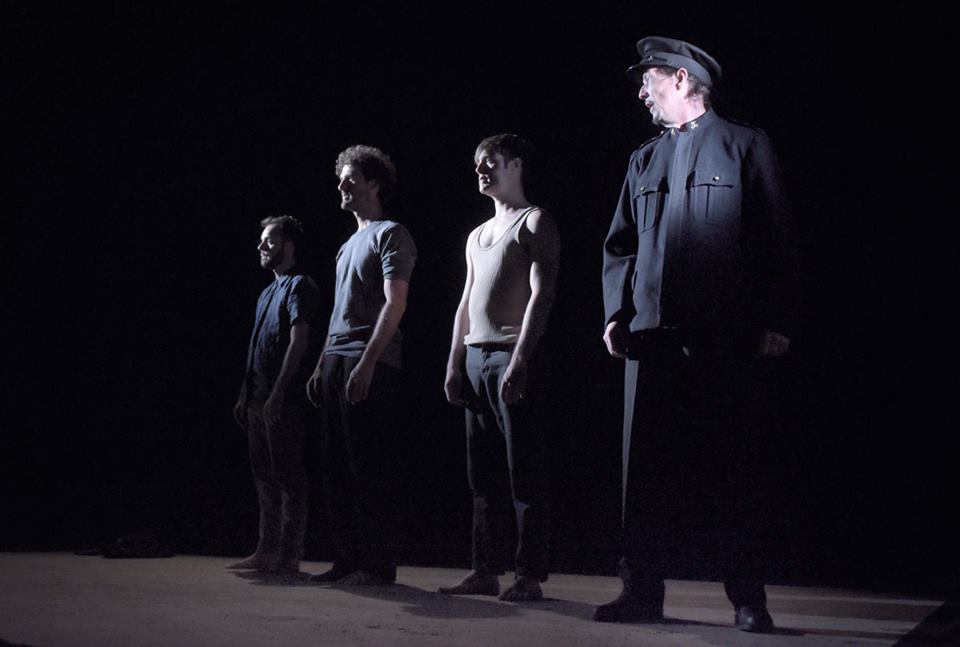
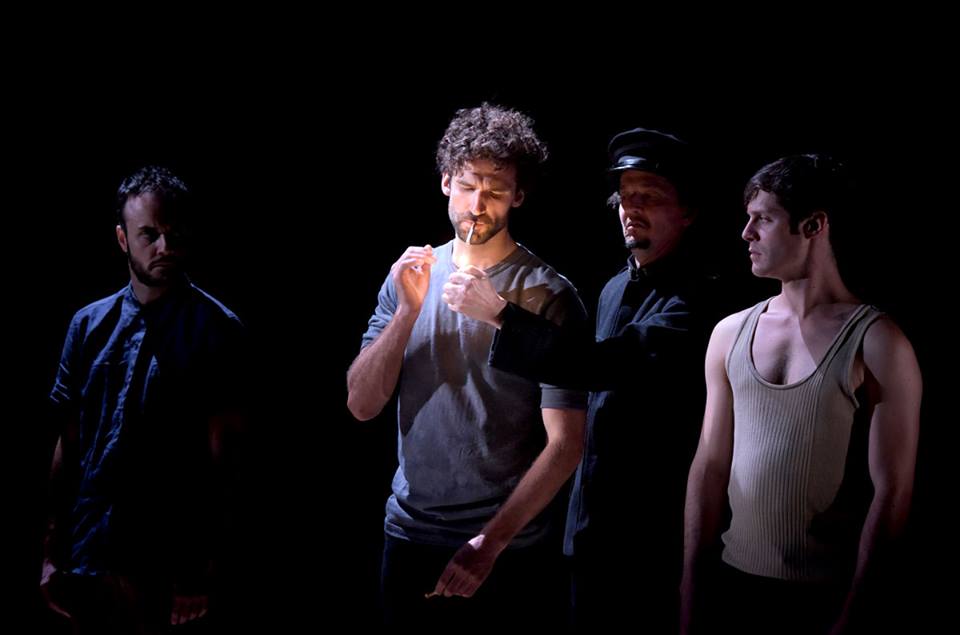
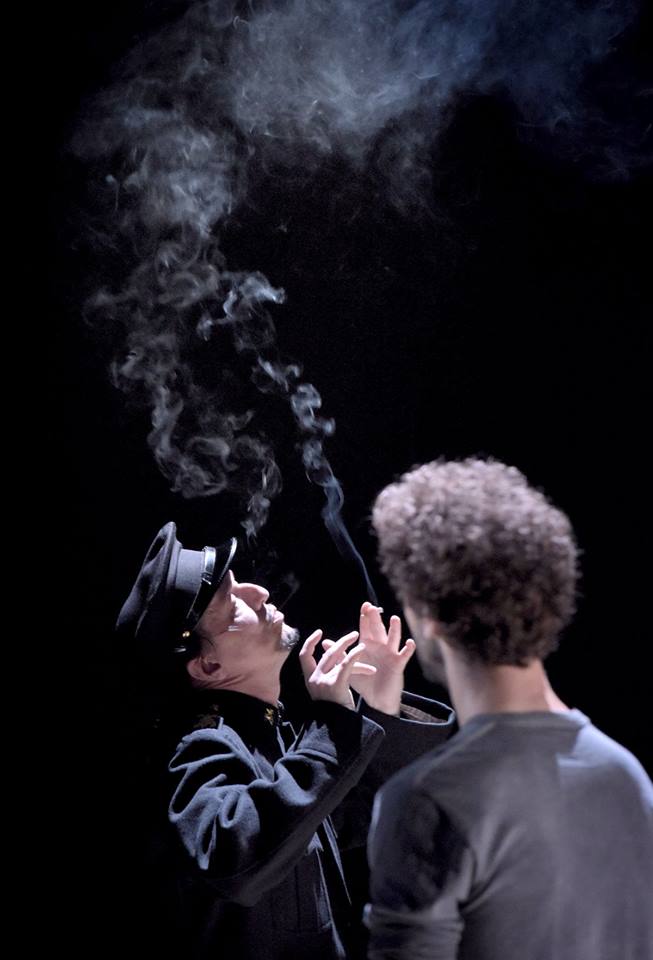
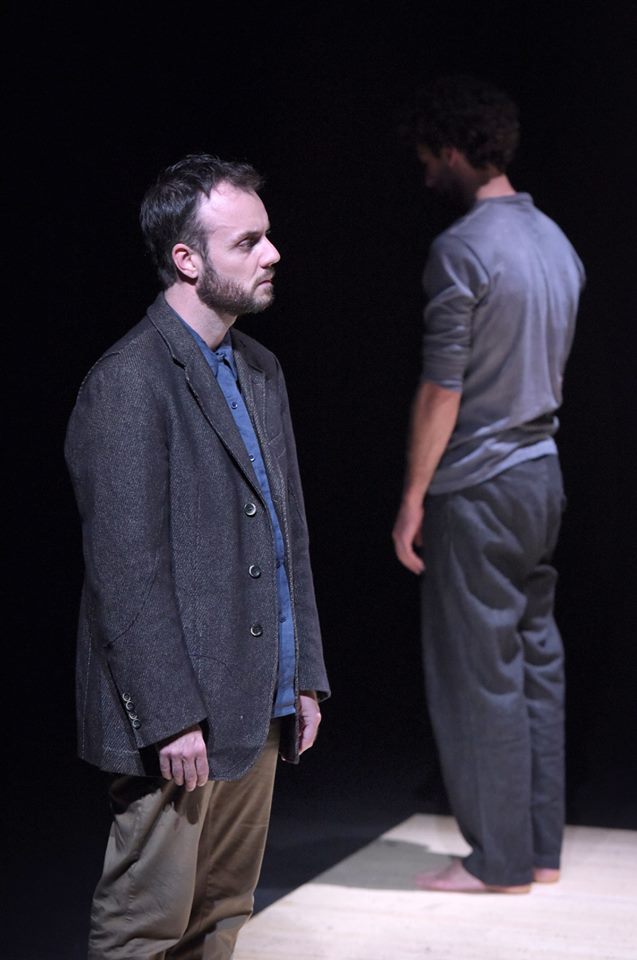
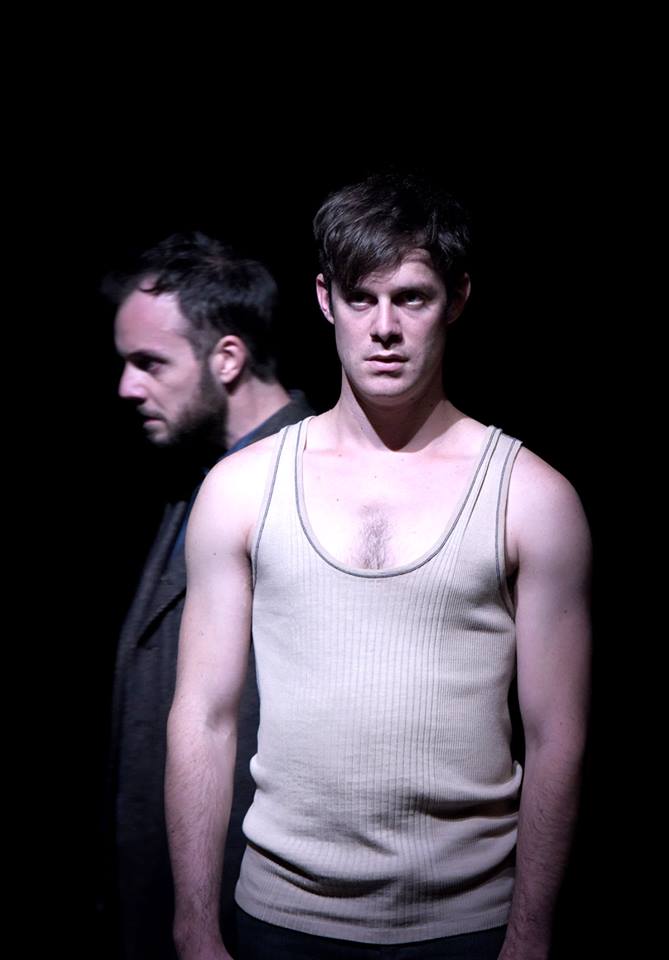
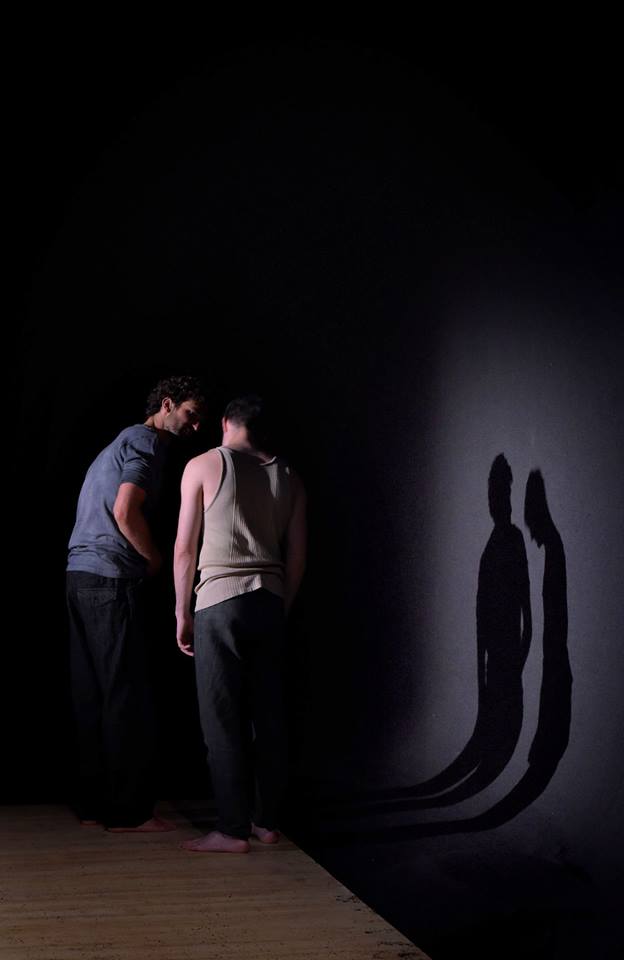
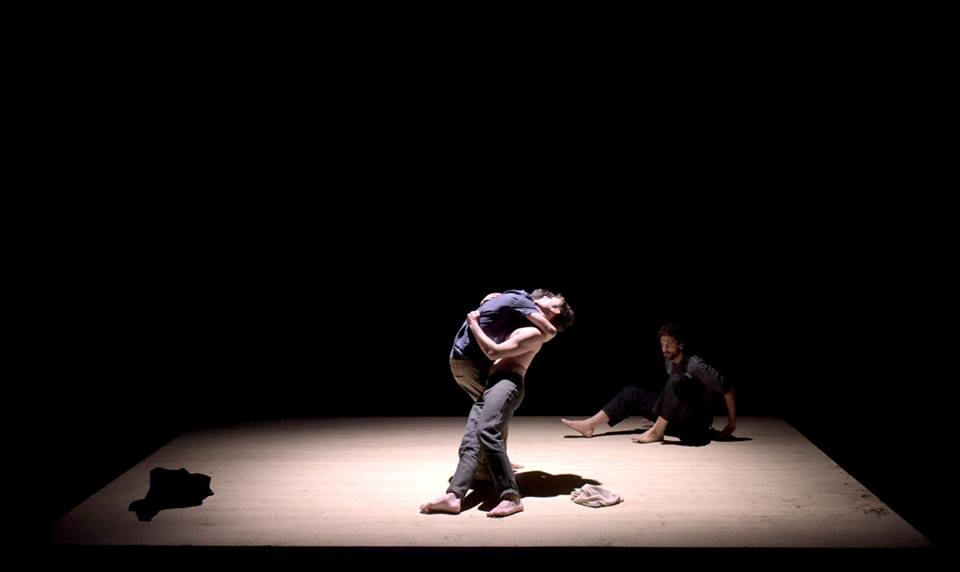
On y retrouve la mythologie qui traverse son œuvre et entoure sa vie : sa fascination pour les criminels, la masculinité, l’ accomplissement de soi, la fatalité, le désir... L’action est resserrée autour de trois jeunes détenus. Le premier, nommé Yeux verts, figure charismatique, est un « vrai » assassin vénéré par deux délinquants, Maurice, gueule d’ ange à la beauté troublante, et Lefranc, le seul à ne pas être analphabète, qui a le privilège de lire et rédiger la correspondance entre le caïd et sa femme – l’absente, objet du fantasme commun.
Il fallait un amoureux et un praticien accompli de l’œuvre de Genet pour mettre en scène ce huis clos dense et poétique. Cédric Gourmelon a déjà monté Splendid’s, Le Funambule et Le Condamné à mort, poème mis en musique par Étienne Daho. Haute surveillance est un de ses textes fétiches qu’ il crée aujourd’hui pour la troisième fois. Il conduit les acteurs de la Troupe dans les revers de cette écriture qui réclame un engagement physique intense. Ensemble, ils apprivoisent le style unique de l’ auteur qui donne la parole, et une forme de noblesse, à de mauvais garçons comme lui mis au ban de la société. Là est l’ immense talent du théâtre de Genet : « c’est la politesse à l’ égard de la matière, il consiste à donner un chant à ce qui était muet ».Au même titre que les grands hommes, les criminels célèbres occupent une place de choix dans les fictions romanesques et théâtrales. Pour Diderot, la mise en scène du crime est un retour à l’énergie d’origine incarnée par le théâtre grec. Portée à la scène, la brutalité ranimée par Shakespeare et les tragiques français, des Néron et autres Macbeth explose sous les yeux des spectateurs. L’enjeu esthétique, fluctuant au fil des siècles, consistera à estomper la violence originelle tout en en préservant l’essence.
À partir du XIXe siècle, la tragédie classique s’ancre dans le quotidien, portant à la scène des criminels proches de leurs contemporains. Les faits divers deviennent une source d’inspiration pour l’industrie théâtrale qui l’exploite notamment dans les salles du surnommé Boulevard du crime et au Grand Guignol… À la Comédie-Française, malgré des antécédents comme le célèbre brigand Cartouche ou les Voleurs de Marc-Antoine Legrand (1721), les petits criminels ne sévissent surtout qu’à partir des années 1980, sortis des bas-fonds par Brecht, Genet, Koltès, Bond… L’auteur des Bonnes qui transfigurait les sœurs Papin enferme, dans Haute surveillance, la vue du spectateur dans une cellule partagée par trois détenus.
> Le bourreau, c’est chacun de nous pour les deux autres.
L’enfermement n’est pas un thème nouveau du Répertoire. Sans remonter jusqu’aux Victimes cloîtrées dans un cachot (Monvel, 1791), les comédiens le jouent plus récemment avec Sartre (Huis clos, Les Séquestrés d'Altona) et démontrent l’exacerbation de la violence, subversivement banalisée par Genet, qu’il engendre.
-
Mise en scène : Cédric Gourmelon
Scénographie : Mathieu Lorry-Dupuy
Costumes : Cidalia Da Costa
Lumières : Arnaud Lavisse
Assistanat à la mise en scène : Morgann Cantin-Kermarrec
Documents
-
 Télécharger le PDF (1.39 MB)
Programme Haute surveillance 17/18
Programme de Haute surveillance de Jean Genet. Mise en scène Cédric Gourmelon au Studio-Théâtre 17/18