La Règle du jeu
based on the screenplay by Jean Renoir
Directed by Christiane Jatahy
From 20 October to 8 January

Discover the play
-
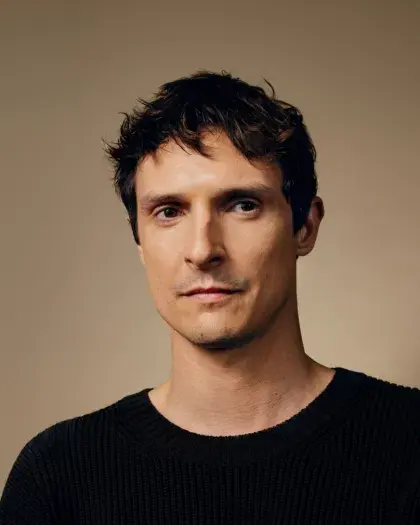
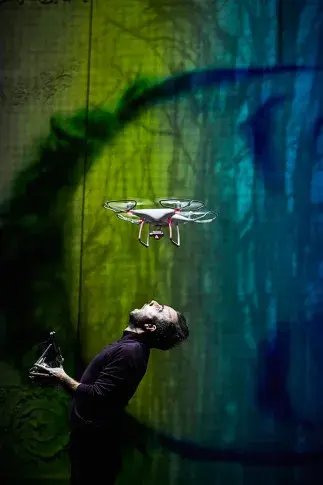
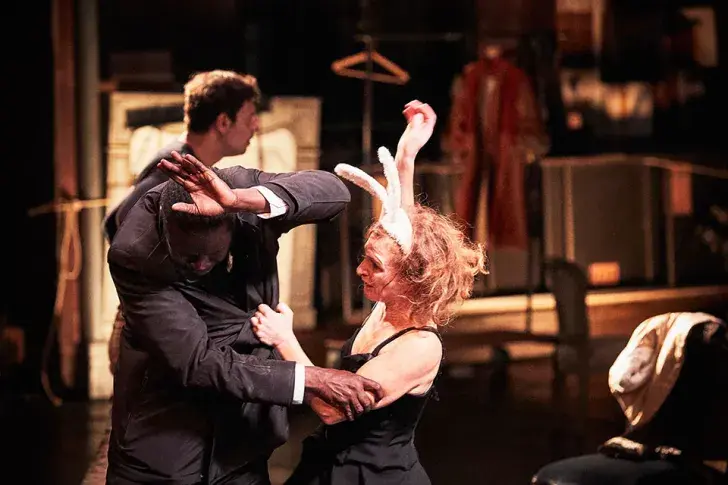
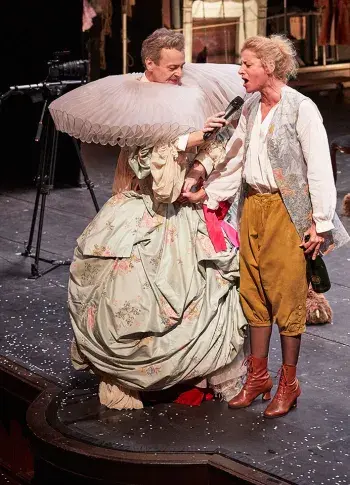
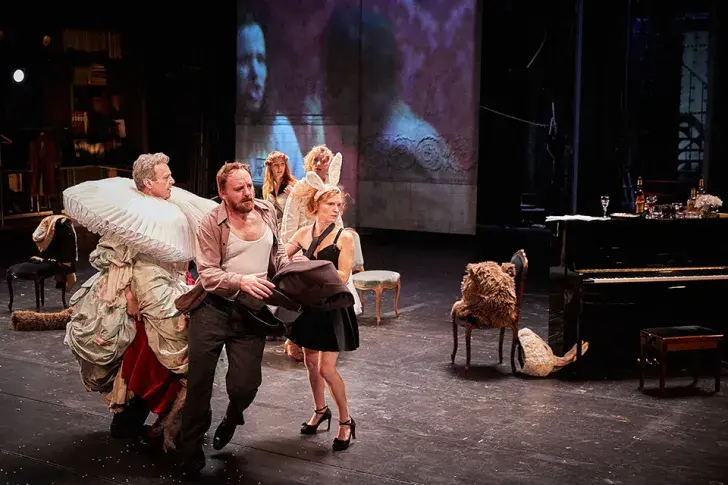
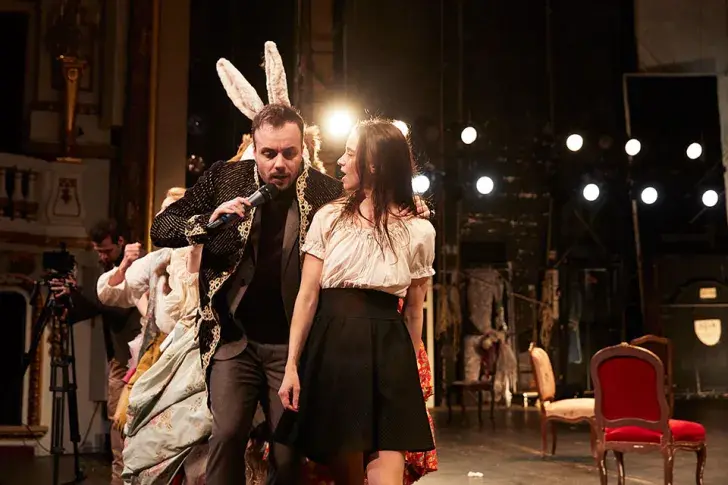
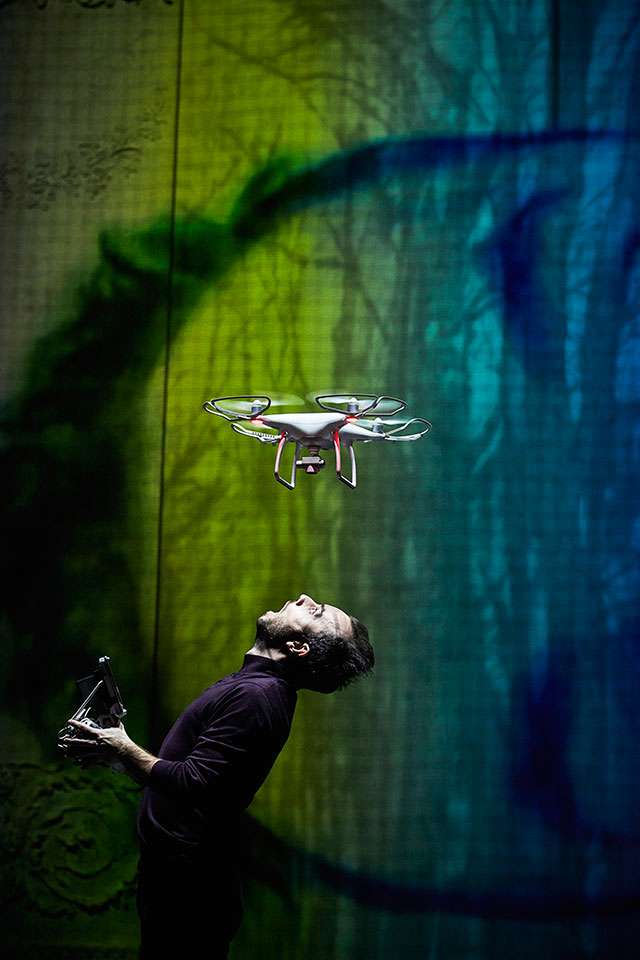
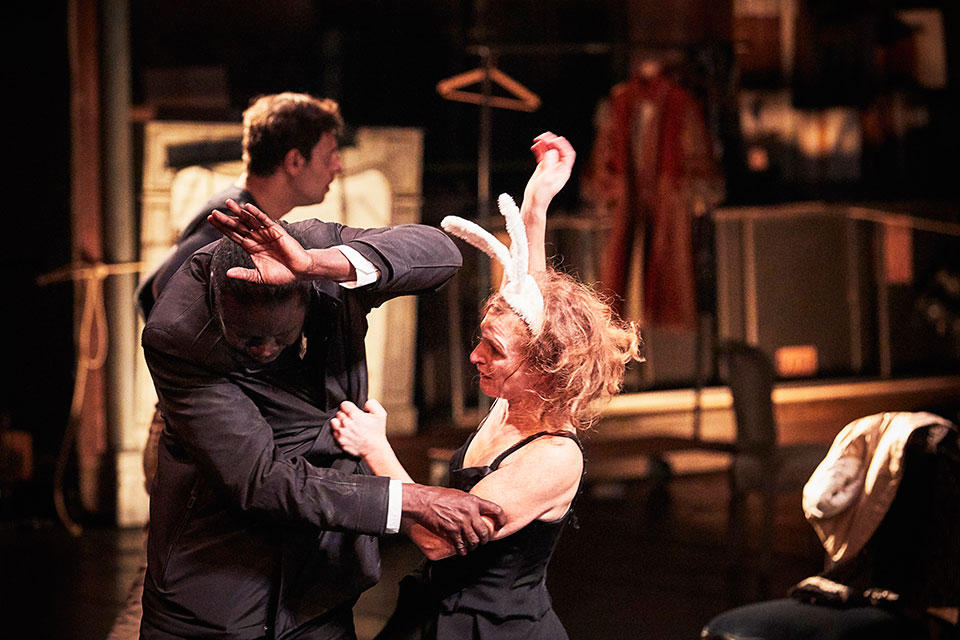
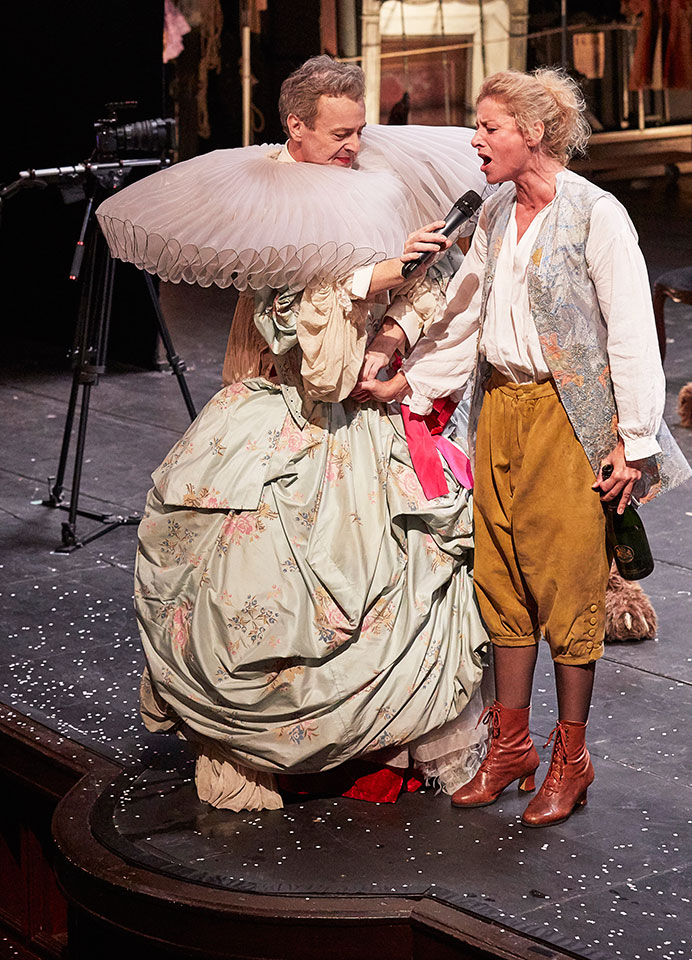
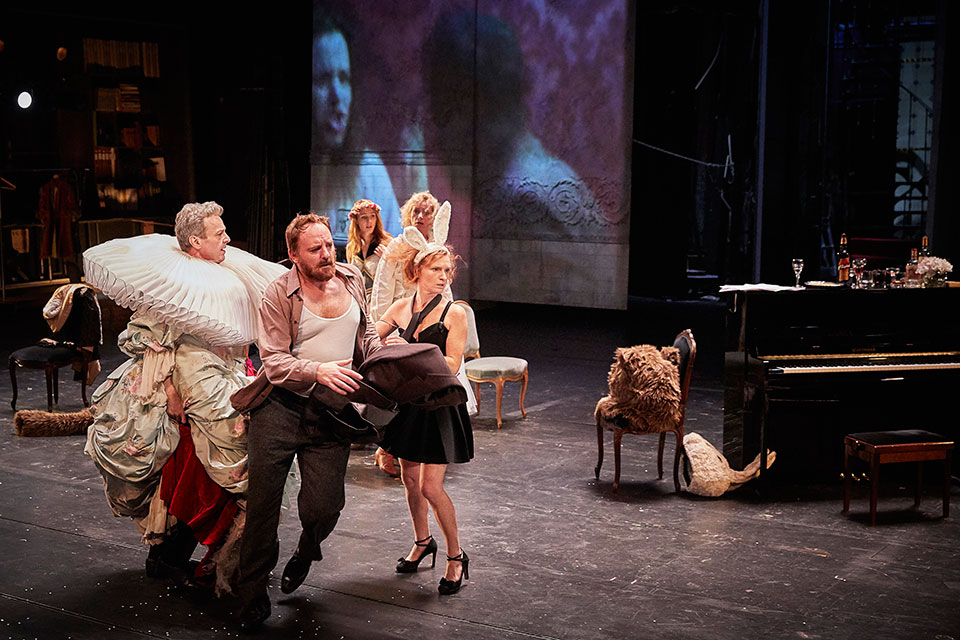
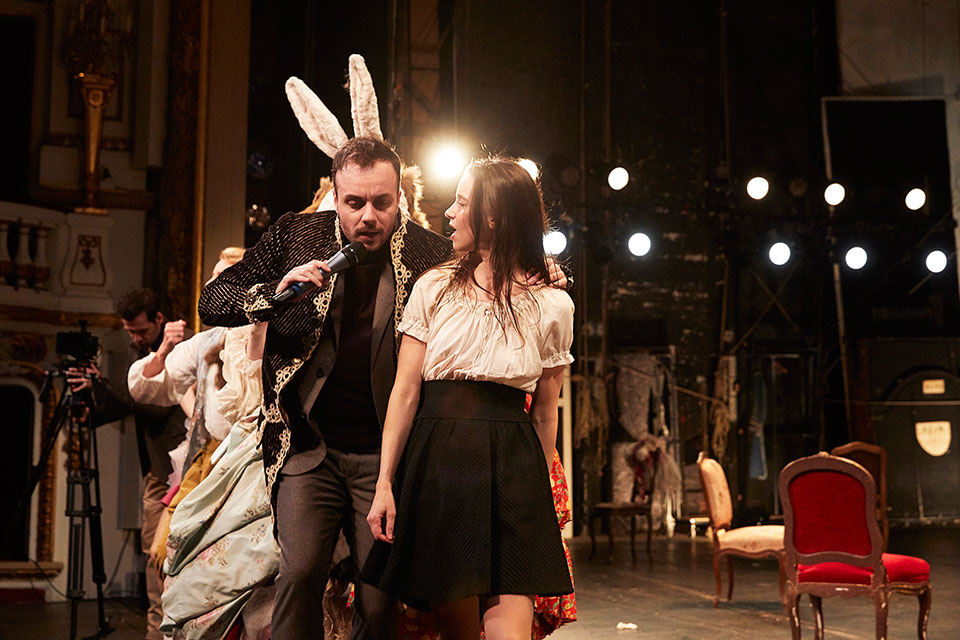
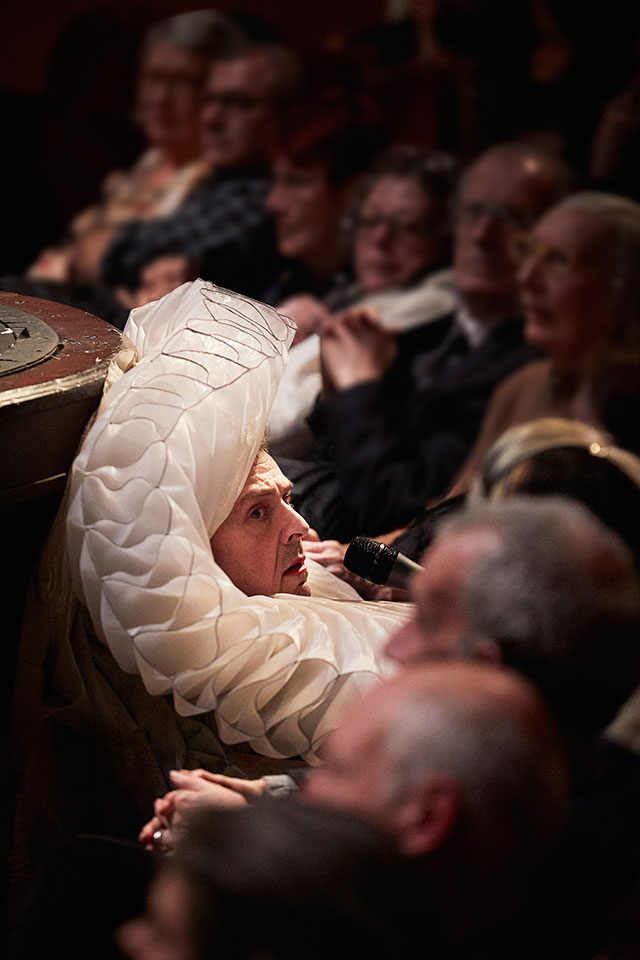
Le cœur de son travail de metteure en scène et de réalisatrice interroge l’interaction entre théâtre et cinéma. Les comédiens sont placés au centre des opérations de connexion : profondeur de champ, déplacement des points de vue, rupture du 4e mur, la caméra capte des émotions, surprend des situations. Et le spectateur, invité ici à la fête organisée par Robert en son domicile qui n’est autre que la Salle Richelieu, devient témoin et acteur de la fantaisie dramatique qui se joue sous ses yeux. « Je définis des territoires pour en effacer ensuite les limites et les rendre plus floues, plus mouvantes. Acteur et personnage, acteurs et spectateurs, réalité et fiction, chacune de ces frontières est un terrain de jeu et tout se passe dans un équilibre instable, dit-elle. Le théâtre se fait entre deux personnes et non en chacune d’elles, c’est-à-dire en réponse et en réaction l’une à l’autre. » « Nous dansons sur un volcan », déclarait Jean Renoir au sujet de son film tourné en 1939. En prise avec les mutations de la société contemporaine, Christiane Jatahy orchestre, dans un même mouvement, la machinerie vaudevillesque et la dimension tragique de La Règle du jeu.
Tradition, classicisme, théâtre de textes reposant sur un respect scrupuleux des auteurs sont les prismes par lesquels on juge souvent la Comédie-Française. Sa longue histoire, sa valeur d’exemple à l’étranger et pour les jeunes publics, induisent des réflexions l’excluant du mouvement actuel qui oriente la création scénique vers les écritures de plateau. Pourtant, la lecture des archives de la Maison nous montre le contraire. Le paradoxe est bien que la Comédie-Française est, pour le regard extérieur, prise en étau entre la sacralisation du Répertoire, qui semble symboliquement figer les textes dans la version de leur entrée à ce fonds littéraire national, et la réalité du travail quotidien sur les textes considérés depuis toujours comme une matière à jouer, voire un work in progress jamais achevé que même la représentation ne fige pas. L’entrée au Répertoire d’un scénario de film s’inscrit parfaitement dans cette perspective.
Réécritures littéraires, modification des pièces en fonction d’un contexte politique spécifique, écriture de plateau… au fil du temps, les pratiques ont changé mais le texte théâtral est toujours resté une matière malléable, par nature.
Quelle que soit l’époque, les interventions sur le textes ont systématiques : il n’est pas un exemplaire de travail, conservé à la bibliothèque-musée de la Comédie-Française,qui ne soit annoté, qui ne comprenne des coupes légères ou substantielles. Si les réécritures peuvent être à caractère littéraire ou contextuel, le travail de répétition induit lui aussi des modifications fréquentes du texte, en fonction du jeu, de la dramaturgie et de la mise en scène. Les manuscrits de souffleurs et brochures de comédiens font état d’un travail au plateau, le plus souvent en accord avec l’auteur qui assiste à la répétition quand il peut être présent. C’est le cas jusqu’au premier tiers du XXe siècle. Ces manuscrits sont très souvent annotés : on remplace un mot par un autre qui passe mieux à la lecture, on revoit la structure d’une phrase...
Cette longue histoire du matériau théâtral, texte ou écriture de plateau, servant un art profondément vivant, démontre combien le Répertoire n’est pas figé dans des formes fixes et appuie le constat d’Éric Ruf : la Comédie-Française est « un théâtre qui n’a pas à choisir de territoire mais le devoir de les explorer tous ».
-
Version scénique, réalisation, mise en scène : Christiane Jatahy
Directeur de la photographie, cadreur : Paulo Camacho
Scénographes du spectacle : Marcelo Lipiani et Christiane Jatahy
Collaborateur artistique : Henrique Mariano
Costumière : Pascale Paume
Créatrice lumières du spectacle : Marie-Christine Soma
Concepteur du système vidéo : Júlio Parente
Première assistante réalisatrice : Juliette Crété
Deuxième assistant réalisateur, assistant à la mise en scène : Marcus Borja
Chef opérateur du son : David Rit
Chef monteuse : Julie Delord
Monteur son : Olivier Walczak
Mixeur son : Matthieu Cochin
Étalonneur : Olivier Cohen
Première assistante opérateur : Marie Deshayes
Assistant opérateur du son : Arnaud Trochu
Assistants monteurs : Charles Blengino et Caroline Bevalot
Maquilleuse : Claire Cohen
Électricien du film : Julien Bouvier
Graphiste générique du film : Nicolas Meunier
Conseiller à la production du film : Yvonnick Le Fustec
Conseiller technique du film : Gérard Lafont
Documents
-
 Télécharger le PDF (1.73 MB)
Programme La Règle du jeu 17/18
Programme La Règle du jeu d’après le scénario de Jean Renoir. Mise en scène Christiane Jatahy Salle Richelieu.
Casting
-
-
-
et
Marcus Borja : Piano