La Résistible Ascension d'Arturo Ui
by Bertolt Brecht
Directed by Katharina Thalbach
From 27 February to 21 May

Discover the play
-
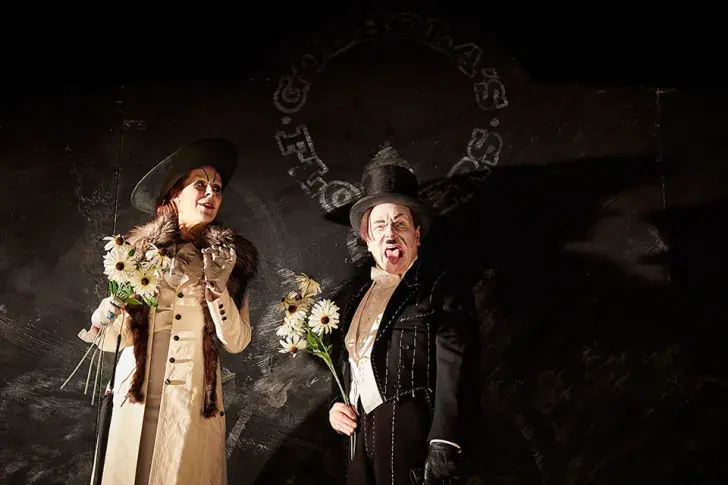
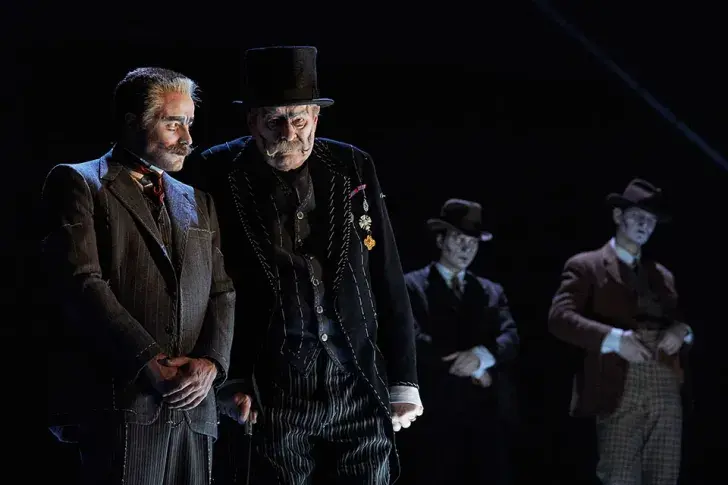
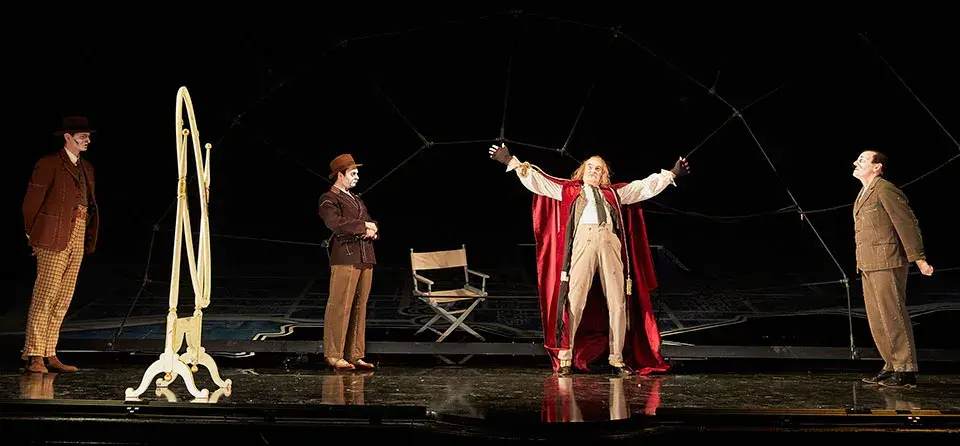
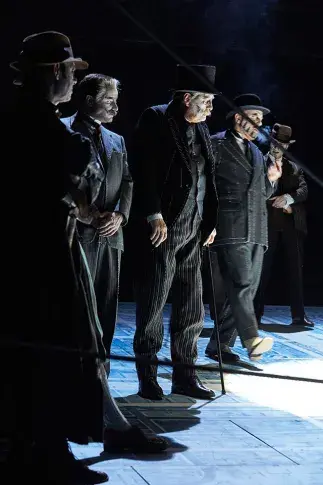
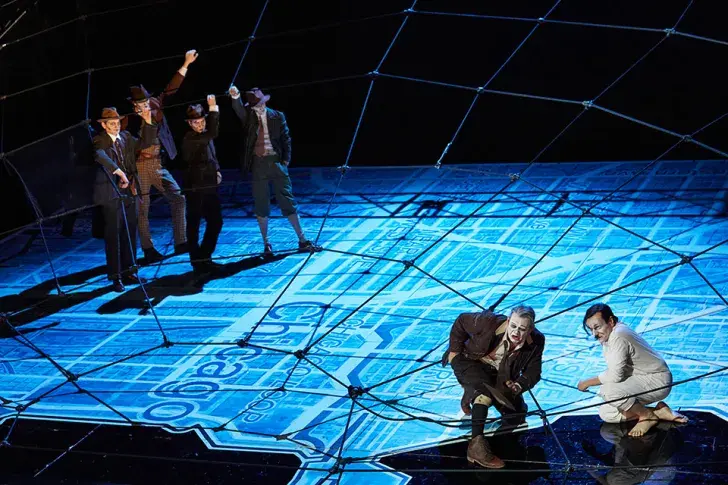
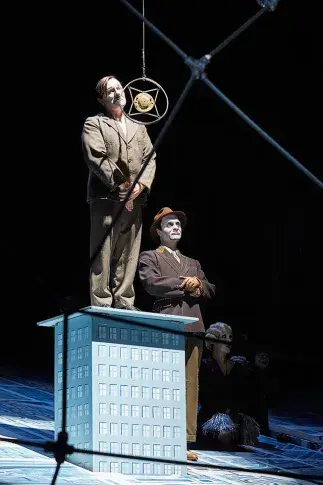
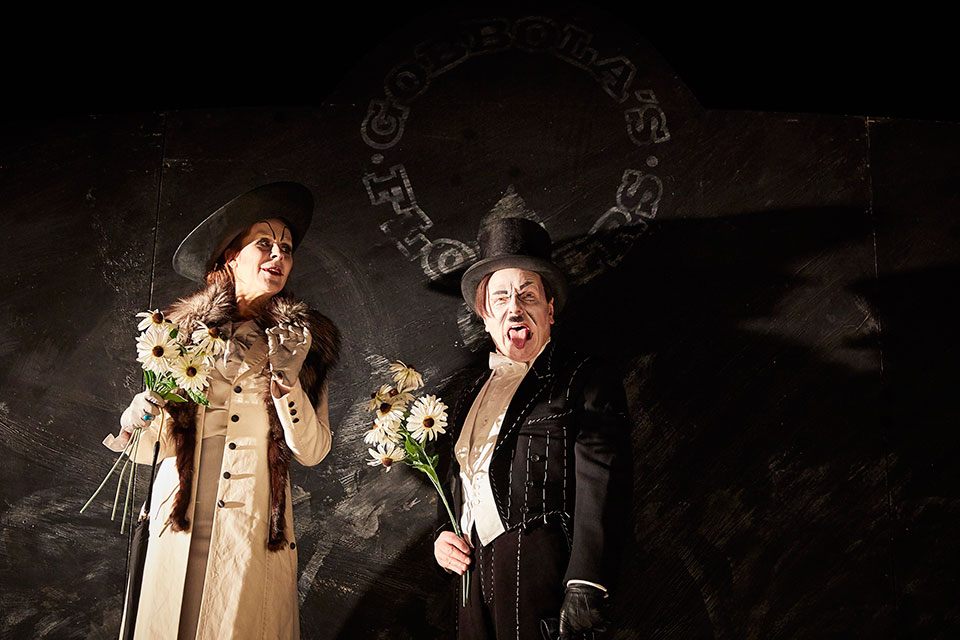
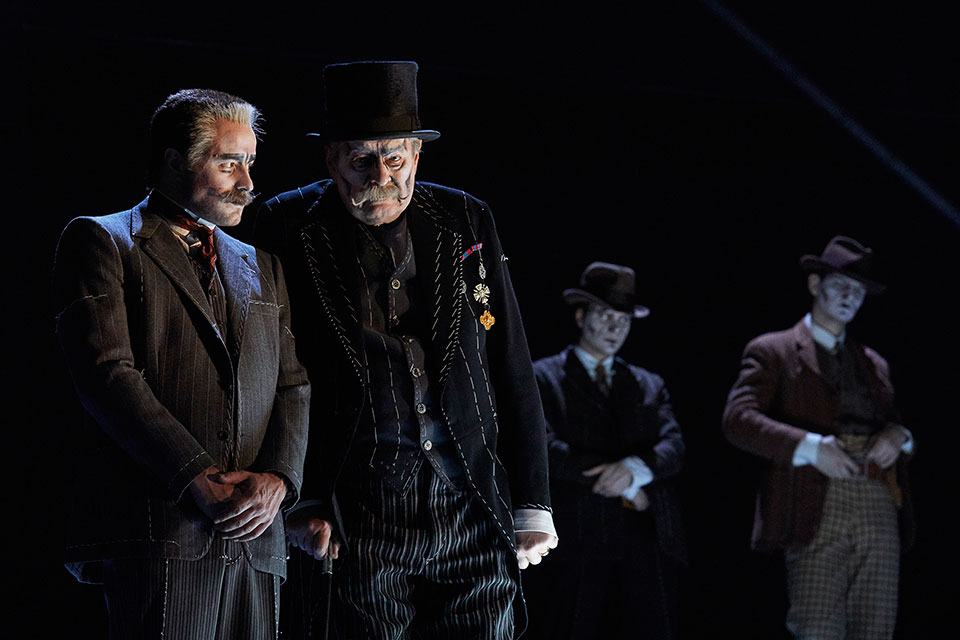
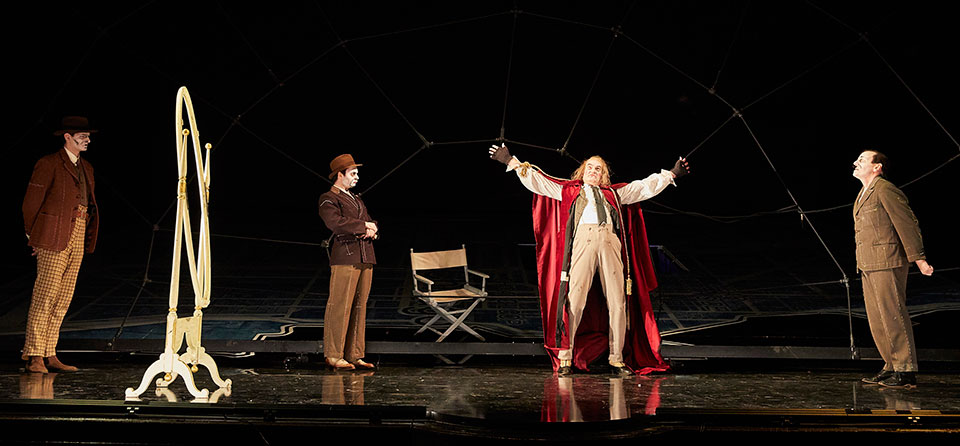
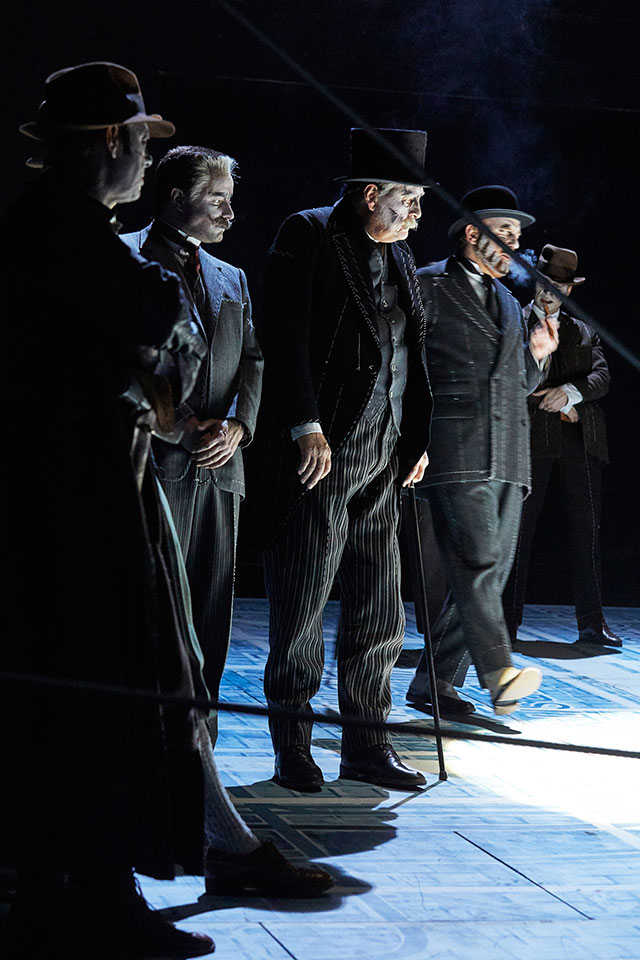
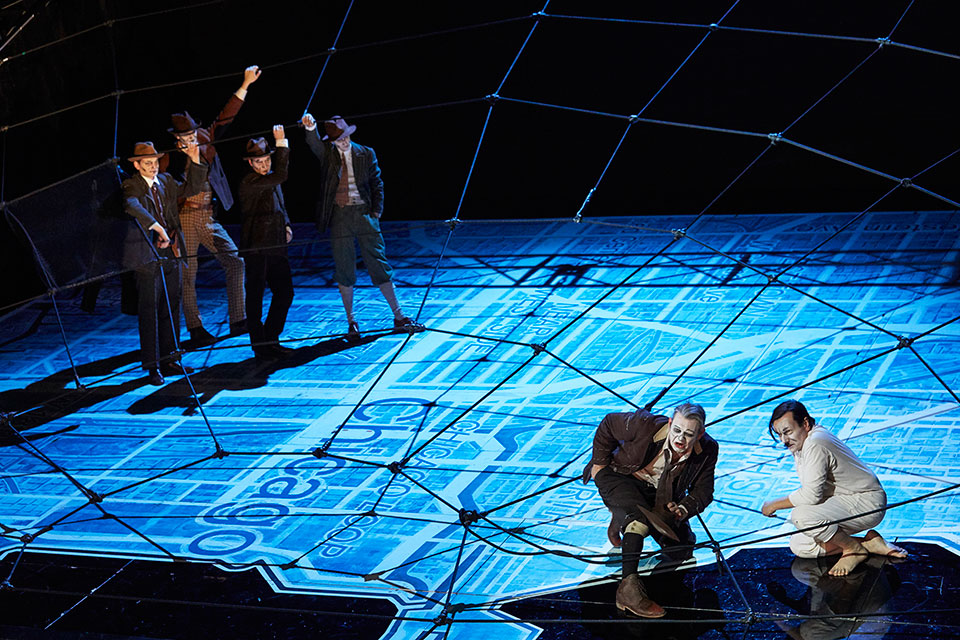
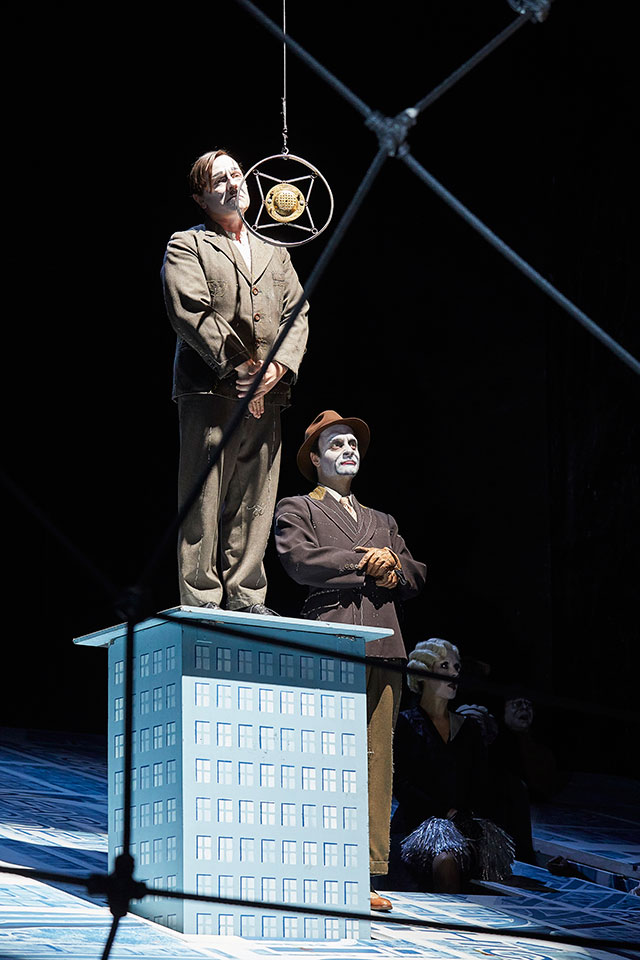
Le dramaturge allemand transpose les mécanismes de l’ascension d’Hitler dans le Chicago des années 1930 avec le trust du chou-fleur en crise. D’Hitler à Al Capone, du nazisme à la pègre, les procédés sont les mêmes : intimidation, chantage, détournement d’argent, menace, meurtre, jusqu'au cours grotesque de diction, chaplinesque, pour mieux haranguer les foules. « Le ventre est encore fécond... », prévient Brecht. Plus de soixante ans après la mort du dramaturge, Arturo Ui traverse l’Histoire et parle toujours au présent. C’est à une figure historique du Berliner Ensemble qu’est confiée, en 2017, l’entrée au Répertoire de La Résistible Ascension d’Arturo Ui. Katharina Thalbach, fille de Benno Besson et de Sabine Thalbach – actrice chez Brecht –, a grandi après la mort de sa mère sous la protection de la troupe, particulièrement d’Helene Weigel, veuve de l’auteur qui lui succéda à la direction du Berliner. Metteure en scène de théâtre et d’opéra reconnue, c’est hors de tout dogmatisme et dans la grande tradition de ces histrions inspirés qu’elle porte le souffle épique de cette « farce politique ».
La période romantique est à bien des égards un âge d’or des échanges interculturels européens. Le théâtre français s’inspire alors de l’œuvre de Shakespeare, mais aussi des romantiques allemands. La fin du siècle et le conflit franco-prussien en 1870 met fin à ces jeux d’influences et d’inspirations mutuelles. La Prusse puis l’Allemagne, nouvel ennemi héréditaire, n’a plus droit de cité sur la première scène française alors que le Répertoire s’ouvre aux dramaturgies anglaises, italiennes et scandinaves dans l’entre-deux-guerres. Le traumatisme du second conflit mondial laisse des traces, mais s’il est vrai que la Comédie-Française interprète peu le répertoire allemand, l’influence se joue désormais davantage sur le terrain de la mise en scène que sur celui des textes.
Après les collaborations anglaises des années 1970, la Comédie-Française monte un spectacle marquant avec l’Allemand Klaus Michaël Grüber.
Il monte une mythique et révolutionnaire Bérénice. Les attaques sont nombreuses contre le spectacle et réveillent à nouveau des rancœurs vieilles d’un demi-siècle. Certains y voient une interprétation magistrale de la tragédie racinienne,une réinvention du vers, d'autres polémiquent sur l'opportunité de confier un chef-d’œuvre du théâtre classique français à un metteur en scène allemand. La Troupe sort grandie de cette expérience et de cette rencontre avec un metteur en scène qui porte une tradition théâtrale différente. D’autres metteurs en scène allemands lui emboîteront le pas : Alexander Lang, Mathias Langhoff, Isabelle Osthues, Lukas Hemleb et Katharina Thalbach.
-
Mise en scène : Katharina Thalbach
Traduction : Hélène Mauler et René Zahnd
Scénographie et costumes : Ezio Toffolutti
Lumières : François Thouret
Travail chorégraphique : Glysleïn Lefever
Son : Jean-Luc Ristord
Arrangements musicaux : Vincent Leterme
Collaboration artistique : Léonidas Strapatsakis
Assistanat à la mise en scène : Ruth Orthmann
Assistanat à la scénographie : Liccia Lucchese
Documents
-
 Télécharger le PDF (1.66 MB)
Programme La Résistible Ascension d’Arturo Ui 17/18
Programme de La Résistible Ascension d’Arturo Ui, de Bertolt Brecht. Mise en scène de Katharina Thalbach, Salle Richelieu (saison 2017/2018). -
 Télécharger le PDF (3.37 MB)
Dossier pédagogique La Résistible Ascencion d'Arturo Ui 17/18
Dossier pédagogique autour de la mise en scène de la Résistible Ascencion d'Arturo Ui par Katharina Thalbach
Casting
-
-
-
Voix off : Éric Ruf, Elsa Lepoivre