Le Cerf et le Chien
from Les Contes du chat perché (The Wonderful Farm) by Marcel Aymé
Directed by Véronique Vella
From 16 November to 7 January

Discover the play
-
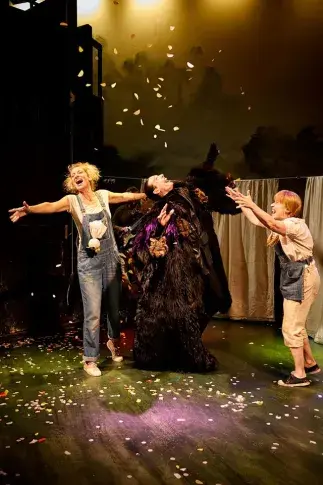
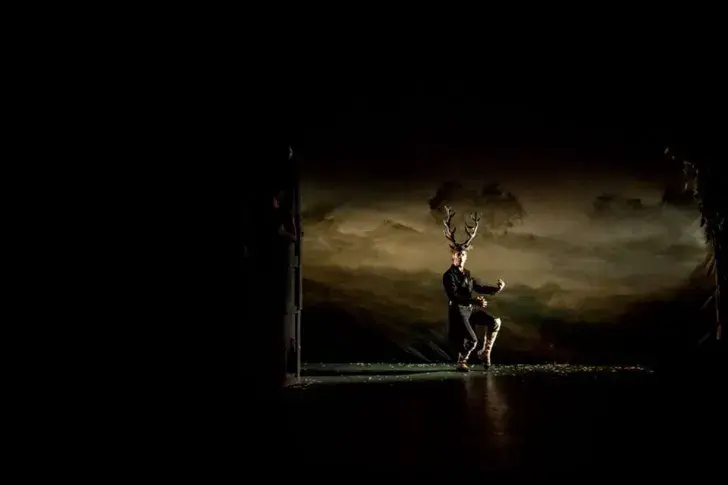
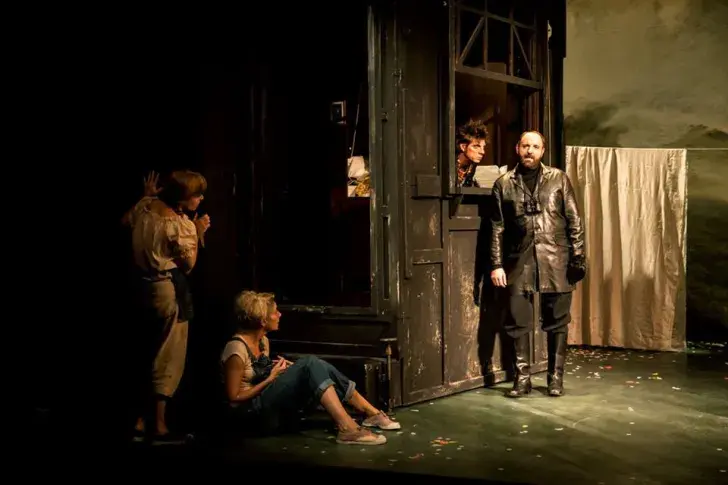
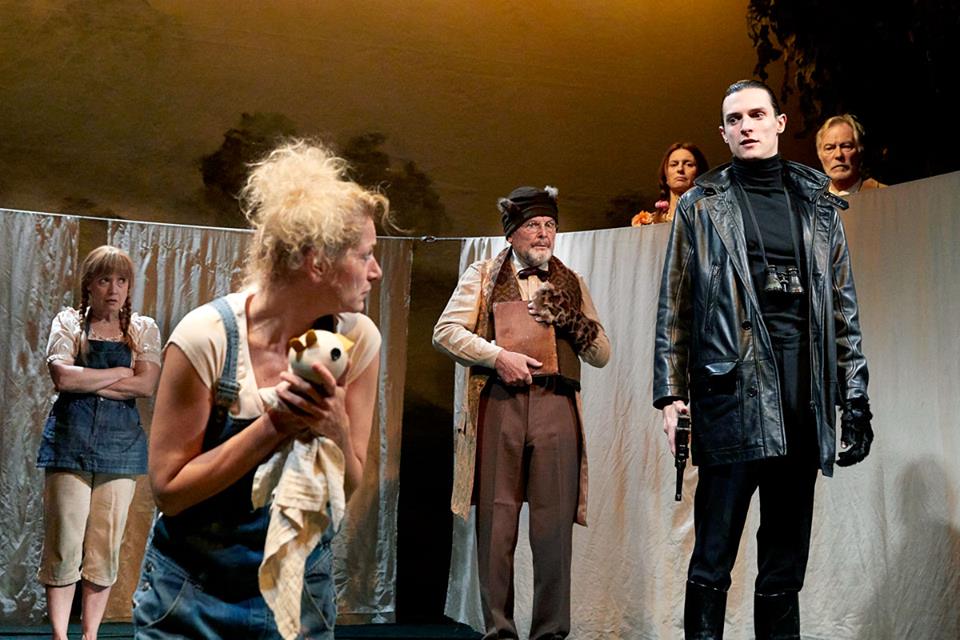
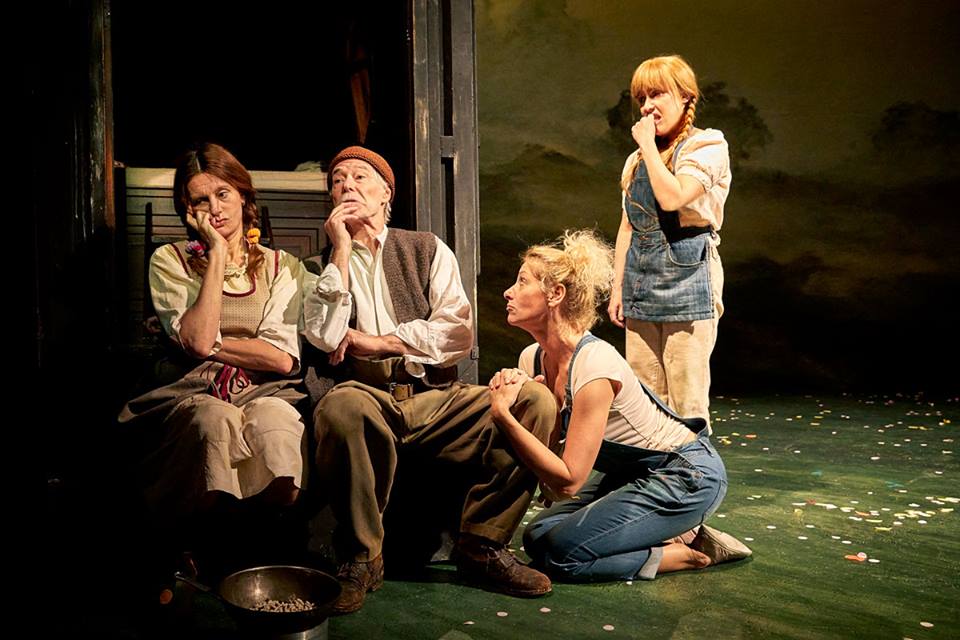
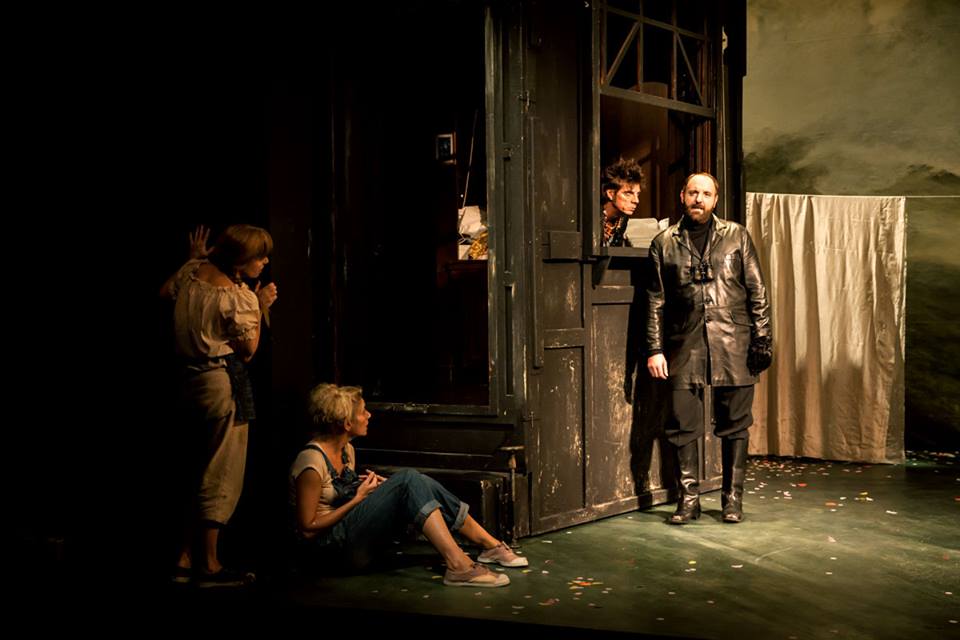
Les fillettes ont grandi, elles ont désormais le droit de sortir sur le seuil de la maison, vont même découvrir la forêt... L’atmosphère confinée du logis aux règles strictes et austères est rompue par leur rencontre avec un autre animal sauvage, un cerf – beauté suprême de la nature.
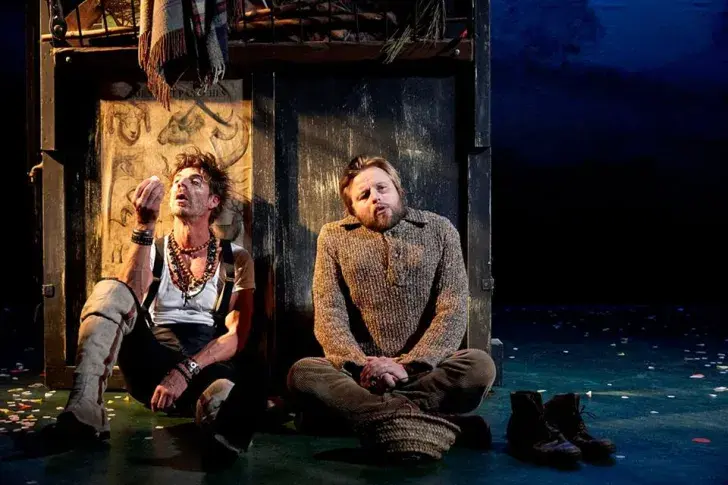
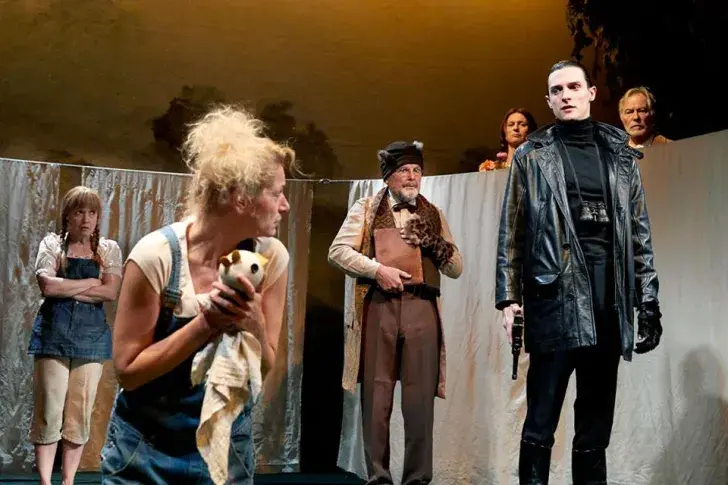
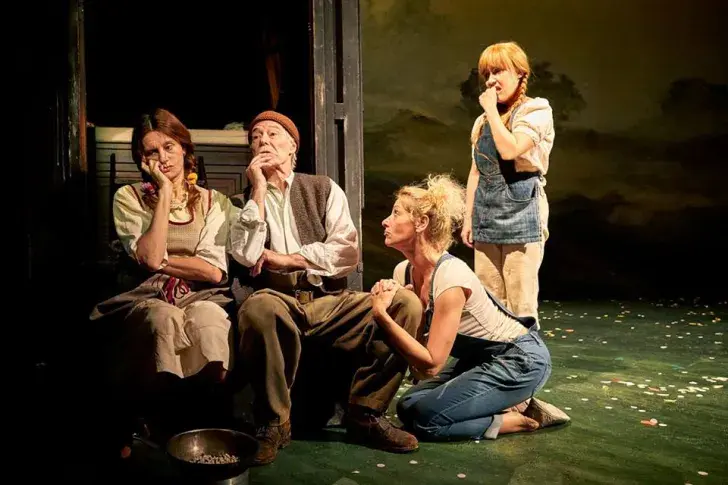
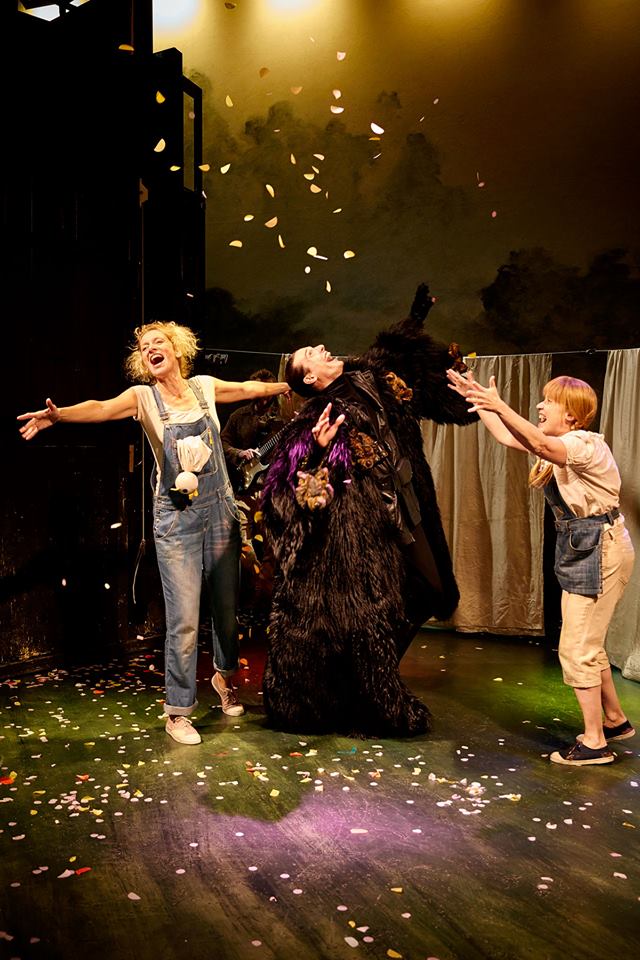
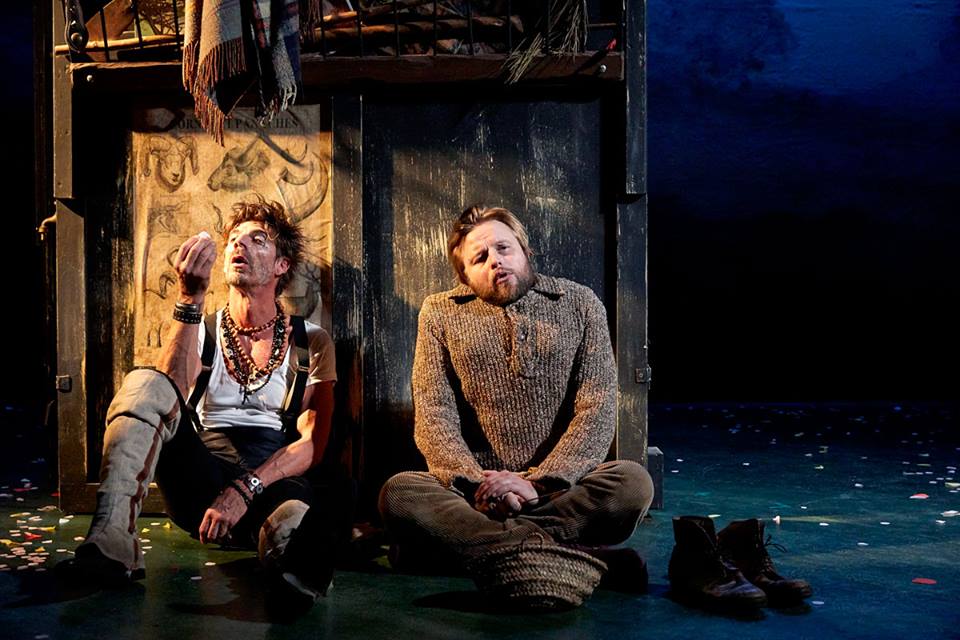
De ses contes qui donnent la parole aux animaux, Marcel Aymé précise qu’ils « ne visent pas sérieusement à donner l’illusion de la réalité ». L’histoire du cerf prêt à se laisser apprivoiser par les fillettes s’entrelace avec celles du bœuf et du chien Pataud, formant un scénario qui donne lieu à une série d’événements et autant de réflexions sur la normalité, l’amitié, le labeur, la soumission ou la liberté. Leurs aventures sont aussi l’occasion de croiser théâtre et chansons. « Les enfants ne sont pas « des spectateurs de demain » qu’il faudrait former à la réception des œuvres « sérieuses » qu’ils verront plus tard », dit Véronique Vella, « c’est un public à part entière, et le théâtre qu’on leur présente, loin d’être édifiant, doit être comme eux : d’ici et de maintenant. Le Cerf et le Chien est résolument un conte sur la tolérance. Chacun accepte d’altérer sa vérité pour vivre en harmonie avec les autres. À l’époque que nous traversons, il n’est pas inutile de rappeler ce genre de principes. »Les bêtes de scène ont, par leur simple évocation, envahi le plateau dès l’Antiquité. À la Comédie-Française, lorsqu’un animal, le plus souvent fauve ou oiseau, fait les gros titres au XIXe et au début du XXe siècle, c’est pour illustrer par l’image le caractère des protagonistes, comme Maman colibri d’Henry Bataille. Et sil’auteur dote de parole un personnage animal, des artifices doivent donner l’illusion de l’animalité, du costume naturaliste (La Forêt mouillée, 1930) au masque esthétisant (Les Fables de La Fontaine, 2004).
À partir du XXe siècle, l’animalité, plus présente sur les plateaux, l’est notamment en chair et en os. De nombreux animaux,domestiqués ou non, qui jouent un rôle accessoire ont, pour plus de vraissemblance,foulé le plateau et volé dans la cage de scène : chiens, chevaux, canards,papillons, pigeons, canaris...
Bêtes sur scène ou bêtes de scène, l’animal et le comédien amènent le spectateur à méditer sur sa propre bestialité et son humanité.
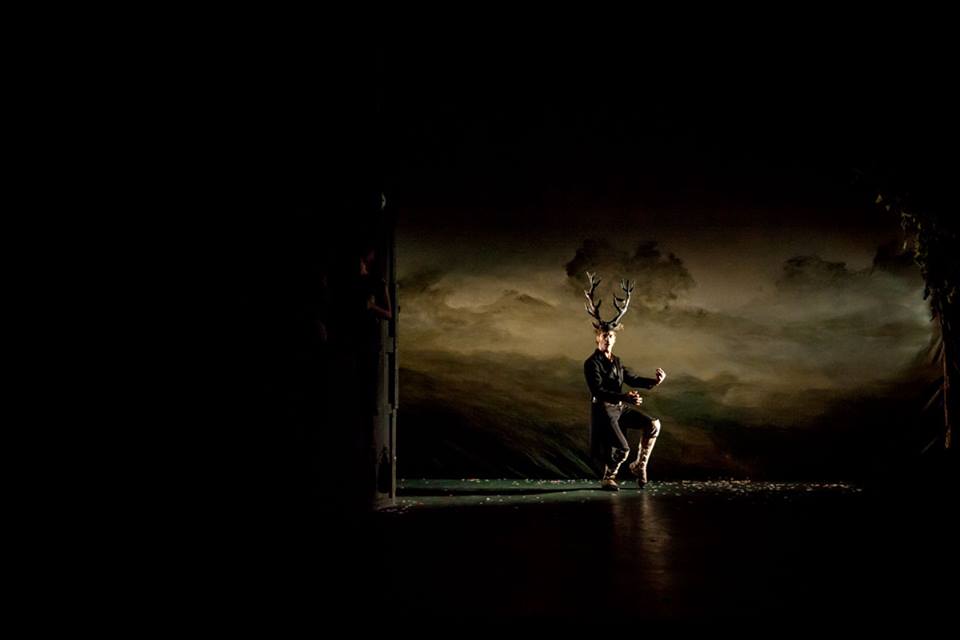
La porosité entre animalité et humanité peut être rendue plus perméable par le metteur en scène qui en exploite les potentialités ludiques, en transposant par exemple la ville idéale de Coucou-les-Nuées (Les Oiseaux, 2009) sur la place Colette, devant la Comédie-Française (Coucou-sur-scène) où se sont établis les « comedienzeaux ».De même, la scène fait l’animal lorsque le comédien se métamorphose en verrat par la seule illusion du jeu théâtral (Mystère bouffe et fabulage, 2010). La bestialité décelable dans le costume est parfois inexistante ou réduite au strict minimum des caractères éternellement identifiables : la queue en tire-bouchon (Les Trois petits cochon, 2012), la main couverte de fourrure, les bois et la pelisse (Le Loup, Le Cerf et le Chien de Marcel Aymé, 2009 et 2016), la gestuelle de l’acteur achevant la métamorphose.
-
Mise en scène : Véronique Vella
Scénographie : Julie Camus
Costumes : Isabelle Benoist
Lumières : Gaëlle de Malglaive
Réalisation sonore : Jean-Luc Ristord
Musiques originales : Vincent Leterme
Couplets additionnels : Lucette-Marie Sagnières
Collaboratrice artistique : Raphaëlle Saudinos
Assistanat à la mise en scène : Juliette Damy
Documents
-
 Télécharger le PDF (1.66 MB)
Programme Le Cerf et le Chien 17/18
Programme de : Le Cerf et le Chien, de Marcel Aymé. Mise en scène de Véronique Vella au Studio-Théâtre (saison 2017/2018). -
 Télécharger le PDF (5.37 MB)
Programme jeune public Le Cerf et le Chien 17/18
Présentation, jeux et activités autour du texte Le Cerf et le Chien, Les Contes du chat perché, de Marcel Aymé. Mise en scène de Véronique Vella au Studio-Théâtre (saison 2017/2018).