Les Ondes magnétiques
Directed by David Lescot
From 23 May to 1st July

Discover the play
-
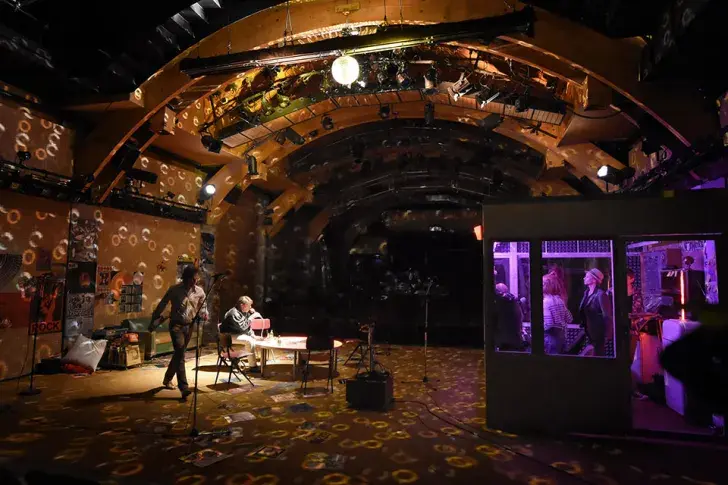
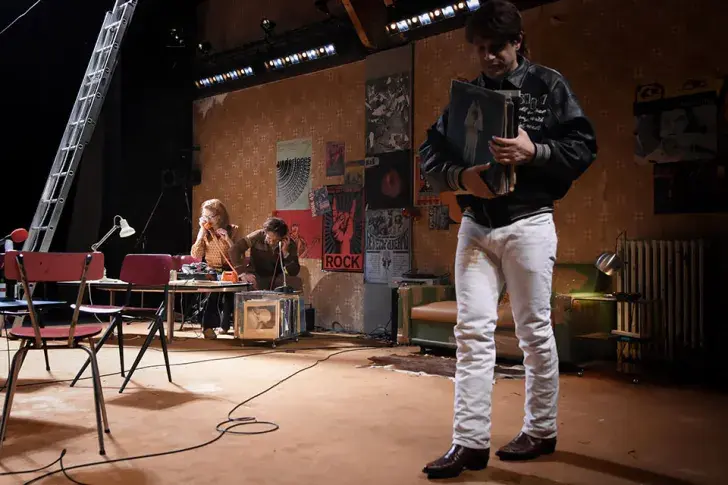
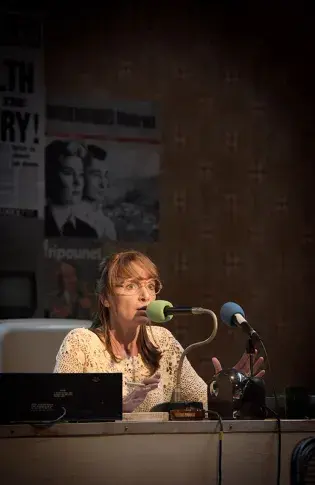
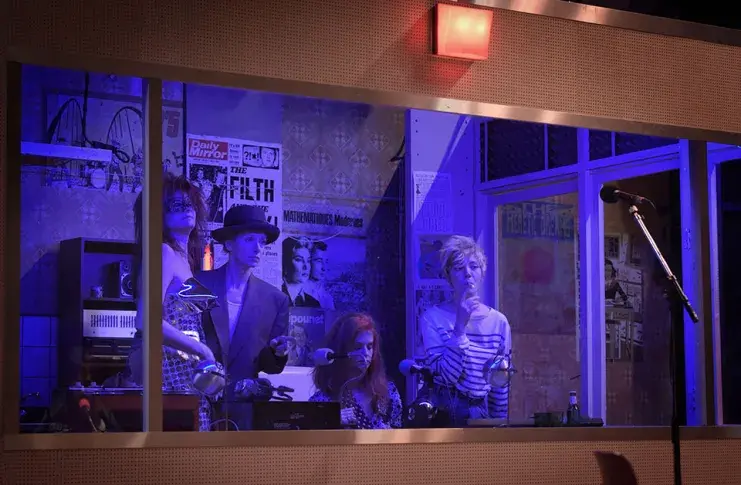
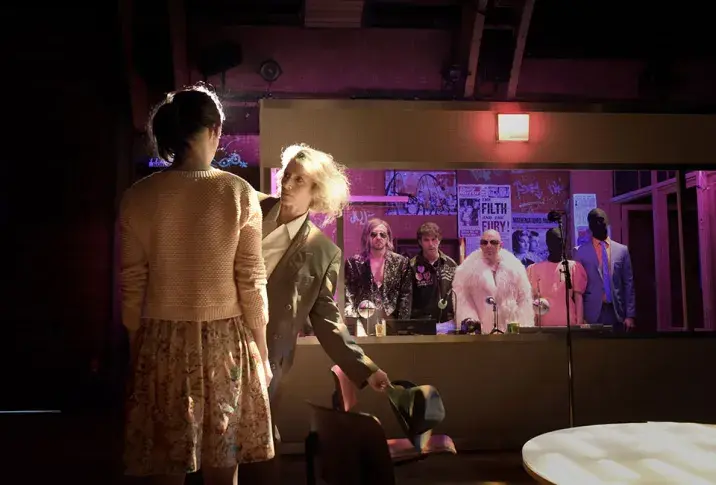
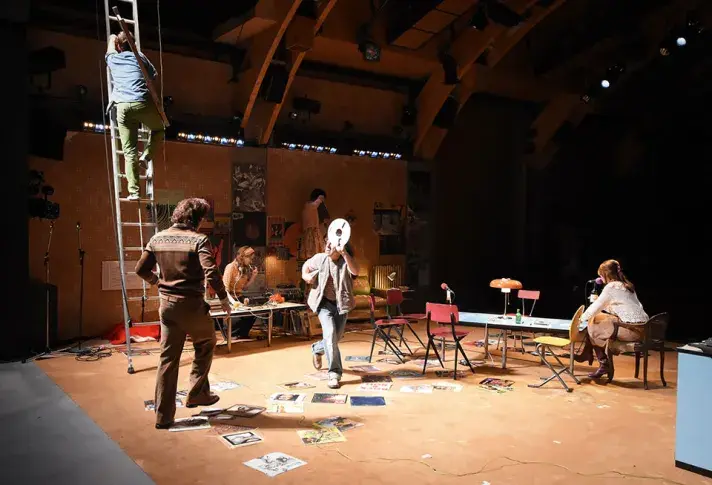
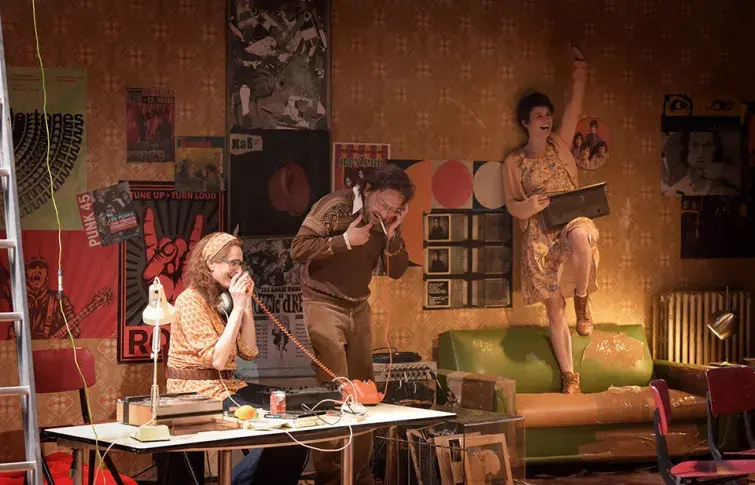
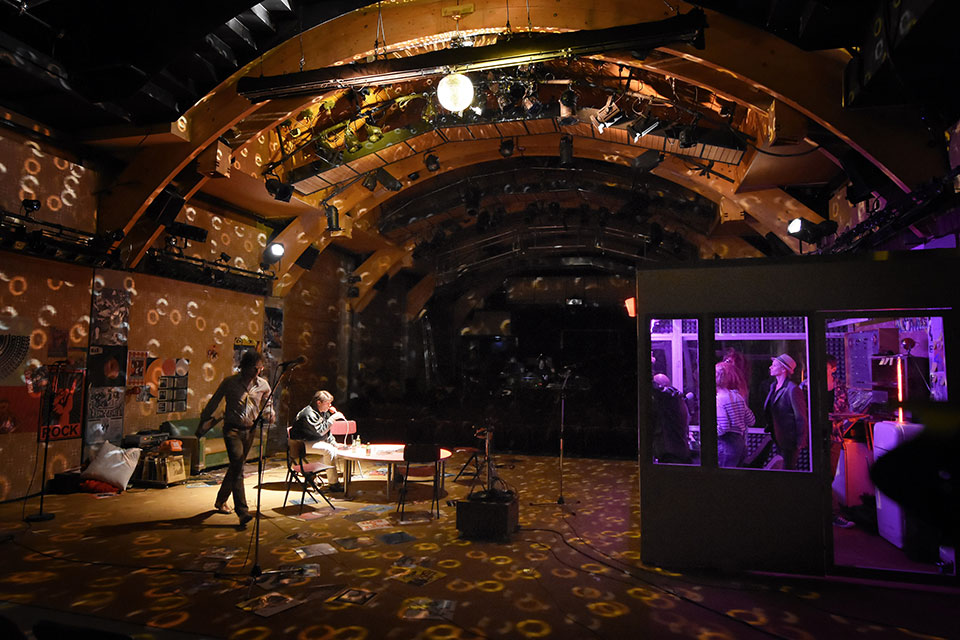
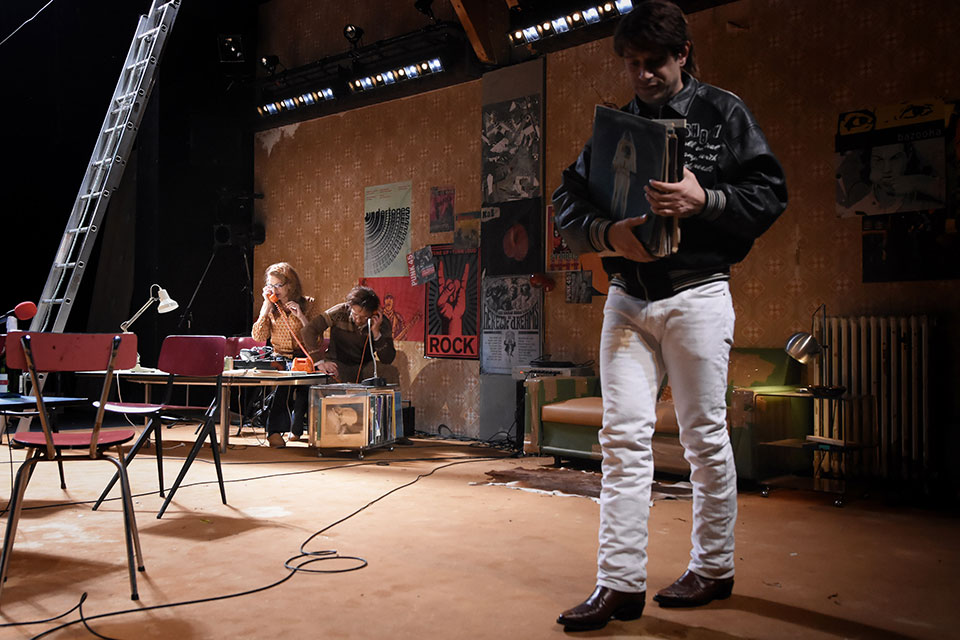
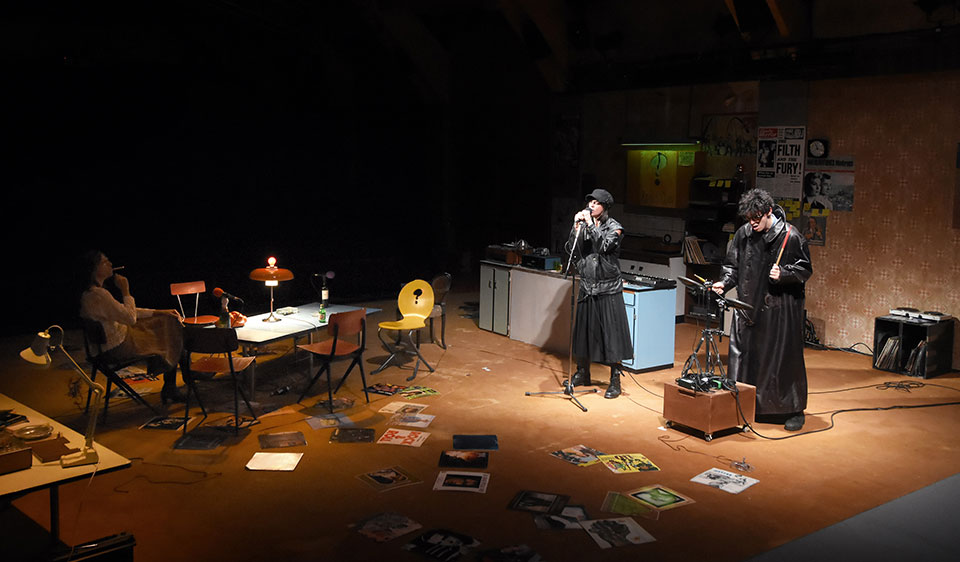
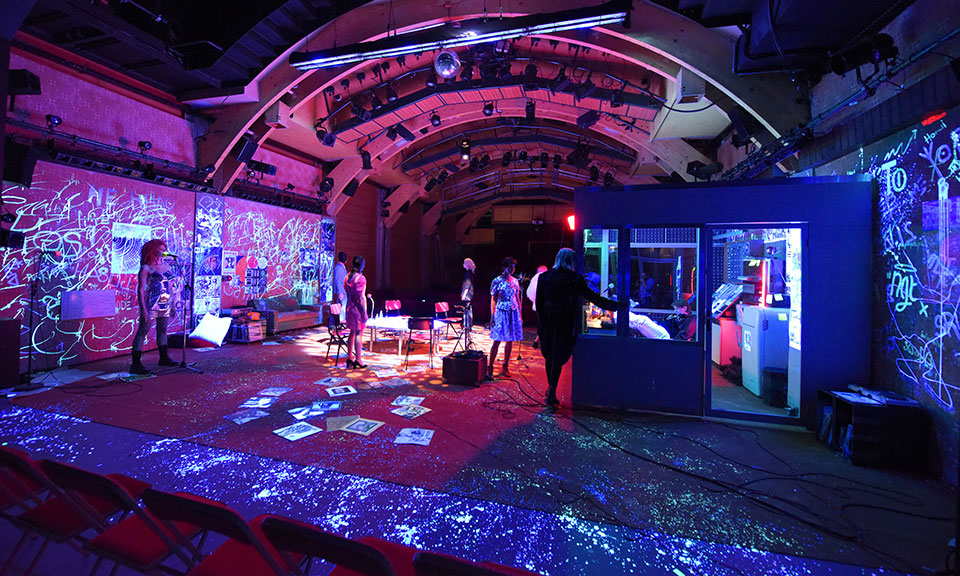
Nouvellement élu Président de la République, François Mitterrand met fin au monopole d’État de la radiodiffusion instauré à la Libération. Depuis son élection, les radios pirates foisonnent, un an plus tard près de 2 000 radios libres sont recensées.
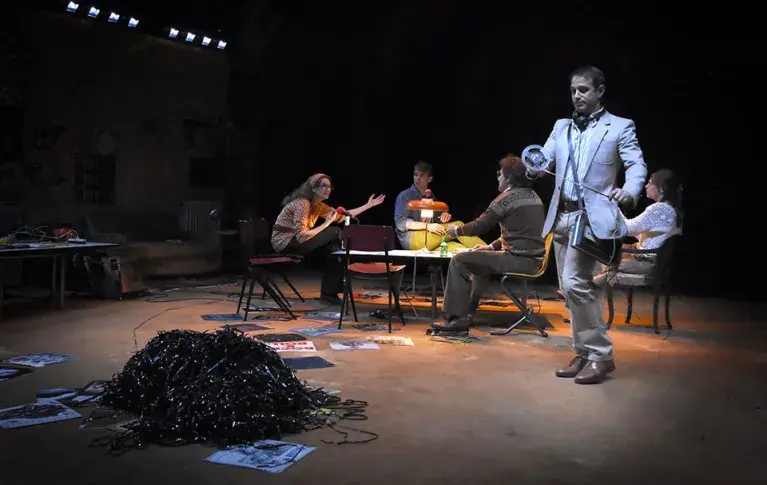
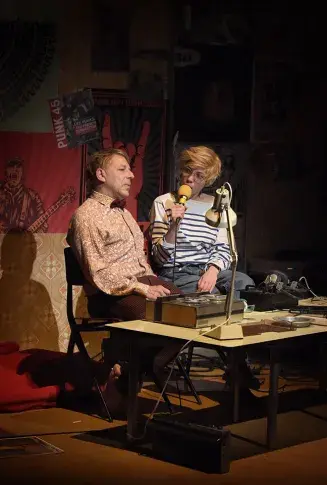
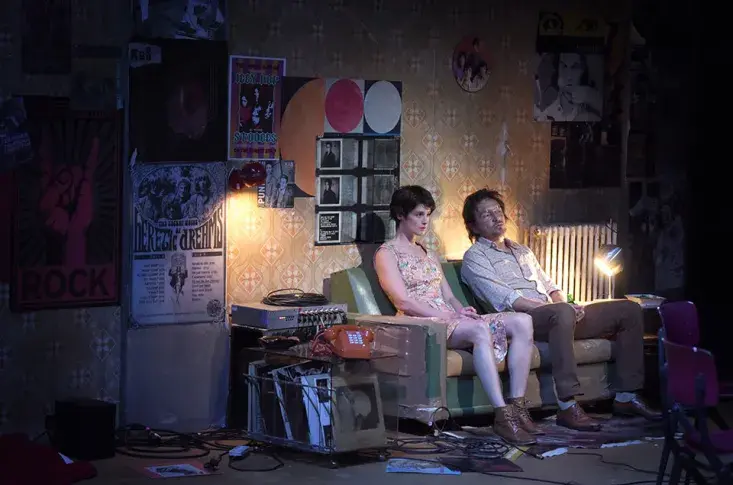
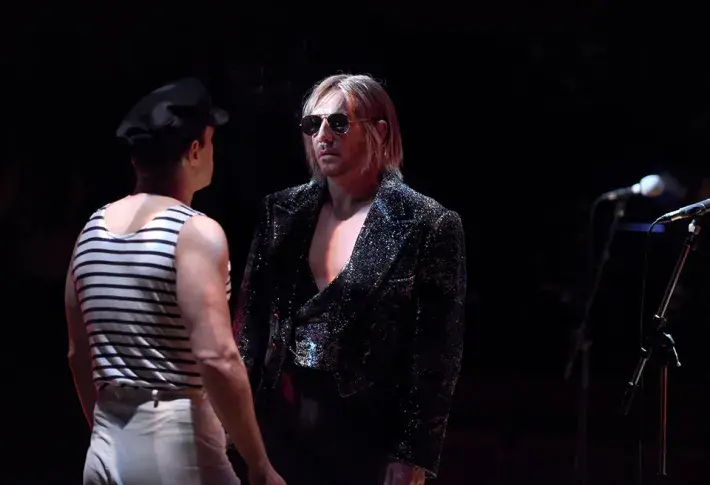
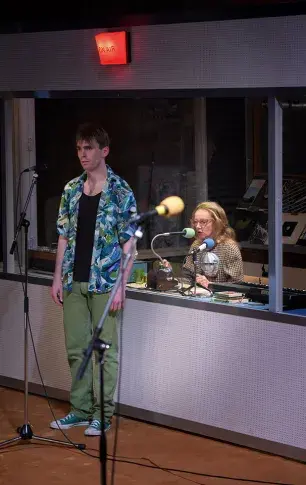
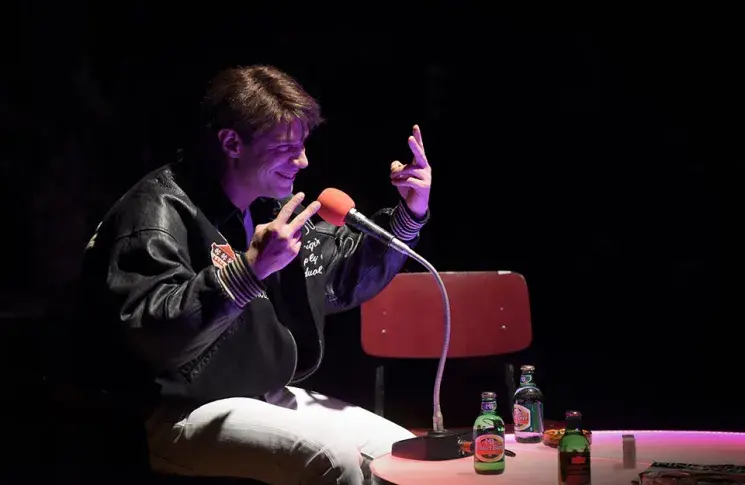
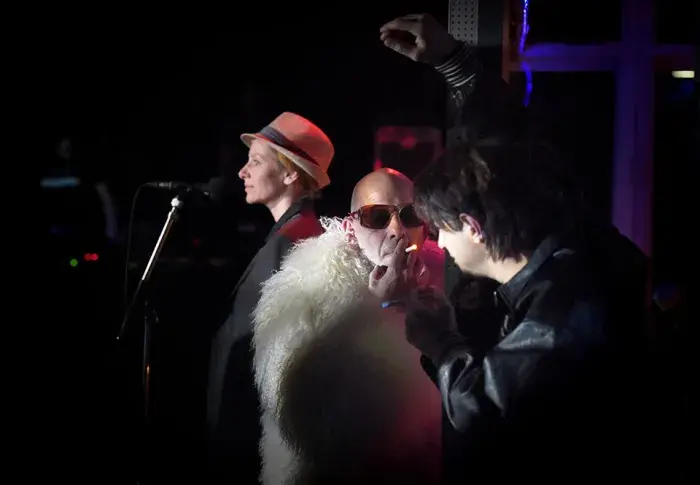
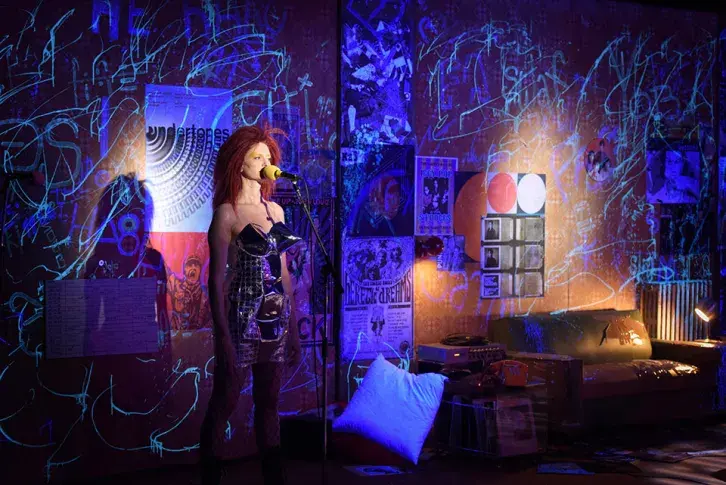
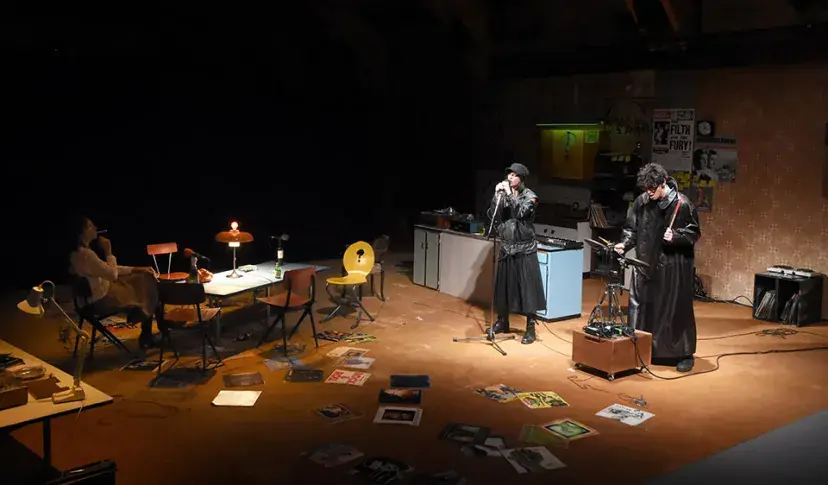
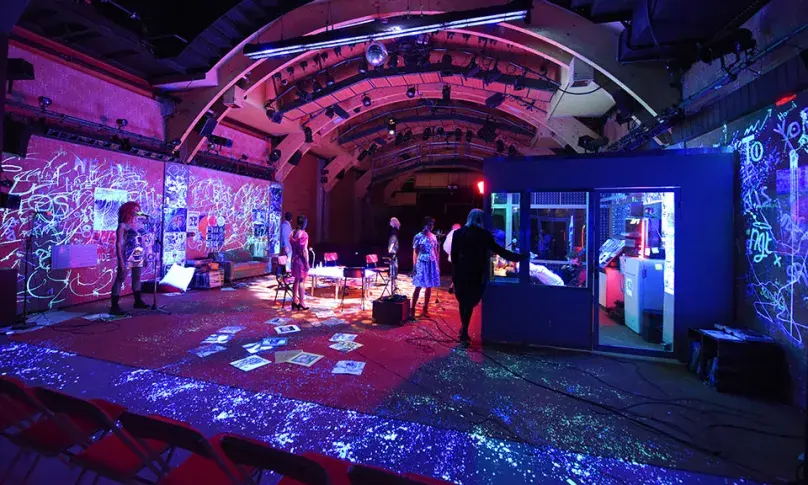
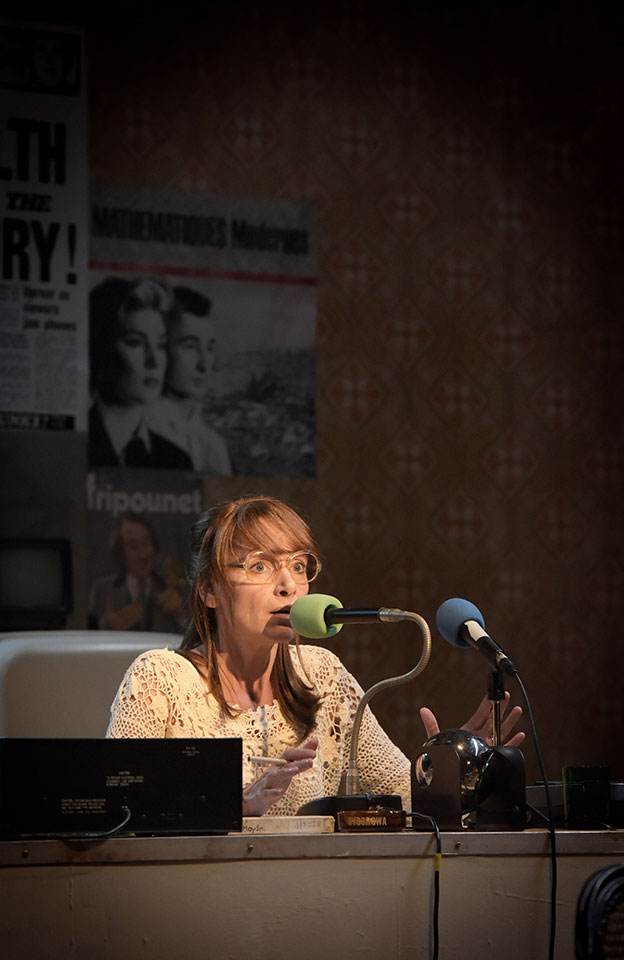
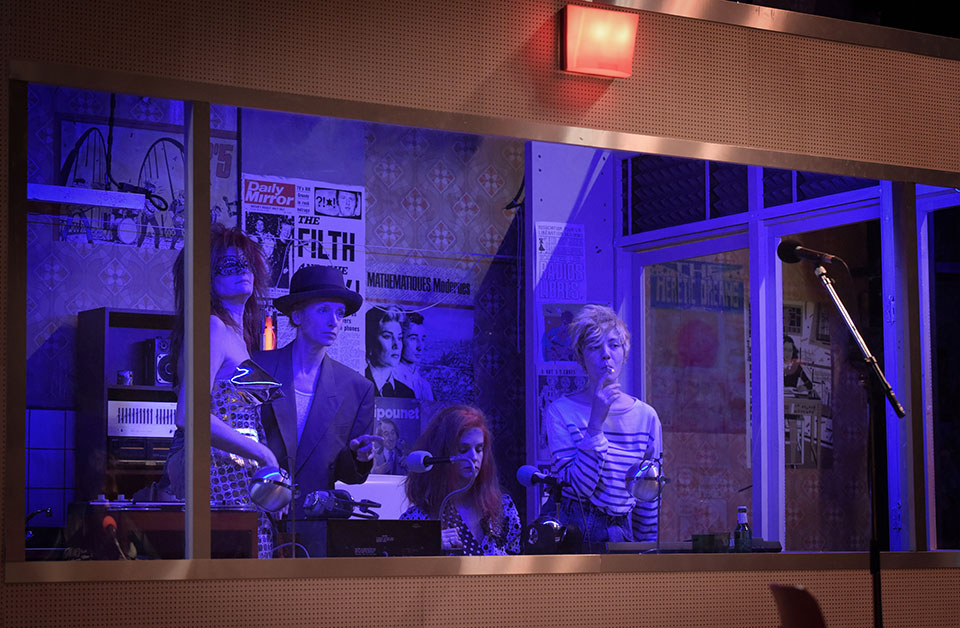
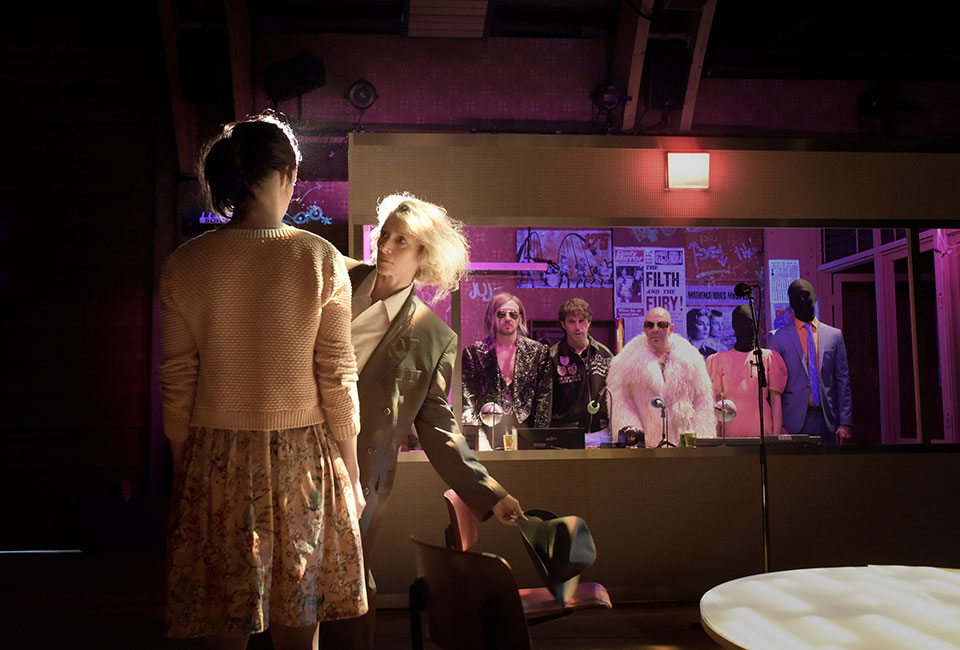
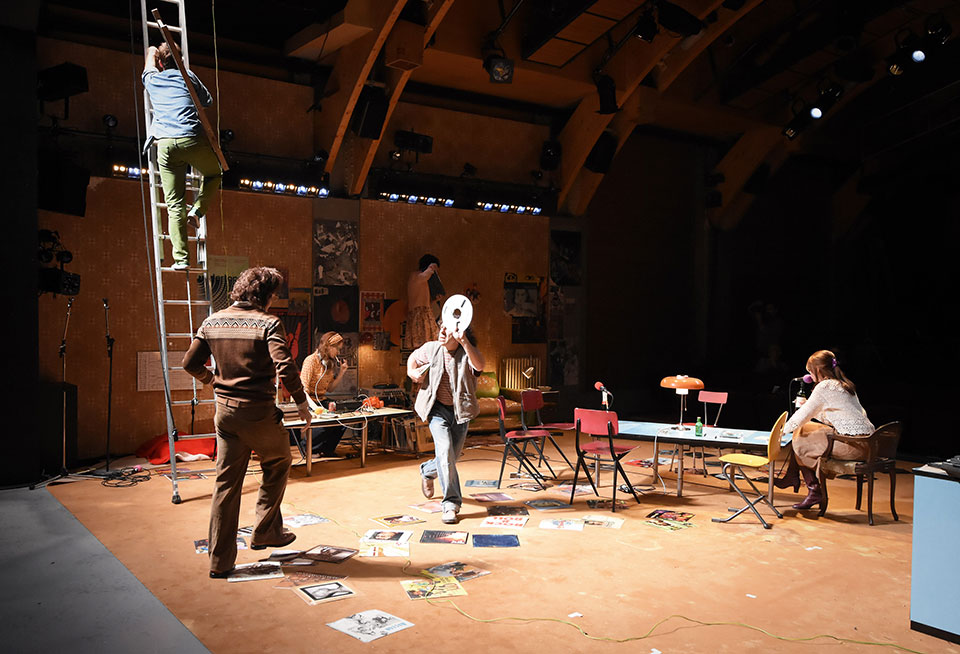
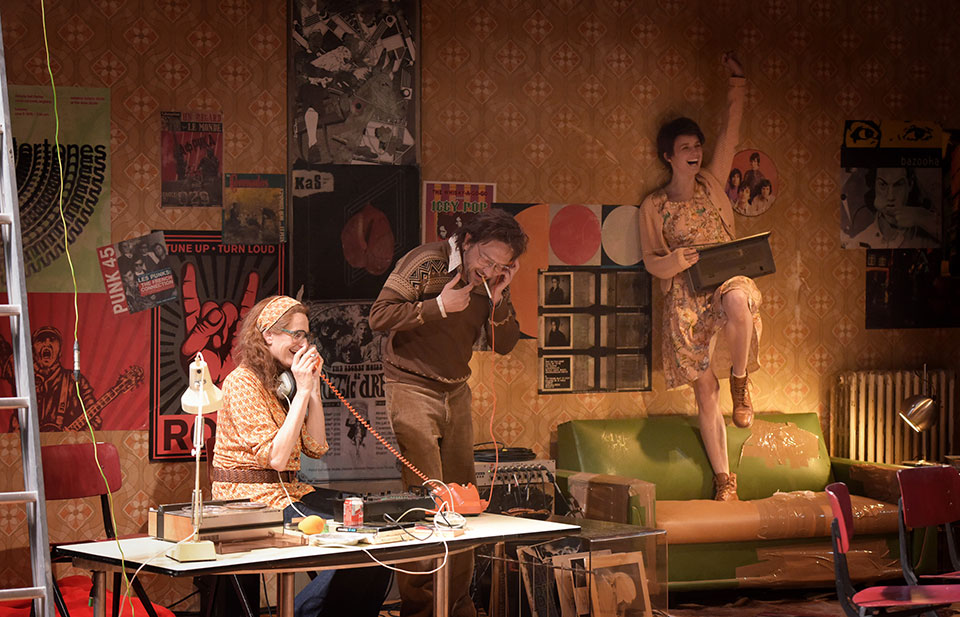
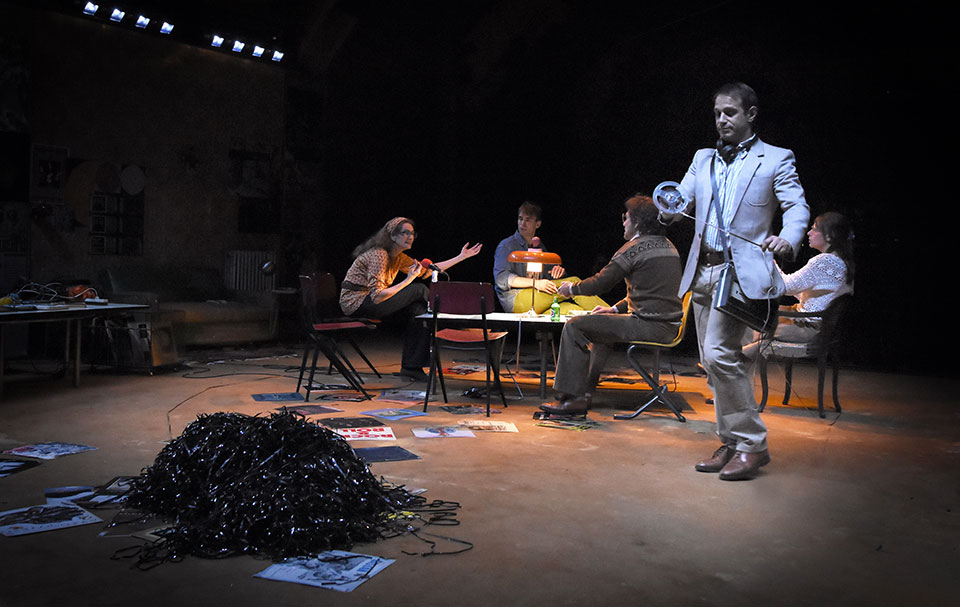
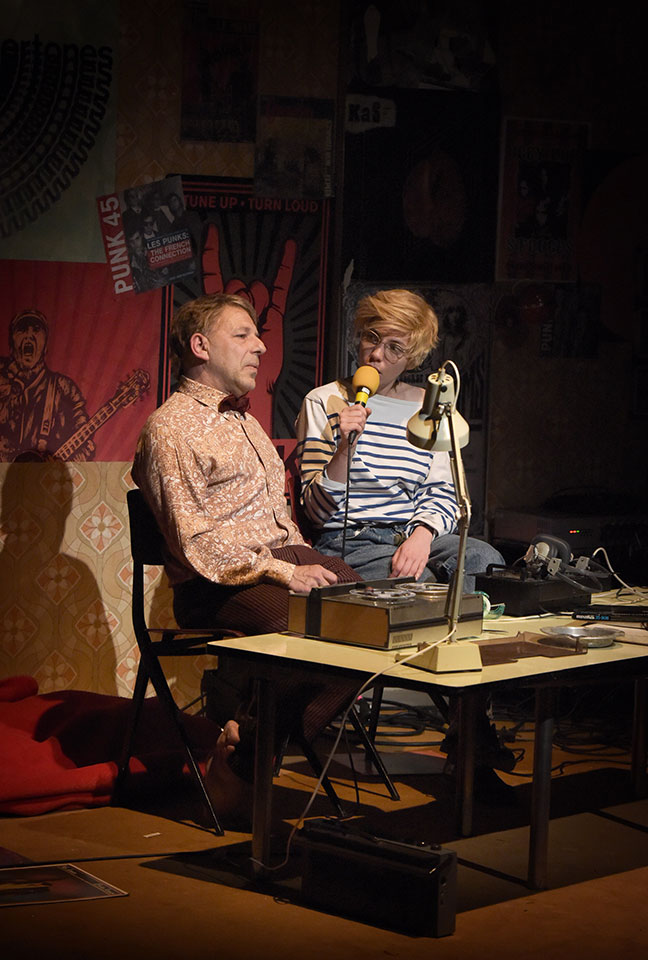
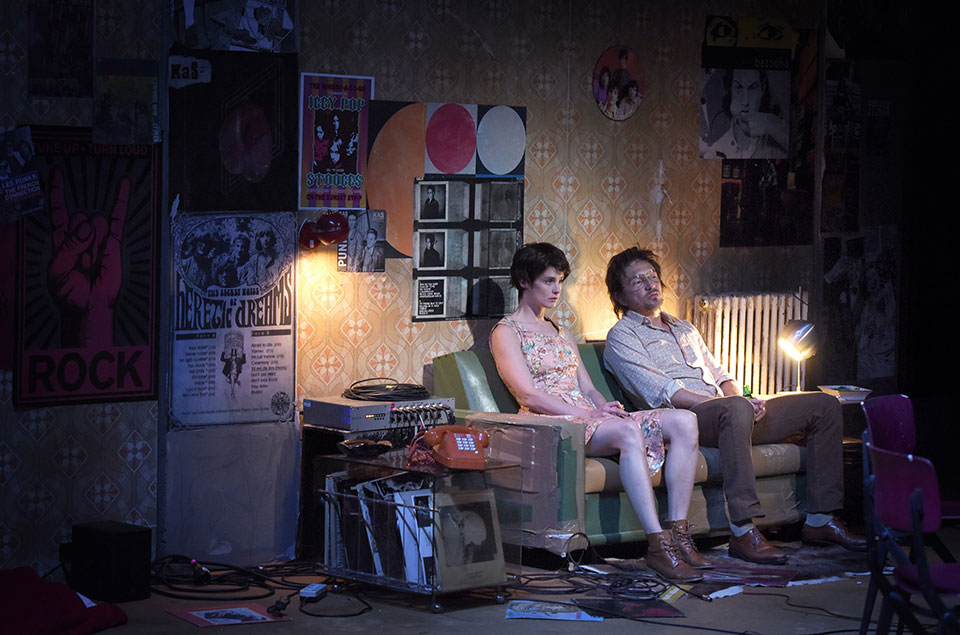
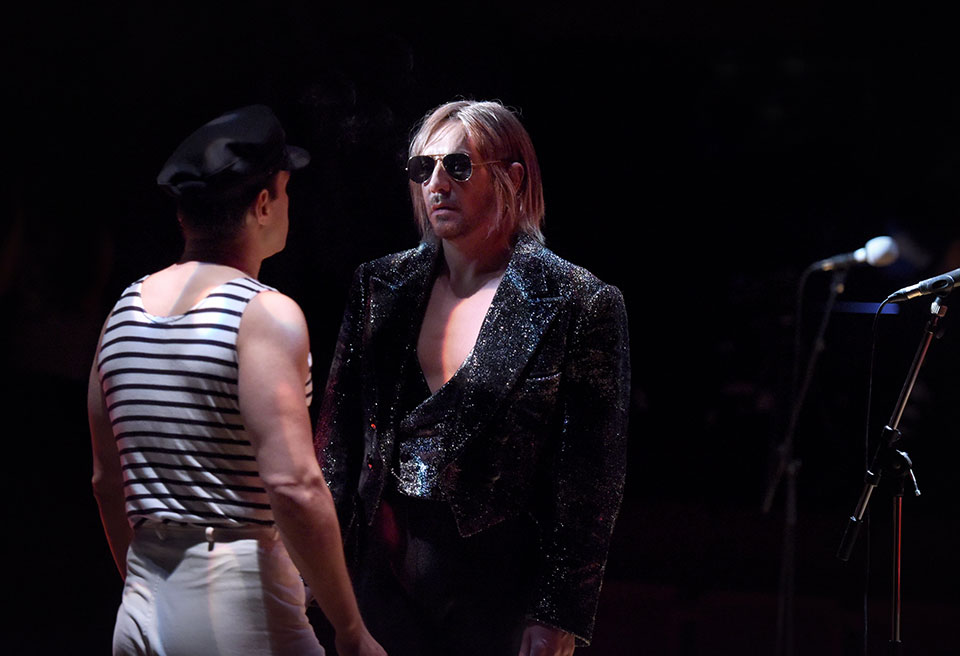
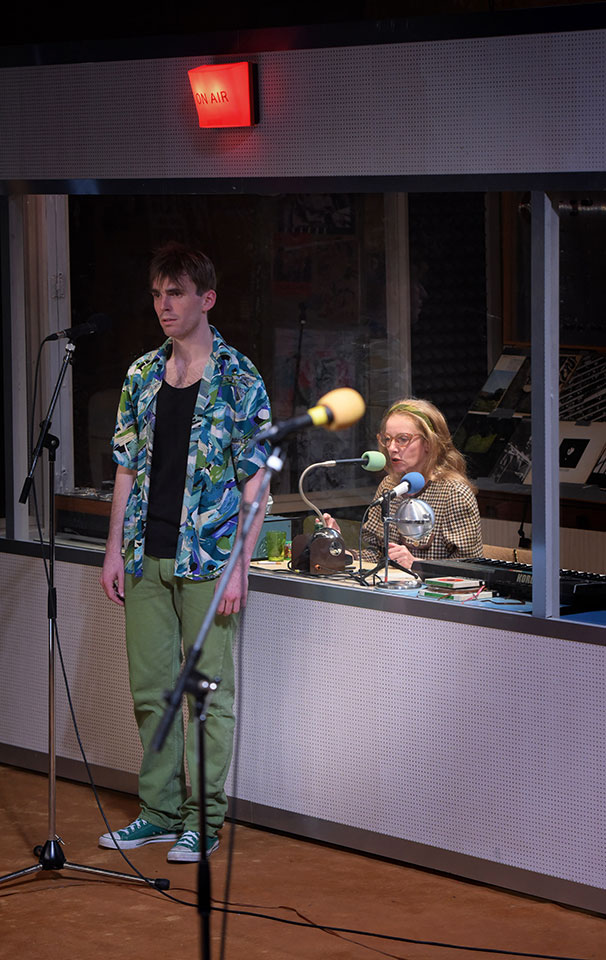
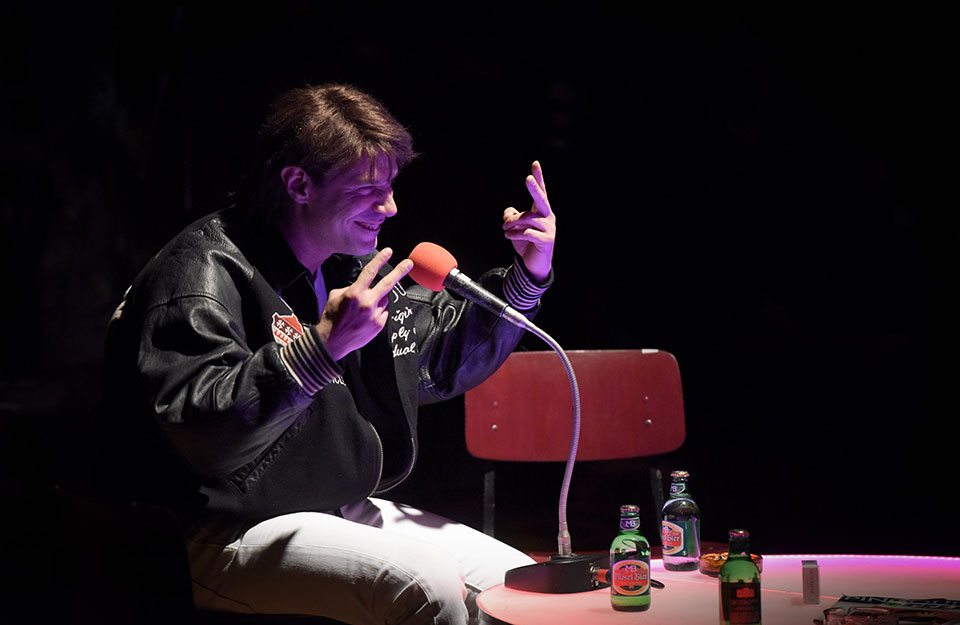
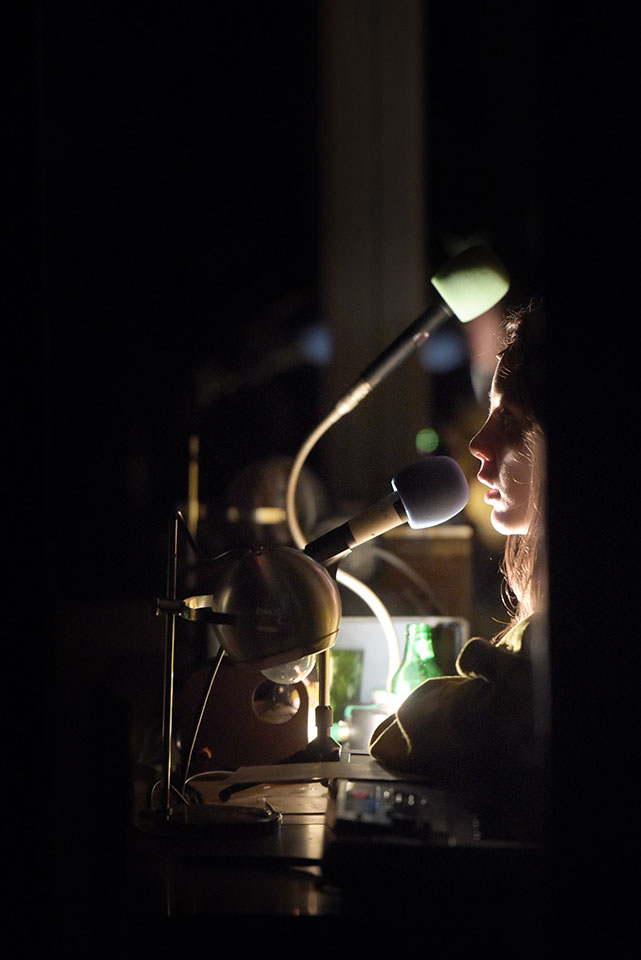
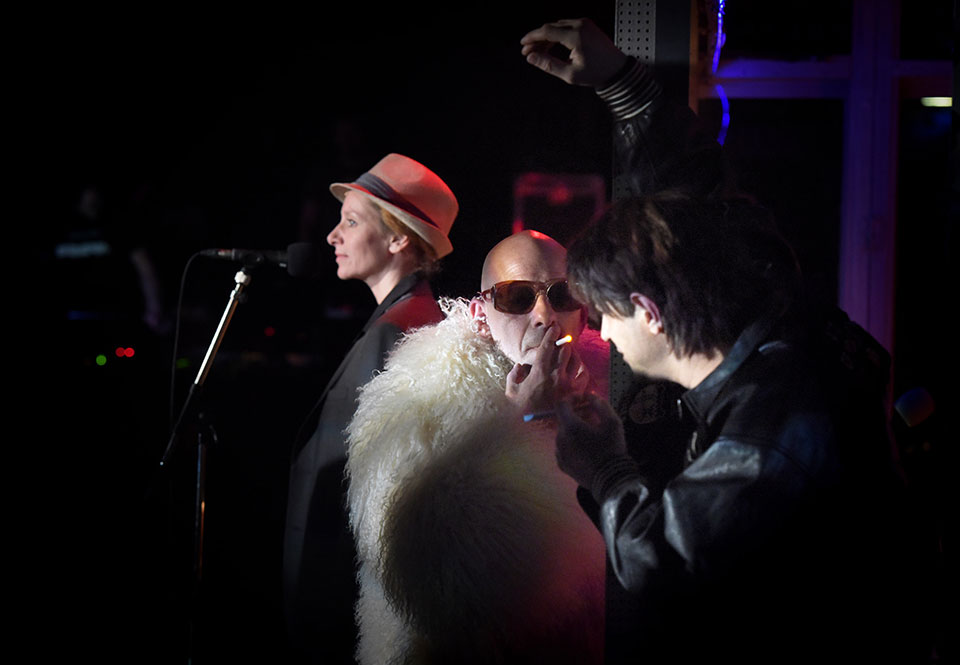
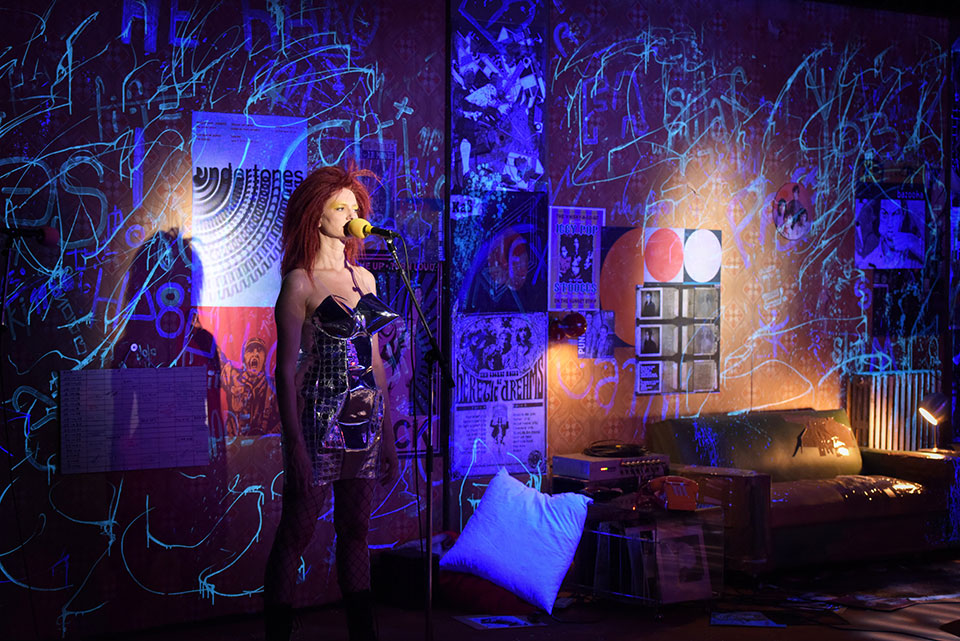
L’auteur et metteur en scène David Lescot peint, à travers la révolution des ondes, l’état d’esprit du début des années 1980, les trois premières années de la gauche au pouvoir en France jusqu’au tournant de la rigueur : « utiliser la scène pour créer une radio libre, sa création clandestine, son existence interdite puis légale, sa mutation. Comment l’histoire de la France de cette époque et celle du destin des radios se superposent, comment on peut raconter l’une à travers l’autre. Raconter cette époque utopique, fantasmée, c’est aussi choisir une certaine distance pour nous regarder nous-mêmes. » Après avoir adapté Les Derniers Jours de l’humanité de Karl Kraus en 2016 au Théâtre du Vieux-Colombier, David Lescot retrouve la Troupe avec un texte spécialement écrit pour elle et décrypte l’air d’un temps, celui de sa jeunesse, « tel un manifeste esthétique où l’art et la vie se mêlent indissociablement » annonce-t-il. À l’heure où Internet est devenu un nouvel emblème, qu’en est-il de nos utopies et de cette grande vague de la libération des ondes ?Le texte de la pièce est à paraître aux éditions Actes Sud-Papiers le 23 mai 2018
En collaboration avec la Compagnie du KaïrosVous pouvez retrouver dans le théâtre permanent la note d'intention de David Lescot et découvrir la playlist des années 80 pensée par l’équipe artistique.
Mardi 12 juin à l’issue de la représentation :
Rencontre avec le public
en présence de David Lescot, auteur et metteur en scène ; Anaïs Kien, conseillère historique ; et des membres de l’équipe du spectacle.
Entrée libre à 21h.L’histoire de la Comédie-Française dans les années 1981-1984 est symptomatique du tournant qui s’opère à cette époque. En 1983, au terme du mandat de Jacques Toja, François Mitterrand nomme, sur proposition de son ministre de la culture Jack Lang, Jean-Pierre Vincent au poste d’administrateur général de la Comédie-Française.
> Diriger la maison depuis le plateau
Il insuffle un vent nouveau : premier administrateur metteur en scène, premier artiste issu de la décentralisation nommé à ce poste, il impulse un bouillonnement d’idées, de réflexions, dont la revue de la Comédie-Française est la voix, des projets ambitieux, la collaboration avec de grands artistes… à l’issue de quoi il renonce à briguer un second mandat.
Le projet de David Lescot s’inscrit dans ce moment historique, les trois premières années de François Mitterrand au pouvoir,pour raconter à travers la création d’un média éphémère, les radios libres,l’état d’esprit d’une époque.
-
Mise en scène : David Lescot
Scénographie : Alwyne de Dardel
Costumes : Mariane Delayre
Lumières : Paul Beaureilles
Musique originale : Anthony Capelli et David Lescot
Son : Anthony Capelli
Maquillages et perruques : Catherine Bloquère
Collaboration artistique : Linda Blanchet
Conseil historique : Anaïs Kien
Assistanat à la scénographie : Gala Ognibene
Documents
-
 Télécharger le PDF (2.54 MB)
Programme Les Ondes Magnétiques 17/18
Programme des Ondes Magnétiques, de David Lescot. Mise en scène David Lescot. Théâtre du Vieux-Colombier (saison 2017/2018).
Casting
-
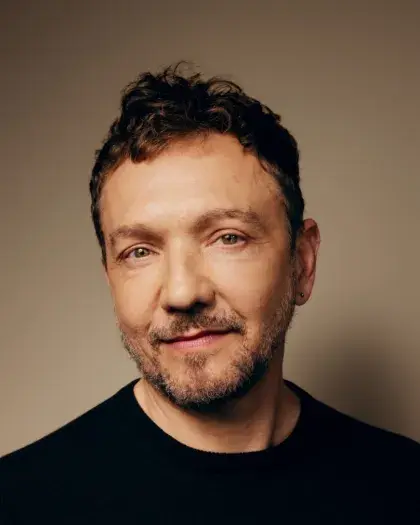 Flavius, pionnier de Radio Quoi ; L'acteur doté d'une voix de droite ; Le dandy décadent de Radio Vox
 Maroussia, voix de Radio Quoi ; Léa/Hans, personnalité androgyne de Radio Vox ; Bérangère de Varengeville, animatrice de Radio Solidaire
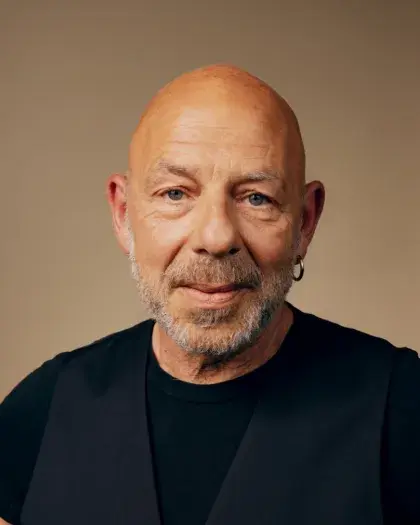 Boulack, ingénieur du son de Radio Quoi ; Antonio Furioso, homme à rien faire de Radio Vox ; Le Boss, patron de Radio Vox
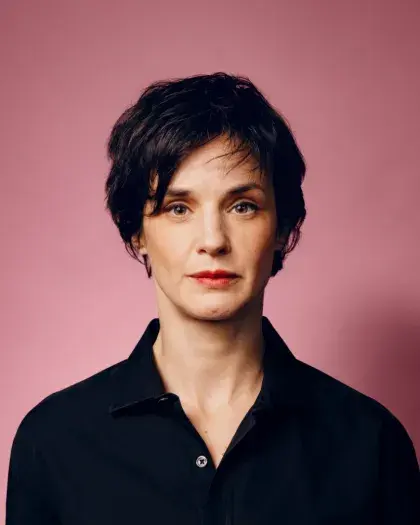 Nadèje, jeune femme traînant sur Radio Quoi ; Lola Moon, animatrice de Radio Vox ; La chanteuse du groupe Makhnovtchina