Phèdre
Directed by Louise Vignaud
From 29 March to 13 May

Discover the play
-
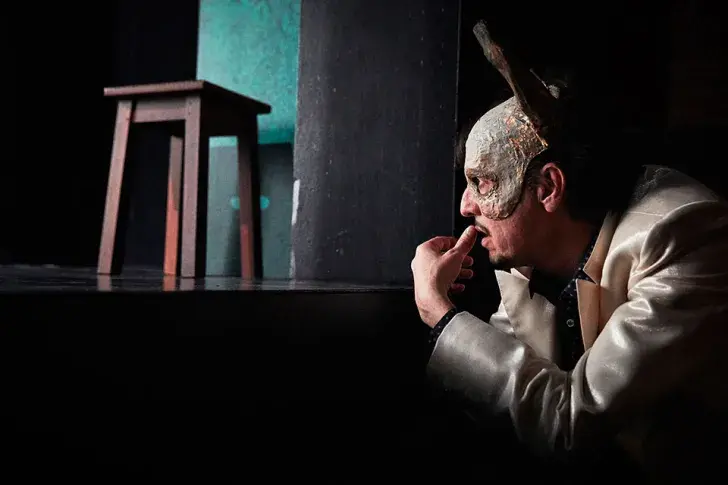
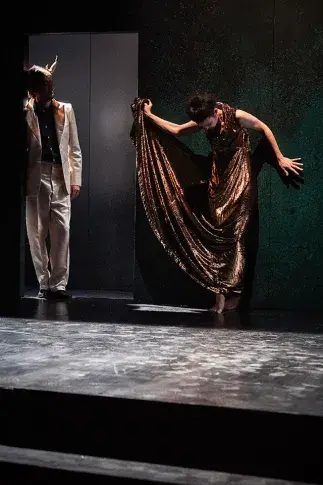
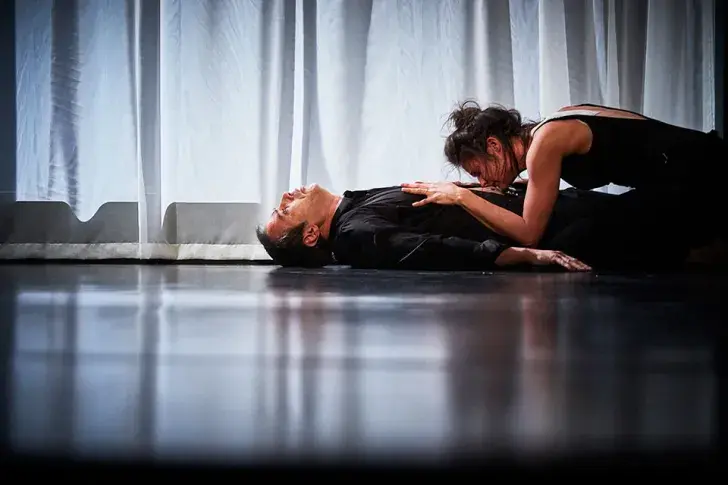
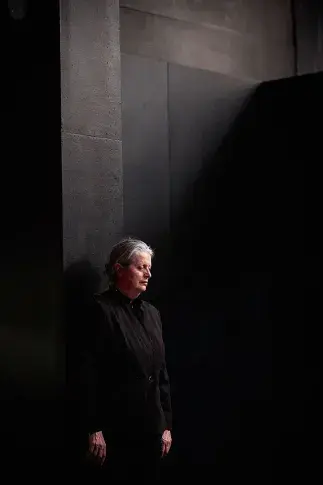
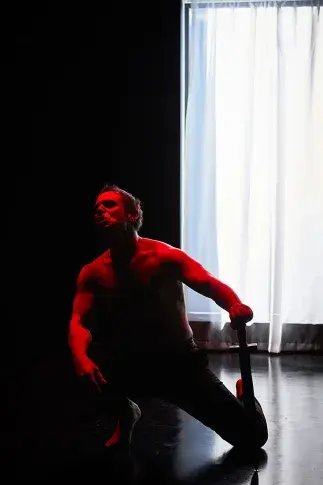
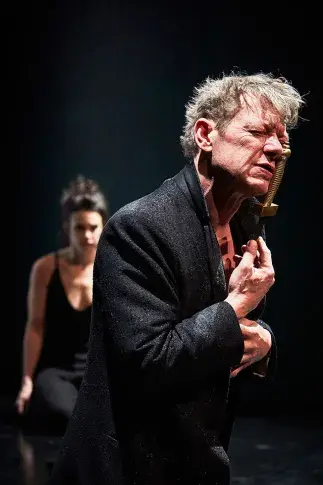
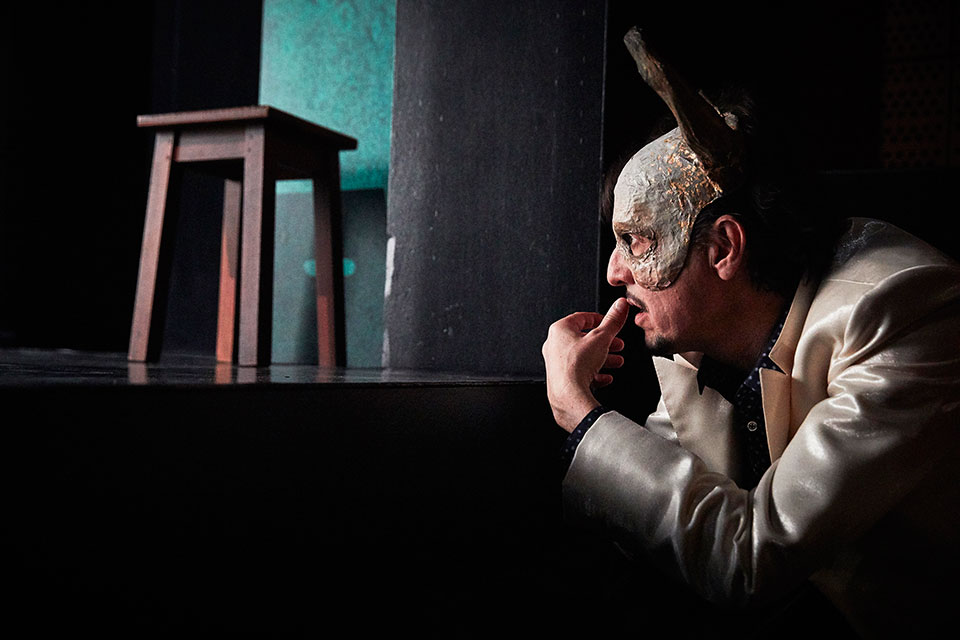
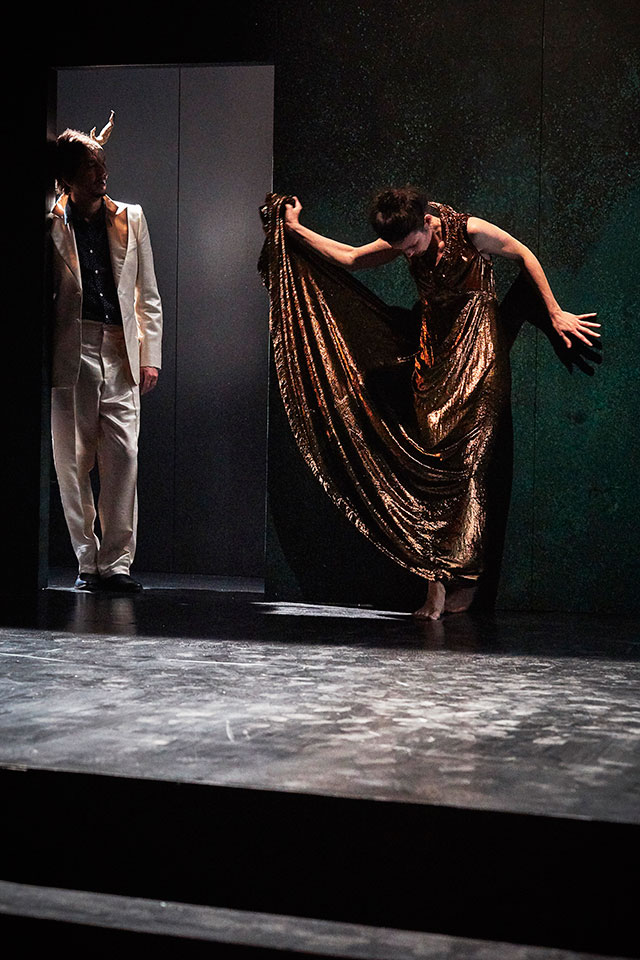
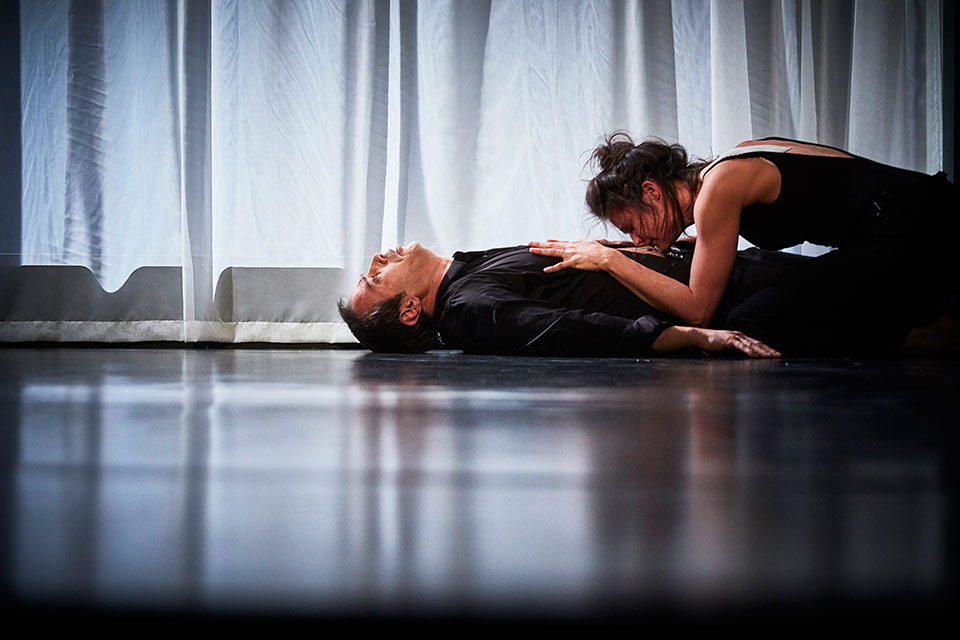
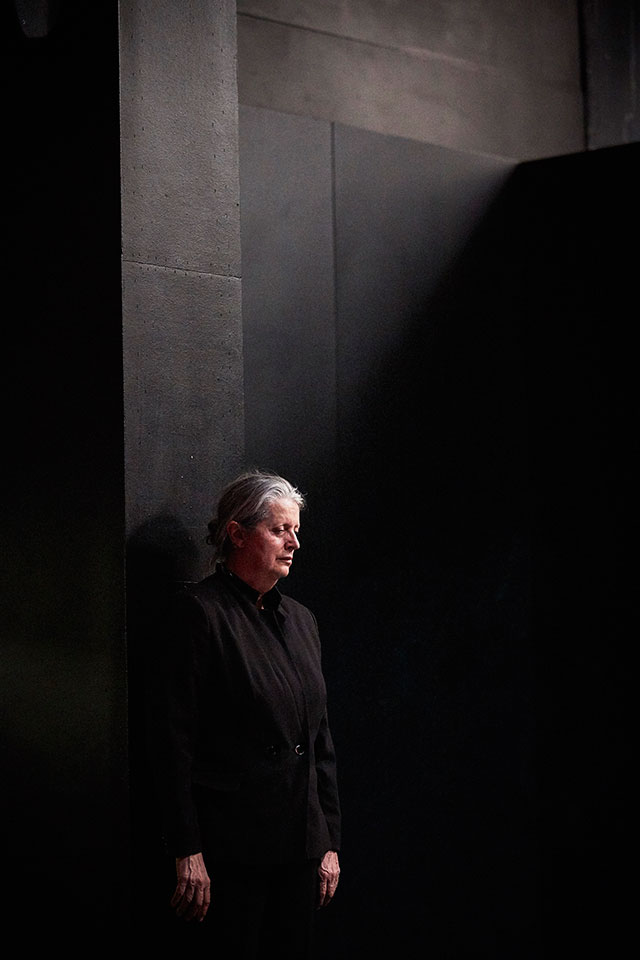
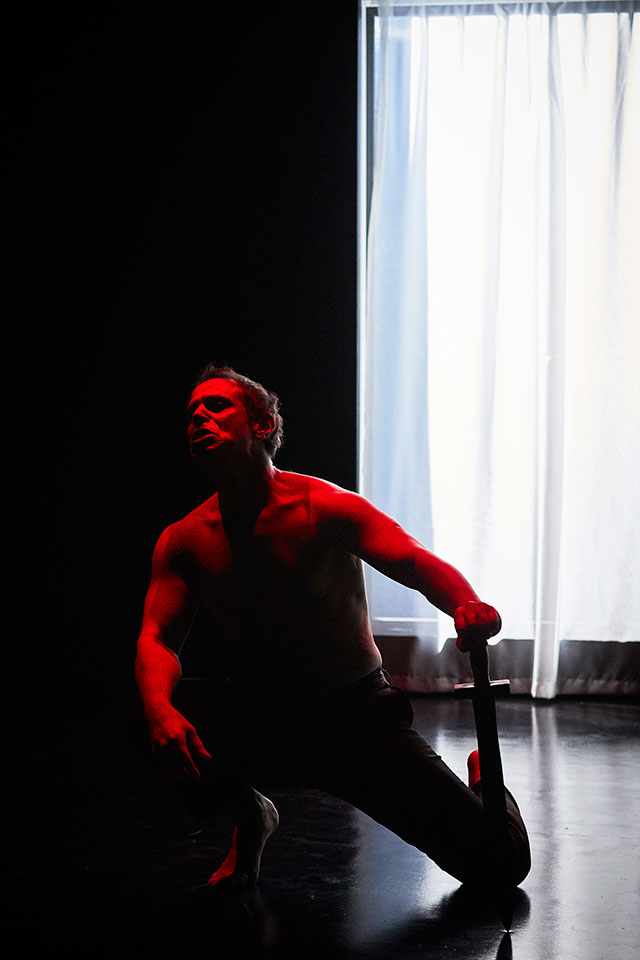
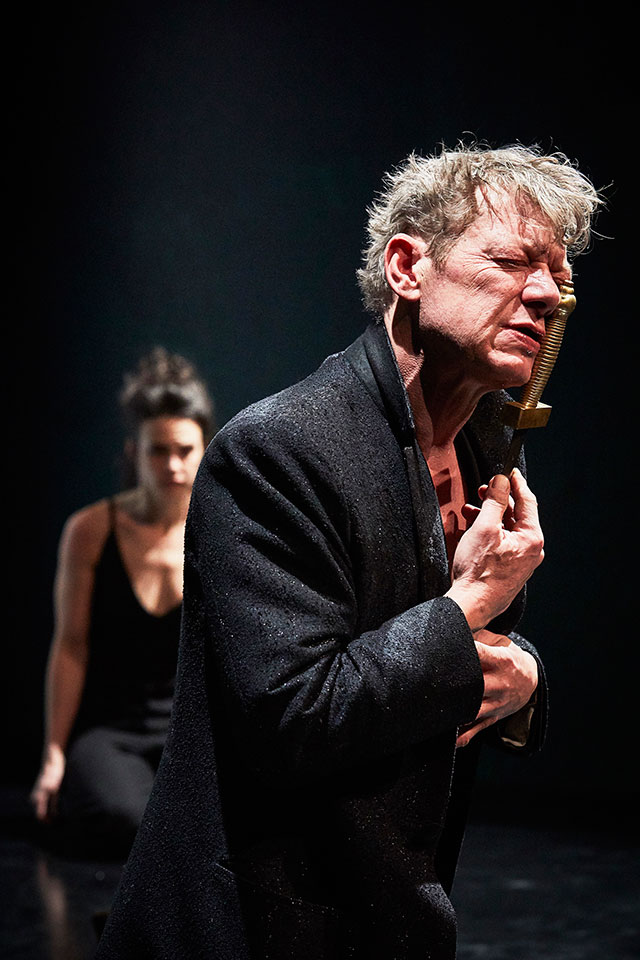
Louise Vignaud choisit la traduction de Florence Dupont qui rend à Sénèque sa modernité en accentuant la friction entre l’antique et le présent. Tragédie romaine, cette Phèdre fait reculer les dieux au profit des hommes. Thésée, bientôt de retour des Enfers, y est un héros d’un autre temps. Pour la metteure en scène, Phèdre et Hippolyte sont deux enfants qui auraient vieilli trop vite, prisonniers d’un palais où le monde ne leur parvient qu’à travers une lointaine rumeur : « l’histoire racontée est celle d’un dernier sursaut, d’un cri devant un gouffre, devant un monde ancien qui se réfugie dans des mythes et des valeurs désincarnés, et qui par là enferme, bloque et tue à petit feu ceux dont le sang bout et se révolte. Phèdre est un cœur brûlant à qui on a volé sa vie de femme et qui décide de prendre en main son destin. »
Nouvelle directrice du Théâtre des Clochards Célestes à Lyon, scène incontournable de la jeune création, et artiste associée au Théâtre national populaire de Villeurbanne, Louise Vignaud est attachée à un théâtre en équipe, pensé comme espace d’apprentissage. Monter Sénèque aujourd’hui, « c’est se laisser emporter par une frénésie qui change la nôtre, dont la poésie et le rythme bousculent notre rapport au temps. »Le théâtre latin est très peu joué à la Comédie-Française. Une lointaine adaptation de l’Agamemnon de Sénèque entre au Répertoire dans la traduction d’Henri de Bornier en 1868. Puis Denis Marleau met en scène la même pièce traduite par Florence Dupont en 2011. Pour ce qui est de Phèdre, la pièce de Racine – inspirée par Sénèque, mais aussi par Euripide et la poésie d’Ovide –chef-d’œuvre de la tragédie classique, réinventera le mythe et effacera ses devanciers.
> Il serait à souhaiter que nos ouvrages fussent aussi solides et aussi pleins d’utiles instructions que ceux de ces poètes.
Le théâtre de Sénèque donne un parfait exemple de l’appropriation des grands mythes antiques à la période moderne : on emprunte les thèmes, les trames et on recompose des caractères pour les adapter à la dramaturgie contemporaine en fonction des règles classiques. Si Racine met en avant sa filiation avec Euripide dans sa préface, il est également redevable à Sénèque de la structure de sa pièce et de l’omniprésence du personnage de Phèdre. Il combine habilement les caractères contradictoires dépeints par le Grec et le Latin : la Phèdre austère, chaste, digne et passive d’Euripide, et la Phèdre furieuse,lascive et coupable de Sénèque. L’intrigue de Racine se distingue notamment de ses modèles antiques par le recours à une seconde intrigue amoureuse – par le personnage d’Aricie.
La querelle des Anciens et des Modernes, à laquelle Racine prend part, interroge justement ce modèle d’imitation des auteurs de l’Antiquité. Racine se revendique d’avantage d’Euripide, même s’il ne doit pas moins à Sénèque, car ce dernier jouit alors d’une réputation de poète de second rang. Le génie de Racine impose sa pièce face à celles de ses concurrents. Sa Phèdre, qui rivalise au même moment avec celle de Pradon, est élevée au rang de chef-d’œuvre national et éclipse pour longtemps celle de Sénèque.
-
Mise en scène : Louise Vignaud
Scénographie : Irène Vignaud
Lumières : Luc Michel
Costumes : Cindy Lombardi
Son : Lola Etiève
Dramaturgie : Pauline NoblecourtTraduction : Florence Dupont
Documents
-
 Télécharger le PDF (1.11 MB)
Programme Phèdre 17/18
Programme de Phèdre, de Sénèque. Mise en scène de Louise Vignaud, Studio Théâtre (saison 2017/2018).