Roméo et Juliette
by William Shakespeare
Directed by Éric Ruf
From 22 June to 25 July
Discover the play
-
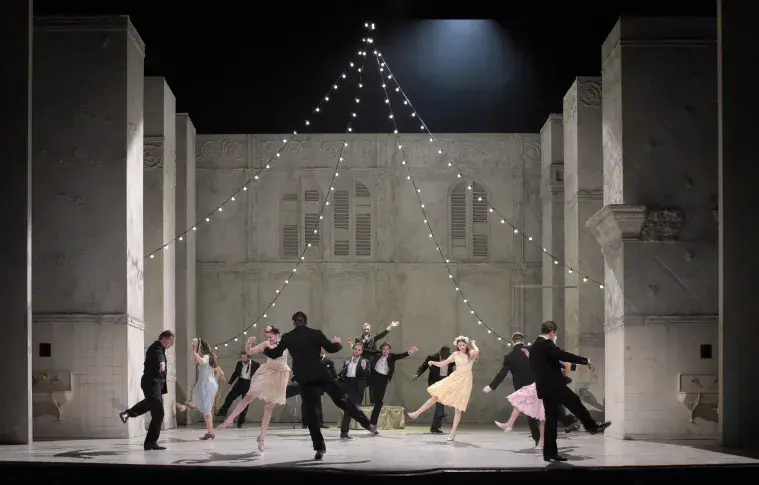
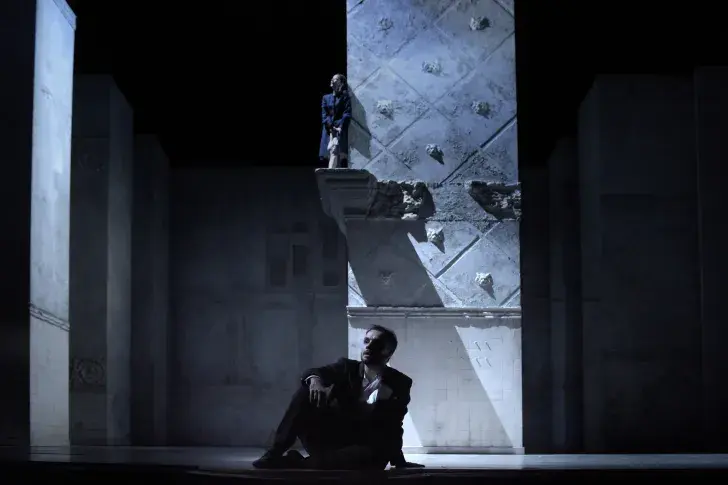
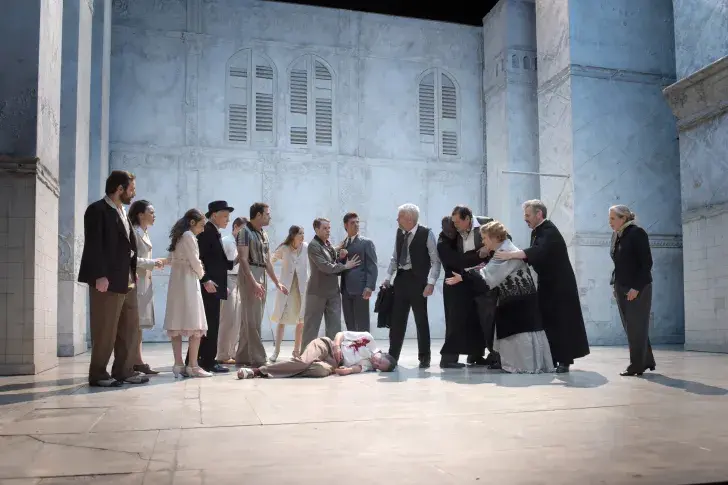
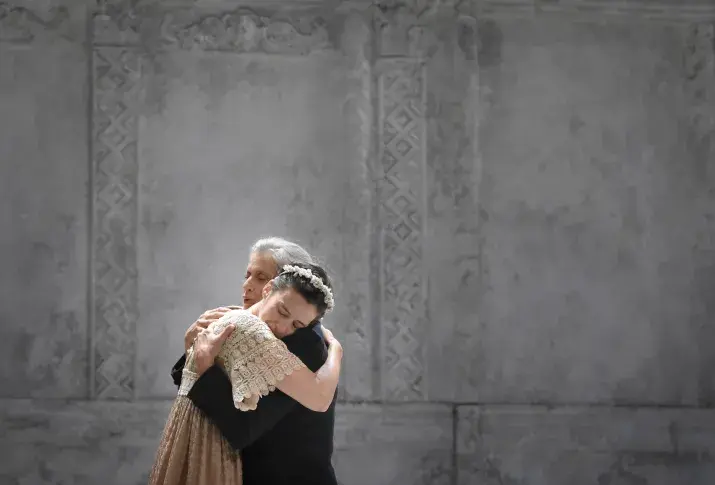
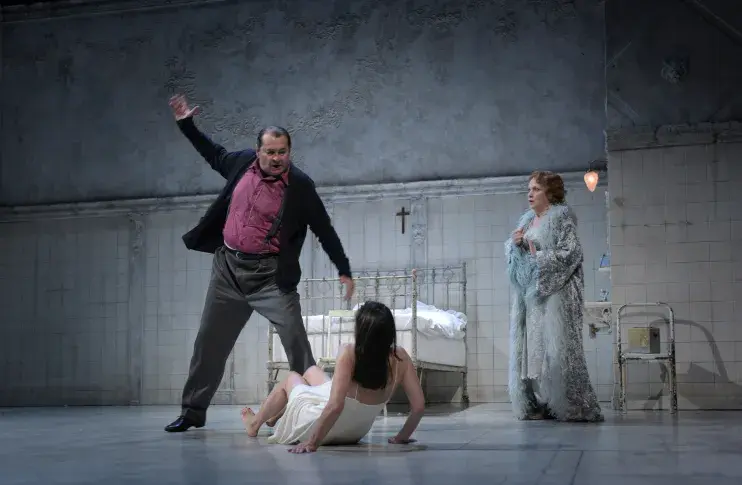
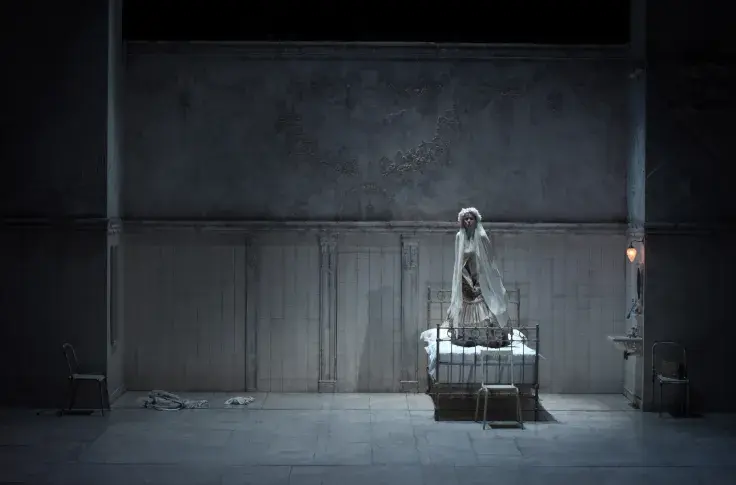
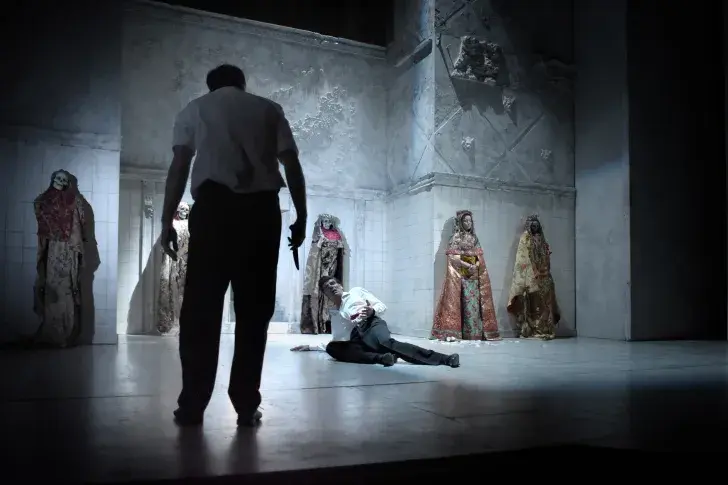
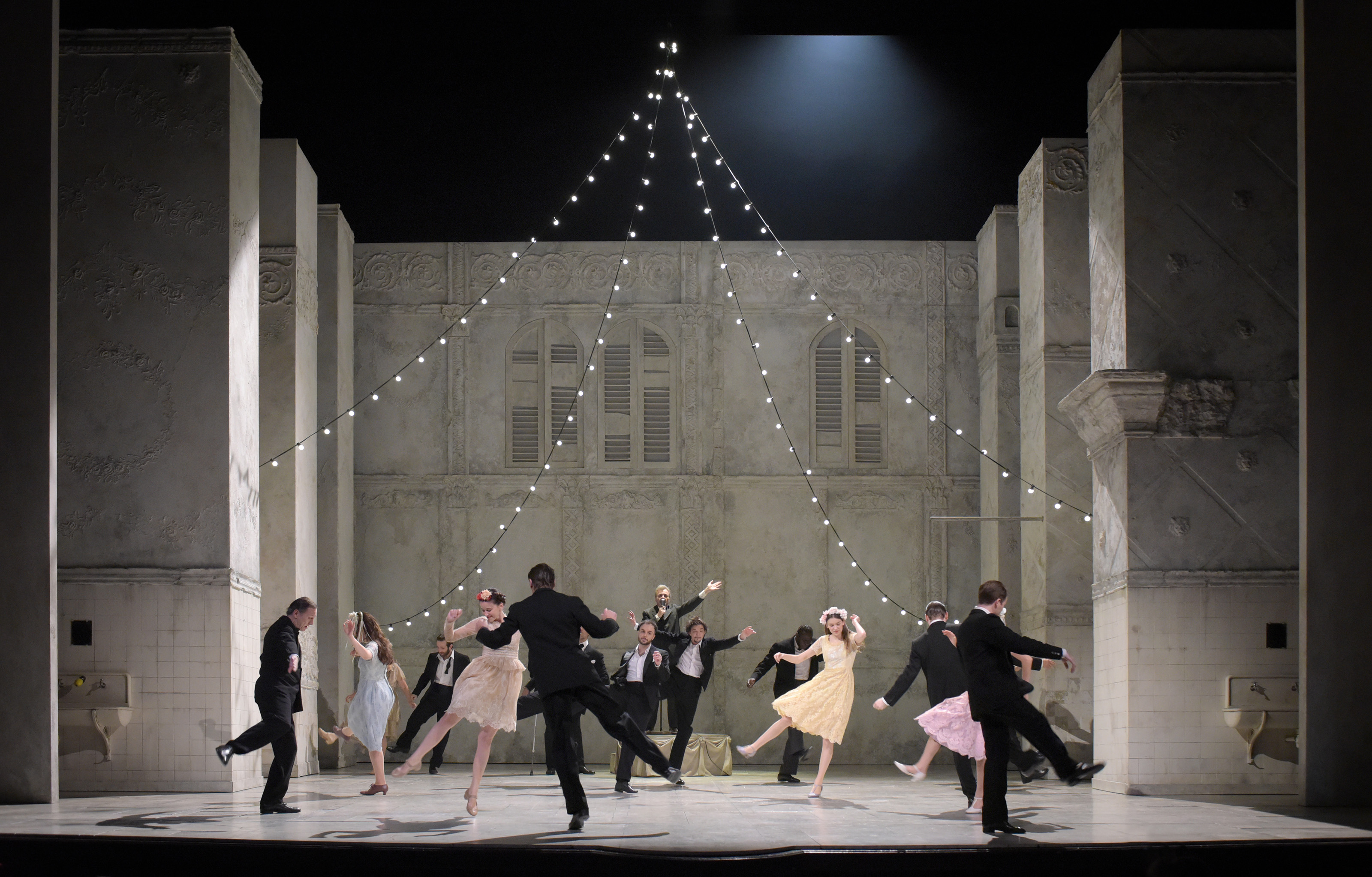
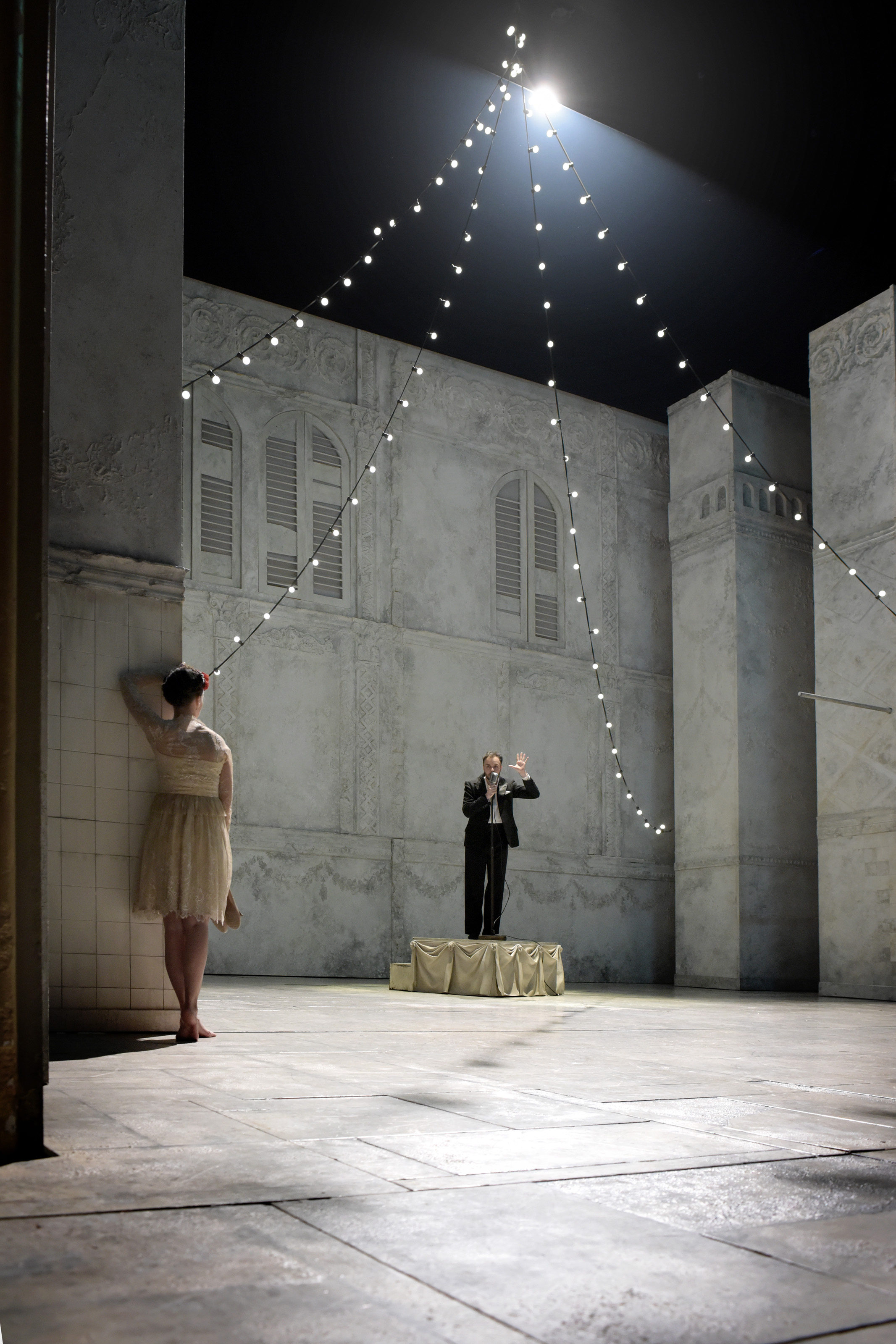
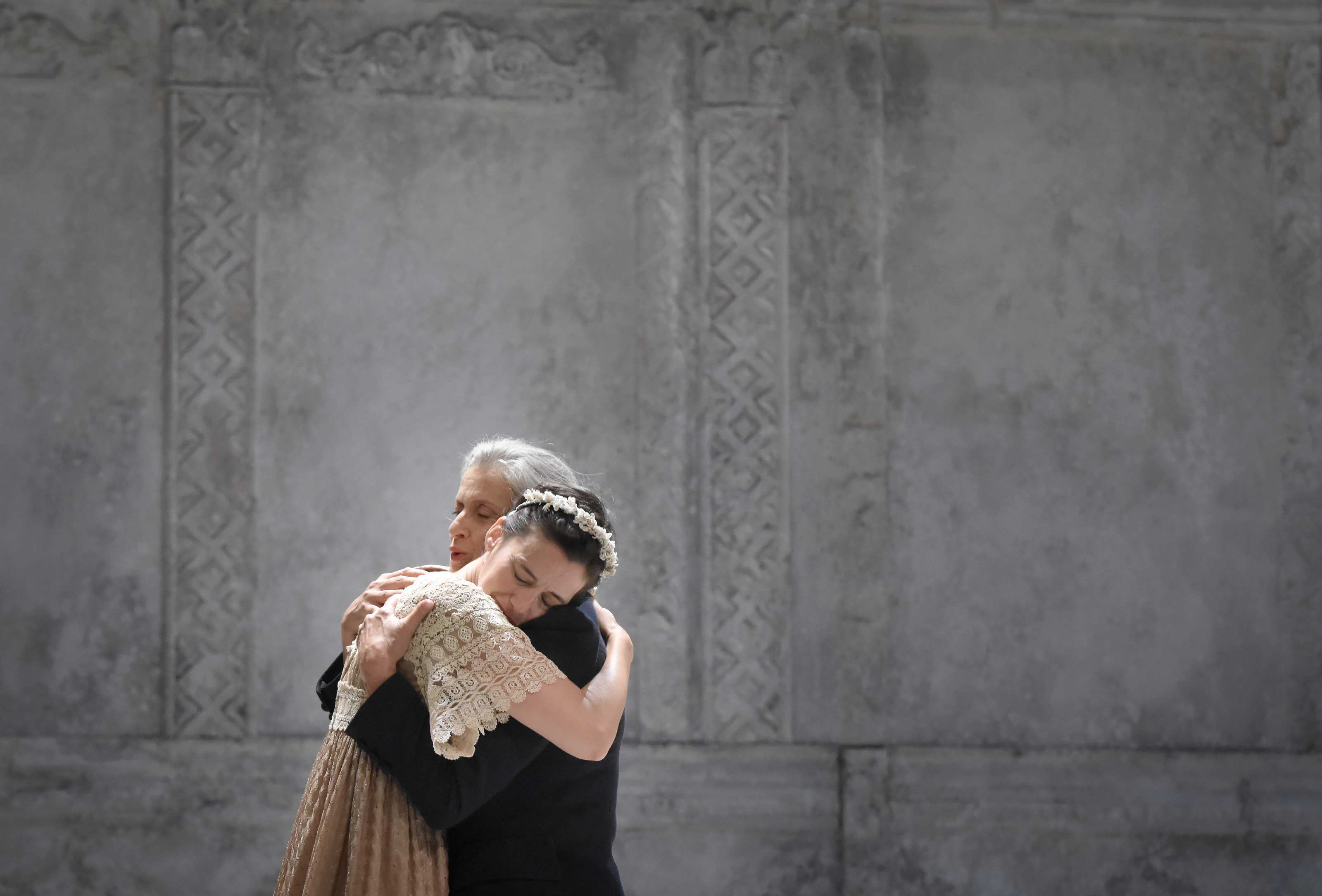
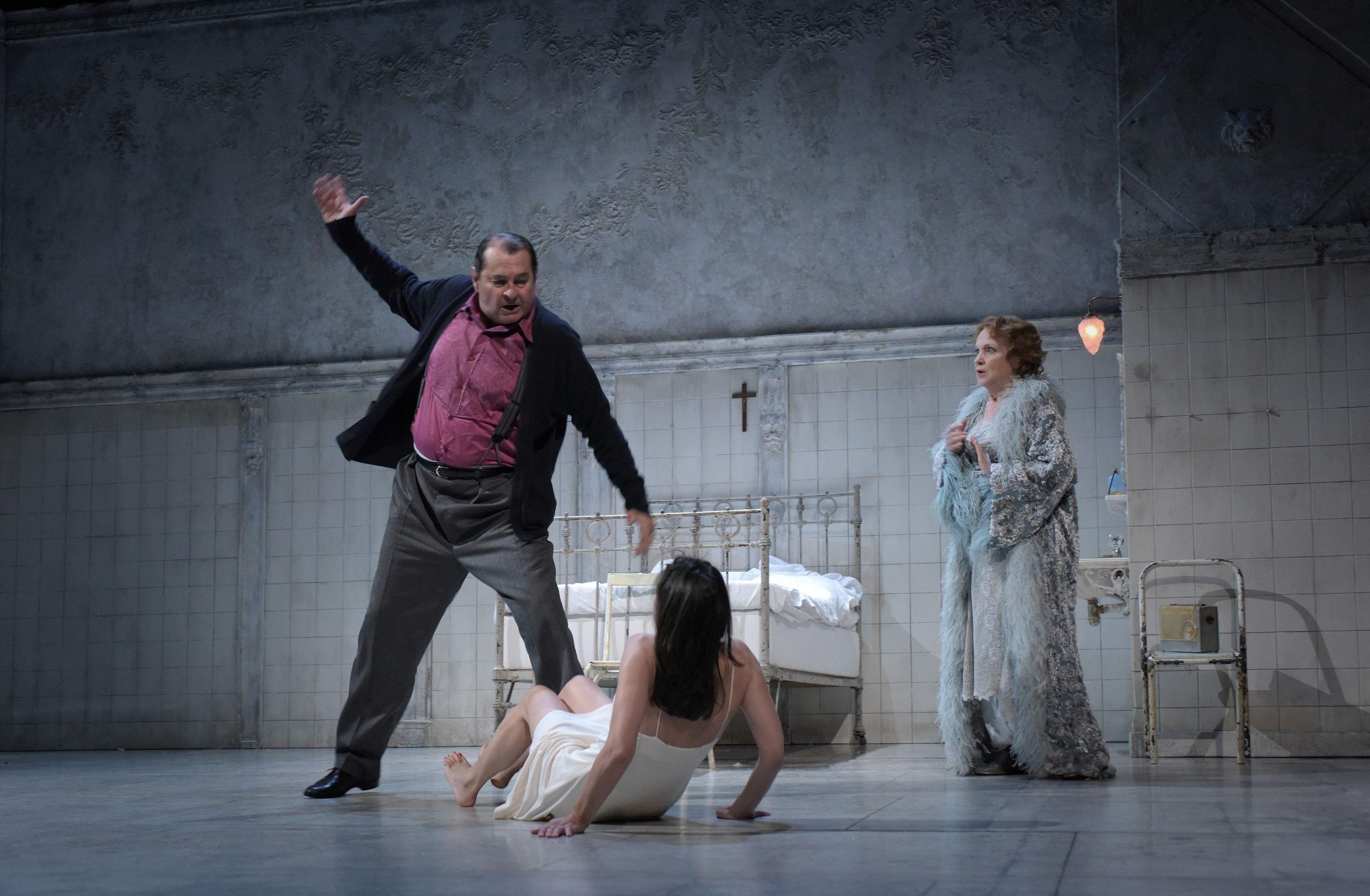
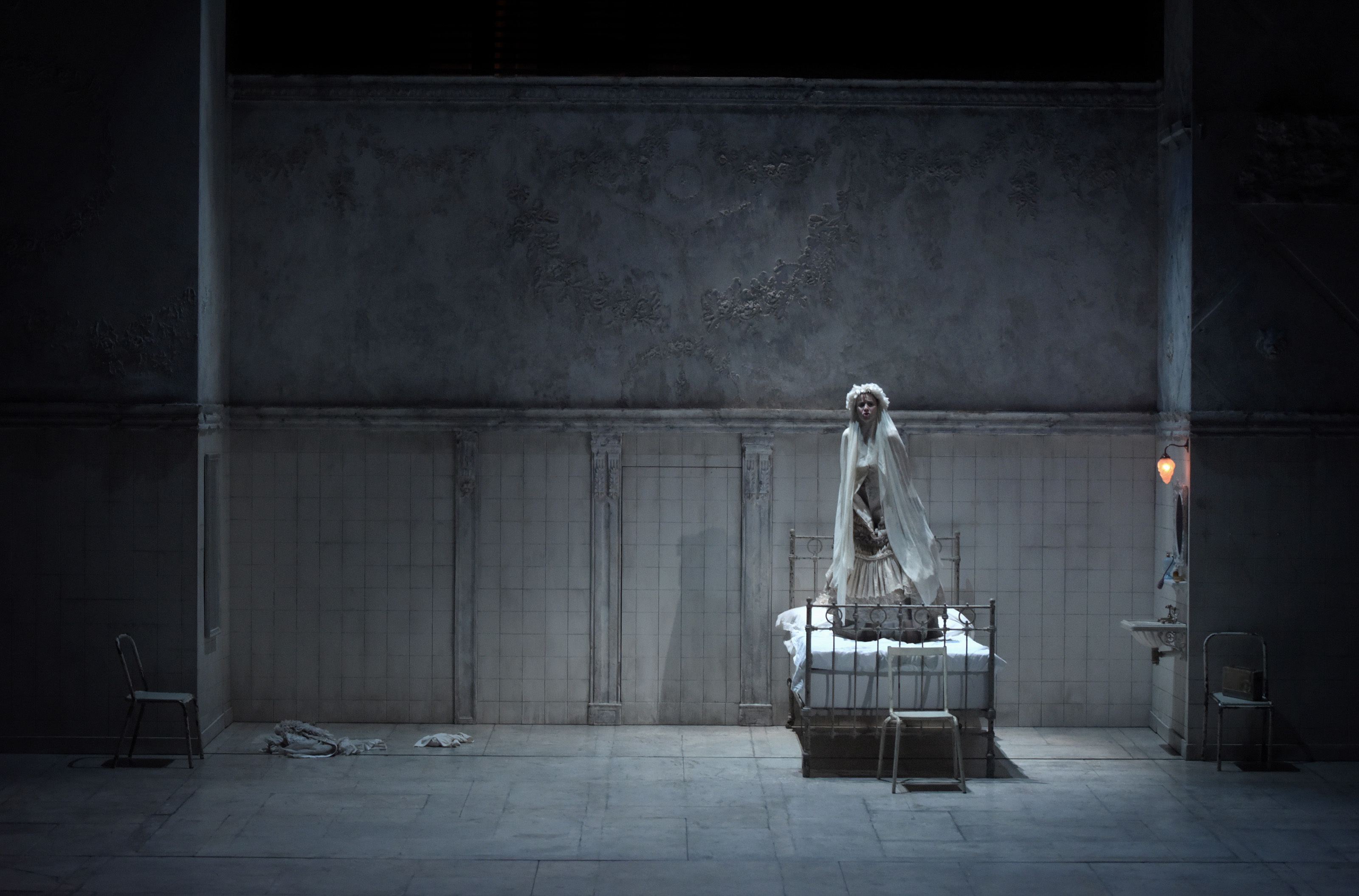
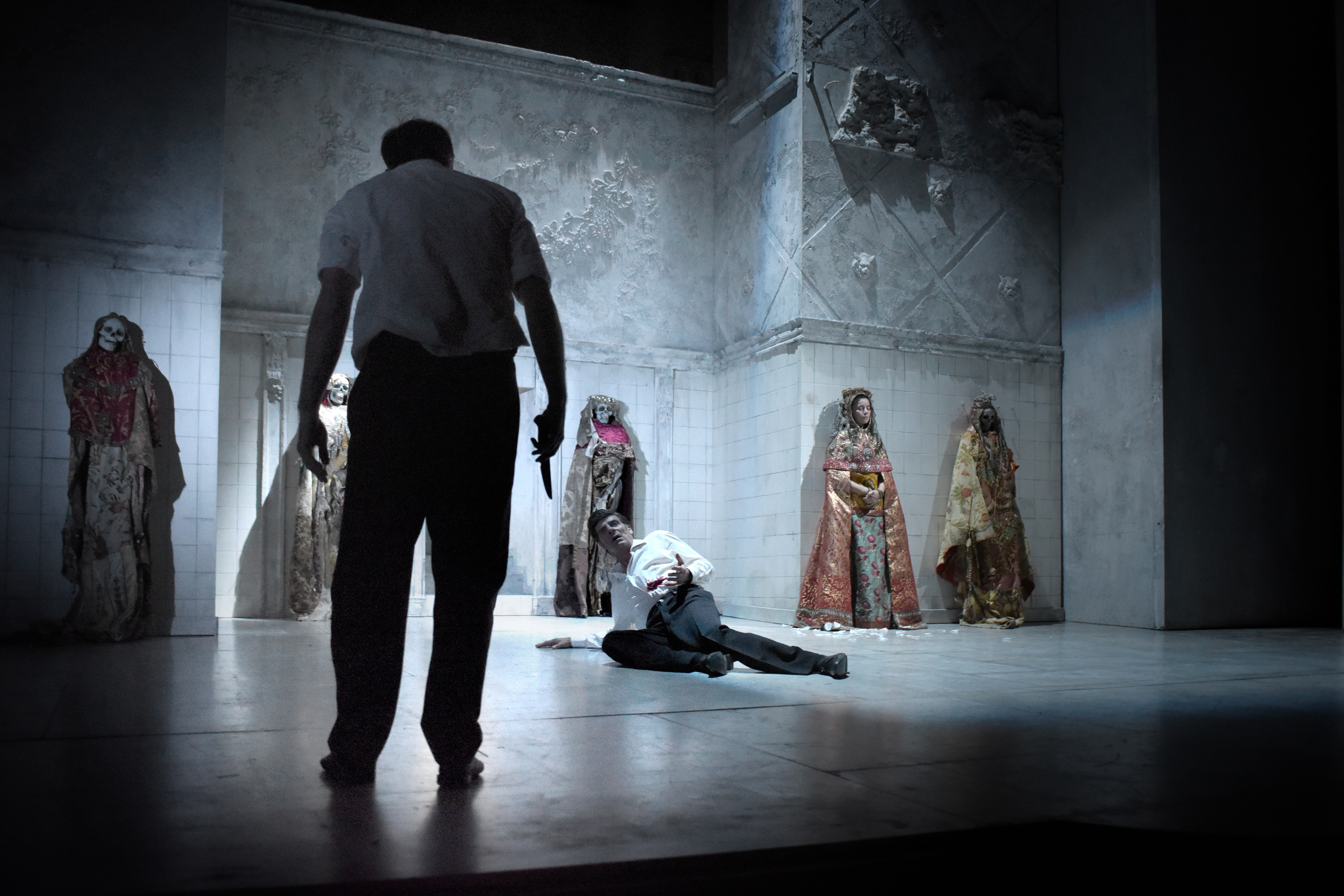
Or sous les couches de sédiments accumulés se cache un soleil noir fait de déliquescence politique, de haines familiales, de personnages complexes et insulaires, bien éloigné de la lecture romantique dans laquelle on l’a cantonnée. « L’imaginaire collectif autour du répertoire me fascine », dit Éric Ruf. Tentant d’en comprendre les raisons, il découvre « une sorte de pièce fantôme, un mythe si présent dans les esprits qu’il en est devenu autarcique, tournant sur lui-même ». Car cette tragédie qui recèle quelques savoureux moments de comédie est une pièce de contrastes entre la naïveté d’adolescents éperdus, dont l’amour fulgurant tient de la prescience, et la violence programmée des Montaigu et des Capulet qui ensanglantent Vérone, mus par une rancœur ancestrale dont le sens même leur échappe.
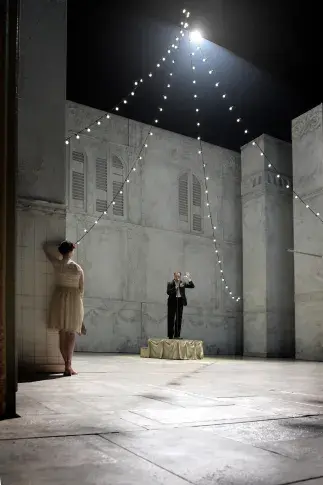
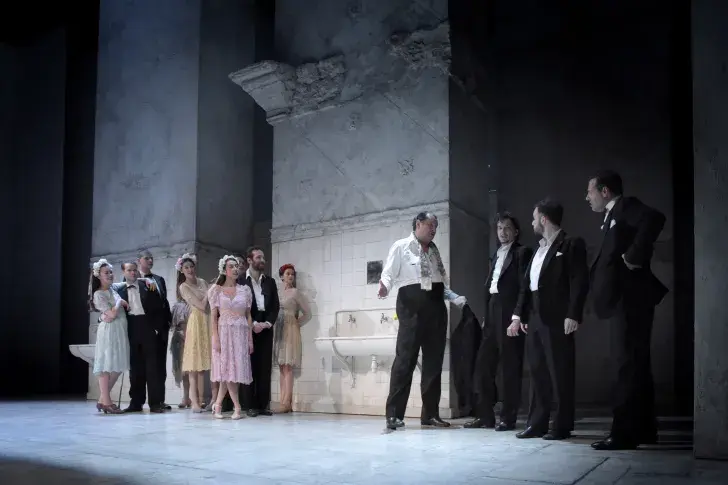
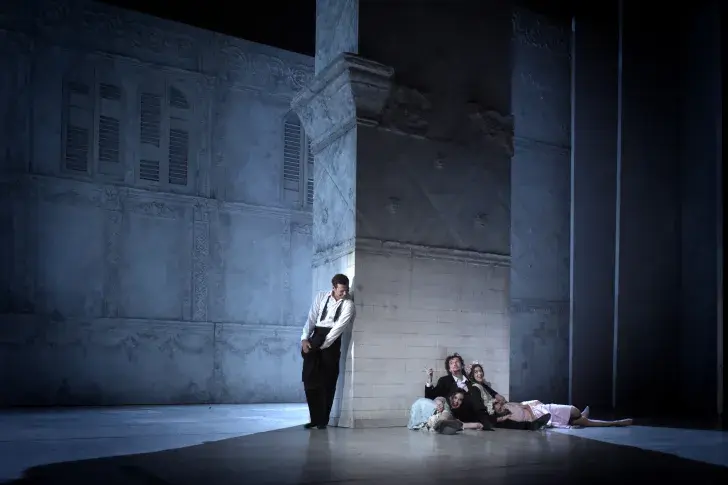
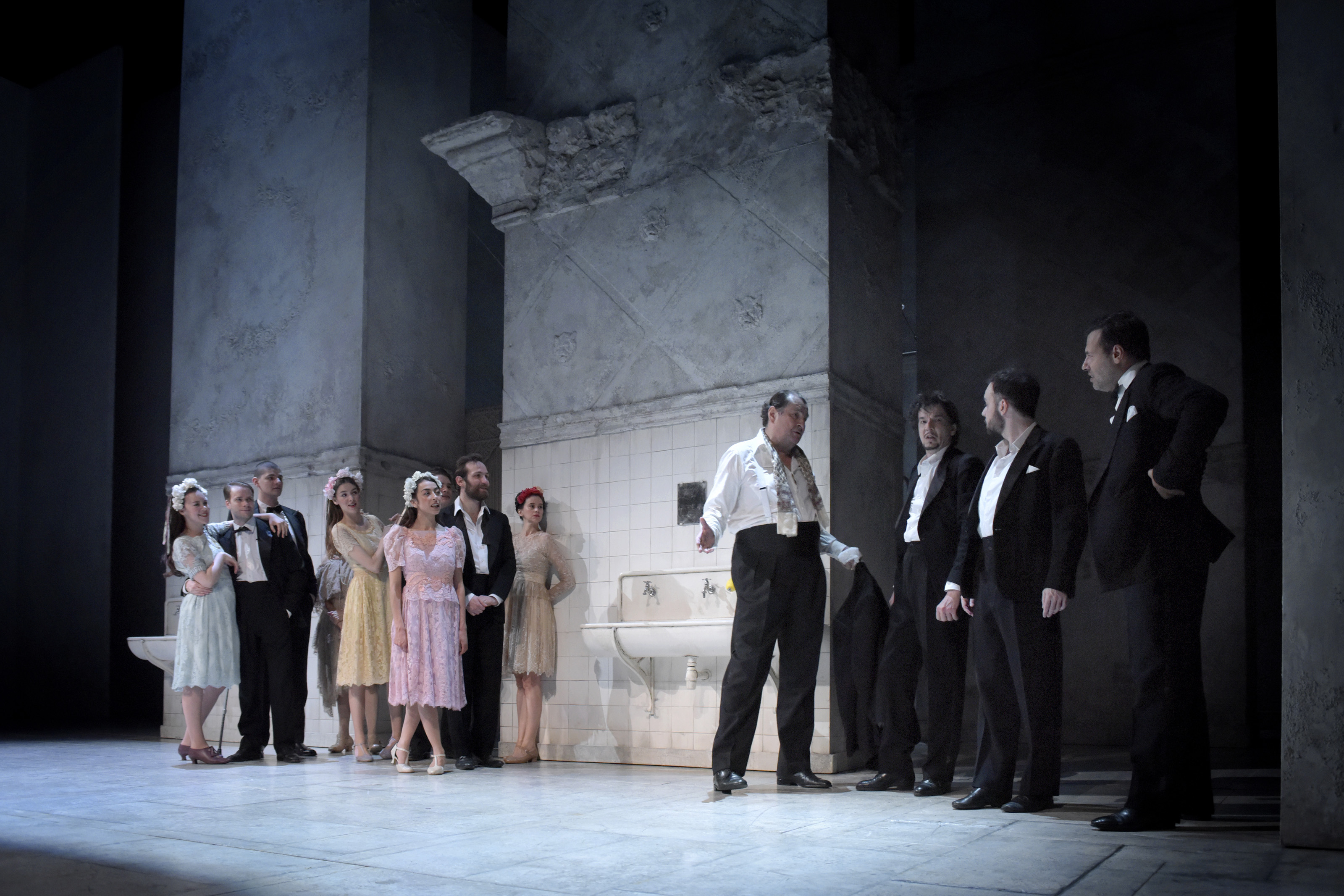
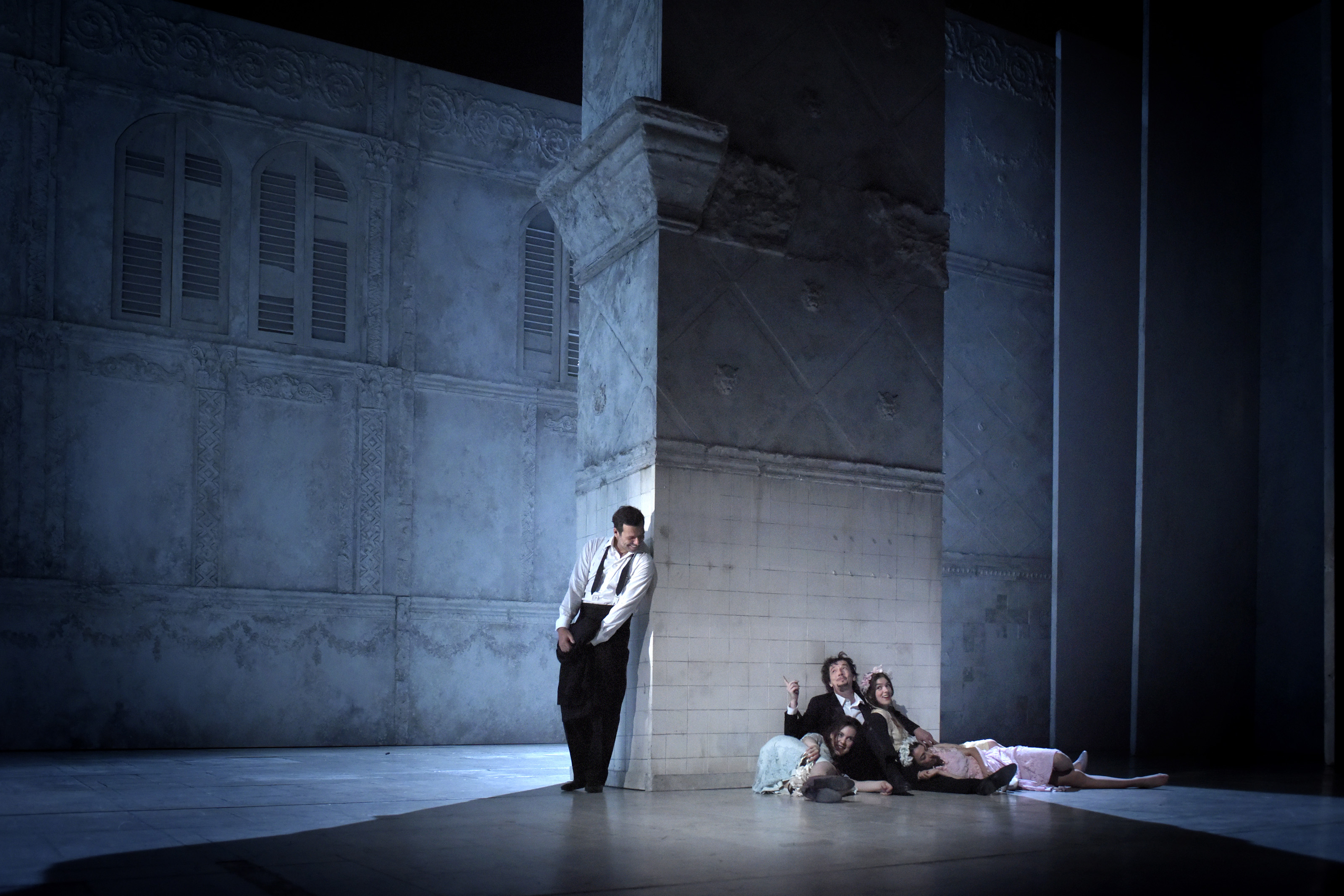
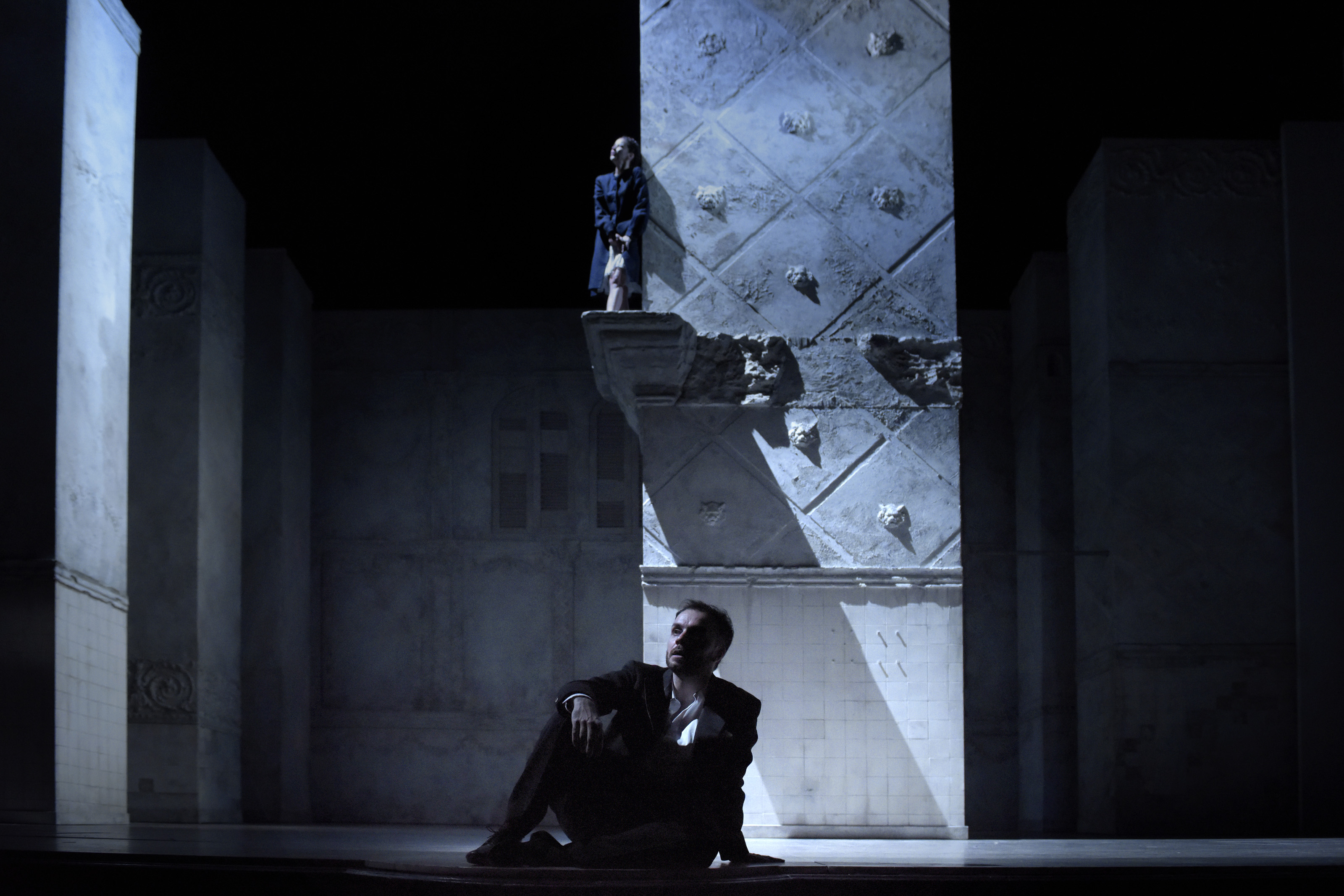
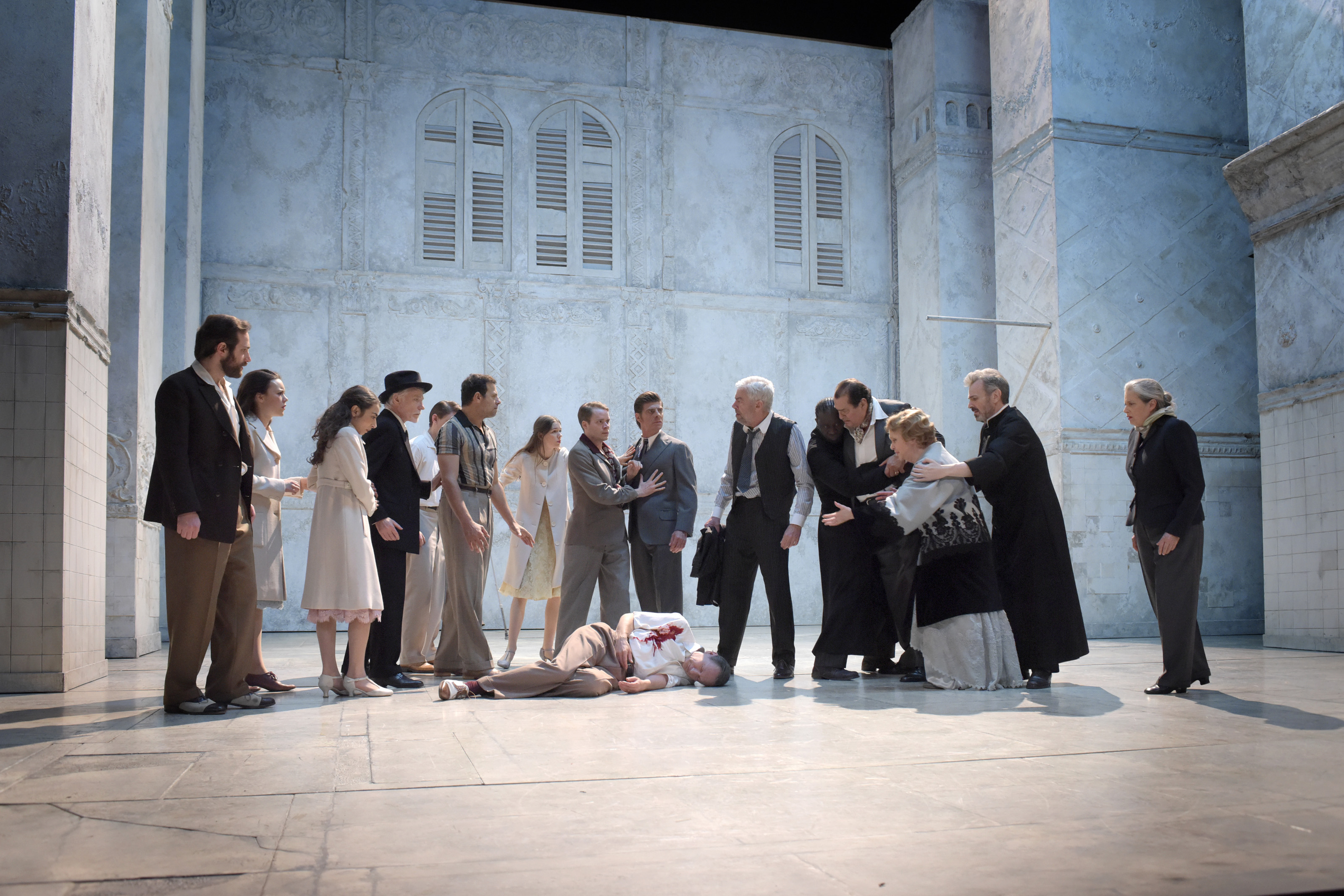
Situant l’action dans une Italie du Sud écrasée de soleil, où les esprits s’échauffent, une Italie pauvre où l’on observe les murs délabrés d’une grandeur perdue, où les peurs irraisonnées et les croyances populaires demeurent vivaces, le metteur en scène fait sonner le foisonnement extraordinaire de la langue de Shakespeare : rudesse, luxuriance, humour, c’est bien l’auteur du Songe et de Macbeth mêlés que l’on retrouve ici.ATTENTION
- Dates supplémentaires : 10, 13, 15, 19, 24, 25 juillet à 20h30 et le 1er juillet à 14h
Longtemps perçue comme étant en contradiction avec la tradition théâtrale française, la dramaturgie de Shakespeare, comme l’ensemble du répertoire étranger, nous parvient par le filtre de ses adaptations et traductions. Les auteurs qui l’adaptent tentent de concilier la richesse de la fable avec les codes du supportable pour un public qui, depuis Voltaire, oscille entre fascination et répulsion à son égard.
Le cas de Roméo et Juliette à la Comédie-Française est à ce titre particulièrement édifiant ; si la pièce y est très peu jouée et n’a jamais été reprise entre 1954 et 2015, les archives du comité de lecture montrent qu’elle fut très souvent proposée par des auteurs-adaptateurs désireux de s’emparer du mythe. Depuis la fin du XVIIIe siècle, les réécritures et adaptations sont nombreuses,chaque auteur se réappropriant l’histoire et présentant sa version au comité de lecture de la Comédie-Française avec un succès mitigé. Jean-François Ducis se lance notamment dans la rédaction de sa tragédie « imitée de l’angloise ». La pièce est créée sur la scène du Français le 27 juillet 1772 : Montaigu est le véritable héros de cette tragédie totalement revisitée qui s’inspire à la fois de Shakespeare et de Dante.
La reprise de 1827 échoue après trois représentations. Très vite, l’adaptation de Roméo et Juliette devient l’objet d’un combat d’écoles et joue un rôle prépondérant comme prémices de la bataille d’Hernani. Victor Hugo croit en la pièce de 1828 du tandem Émile Deschamps-Alfred de Vigny dont il espère qu’elle lancera la révolution romantique. Les acteurs la plébiscitent mais c’est finalement celle de Frédéric Soulié, tenant du classicisme, qui entre au Répertoire en 1832. Les représentations n’iront pas au-delà de la première. Alors que l’histoire deRoméo et Juliette connaît une immense fortune dans le champ iconographique, les comédiens n’osent pas reprendre la pièce. Les sollicitations émanant de sauteurs sont pourtant nombreuses : pas moins de huit d’entre eux en proposent des adaptations de 1852 à 1916. Les commentaires des lecteurs des manuscrits sont éloquents : le sujet a été suffisamment « exploité », « il n’y a plus lieu d’y revenir ». Il faut attendre 1920 pour que l’administrateur Albert Carré commande une pièce à André Rivoire, Juliette et Roméo, mise en scène en 1920. En dehors des duels et des morceaux de bravoure, la pièce paraît bien fade et a des allures d’exercice littéraire. En 1938, la version de Jean Sarment nous éloigne définitivement de la libre adaptation. Il simplifie la pièce, égalise tout en restant dans une certaine fidélité au texte et peut se targuer d’avoir enfin fait entrer la pièce au répertoire de la Comédie-Française en 1952. Jouée 68 fois de 1952 à 1954, elle n’y fut jamais reprise jusqu’en 2015.
-
Mise en scène et scénographie : Éric Ruf
Costumes : Christian Lacroix
Lumière : Bertrand Couderc
Travail chorégraphique : Glysleïn Lefever
Arrangements musicaux : Vincent Leterme
Son : Jean-Luc Ristord
Maquillages : Carole Anquetil
Collaboration artistique : Léonidas Strapatsakis
Assistanat à la mise en scène : Alison Hornus
Assistanat à la scénographie : Dominique Schmitt
Documents
-
Télécharger le PDF (7.23 MB)
La pièce en images - Roméo et Juliette 15/16
Parcours historique dans les collections iconographiques autour de Roméo et Juliette : une pièce fantôme du répertoire.