Chanson douce
By Leïla Slimani
Directed by Pauline Bayle
From 14 March to 28 April

Discover the play
-
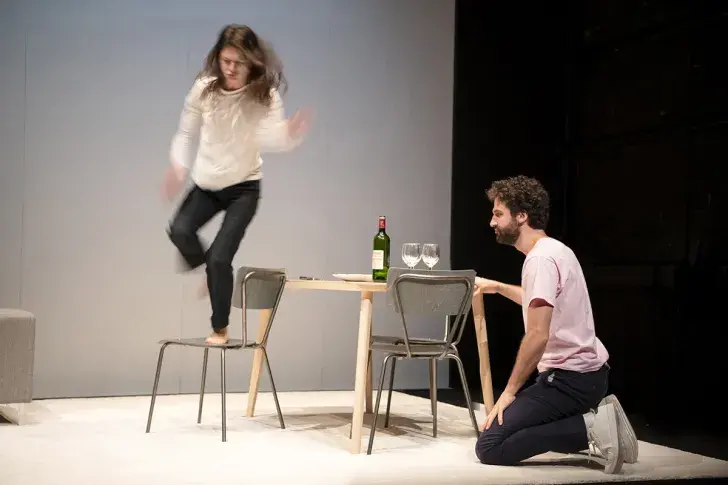
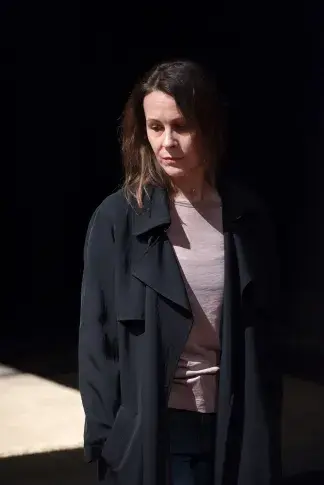
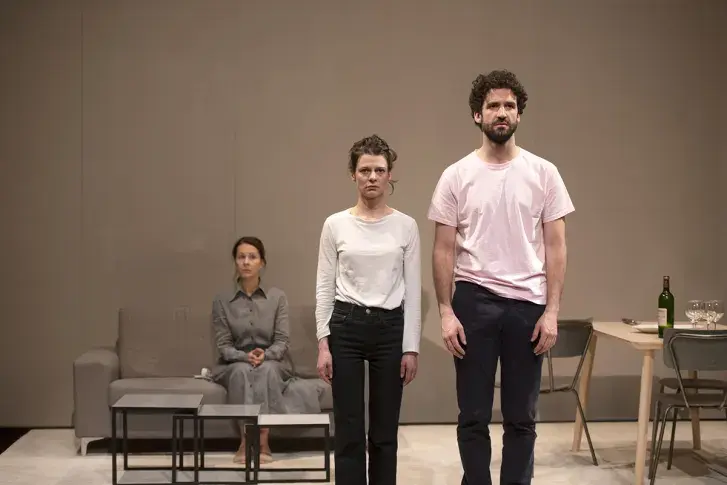
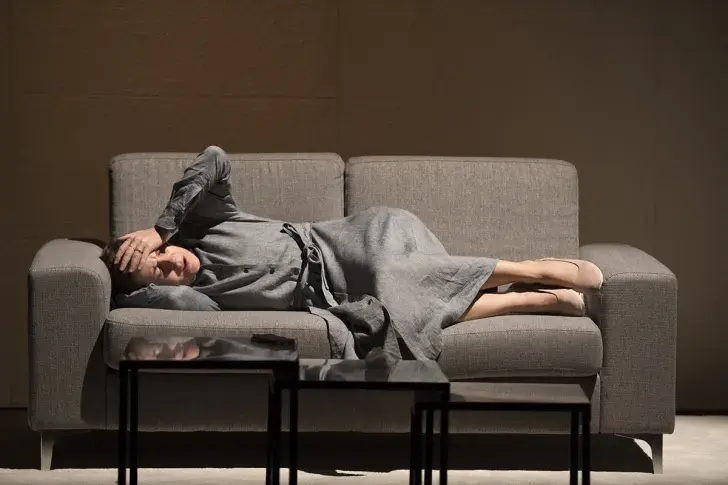
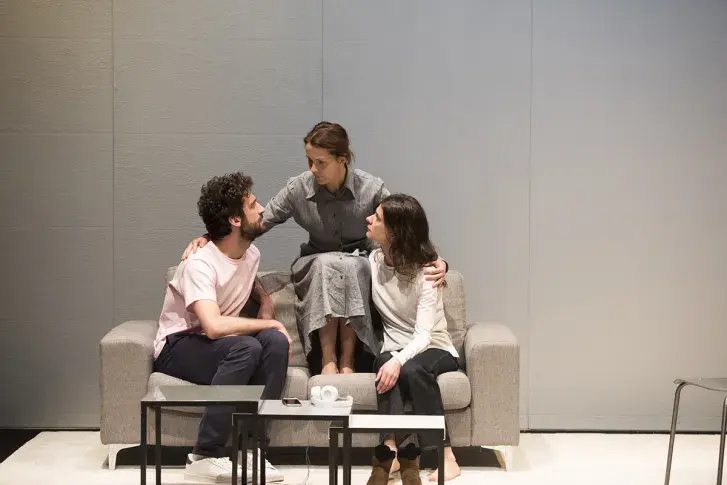
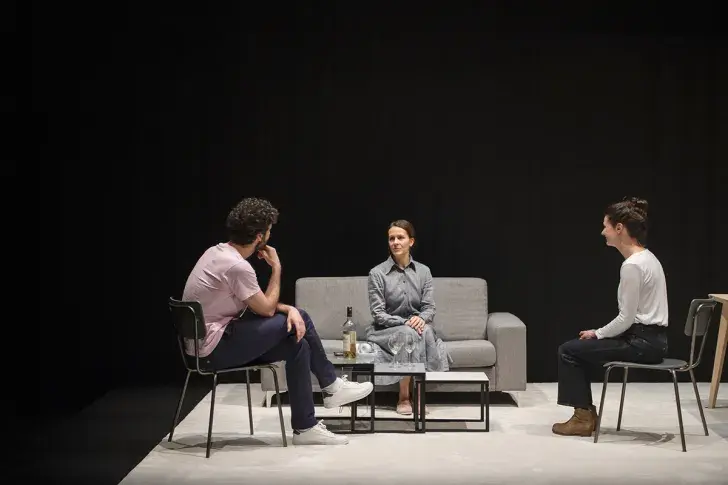
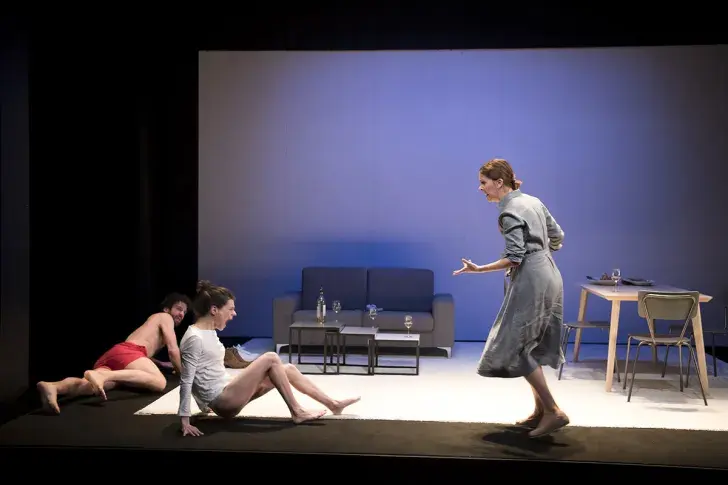
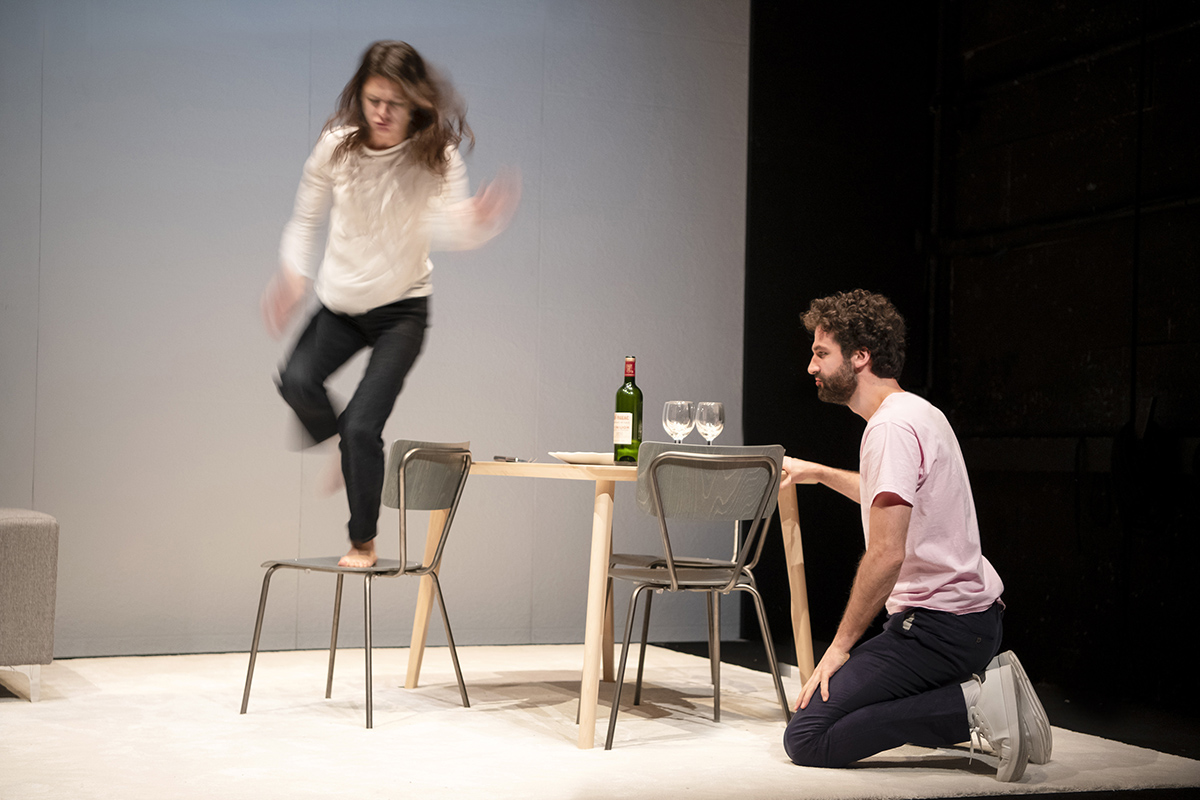
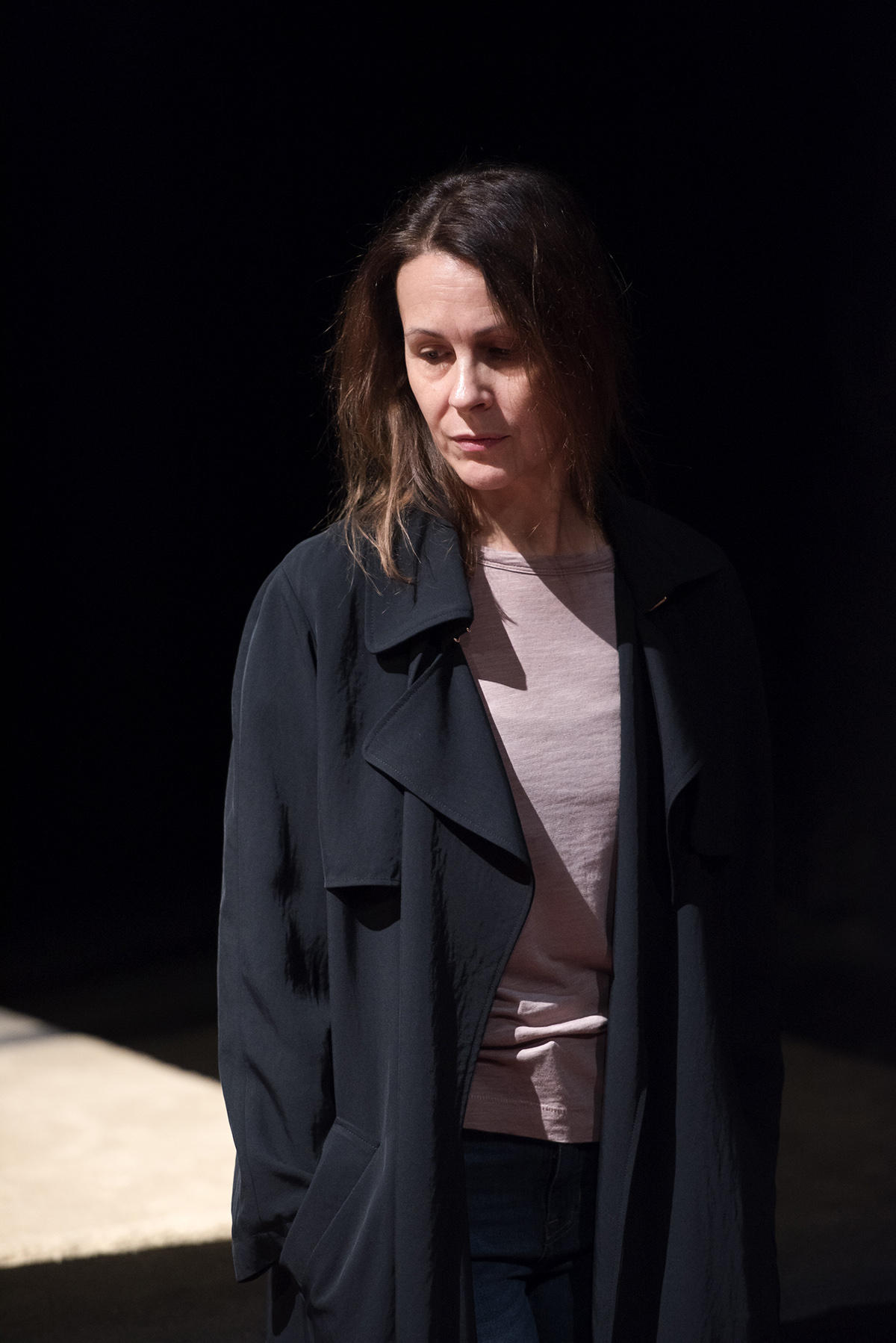
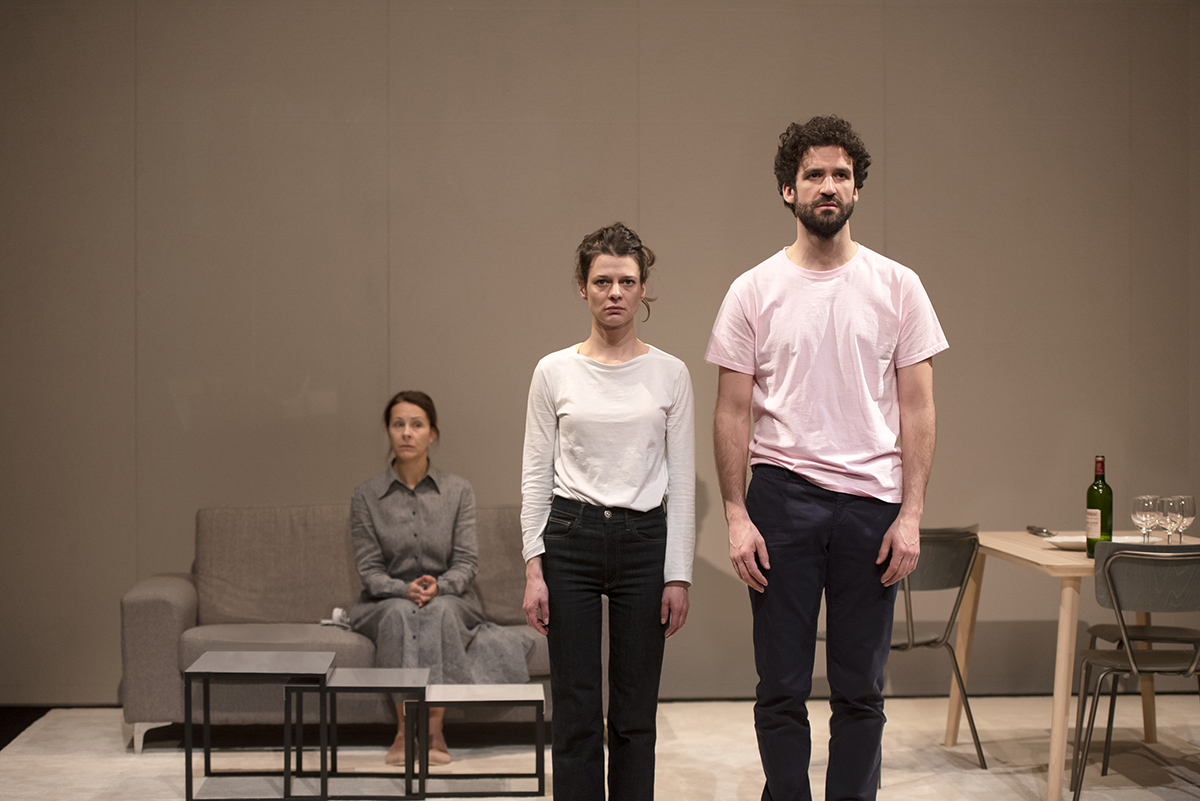
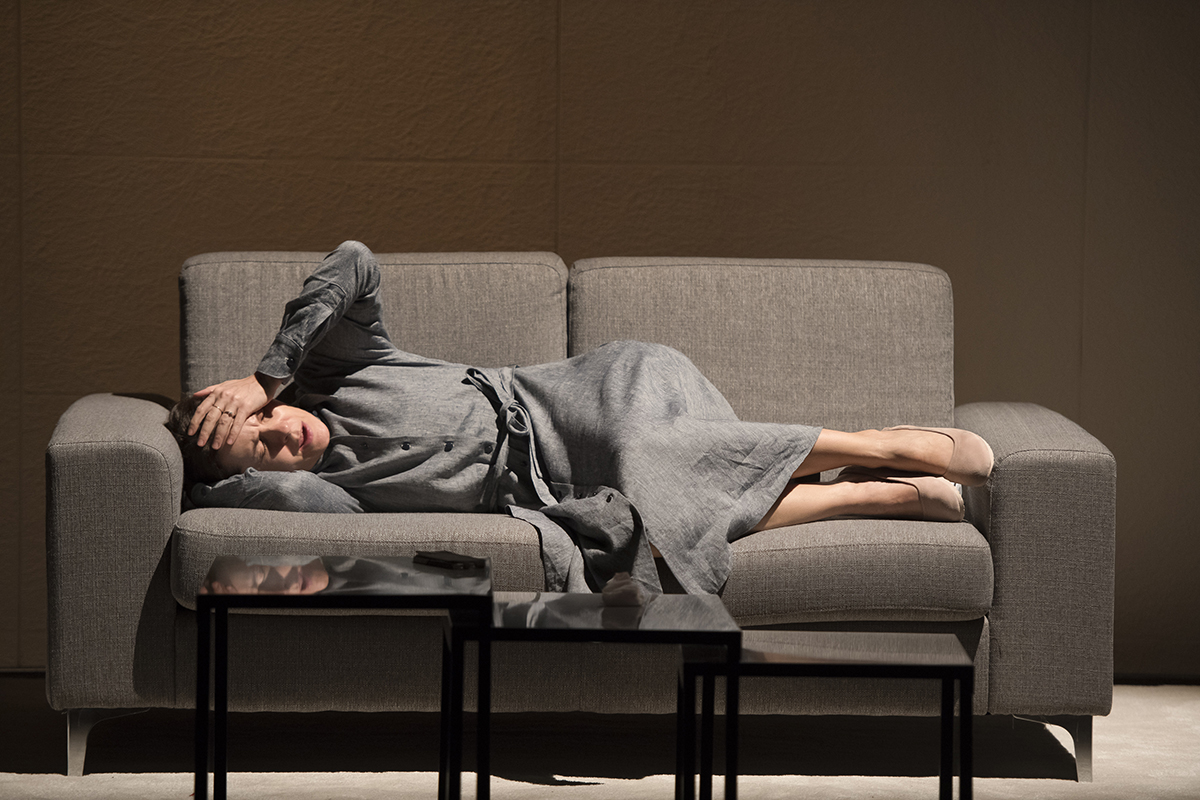
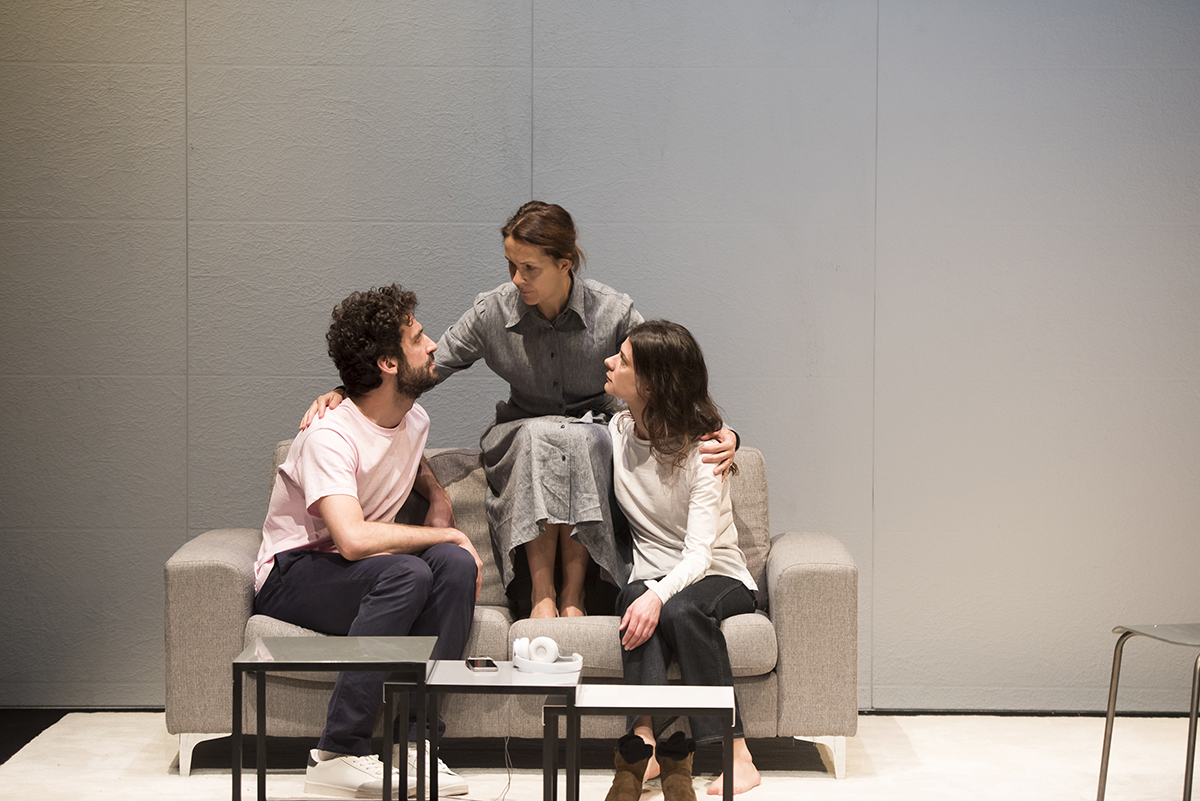
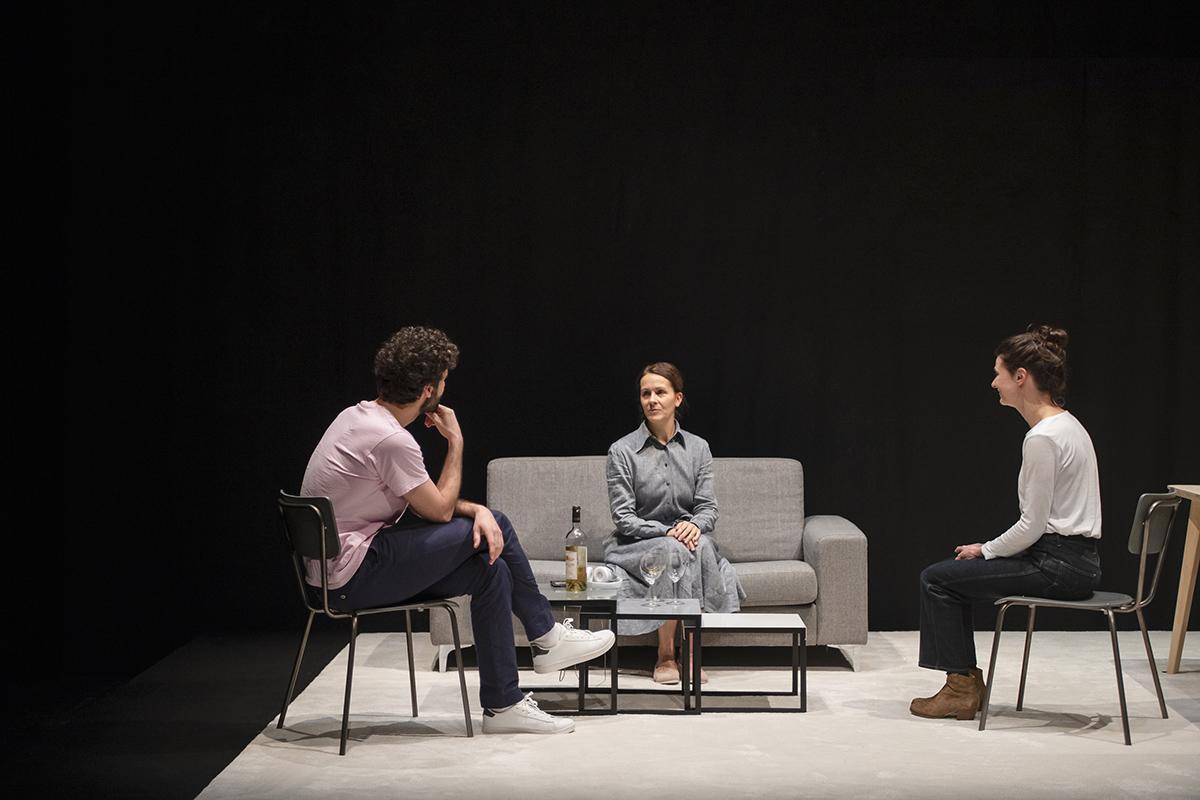
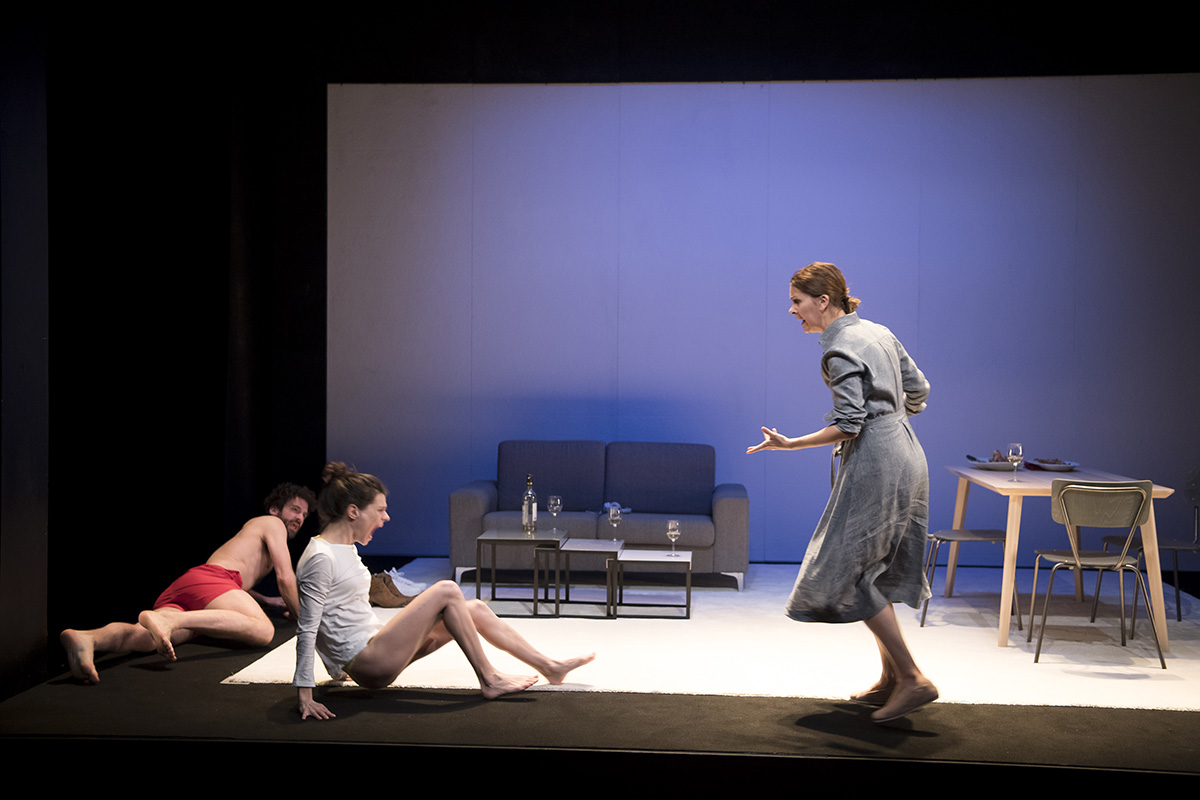
En adaptant ce roman, prix Goncourt 2016, Pauline Bayle – révélée par ses mises en scène de L’Illiade et de L’Odyssée – choisit, après trois années passées à travailler sur les grands mythes fondateurs, une plongée dans l’intime le plus contemporain. Inspirée d’un fait divers survenu à New York en 2012, Chanson douce raconte l’histoire de Louise, embauchée comme baby-sitter par un couple de « bobos parisiens », devenue pilier du foyer et bientôt meurtrière des enfants.
Qu’est-ce qui a poussé la « nounou » aux allures de Mary Poppins, immédiatement adoptée par les enfants, adulée par les parents, à commettre ce crime ? Comment est-elle parvenue à se rendre indispensable et en quoi le rapport de dépendance s’est-il inversé jusqu’à se refermer sur elle ? La nourrice donne à la metteure en scène l’occasion d’aborder une figure centrale du répertoire théâtral, d’Eschyle et Euripide aux Bonnes de Jean Genet. L’histoire de Louise est l’accord parfait entre la nouvelle de Flaubert, Un cœur simple, un de ses livres de chevet, et le destin de Médée. L’impact du roman tient selon Pauline Bayle à une écriture hors de tout sentimentalisme et manichéisme. Elle trouve dans Louise, sorte d’ogresse à la fragilité déroutante, et dans les parents, déchirés entre utopie du bonheur familial et épanouissement professionnel, des personnages modernes qui rebattent les cartes des relations du maître et de l’esclave. Échappant à l’anecdote, elle pointe l’ironie contenue dans cette peinture sans filtre de nos propres démons, rompus à une bonne conscience généralisée. Et avec l’art du montage qui est le sien, se saisit de cette fable tragique pour offrir une variation de la figure du monstre et de ses ambivalences.NOUVELLE PRODUCTION
« Chanson douce » de Leïla Slimani, publié aux Editions Gallimard, a été récompensé notamment du prix Goncourt en 2016.
Coréalisation Comédie-Française, Studio-Théâtre / Espace 1789 ; producteur délégué Studio-Théâtre.Rencontre avec Leïla Slimani et Pauline Bayle le vendredi 29 mars à l'issue de la représentation animée par Laurent Muhleisen.
L’OMNIPRÉSENCE DES MAÎTRES ET DES VALETS au théâtre, différente de la servitude, reflète leur place dans la société. Ils figurent dans de nombreuses distributions, de l’Antiquité à Genet et à la récente adaptation de La Règle du jeu de Renoir, en passant par Beaumarchais, Feydeau, Courteline, Brecht, Ionesco… Pour un valet, mieux vaut toutefois vivre sous la plume d’un auteur qui lui attribue un rôle comique, par sa maladresse souvent savoureuse, et un ressort dramaturgique nécessaire, grâce à son oreille confidenet ! Bénéficiant de l’apport de la comédie espagnole où le bouffon valet Sancho Pança tient le premier rôle, les domestiques moliéresques sont particulièrement valorisés. Certains prêtent même leur nom au titre de pièces telles que Sganarelle ou le Cocu imaginaire et Les Fourberies de Scapin puis, aux siècles suivants, Le Mariage de Figaro ou Ruy Blas dans lesquelles ils prennent la place du héros principal et incarnent le peuple. Le XVIIIe siècle marque en effet une étape par les contestations sociales dont L’Île des esclaves (Marivaux) se fait notamment l’écho.
Exception faite chez des auteurs comme Marivaux qui jouent de l’inversion des conditions, les servantes ne bénéficient pas de cette émancipation avant le XXe siècle. Dans Les Bonnes (Genet), la relation entre les valets et les maîtres dépasse la revendication sociale pour sombrer dans une haine viscérale.
> Enfin ! Madame est morte ! étendue sur le linoléum… étranglée par les gants de la vaisselle
Les servantes sont également confondues avec les nourrices jusqu’au début du XVIIe siècle. Actif en apparence, le personnage de Dorine (Tartuffe de Molière) n’influe pourtant pas sur le déroulement des faits. Parmi les célèbres nourrices du Répertoire, ne citons que la vieille Anfissa, image de « l'âme russe » (Les Trois Sœurs de Tchekhov), la réconfortante nourrice d’Antigone (Anouilh), l’intermédiaire précieuse entre Roméo et Juliette (Shakespeare). À l’inverse, en incitant les révélations, Oenone cause malgré elle la mort de Phèdre et d’Hippolyte (Racine) tandis que Margret, nourrice du Capitaine, conduit diaboliquement celui-ci vers la mort (Père de Strindberg).
L’adaptation du roman Chanson douce, tirée d’un fait divers d’une nourrice infanticide, renvoie à un long répertoire de meurtres d’enfants, mais la Comédie-Française découvre ici un profil d’assassin tout à fait nouveau. Alors que la jeune Iphigénie échappe de peu au sacrifice par son père (Iphigénie en Aulis d’Euripide), les enfants victimes de leur mère vengeresse (Médée d’Euripide) et suicidaire (Orgie de Pasolini) ne lui survivent pas. Les jeunes Édouard V et Richard, âgés de 13 et 9 ans, sont victimes dans leur sommeil de leur oncle, le duc de Gloucester, avide de pouvoir (Les Enfants d’Édouard de Delavigne). Jean non plus, l’enfant rêveur livré par une femme à un Gilles de Rais portant le même nom que le tueur sanguinaire médiéval, ne reviendra jamais de sa promenade en Bugatti (L’Élégant Profil d’une Bugatti sous la lune d’Audureau). Et cette saison, ni Mila ni Adam, sauvagement arrachés à la vie par la nourrice « idéale » choisie pour veiller sur eux, n’entendront de berceuse (Chanson douce de Leïla Slimani).
- Visuel : Monsieur Thénard, rôle de Sganarelle, dans Le Médecin malgré lui de Molière, dessiné et gravé par Jean Duplessi-Berteaux, [1807-1808] – Coll. CF
-
Adaptation et mise en scène : Pauline Bayle
Scénographie : Pauline Bayle et Gaspard Pinta
Costumes : Bernadette Villard
Lumières : Pascal Noël
Collaboration artistique à la mise en scène : Isabelle Antoine
Documents
-
 Télécharger le PDF (1.47 MB)
Programme Chanson douce 18/19
Programme de « Chanson douce » de Leïla Slimani. Adaptation et mise en scène Pauline Bayle, Studio-Théâtre (saison 2018/2019). -
 Télécharger le PDF (4.28 MB)
La pièce en images - Chanson douce 18/19
Petite histoire de la servitude et de l'infanticide sur les scènes de la Comédie-Française