Fanny et Alexandre
by Ingmar Bergman
Directed by Julie Deliquet
From 9 February to 16 June

Discover the play
-
« Je peux exister sans faire de films, mais je ne peux pas exister sans faire de théâtre », disait Ingmar Bergman qui entre aujourd’hui au Répertoire, l’année du centième anniversaire de sa naissance. Si on connaît le cinéaste, on sait moins qu’il fut aussi un immense homme de théâtre.
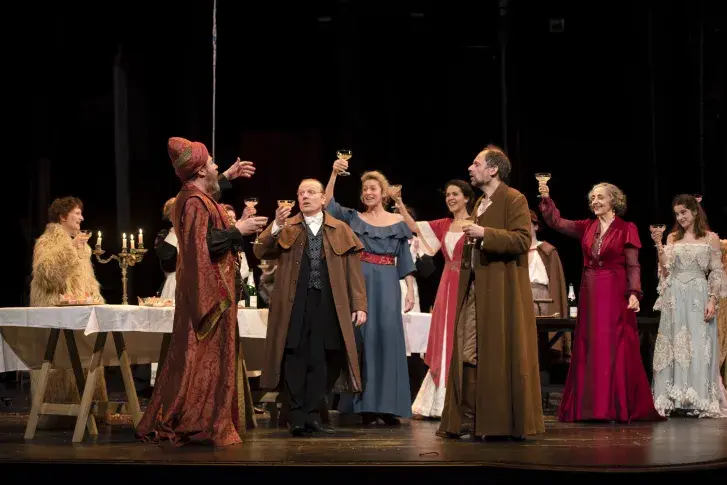
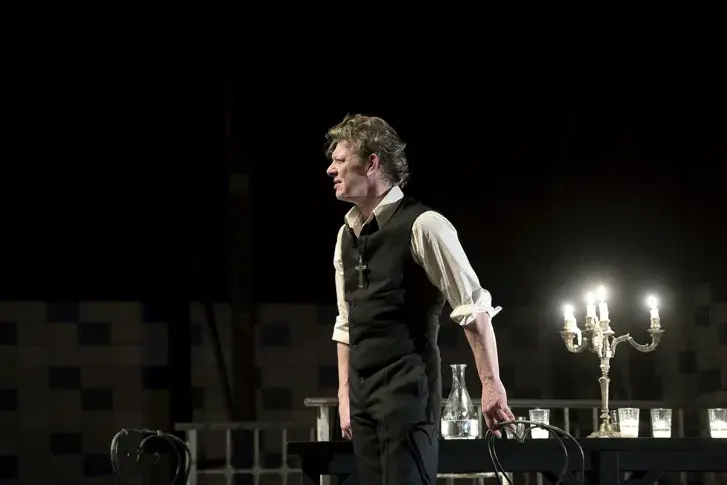
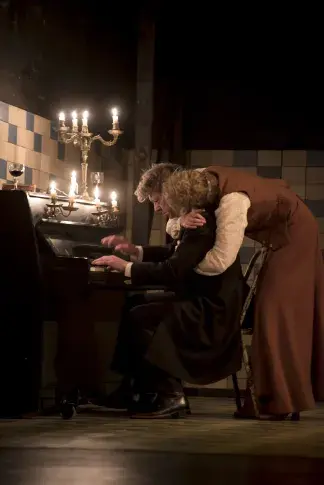
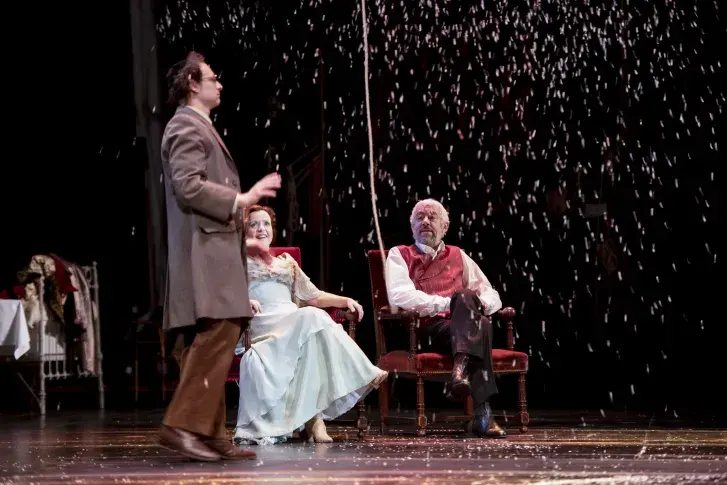
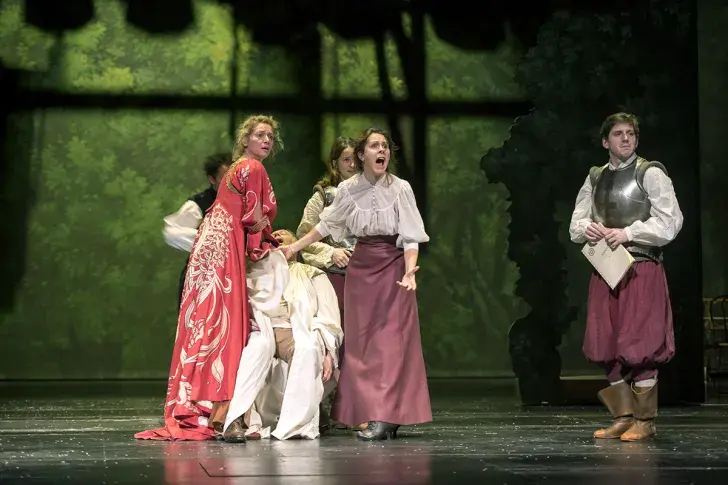
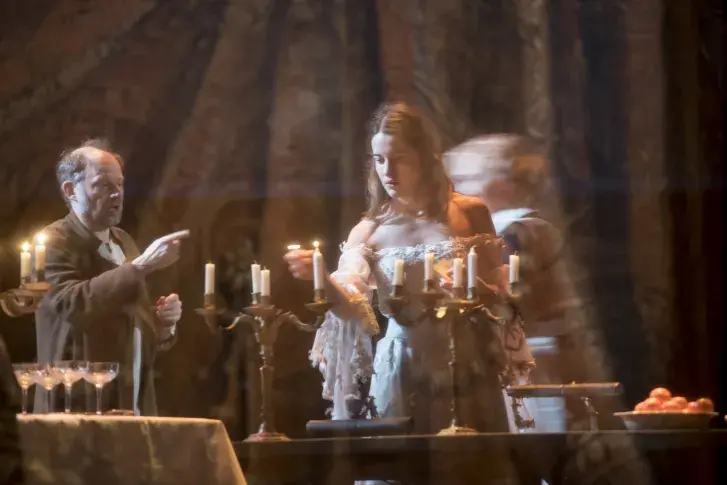
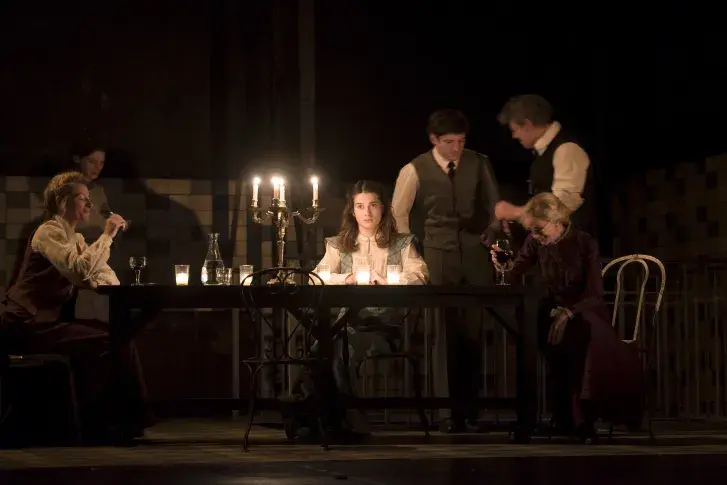
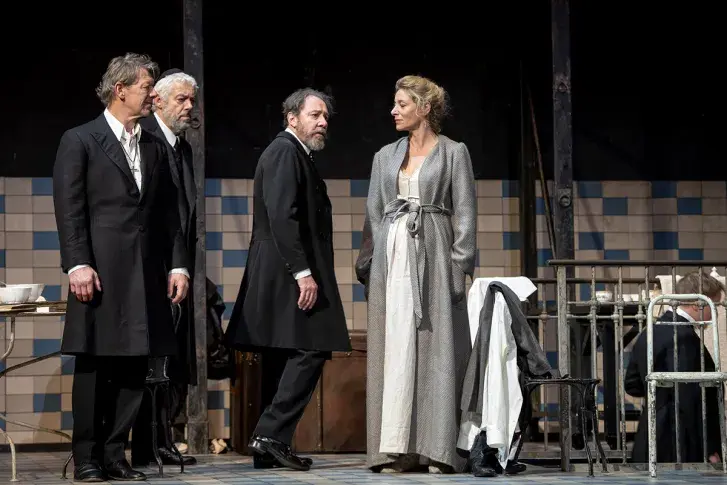
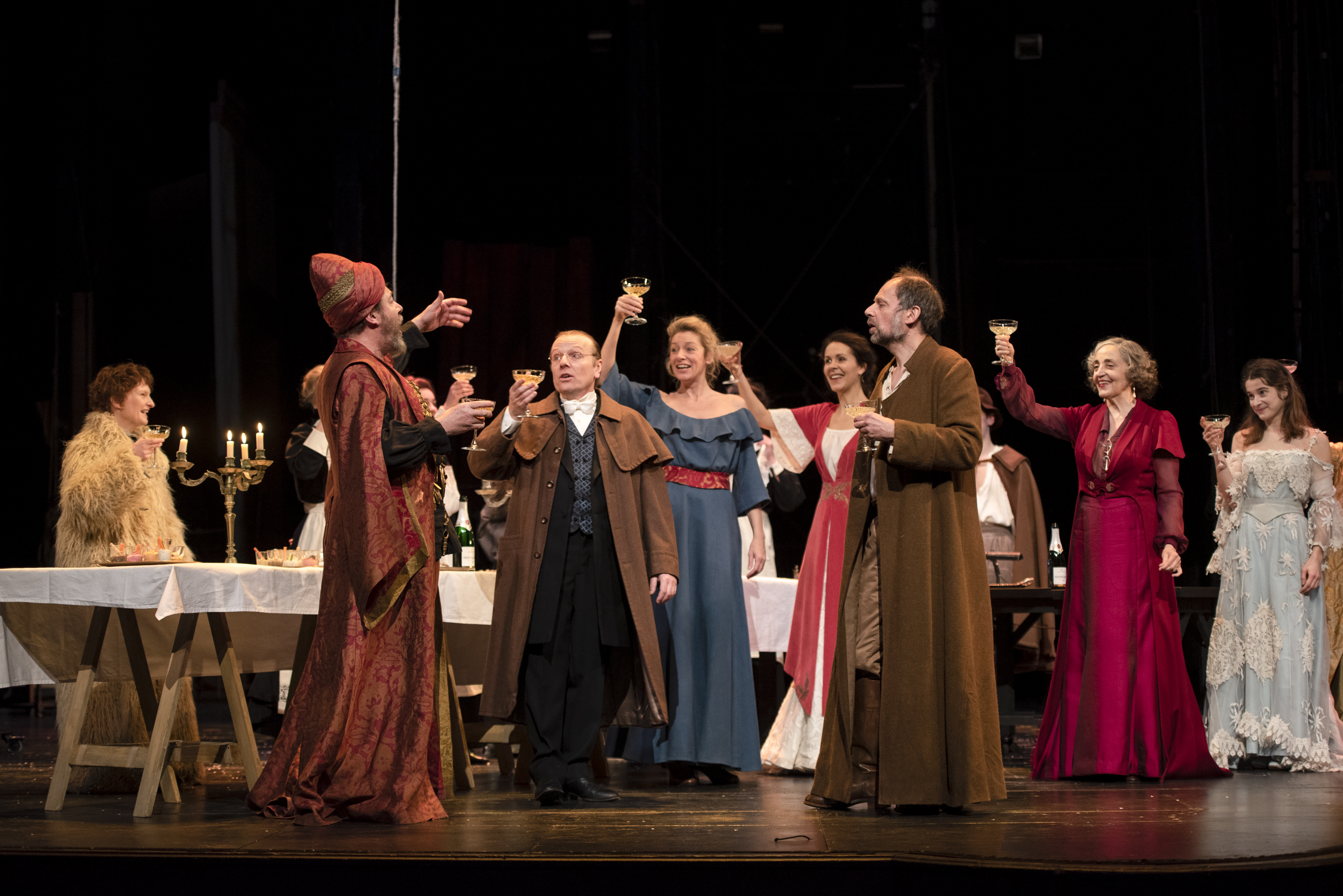
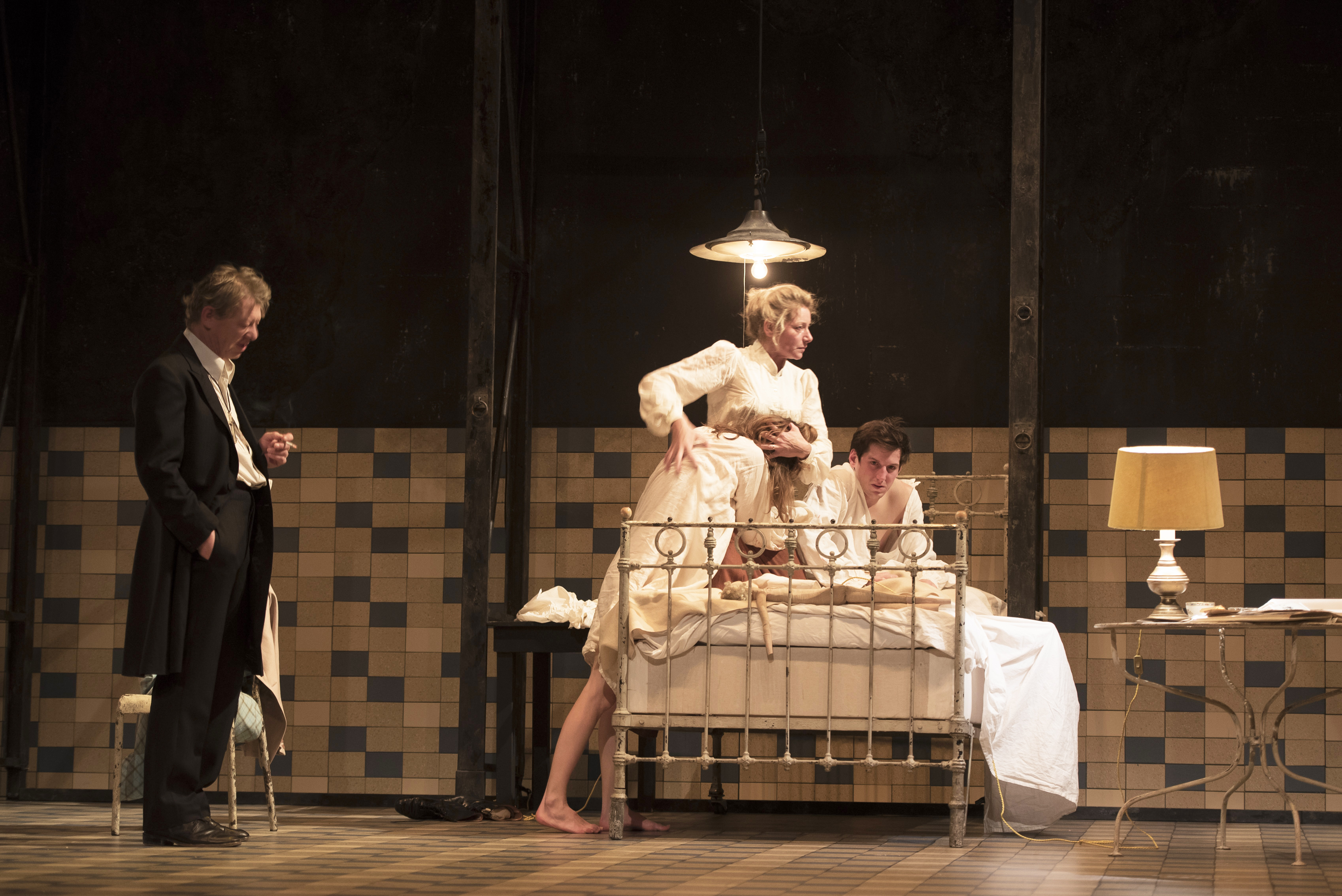
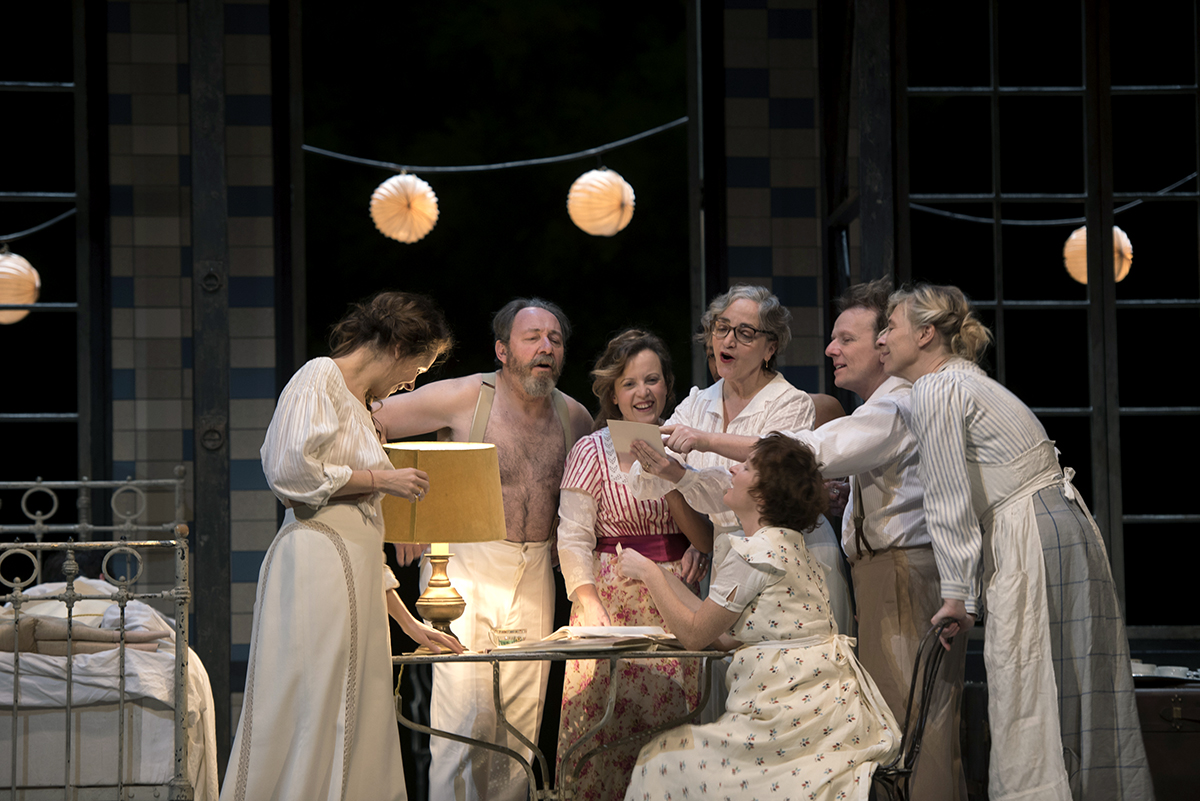
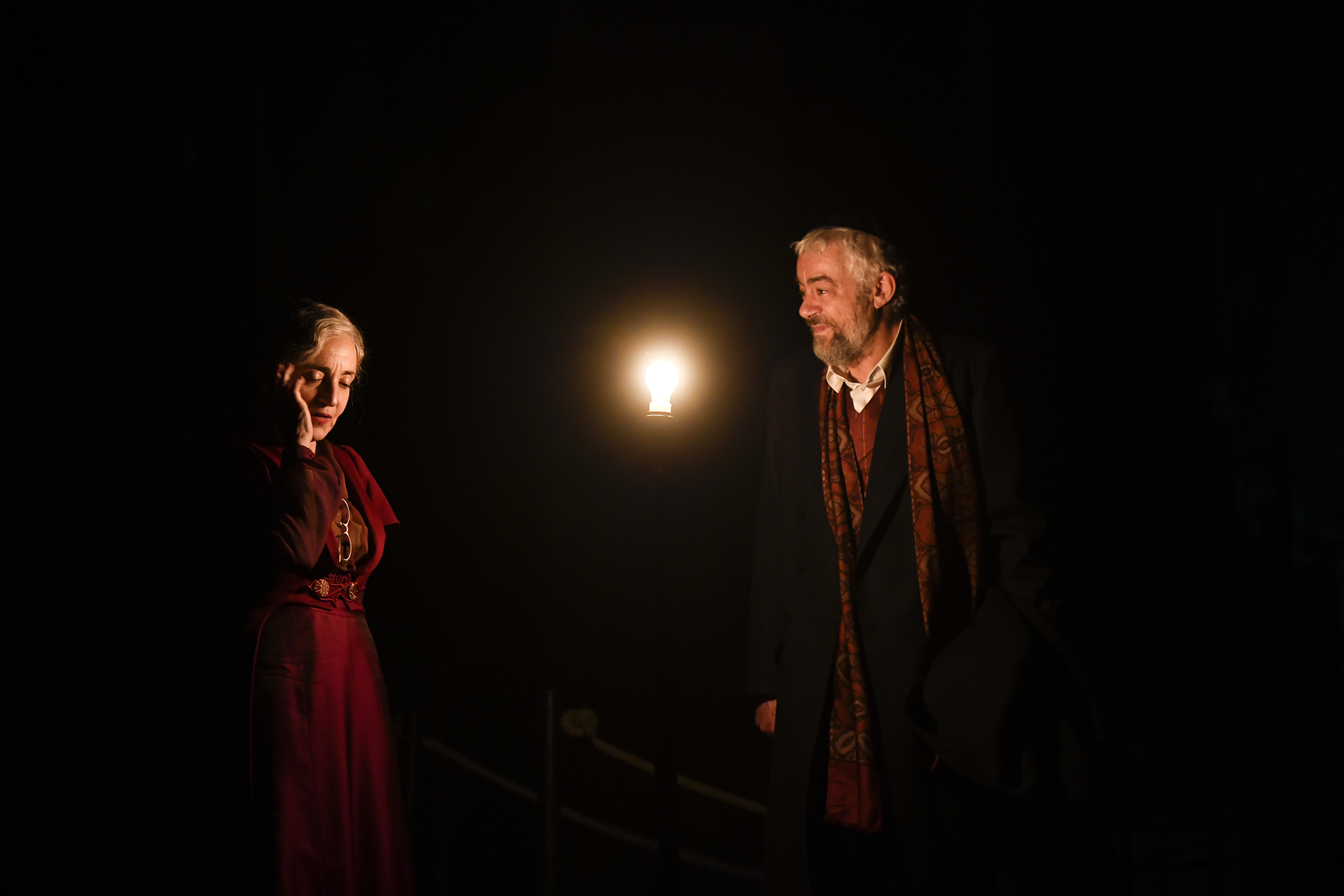
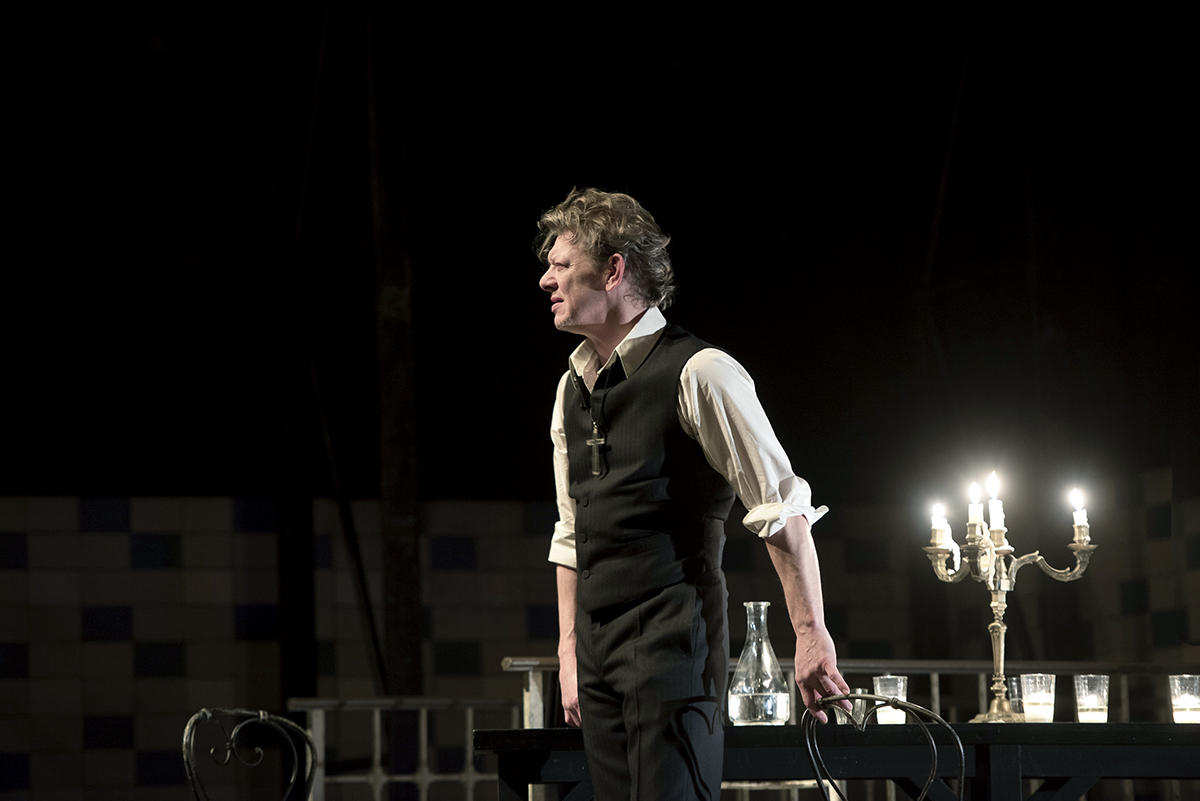
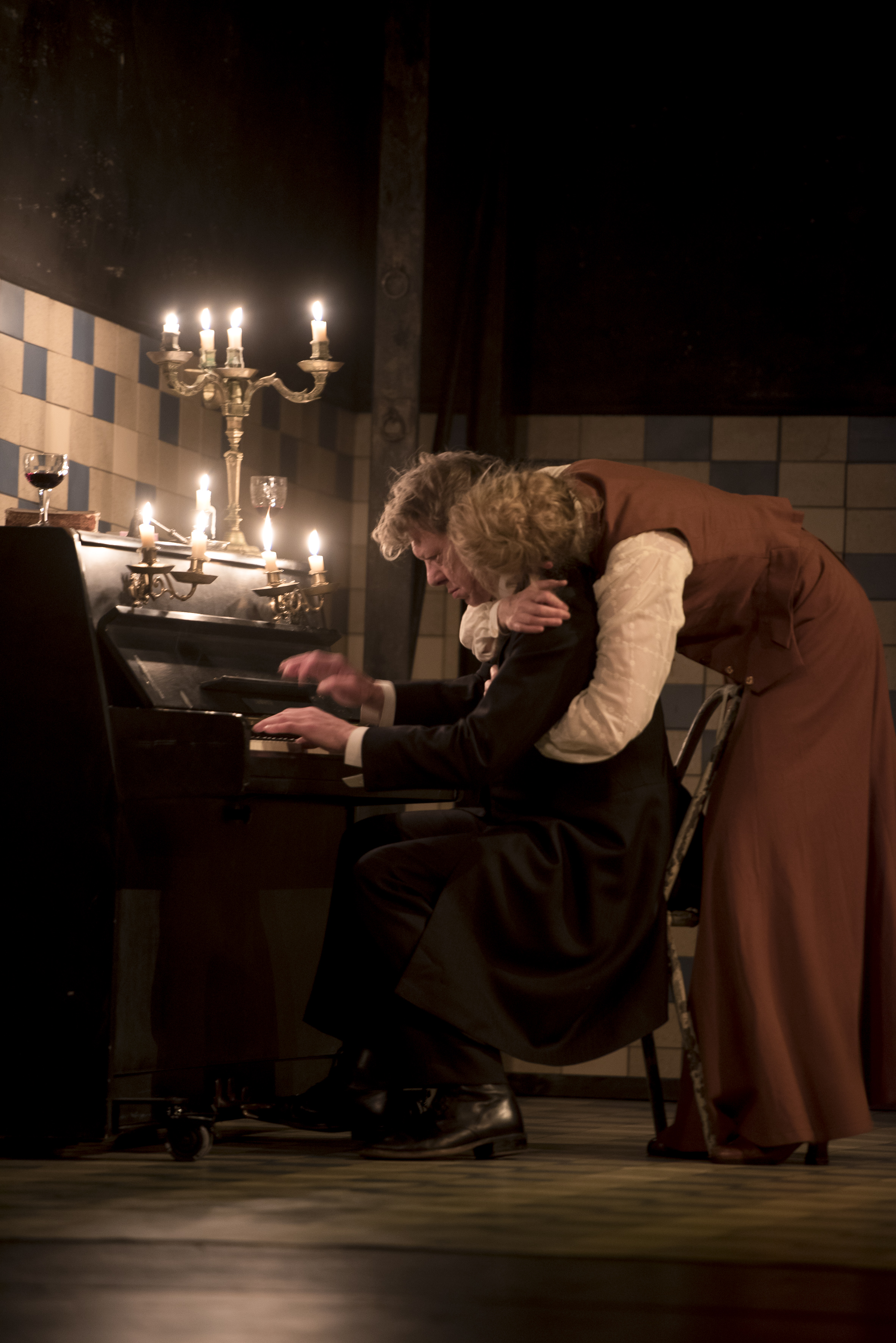
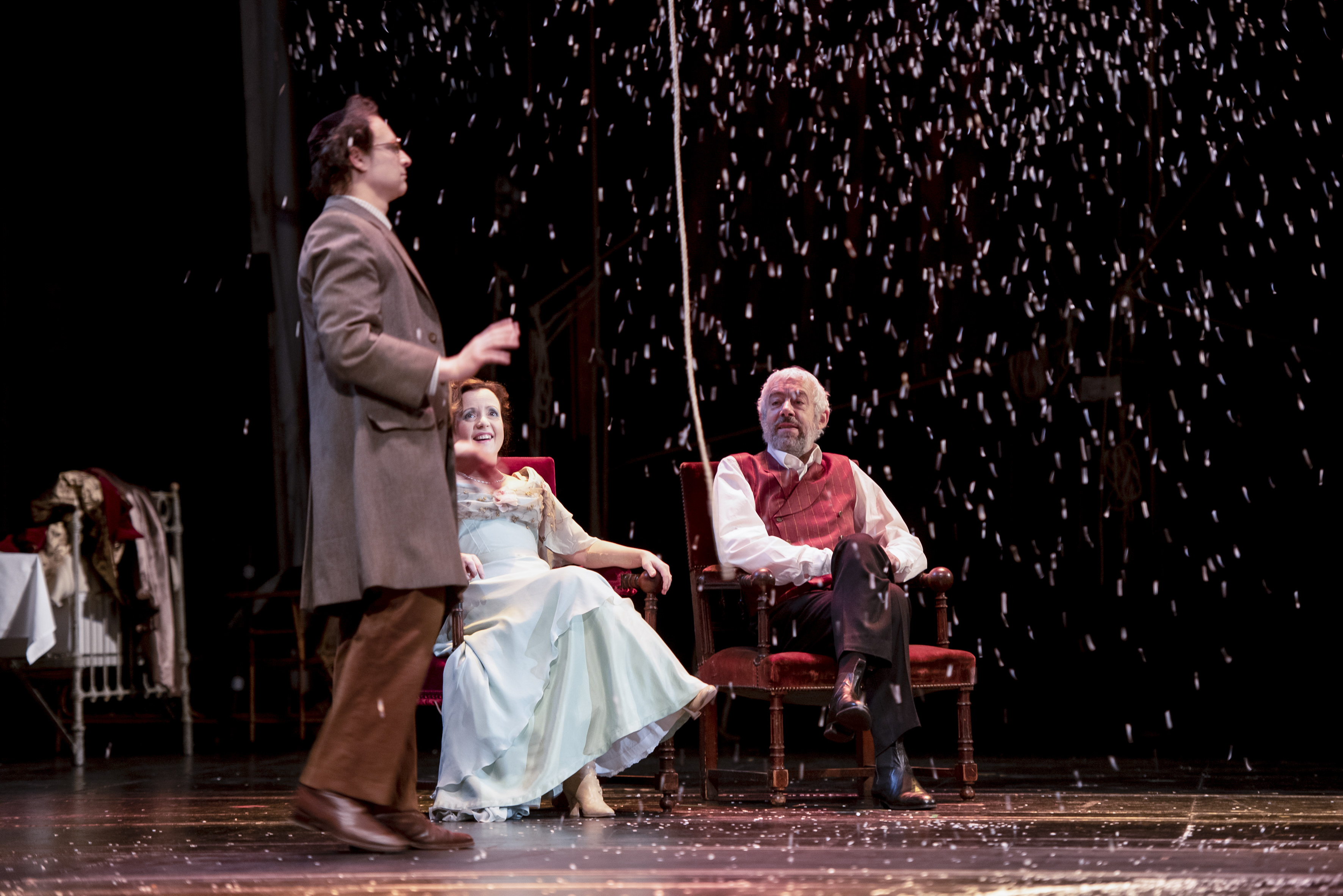
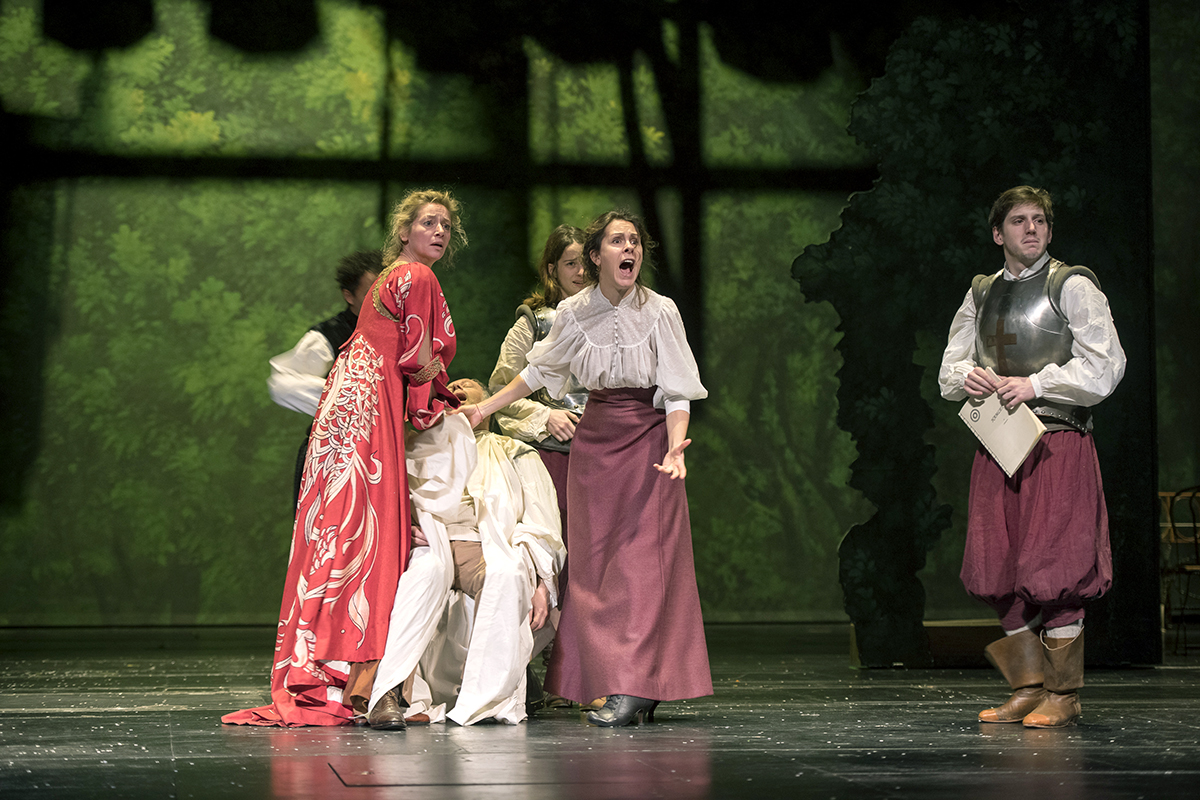
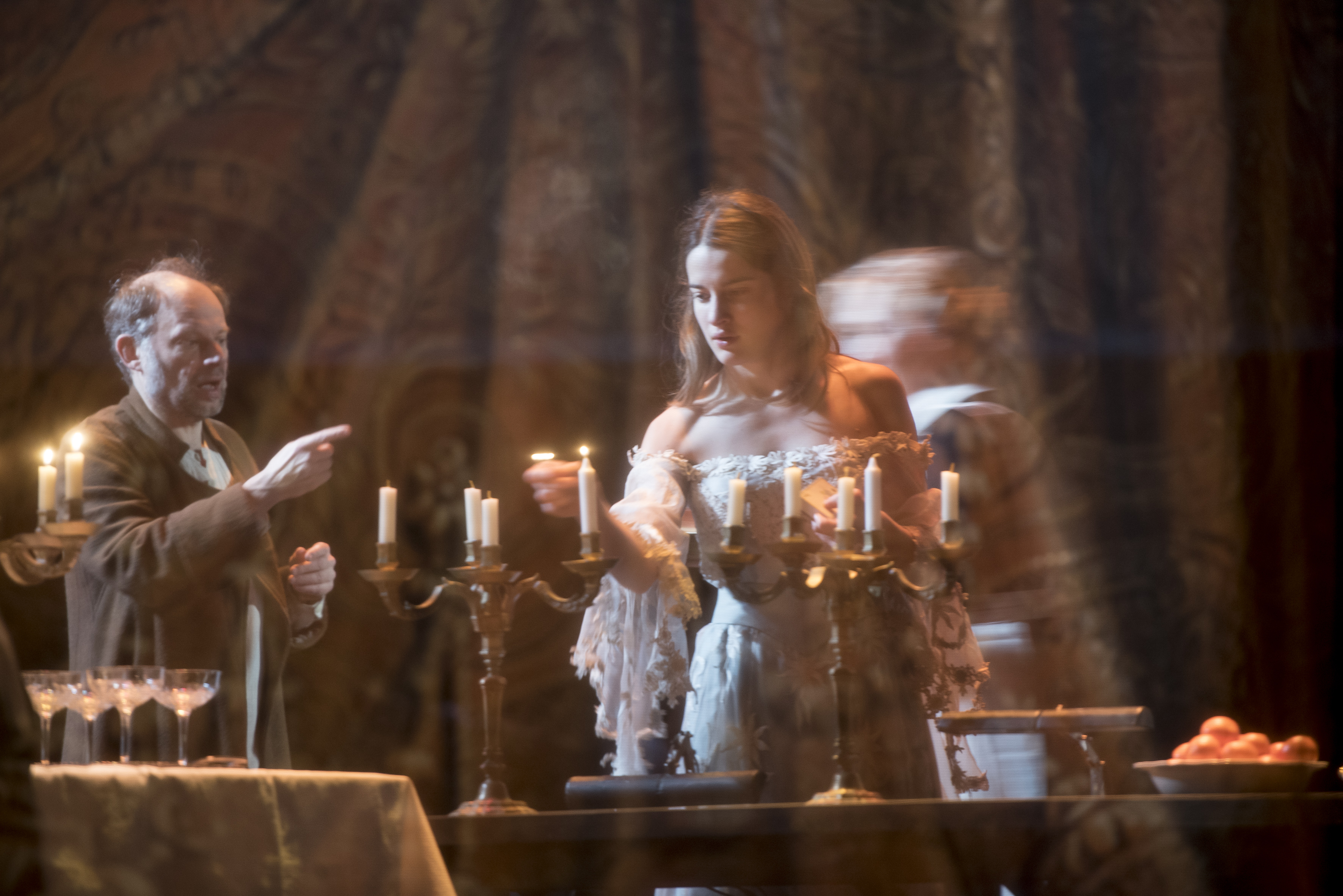
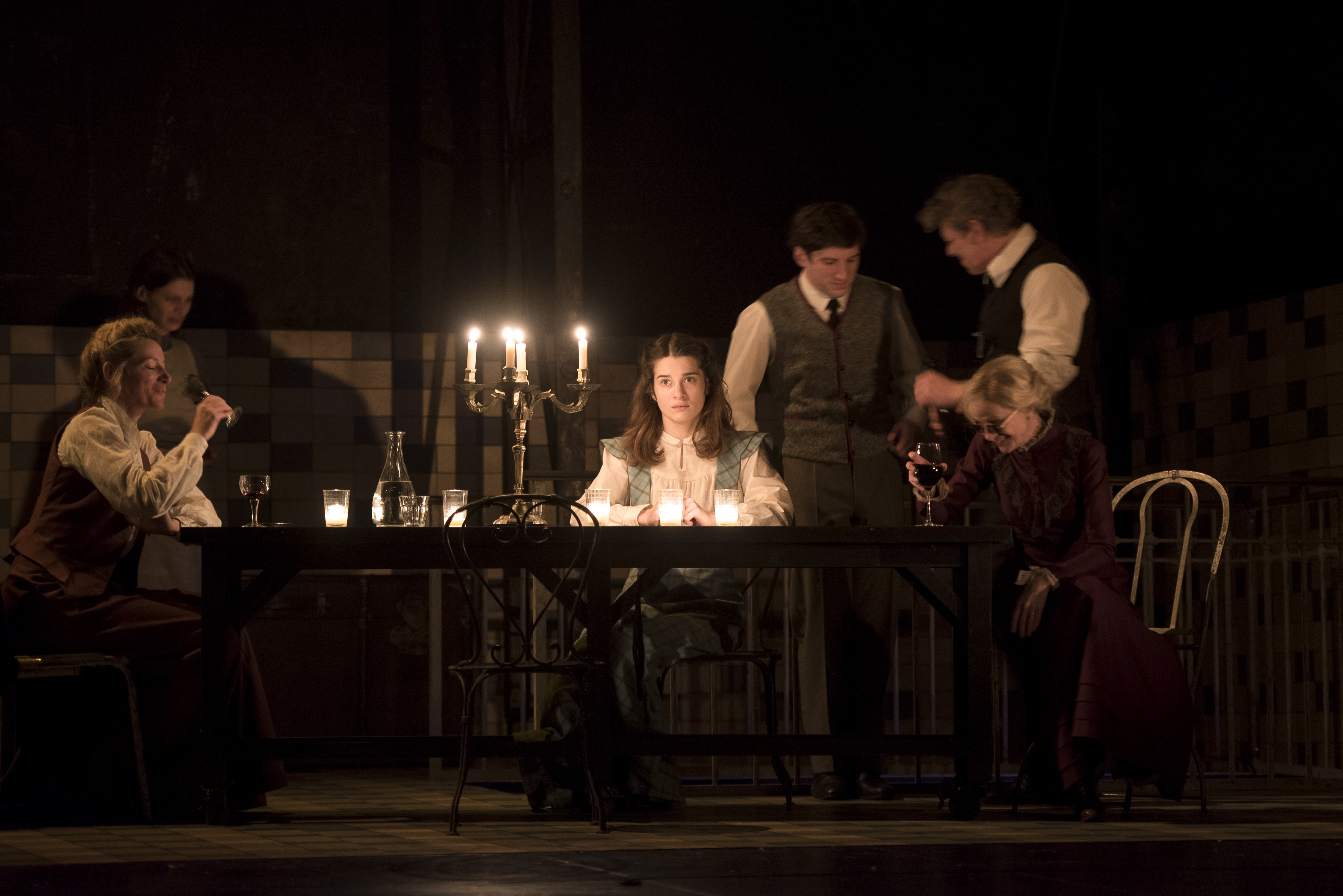
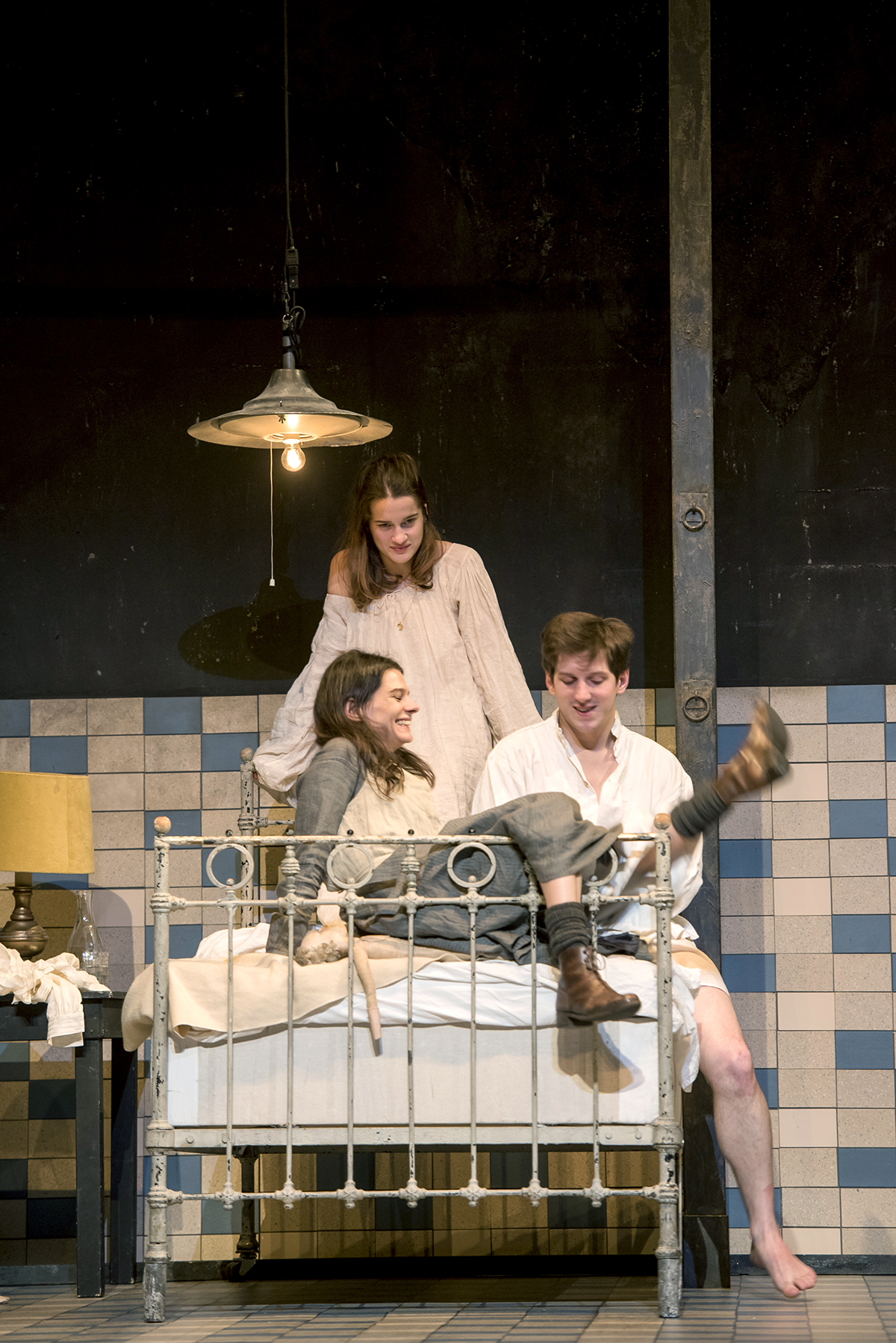
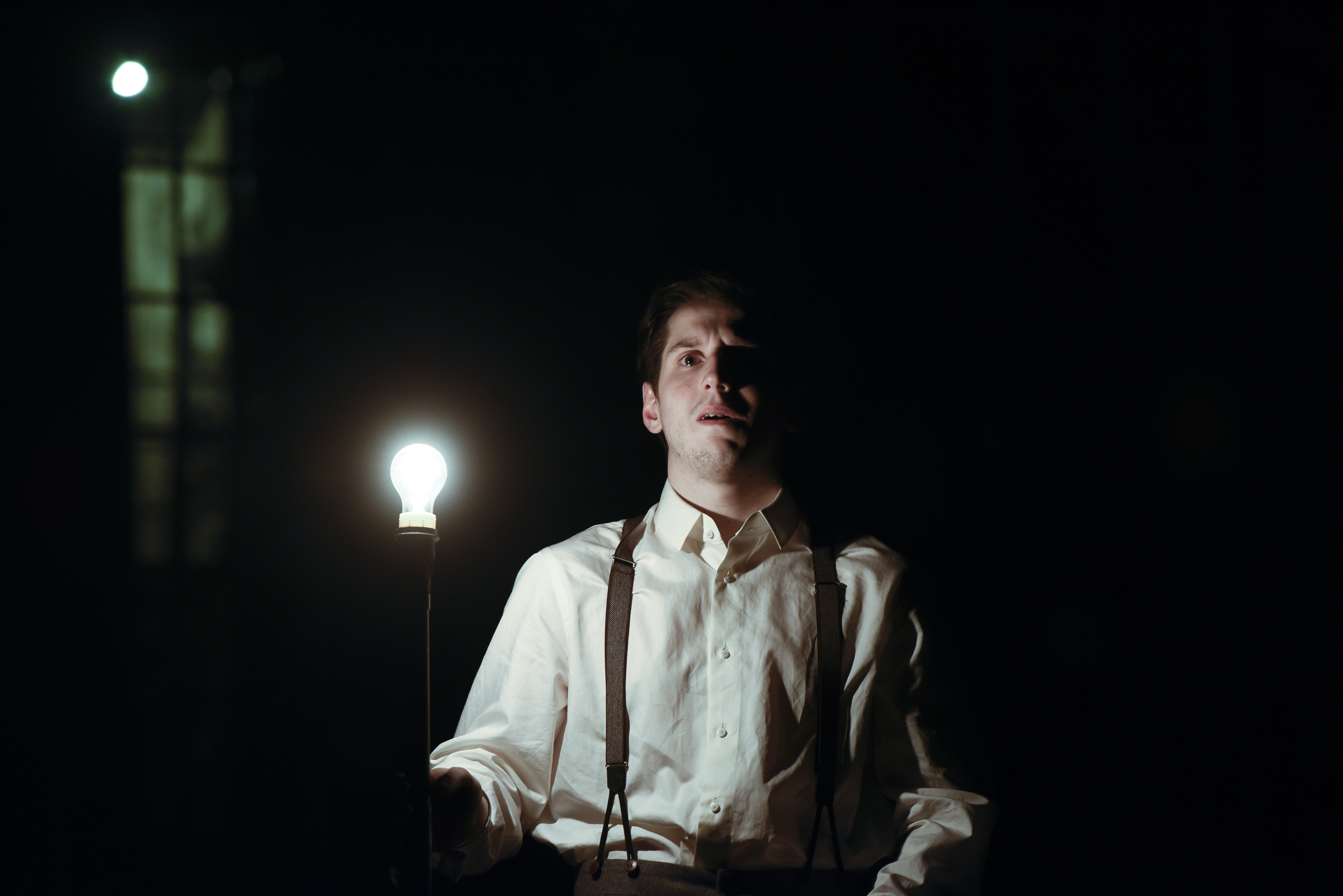
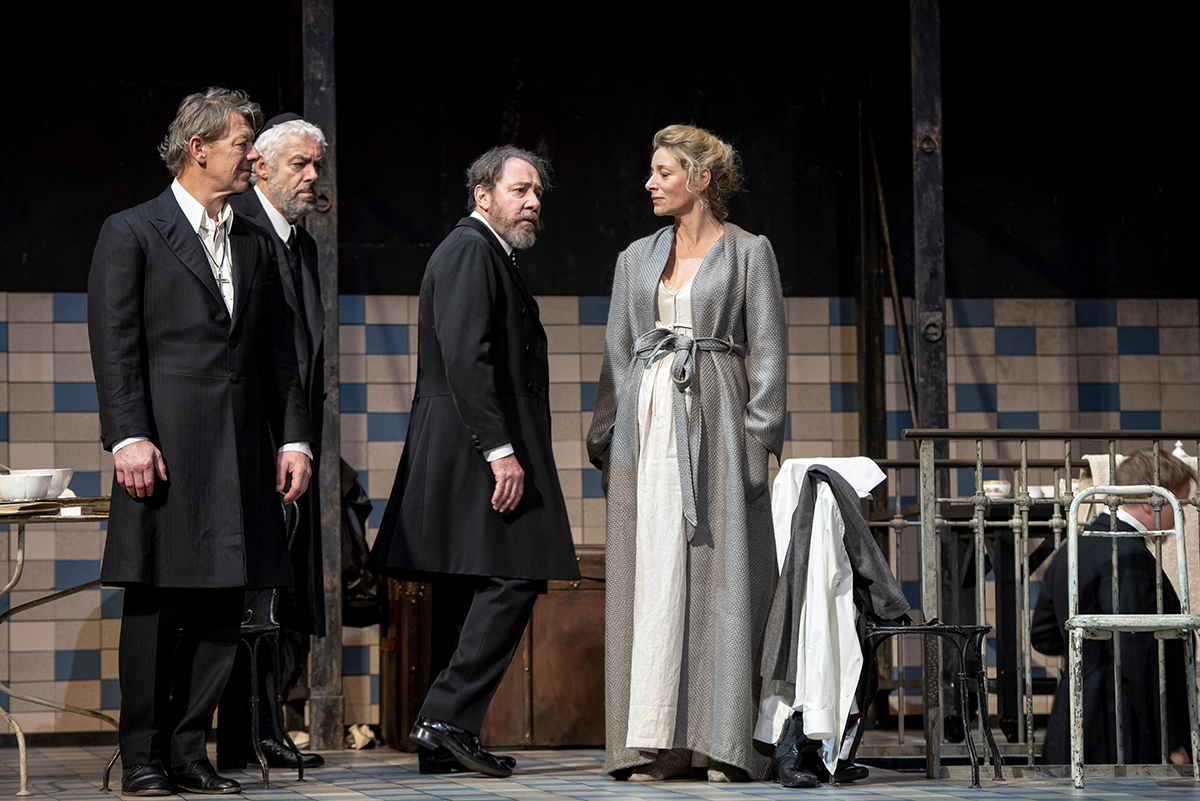
Fanny et Alexandre, qu’il considérait comme son œuvre testamentaire, a d’abord paru dans une version romancée avant d’être réalisé pour la télévision puis adapté au cinéma. C’est de cette matière hybride que s’empare Julie Deliquet qui, après le succès de Vania, retrouve les acteurs de la Comédie-Française pour cette grande fresque sur la vie d’une troupe familiale. Dans une Salle Richelieu transposée au début du XXe siècle, elle les invite au grand banquet de Noël des Ekdhal.
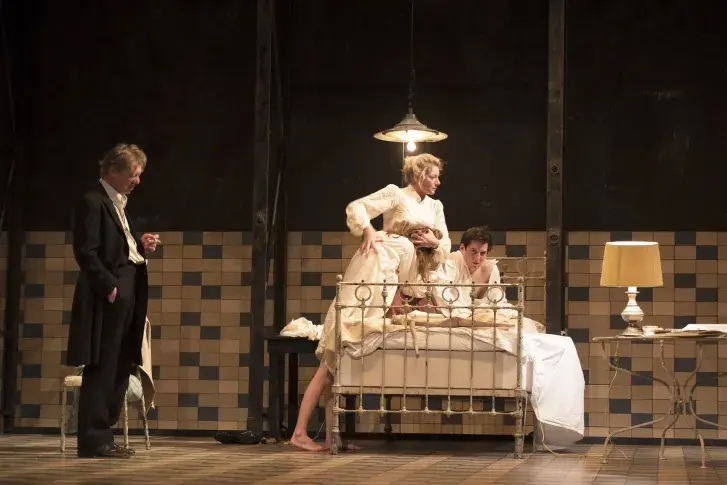
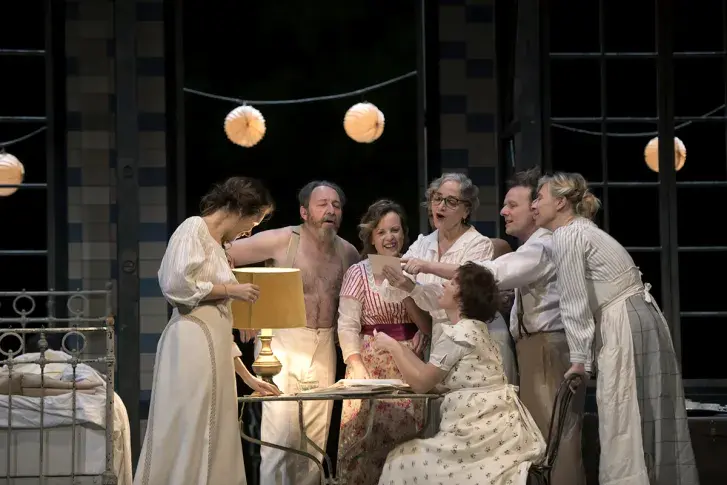
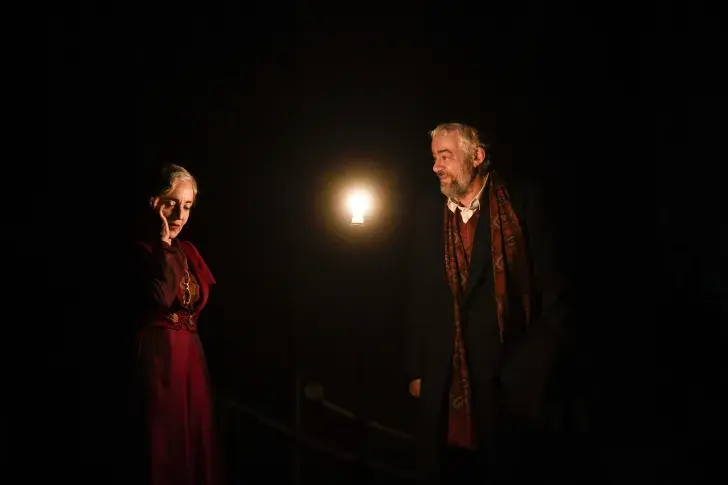
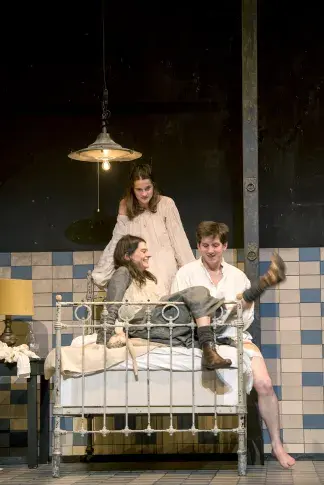
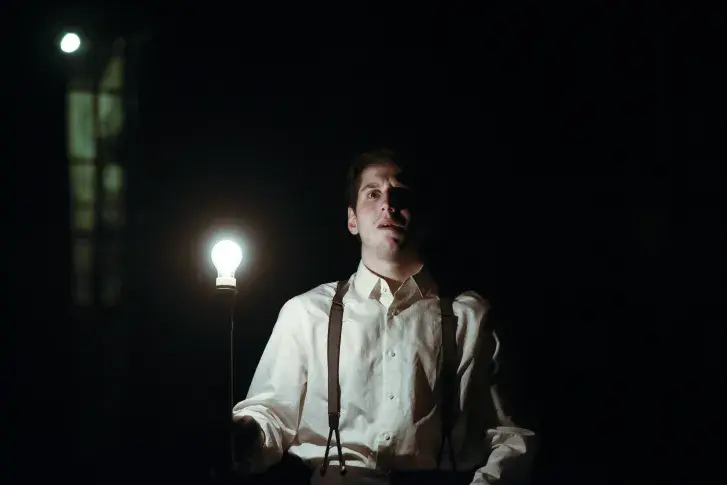
Oscar, le fils d’Helena Ekdhal, a pris la relève de sa mère à la direction du théâtre. Après sa mort précipitée, son épouse Émilie, également actrice, semble trouver en la personne de l’évêque luthérien Edvard Vergerus une voie à même de redonner du sens à son existence. Dès lors, sa vie et celle de ses deux enfants, Fanny et Alexandre, sombrent sous l’emprise de la violence spirituelle de cet homme sanguin. D’Alexandre, figure autobiographique qui résiste à l’instance religieuse avec l’innocence de son âge et la fermeté d’un esprit dévolu à l’imaginaire, à l’ensemble des membres de la famille, les personnages offrent à Julie Deliquet une partition sur des thèmes qui lui sont chers, la famille, le couple, la mort, l’opposition des générations. Elle présente une pièce de troupe irriguée de la pensée de Bergman sur le théâtre, un hommage à cet art, à sa magie et à sa nécessité.NOUVELLE PRODUCTION
ENTRÉE AU RÉPERTOIRE— Lire notre entretien avec Julie Deliquet
— Retrouvez les citations de la pièce déclinées sur les objets de la boutique et le texte d'Ingmar Bergman ici> Le théâtre est mon métier, le cinéma est ma vocation.
BERGMAN RECONNAÎT AU THÉÂTRE une fonction première dans son travail : « Je peux exister sans faire de films. Mais je ne peux pas exister sans faire de théâtre » ou encore « Le théâtre est mon métier, le cinéma est ma vocation ». Ce parcours double prend sa source dès son plus jeune âge, dans le théâtre de marionnette qu’il actionne, enfant, tel le petit garçon de Fanny et Alexandre ou encore dans la visite d’un studio de cinéma lorsqu’il est adolescent. Activités théâtrales et cinématographiques sont imbriquées, plus encore que chez Visconti : même troupe, mêmes effets de citations d’un art à l’autre. De 1938 à 2002, il réalise une quarantaine de films et monte plus d’une centaine de pièces, tour à tour directeur artistique du Théâtre municipal d’Helsingborg, directeur du Théâtre royal dramatique de Stockholm (le Dramaten), œuvrant aussi à Göteborg, Malmö, Munich, ses mises en scène sont jouées en tournées, dans le monde entier.
Auteur, il monte ses propres textes, mais aborde aussi un vaste répertoire en tant que metteur en scène. Il affiche sa prédilection pour Strindberg, son compatriote. Son répertoire est éclectique et parcourt un large empan de la littérature dramatique mondiale : Ibsen, Peter Weiss, Pirandello, O’Neill, Ostrovski, Büchner, Gombrowicz, Tabori, Botho Strauss, Mishima, Camus, Anouilh, Goethe, Tennessee Williams, Garcia Lorca, Tchekhov, Shakespeare, Brecht… et Molière, qu’il admire par-dessus tout.
Sa vision de la scène est fortement influencée par sa pratique du cadrage cinématographique : il groupe les acteurs, leur demande de s’adresser au public, comme ils pourraient le faire devant la caméra, il sculpte les corps au moyen de lumières qui focalisent l’action.
Iconoclaste, il mêle les époques dans un même spectacle, tout en revenant aux fondamentaux du plateau « historique » : évocation de l’architecture du théâtre du Globe pour Shakespeare, utilisation des lustres et des quinquets de l’époque classique pour Molière, travestissement de Madame Pernelle dans son Tartuffe, fidèle à la création. Habitué au collage/montage de la réalisation cinématographique, il n’hésite pas à manipuler le texte pour rendre son interprétation plus percutante. Ainsi, déplaça-t-il, par exemple, le célèbre monologue d’Hamlet « to be or not to be », au sein de la scène des comédiens.
Au fil de sa carrière, il va vers une épure esthétique toujours plus intense, réduit l’aire de jeu, résume le plateau à un simple tréteau, place les acteurs à vue entre leurs scènes pour maintenir un lien et une tension avec le spectateur, en s’inspirant du « foyer des travestissements », détail de l’architecture de la Salle Richelieu, qui, à proximité de la scène de la Comédie-Française elle-même, permet aux comédiens de se changer ou de se reposer sans perdre le lien avec la scène.
Bibliographie : Ingmar Bergman, introduction et choix de textes par Odette Aslan, Actes Sud-papiers, collection « Mettre en scène », 2012.Odette Aslan, « Ingmar Bergman metteur en scène et auteur », in Revue d’histoire du théâtre, 2015-III, n° 267, p. 451-463.
- Visuel : Le Retour d'Ulysse, scénario de Jules Lemaître, 1908, "L'Académie et la Comédie travaillant pour le cinématographe"
-
Traduction : Lucie Albertini et Carl Gustaf Bjurström
Version scénique : Florence Seyvos, Julie Deliquet et Julie André
Mise en scène : Julie Deliquet
Scénographie : Éric Ruf et Julie Deliquet
Costumes : Julie Scobeltzine
Lumière : Vyara Stefanova
Musique originale : Mathieu Boccaren
Collaboration artistique : Julie André
Assistanat à la scénographie : Zoé Pautet
Documents
-
 Télécharger le PDF (1.53 MB)
Programme Fanny et Alexandre 18/19
Programme de Fanny et Alexandre d'Ingmar Bergman. Mise en scène de Julie Deliquet. Salle Richelieu (saison 2018/2019).