Le Voyage de G. Mastorna
after Federico Fellini
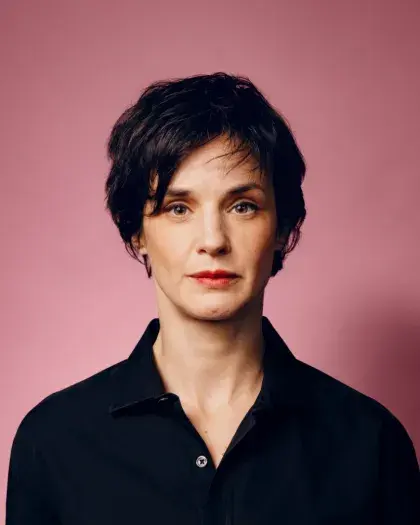
Directed by Marie Rémond
From 28 March to 5 May

Discover the play
-
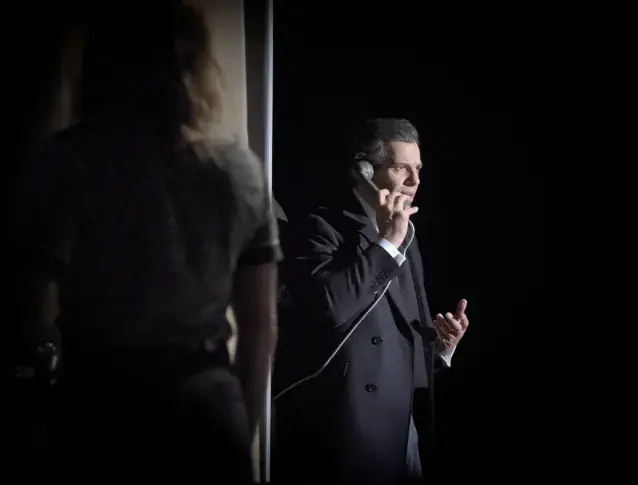
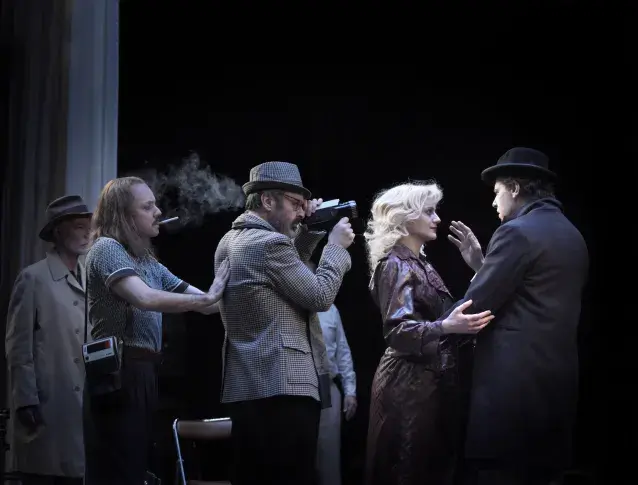
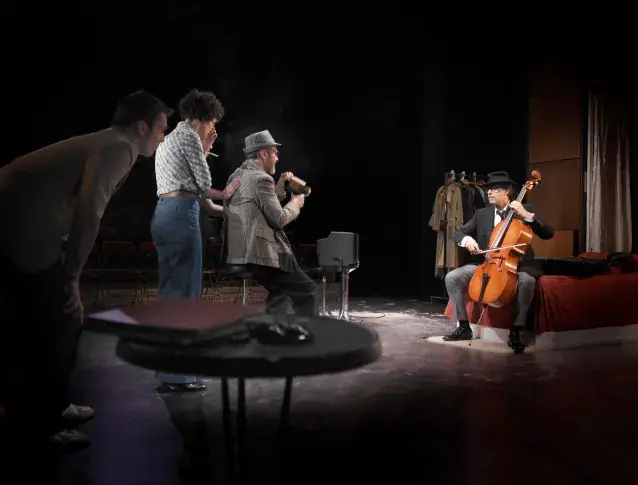
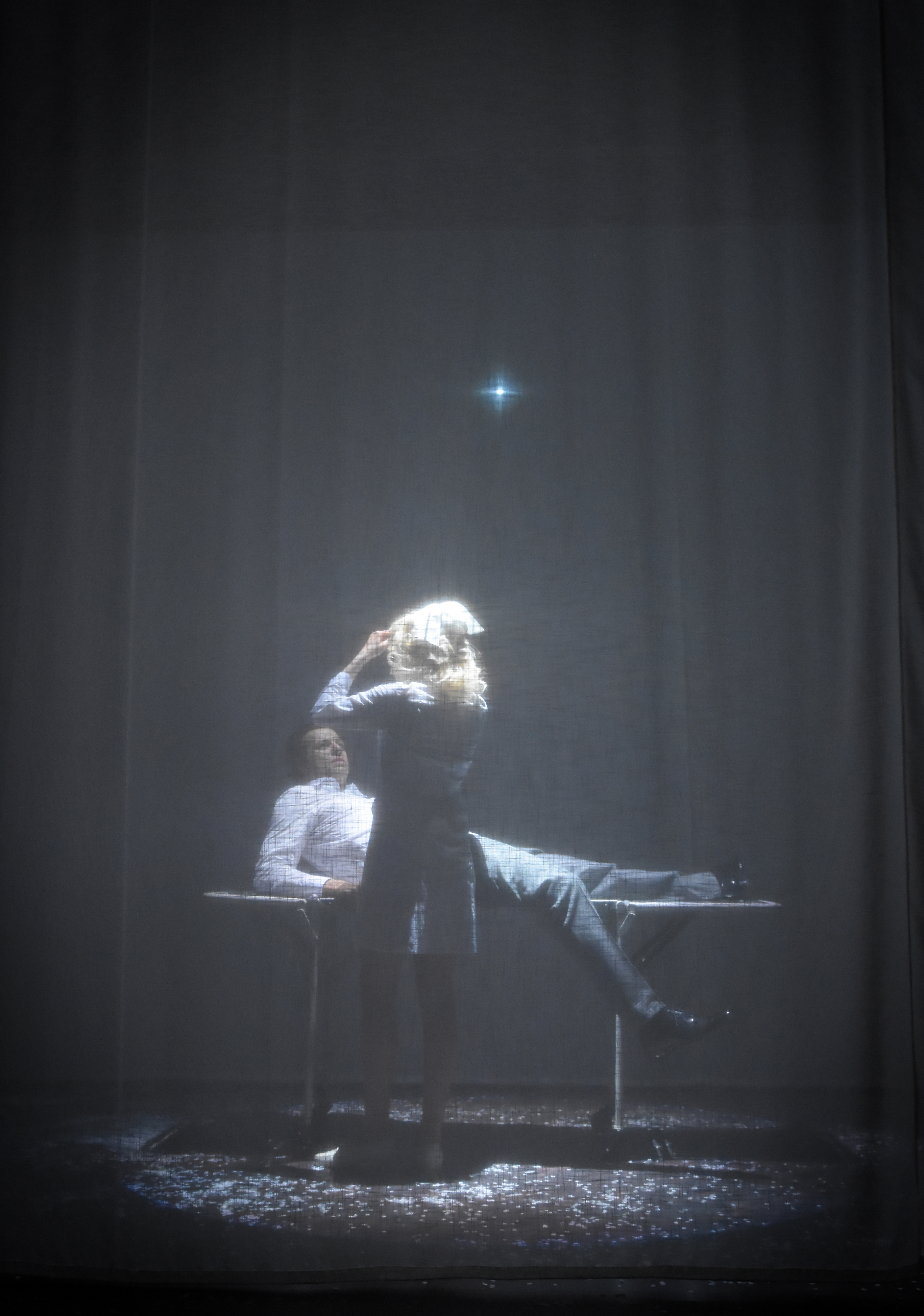
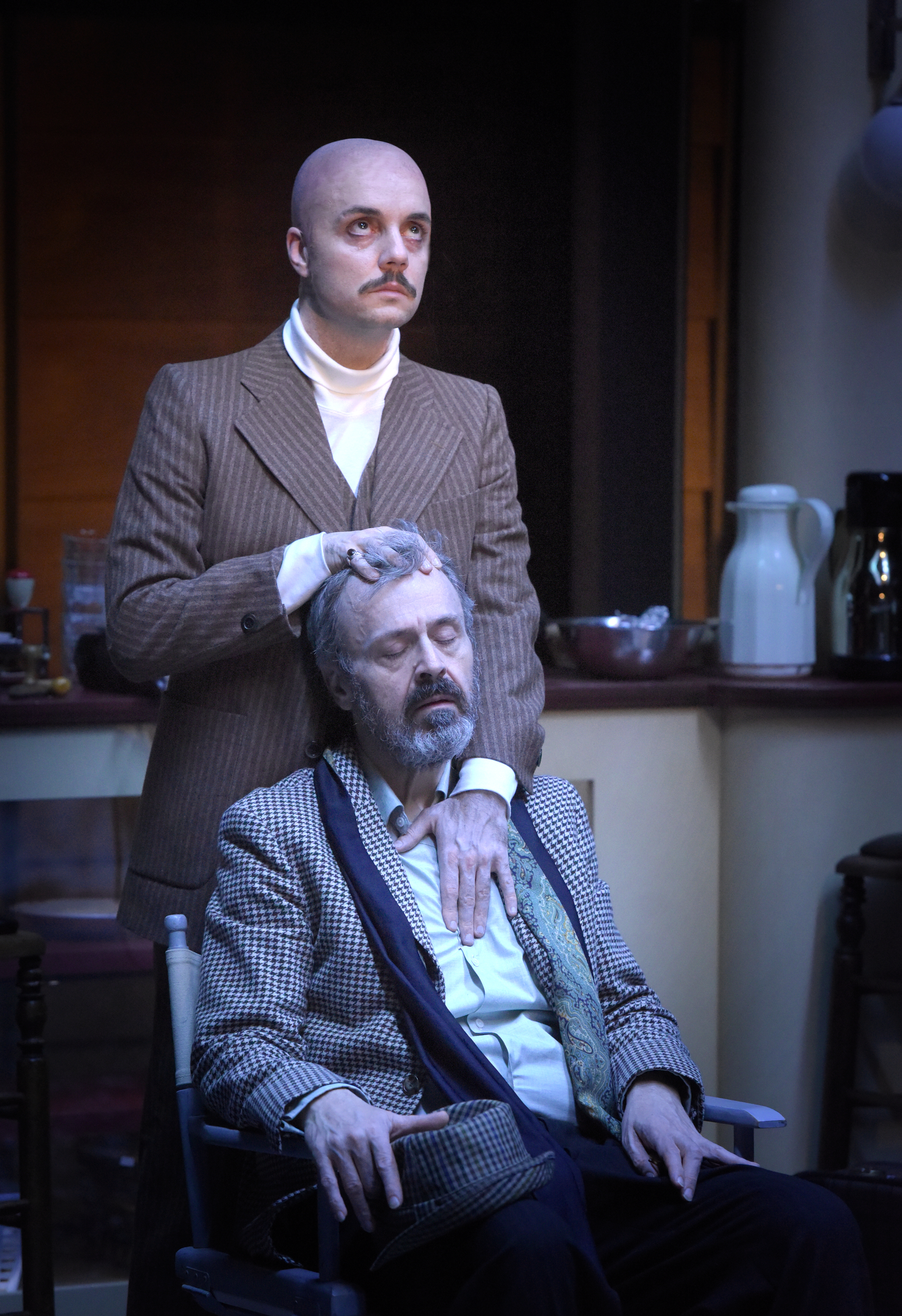
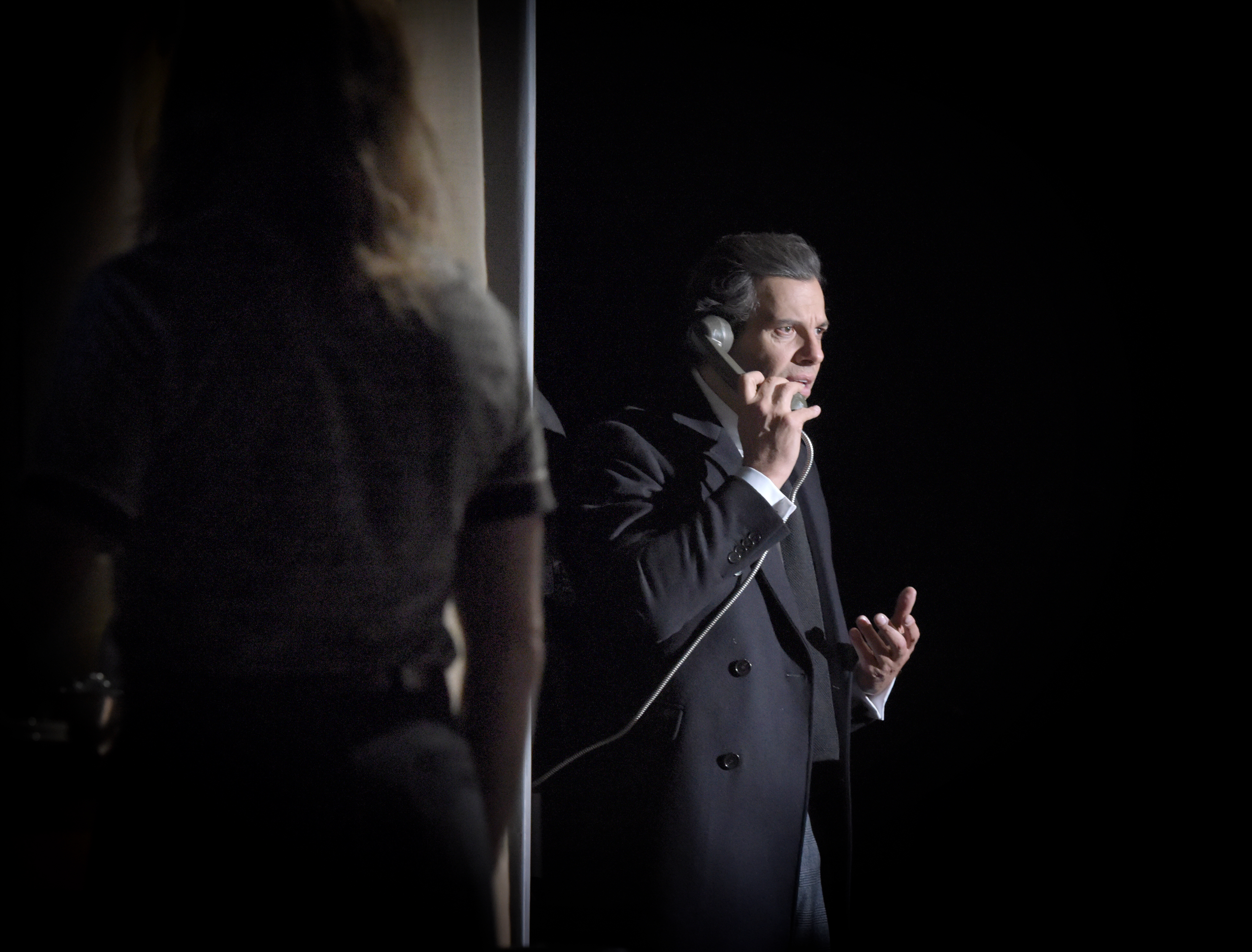
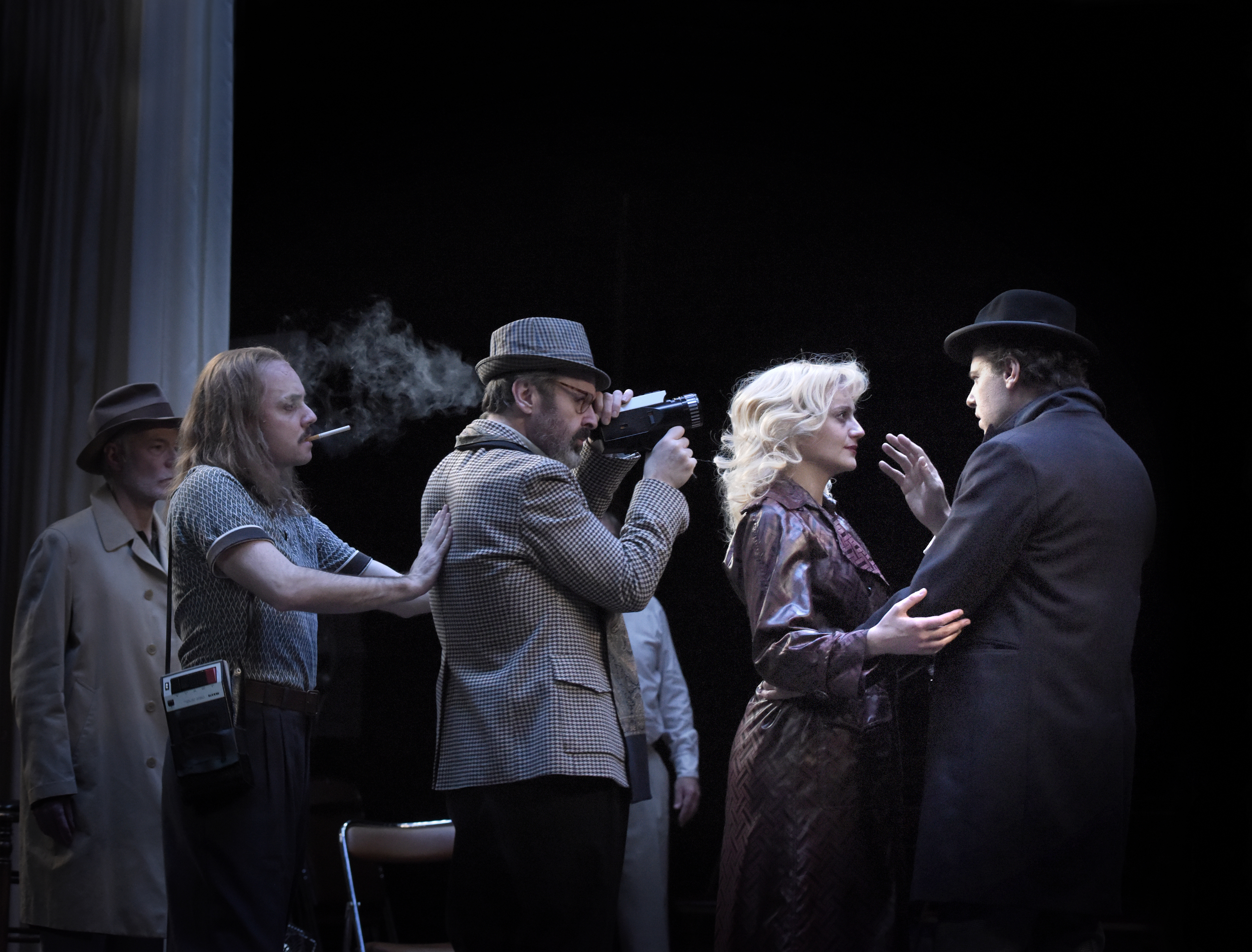
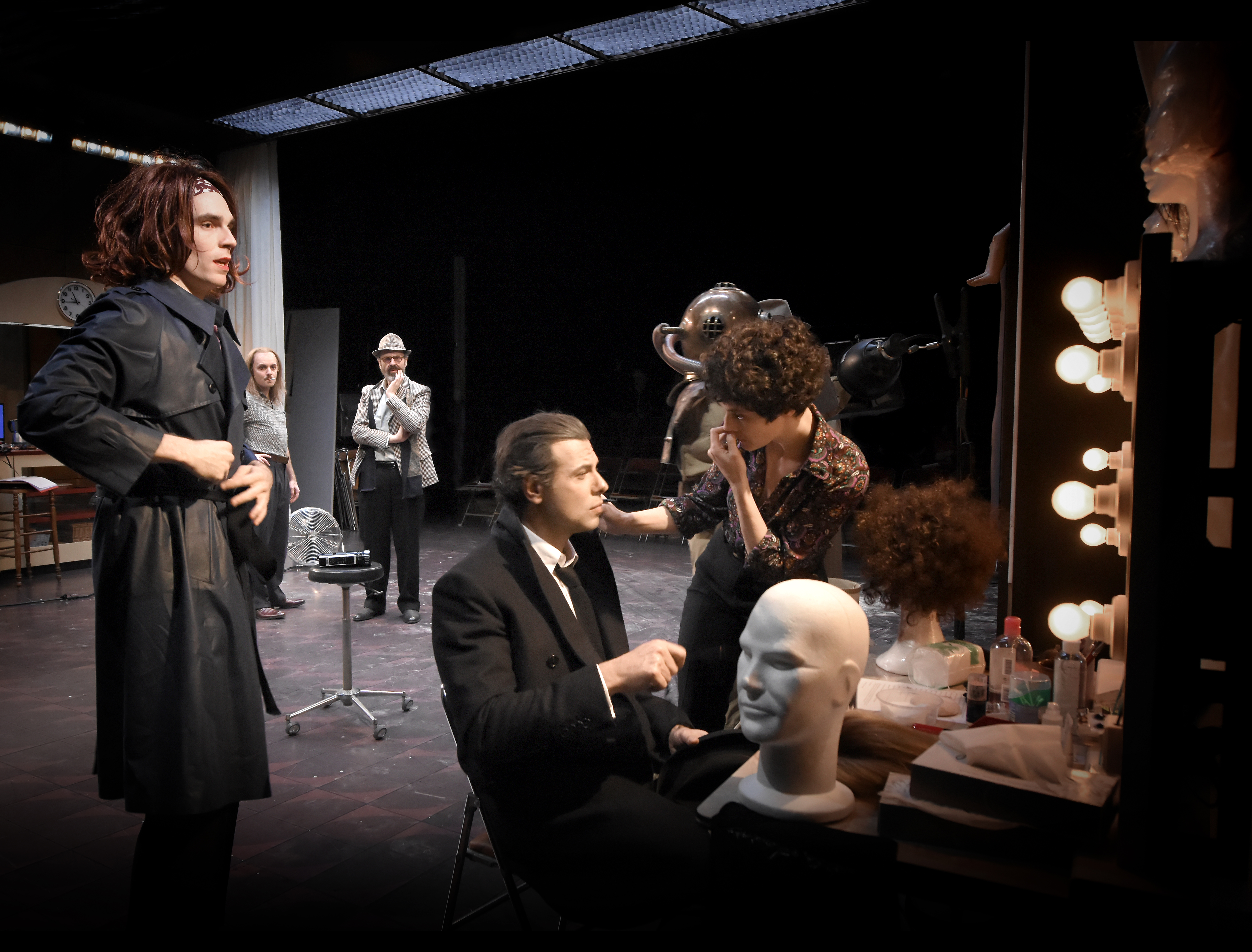
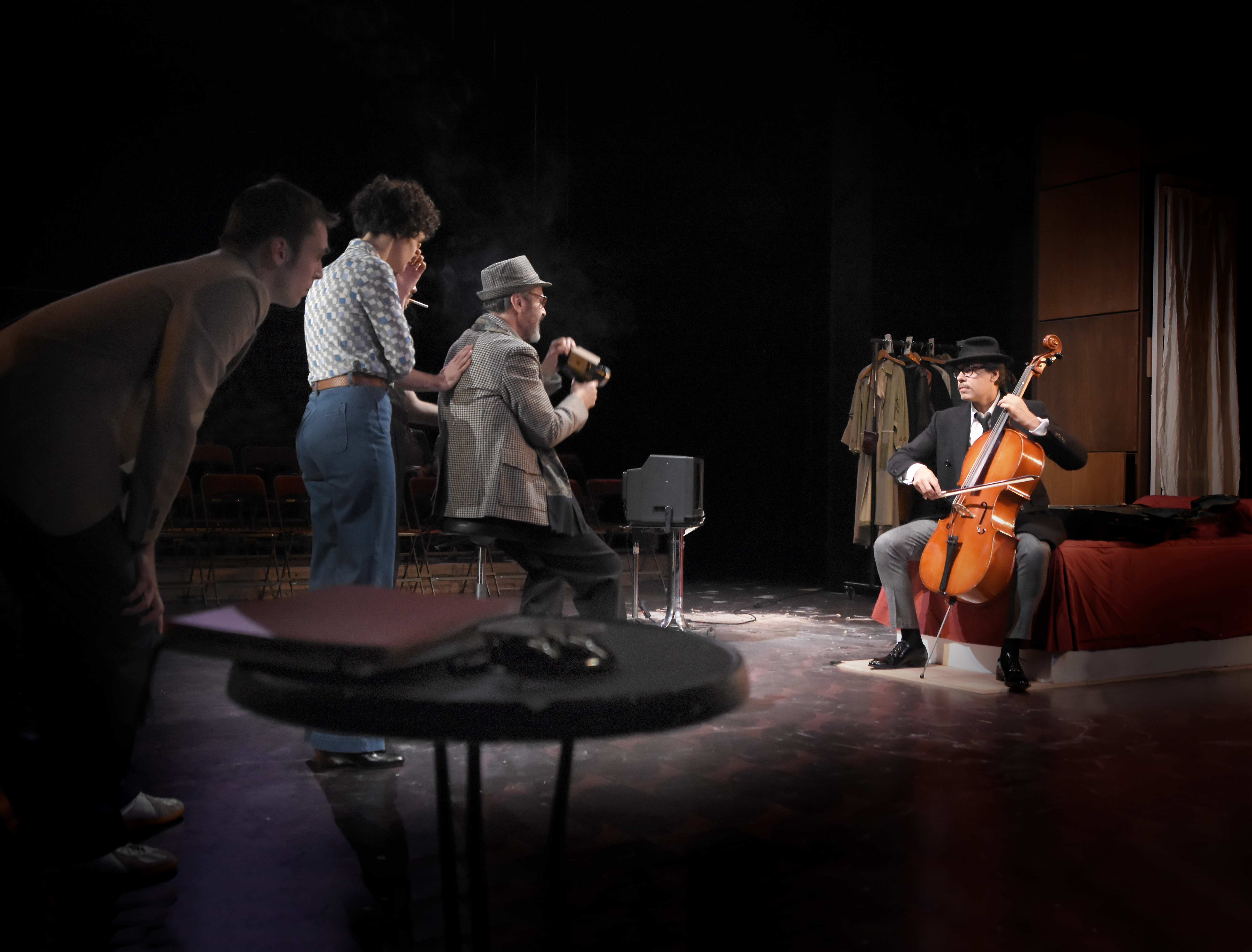
Un projet qu’il disait être le plus important de sa vie et que lui-même a rendu mythique. Au sommet de sa gloire, alors qu’il vient de tourner Huit et demi et Juliette des esprits, il s’engage dans ce « thriller métaphysique ». Il y a de la Divine Comédie de Dante dans l’odyssée de Giuseppe Mastorna, violoncelliste de renommée internationale qui, victime d’un accident d’avion, se retrouve dans une sorte de ville-limbes, un au-delà baroque et cauchemardesque. Ne parvenant pas à prouver son identité, « il a perdu le sens le plus authentique de la vie », explique le réalisateur italien qui soumet son « double » à une série d’épreuves kafkaïennes.
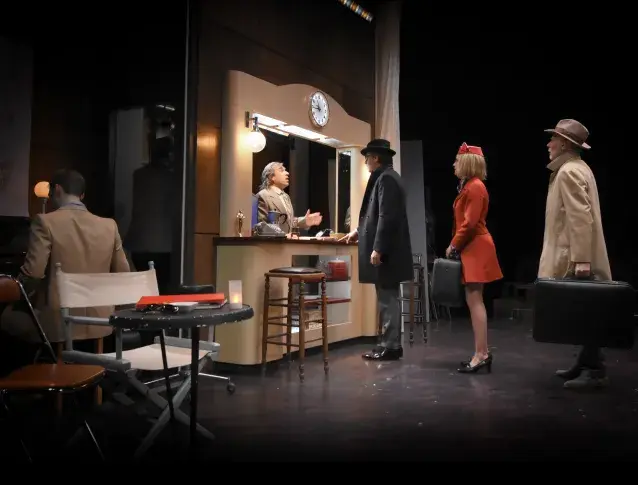
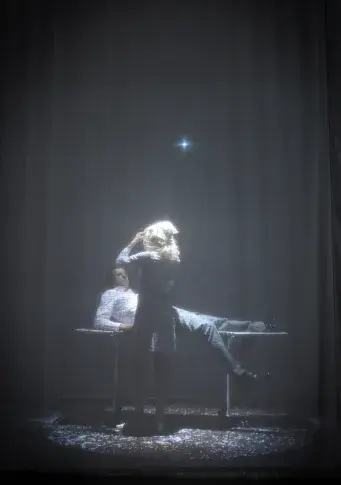
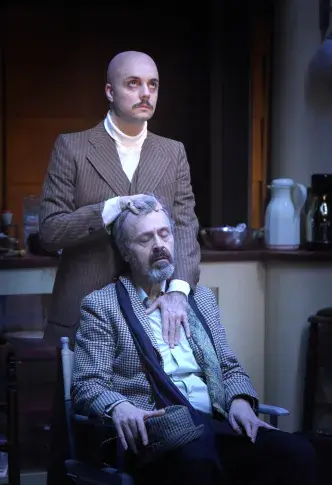
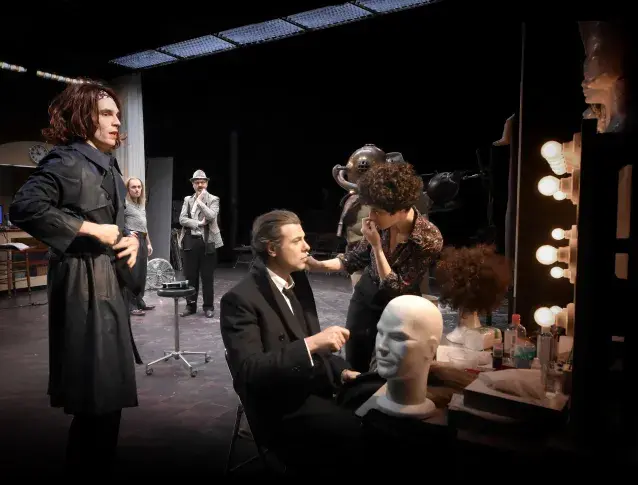
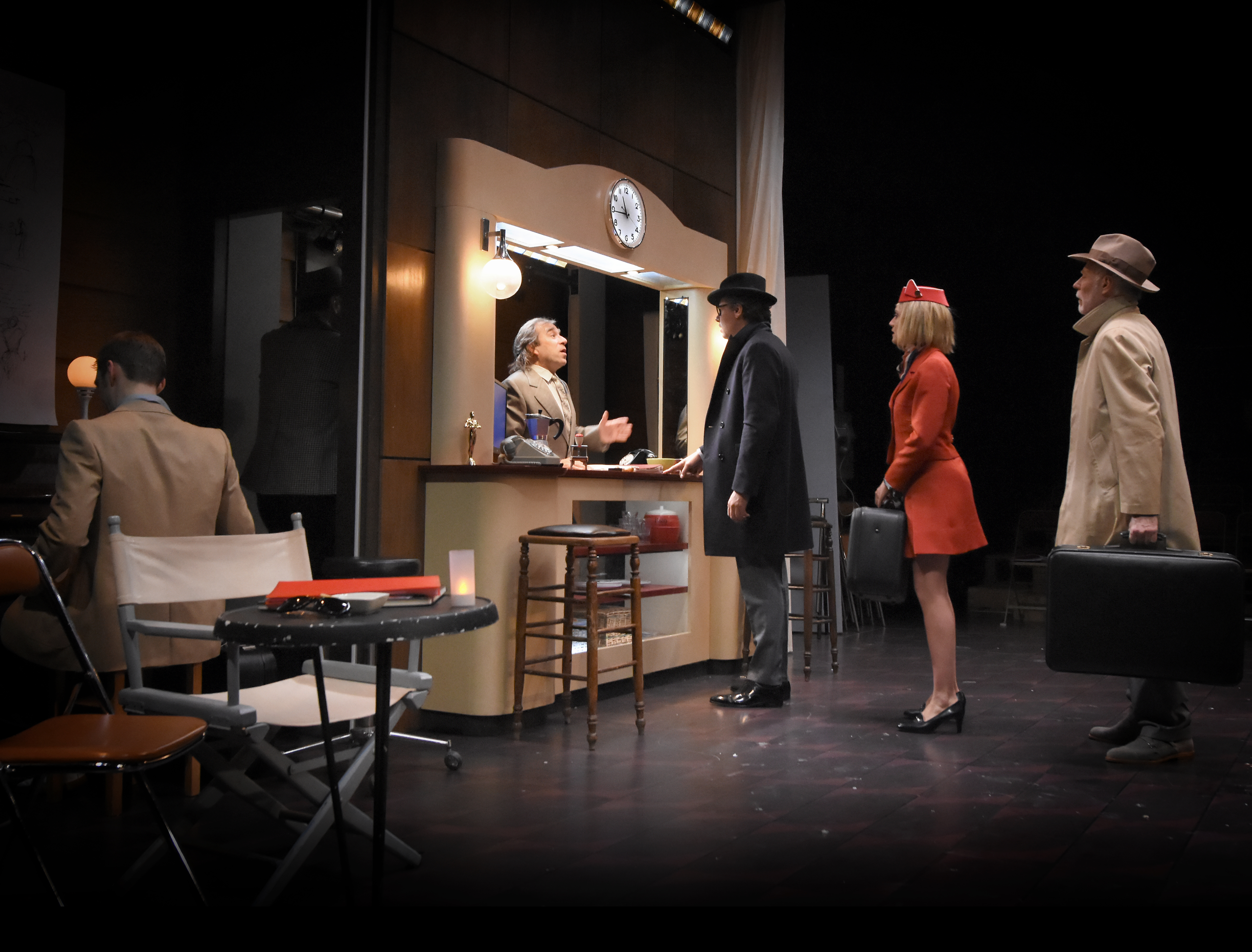
Marie Rémond puise dans les multiples traces laissées par le réalisateur : son scénario-synopsis écrit en collaboration avec Dino Buzzati et Brunello Rondi, un documentaire réalisé sur le site des premiers essais, une bande dessinée faite avec le dessinateur Milo Manara. Comme dans son mémorable Comme une pierre qui... au Studio-Théâtre, en 2015, où elle interrogeait déjà l’acte de création mais à travers la figure de Bob Dylan, elle transforme le plateau du Théâtre du Vieux-Colombier en atelier d’artiste, tout à la fois espace intime, zone de discussions et de conflits, aire de jeu avec les acteurs. À l’intrigue incroyable du Voyage de G. Mastorna s’agrègent ainsi l’histoire d’un film aux coûts pharaoniques – le producteur Dino De Laurentiis assignera son ami cinéaste au remboursement –, et celles d’une œuvre maudite, d’un homme qui doute de la vie et de l’art, de son identification excessive à son personnage et à son acteur fétiche Marcello Mastroianni.NOUVELLE PRODUCTION
Mise en scène dans un dispositif bifrontalSI LES PERSONNAGES D'ARTISTES (peintres, sculpteurs, acteurs, auteurs) sont souvent présents dans le répertoire théâtral, l’acte de création, « l’art en train de se faire », est en revanche une thématique rare et délicate à traiter. Comment ne pas réduire un phénomène aussi complexe que varié dans ses expressions ?
Personnifier la création
Le recours à l’allégorie ou au mythe procure aux dramaturges un moyen immédiatement compréhensible d’évoquer la création. Les muses sont ainsi présentes dans les comédies à caractère allégorique du XVIIIe siècle tout comme les personnages mythiques, symboles de l’acte créateur. Pygmalion fait l’objet d’une comédie de Louis Poinsinet de Sivry (1760), d’une scène lyrique d’après le texte de Jean-Jacques Rousseau (1775), d’une pièce de Georges-Bernard Shaw (1914). Orphée est évoqué dans de nombreux opéras et pièces de théâtre, notamment La Toison d’or de Pierre Corneille (1660).
Des personnages d’invention peuvent aussi servir à cette fin, comme récemment dans la pièce de Pascal Rambert, Une vie (2017), qui s’interroge sur les origines du désir de créer.Expérimenter la création
En dehors de ces évocations symboliques, le processus de création expérimenté sur scène s’apparente le plus souvent à une performance, au sens où on l’entend dans le domaine de l’art.
Dans le répertoire lyrique, la performance vocale – caractérisée par les morceaux de chant à la technicité et à la virtuosité remarquables – constitue à elle seule le moyen de sublimer la création ; ainsi le concours de chant qui tisse la trame du livret de Tannhäuser de Richard Wagner. Par ailleurs, la tradition du bel canto italien, comme mise en valeur des capacités vocales virtuoses des chanteurs au détriment de l’action scénique, soumet l’intrigue à la prouesse des interprètes, dans des vocalises qui se prolongent au gré de l’improvisation et peuvent s’apparenter à une performance technique, physique et artistique.Au théâtre, la performance, qu’elle soit fictive (savamment répétée et fixée pour paraître improvisée), réelle (totalement élaborée en cours de représentation) ou partiellement réelle (improvisée sur un canevas), joue sur le caractère unique de la représentation. Elle dépeint alors la spontanéité, les errances, les repentirs tout comme les fulgurances constitutives de l’acte créateur.
Parmi les fameux exemples de « performance réelle » – malgré l’anachronisme du terme dans le cas présent – la « conférence du Vieux-Colombier » d’Antonin Artaud en 1947 dépeint parfaitement l’acte créateur « pur », la pensée en mouvement d’un artiste au crépuscule de son œuvre, qui apparaît sur scène pour la dernière fois. Sortant d’un internement psychiatrique, le corps profondément meurtri, il renoue avec un public plein d’attentes – les intellectuels parisiens qui admirent en lui un grand penseur du théâtre – mais se perd dans ses notes préparatoires, ce qui l’amène à improviser largement et finit par quitter la scène devant un public tout à la fois déconcerté et fasciné. Le texte de la conférence elle-même, reconstitué à partir des notes d’Artaud et des témoignages, deviendra lui-même une œuvre interprétée par Philippe Clévenot qui rejoue cette conférence en 1995.
À l’opposé, la performance fictive s’appuie sur un texte écrit qui fausse à dessein la perception du spectateur : dans Six personnages en quête d’auteur de Pirandello, le public croit dans un premier temps assister à une répétition avant que les personnages de la pièce n’entrent réellement sur le plateau. Cette perte de repères entre vérité et fiction semble justement constitutive de l’acte de création, comme l’établit aussi le scénario de Federico Fellini pour Le Voyage de G. Mastorna et les rebondissements de son tournage / de cette production.
Entre ces deux conceptions s’inscrivent les entreprises d’improvisations semi-dirigées comme le spectacle du collectif tg STAN, DE KOE et DISCORDIA, Paroles, pas de rôles / vaudeville joué au Théâtre du Vieux-Colombier en 2010 ou encore en 2018, le spectacle du Birgit Ensemble Les Oubliés (Alger-Paris).
- Visuel : Six personnages en quête d'auteur de Luigi Pirandello, mise en scène d'Antoine Bourseiller, 1978 – photo. Claude Angelini, coll. CF
-
Mise en scène : Marie Rémond
Traduction : Françoise Pieri
Adaptation : Marie Rémond, Thomas Quillardet et Aurélien Hamard-Padis
Scénographie : Alban Ho Van
Costumes : Marie La Rocca
Lumière : Jérémie Papin
Son : Dominique Bataille
Film : Avril Tembouret
Maquillage et coiffure : Cécile Kretschmar
Collaboration artistique : Thomas Quillardet
Documents
-
 Télécharger le PDF (1.01 MB)
Programme Le Voyage de G. Mastorna 18/19
Programme Le Voyage de G. Mastorna d'après Federico Fellini. Mise en scène Marie Rémond, Théâtre du Vieux-Colombier 18/19.
Casting
-
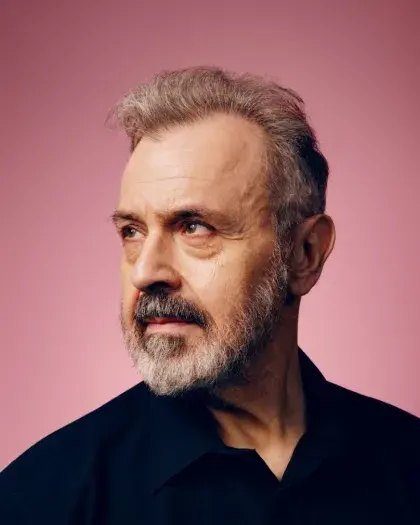
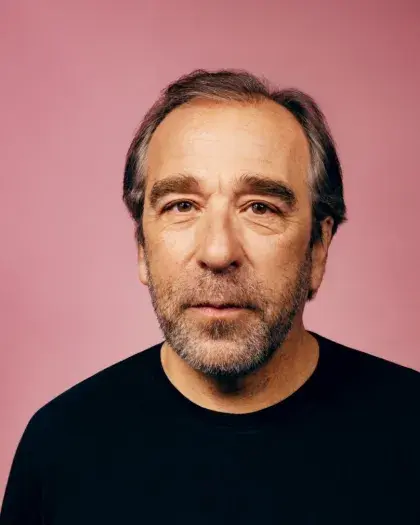
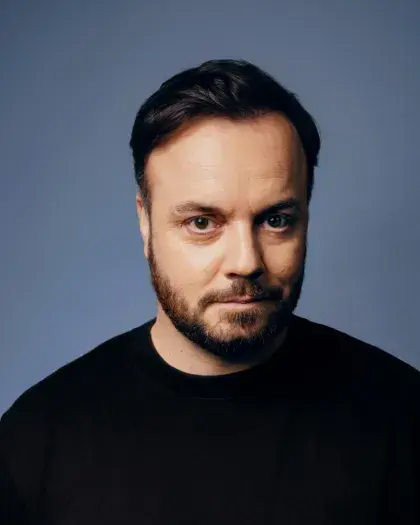
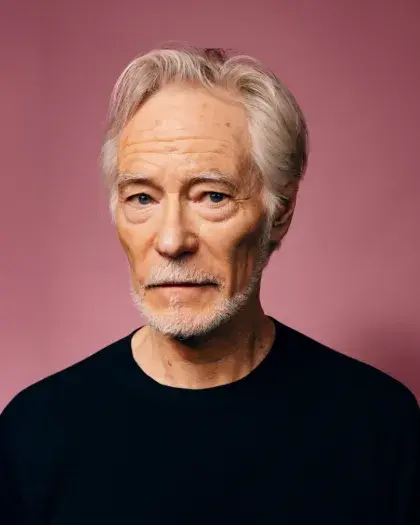 Roberto, acteur jouant les rôles de Tubino, de Venturini, du prêtre, du mage dans la boîte de nuit, du maquilleur, du professeur De Cercis
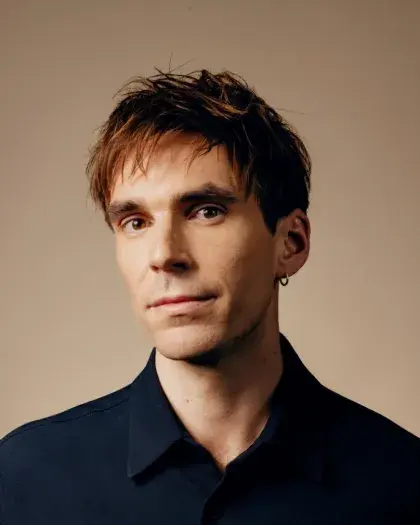 Daniele, acteur jouant les rôles de l’agent-chef, du jeune homme dans la boîte de nuit, du présentateur, de Succhieva
 -
Film de la vie de Mastorna
Réalisateur : Avril Tembouret
Chef opérateur : Nicolas Le Gal
Décorateur : Alban Ho Van
Costumière : Marie La Rocca
Étalonneur : Gadiel Bendelac
Maquilleuse : Catherine BloquèreAvec
Laurent Lafitte