Forums
Devised and directed by Jeanne Herry
From 22 January to 1st March

Discover the play
-
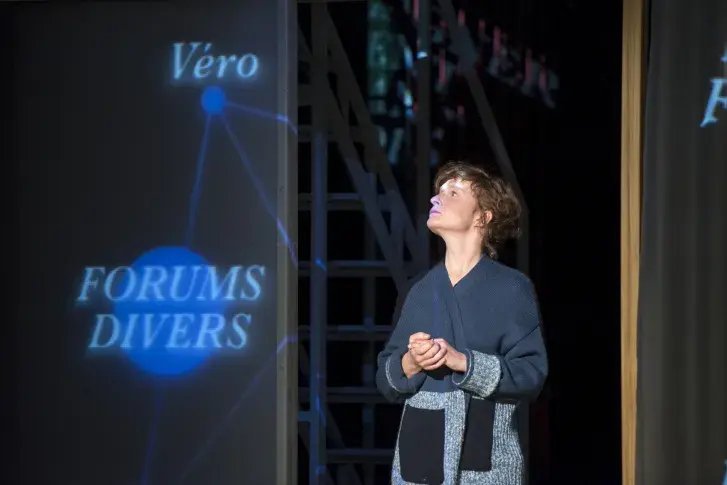
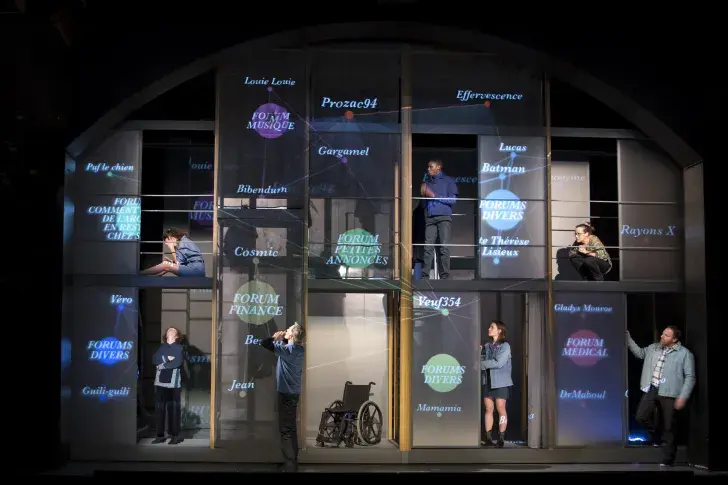
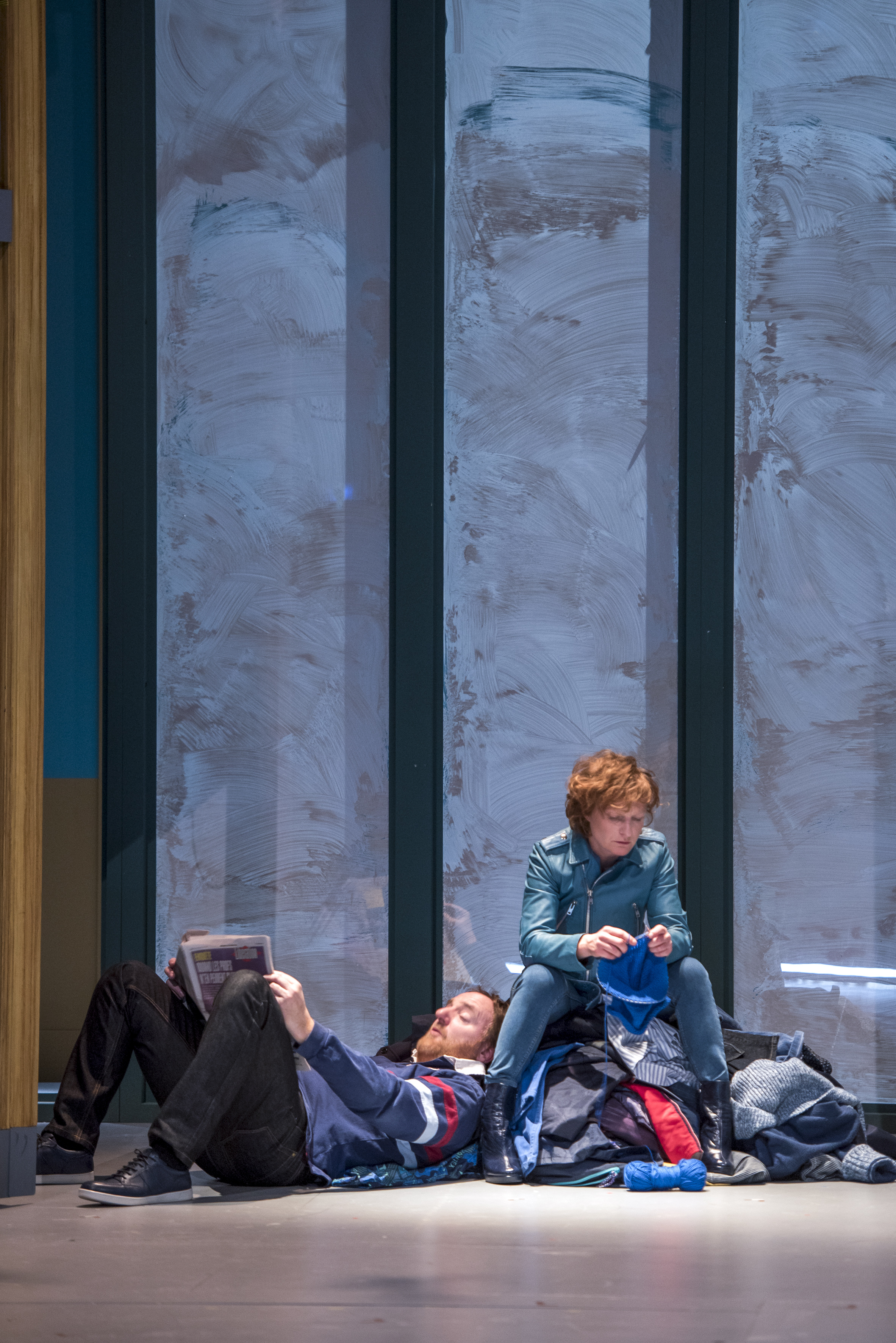
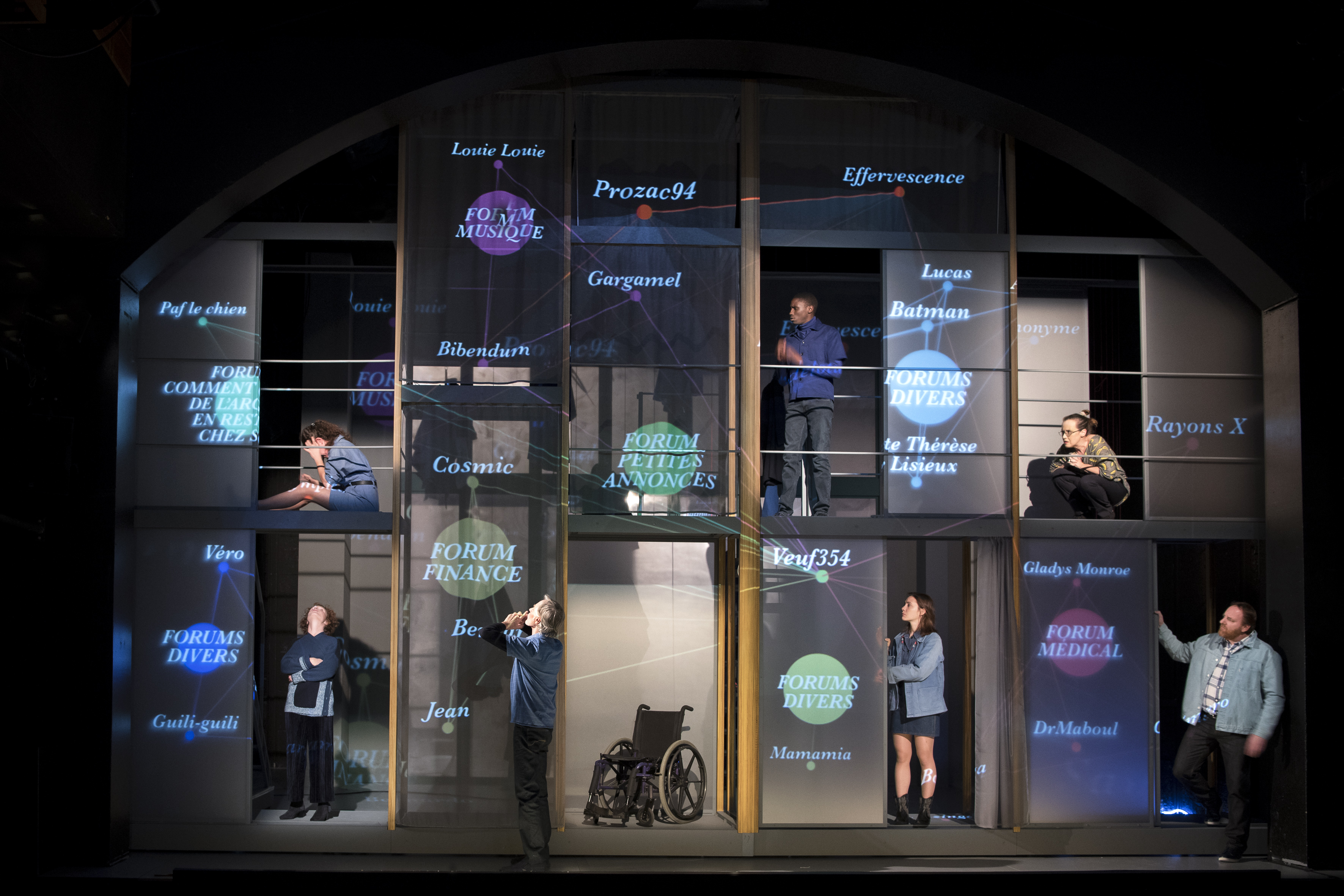
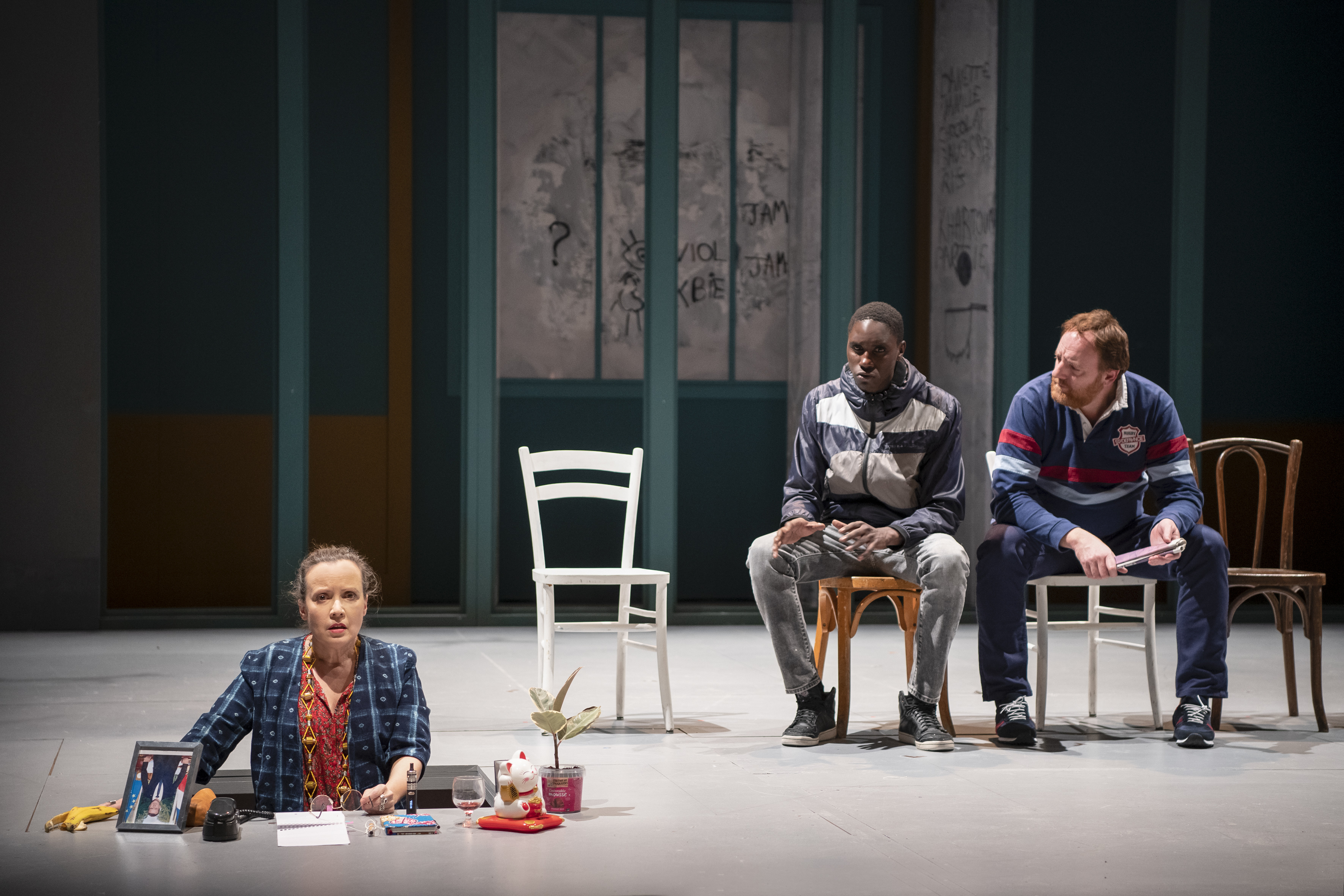
Pour son retour à la mise en scène après s’être distinguée derrière la caméra avec notamment Pupille en 2018, Jeanne Herry a choisi la thématique du forum Internet – autre type de place publique, immatérielle et très vaste, espace d’échange entre des personnes aux problématiques de vie communes mais aussi radicalement opposées, où s’expriment, drôles ou poignants, toutes les névroses, tous les tracas, toutes les joies aussi.
S’y lit depuis maintenant des années un instantané de notre époque tant chaque sujet offre à sa façon l’opportunité de s’épancher. « Le plateau est le seul lieu où peuvent être représentés un espace aussi abstrait et des enjeux aussi concrets » assure Jeanne Herry. À partir d’une idée originale de Maël Piriou, elle constitue un collectif d’auteurs, notamment romanciers, afin d’élargir les thématiques, les points de vue, ainsi que les registres de langue – éléments essentiels de cette prise de parole hétérogène.
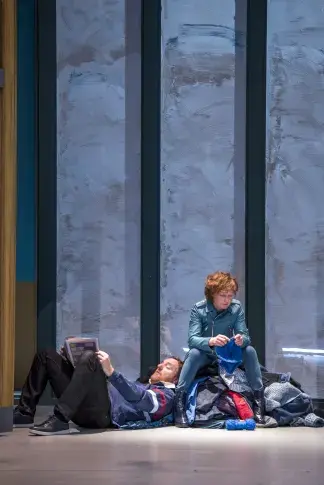
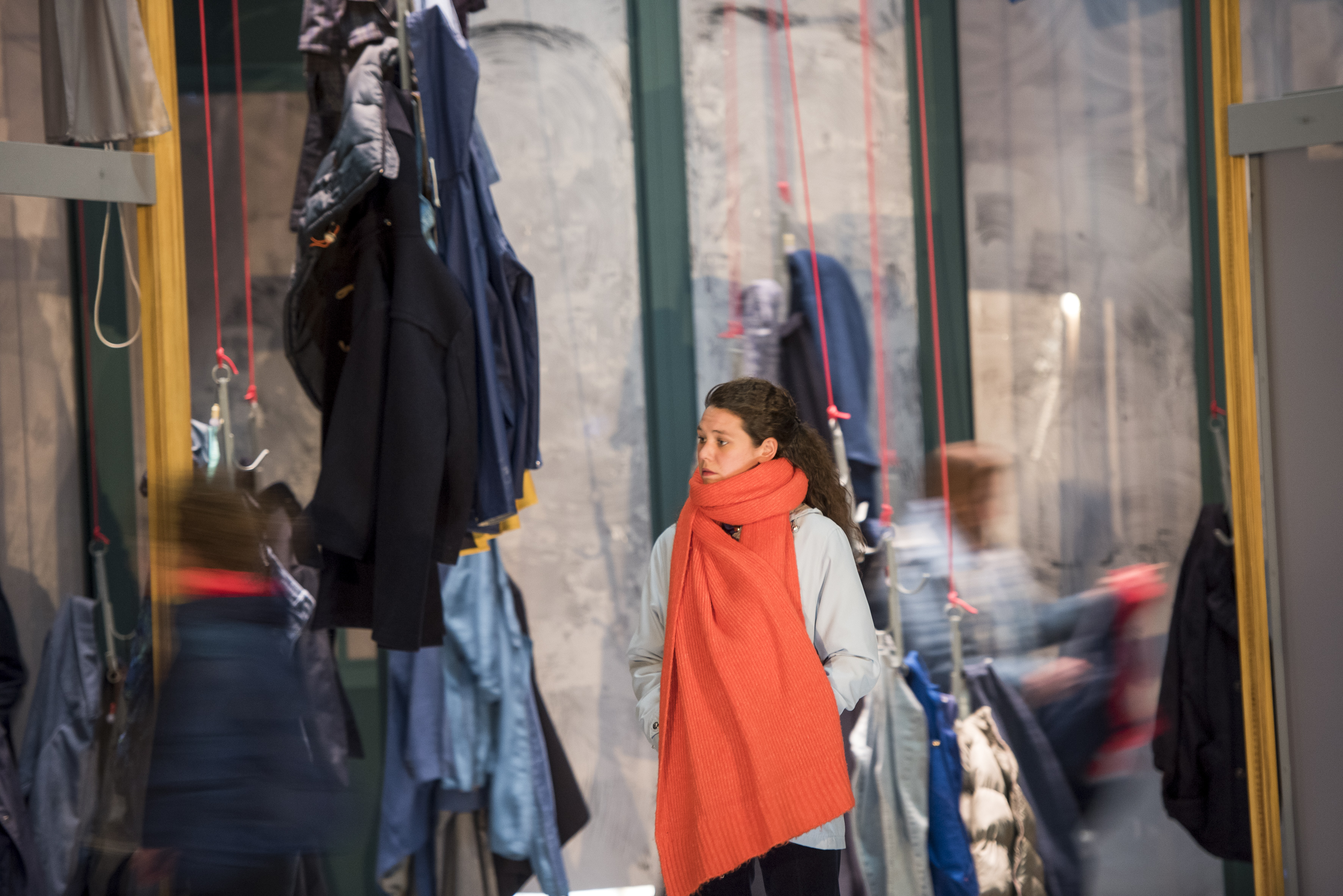
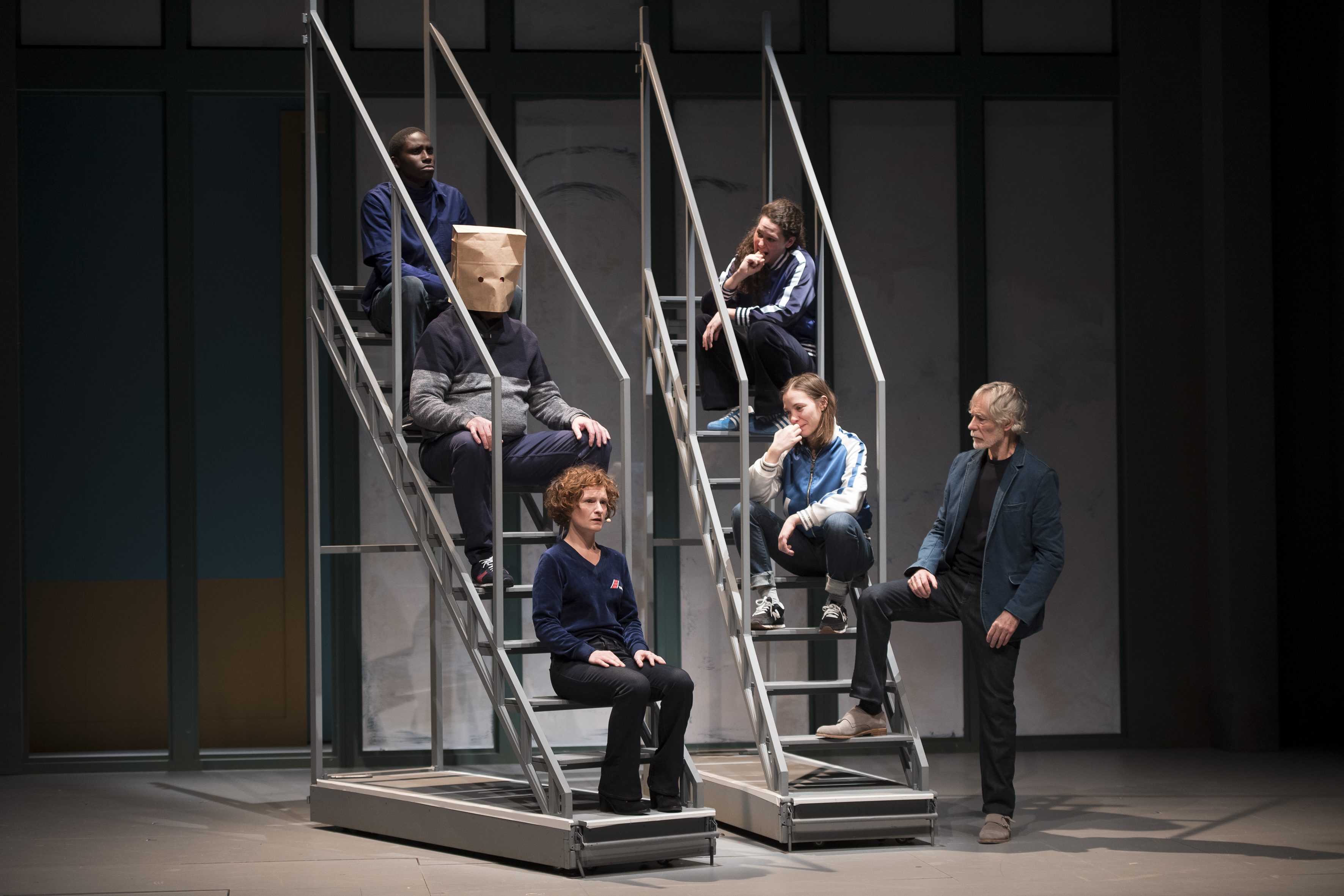
C’est cette diversité qui anime cette pièce d’aujourd’hui pleine de drôleries. Jouant avec la forme ludique de ces croisements de voix communautaires et solitaires, les acteurs passent d’une forme chorale à des tableaux collectifs ou à des scènes plus intimes. Reconnaissant le masque très froid de la vie connectée, Jeanne Herry pointe la chaleur vibrante de ce qui peut s’y échanger. Le contraste entre une violence névrotique et une bienveillance de masse lui offre une matière brute et sans filtre : « ce qui s’articule dans les forums, à l’ombre de notre société, est l’expression la plus éclatante de sa complexité. »
NOUVELLE PRODUCTION
PRESSE
« Avec humour et poésie, Jeanne Herry explore le mystère des liens tissés entre anonymes sur les forums Internet »
Figaroscope« Coup de maître pour Jeanne Herry, metteuse en scène d’un spectacle qui joint l’utile à l’agréable » Télérama Sortir
« Après s’être distinguée à la caméra avec Pupille, Jeanne Herry met en scène le génial spectacle Forums »
Time Out ParisAlors qu’Internet est largement utilisé depuis plus de vingt ans et peut apparaître comme la plus grande révolution médiatique depuis l’imprimerie de Gutenberg, aucune pièce de théâtre n’a encore abordé ce sujet sur les scènes de la Comédie-Française. Le bureau des lecteurs a lu plusieurs textes utilisant les communications web comme matériau dramaturgique (Quartier 3 : destruction totale et_Le Néther_ de Jennifer Haley) mais aucune pièce mise en scène ne s’est emparée des réseaux, mails et autres dispositifs associés. Pourtant, la matière mise à disposition sur Internet, qui marque un retour en force de l’écrit, semble particulièrement féconde pour une utilisation dramaturgique, inventive sur le plan stylistique.
Les technologies de la communication ont diversement pénétré les scènes au cours du temps et leur potentiel scénique s’avère variable. Les dispositifs qui renouvellent le rapport au texte semblent intéressants dans la mesure où ils offrent un autre rapport au style et à la diffusion du texte (journaux, télécommunications), tandis que les mécanismes physiques de la communication sont parfois difficile à représenter, notamment en raison de leur monumentalité (chemin de fer et autres moyens de transports).
Le billet, la lettre – le plus souvent transmis par un domestique – sont les premiers moyens de communication utilisés sur scène. Ils sont mêmes des ressorts dramaturgiques essentiels, des accessoires qui permettent de faire évoluer l’intrigue en dévoilant et confondant les personnages.
Les journaux ont très tôt été une matière de choix pour les dramaturges, au moment même où la presse périodique faisait ses débuts au XVIIe siècle, offrant non seulement des personnages savoureux (les gazetiers, journalistes, éditorialistes) mais aussi une manière féconde de faire circuler l’information. Le Mercure galant d’Edme Boursault (1683) est justement consacré à cette question : le journal y est un vecteur de communication, entre Paris et la Province, et permet diffuser les nouvelles tant officielles que parfois très personnelles.Les moyens de transports et de communication sont plus difficiles à mettre en œuvre de part leur monumentalité (bateau, chemin de fer, automobile, avion), si ce n’est dans le décor (un navire est souvent représenté pour_Les Fourberies de Scapin_, évoquant le port de Naples). En revanche, la gare est un lieu prisé par la multiplicité des entrées, sorties et quiproquos qu’elle permet : le vaudevilliste Eugène Labiche ne s’y trompe pas en y situant Le Voyage de Monsieur Perrichon, créé en 1860, c'est-à-dire vingt ans après l’essor du réseau français – Labiche est l’auteur des Chemins de fer, un vaudeville ferroviaire créé en 1867 au Théâtre du Palais-Royal – de même, plus tardivement, Jean Sarment pour_Le Voyage à Biarritz_ (1936) ou Jules Romains pour Donogoo (1951). Les auteurs qui assistent aux débuts de l’automobile s’en emparent également, mais pour contourner les problèmes de représentation, elle intervient hors-champs (Le Circuit de Feydeau, Les Affaires sont les affaires de Mirbeau).
Le téléphone, le télégraphe, le pneumatique sont évoqués, particulièrement chez Feydeau encore, qui en propose des utilisations malicieuses visant à confondre les protagonistes dans leurs stratagèmes d’adultère. Ces technologies qui changent radicalement le rapport à la communication sont largement utilisées dans le répertoire théâtral. Le théâtre est même à l’origine d’une technologie particulière et originale dédiée à sa propre diffusion puisque le théâtrophone retransmet chez les particuliers, dès les années 1880, les pièces des grands théâtres parisiens par le téléphone – le procédé sera aussi utilisé dans le théâtre comme amplification de la voix des acteurs pour les spectateurs ayant des problèmes auditifs en 1933.La Voix humaine de Cocteau (1930) est une pièce entièrement téléphonique.
La radio et la télévision, media de masse et de cohésion sociale, semblent plus difficiles à faire figurer sur scène – peut-être en raison de la nécessaire passivité de l’auditeur qui s’accorde mal avec le jeu d’acteur – et apparaissent tardivement, à la Comédie-Française, alors que ces technologies sont utilisées dès leurs débuts pour diffuser les productions théâtrales. Jacques Lassalle monte_L’Émission de télévision_ de Michel Vinaver en 1990 et David Lescot revient sur l’histoire des radios libres dans Les Ondes magnétiques (2018) et sur le souffle de liberté des premières années Mitterrand qu’elles incarnent.
Jeanne Herry relève elle le défi de la théâtralité des moyens de communication en s’intéressant aux espaces de forums sur Internet.
- Bovy Berthe, La Voix humaine - photo. Manuel frères © Coll. Comédie-Française
-
Conception et mise en scène : Jeanne Herry
Scénographie : Jane Joyet
Costumes : Marie La Rocca
Lumières : Léandre Garcia Lamolla
Musique originale : Pascal Sangla
Son : Nicolas Dambroise
Graphisme : Mathieu Decarli
Maquillages et coiffures : Véronique Soulier-Nguyen
Assistanat à la mise en scène : Sandra Choquet
Assistanat à la scénographie : Alissa Maestracci
Documents
-
 Télécharger le PDF (1.25 MB)
Programme Forums 19/20
Programme de Forums, de Patrick Goujon, Hélène Grémillon, Maël Piriou. Conception et mise en scène Jeanne Herry. Théâtre du Vieux-Colombier (saison 2019/2020).
Casting
-
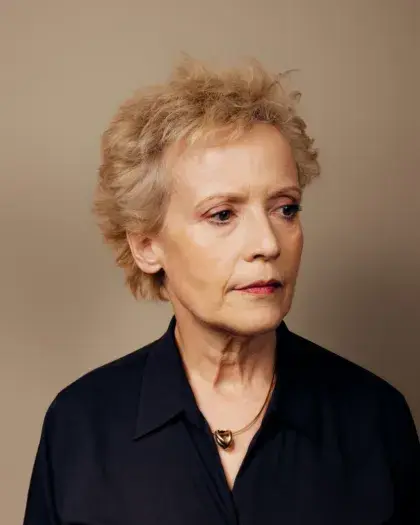 Rayons X, DrMaboul, Allomamanbobo, Supercoptère, Ouioui22, Cocolouise1, Charlie258, Shrek et Jacqueline Poisson (Mairie de Courbefy officiel)
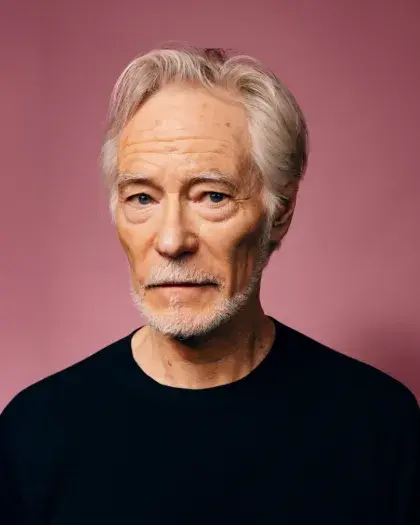 Veuf354, Effervescence, Géraldinejolie, Todovabene, Sergedelyonne, Politisinpolitis, Lalaland, Topàlavachette, Jacques Maillol, Jupiter et Scratch
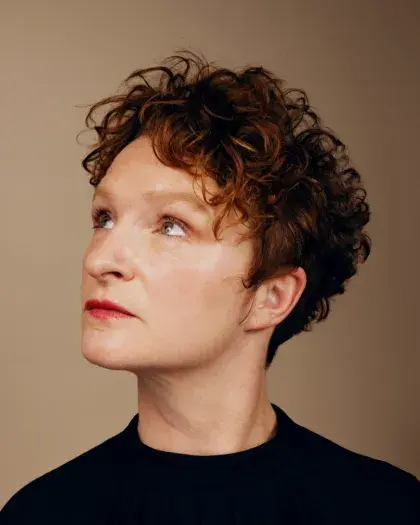 Bernardo, Véro, Gargamel, Fleurdelotus, Mamamia, Calamitiéjane, Sylvia56, Supercoptère, Lalaland, Snoopy78, Serenadeàminuit, Tatayoyo, Circé, Ohlejolitroll, Dexter et La Mère
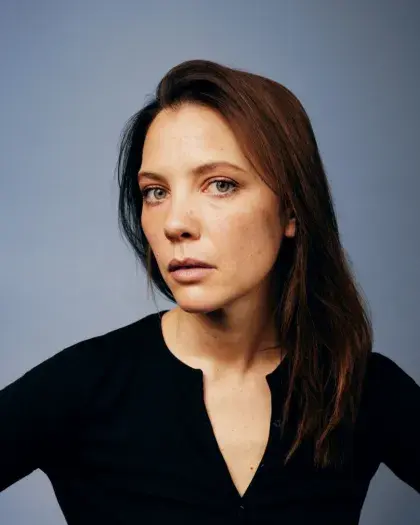 Caramel, Gladys Monroe, Sainte Thérèse de Lisieux, Deepak, Julie33, Saperlipopette, Tienslebien, Supercoptère, Bigbang, Ouioui22, Rectangleproductions, Lalaland, Sensdessusdessous, Emilaïe, Johnny, Buzzl’éclair, Barbibulle et Éléa
 Jean, Calimero, Titit’, Lucas, Paixetlumiere, Séraphindumonde, Surlechemindelalumiere, Craccraccrottedecaniche, Snoopy78, Marco21, Oliviermaurel2, Walter, IloveParis, Zatopek, Cas social et Scratch
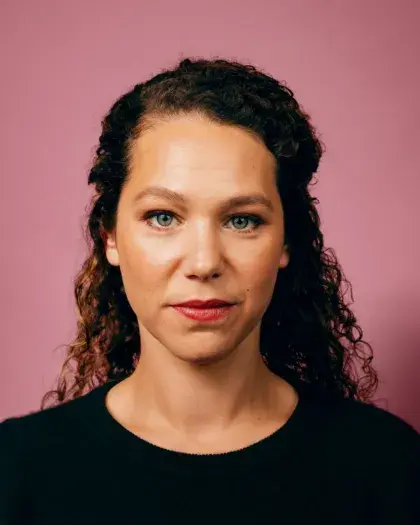 Guili-guili, Bazinga, Apocalypse, Prozac94, Mauvaisemère, Emilaïe, Tarte Tatin, Ibiza, Camille la modératrice et Rooibos orange
 -
Voix :
Florence Viala : Myleycirrhose
Suliane Brahim : Georgesclownette
Tara-Jay Bangalter : Yakari