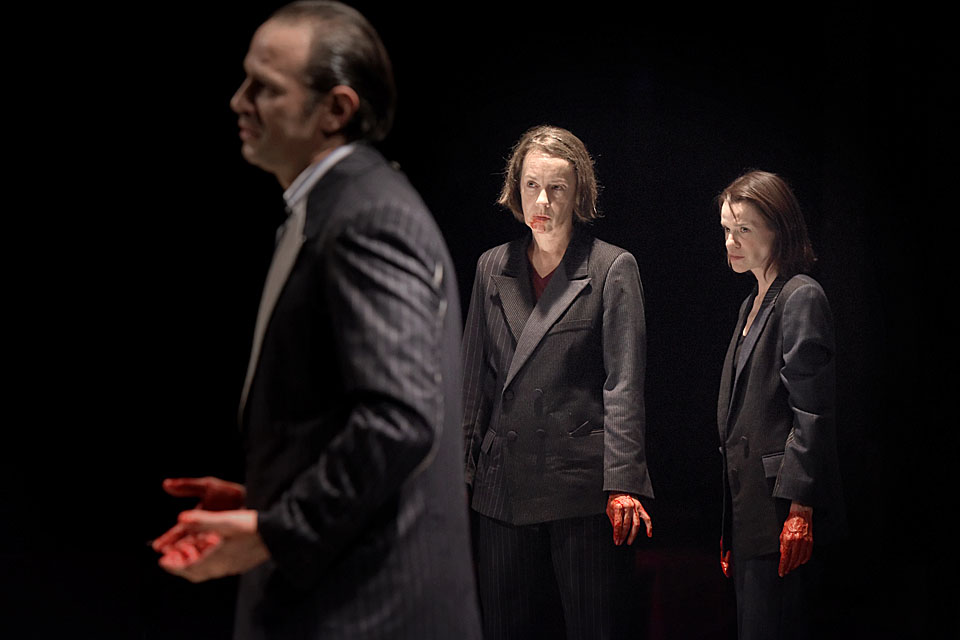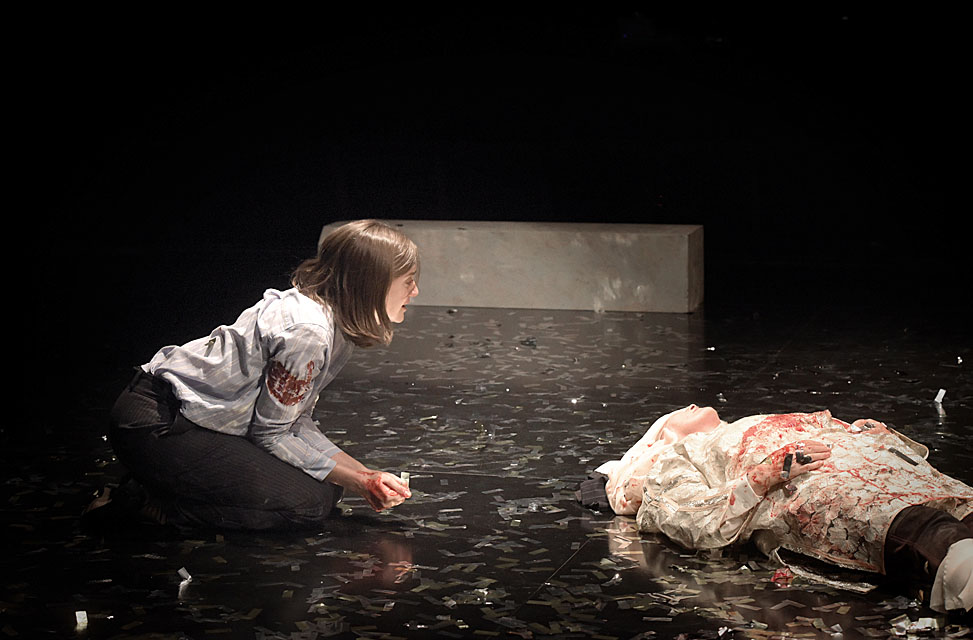
Jules César
by William Shakespeare
Adapted and directed by Rodolphe Dana
From 20 September to 3 November

Discover the play
-
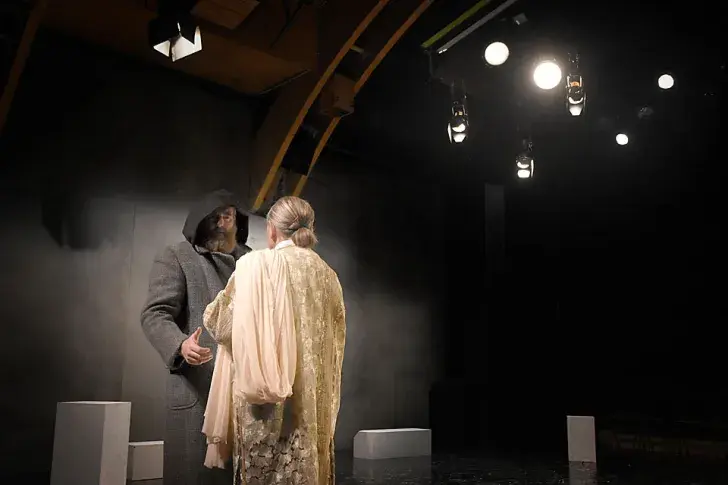
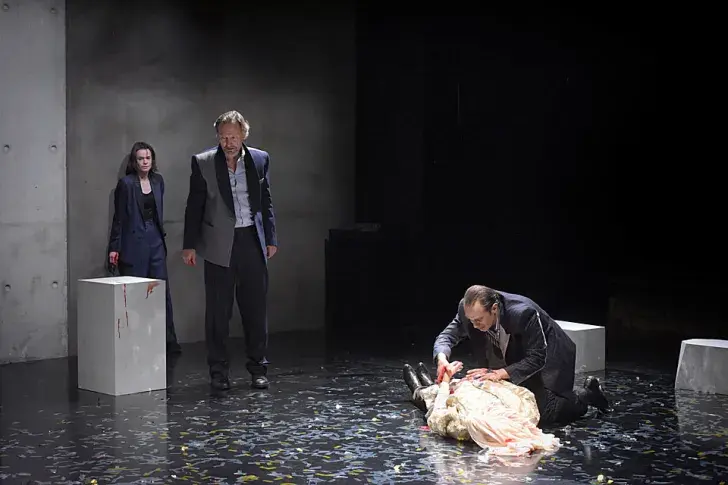
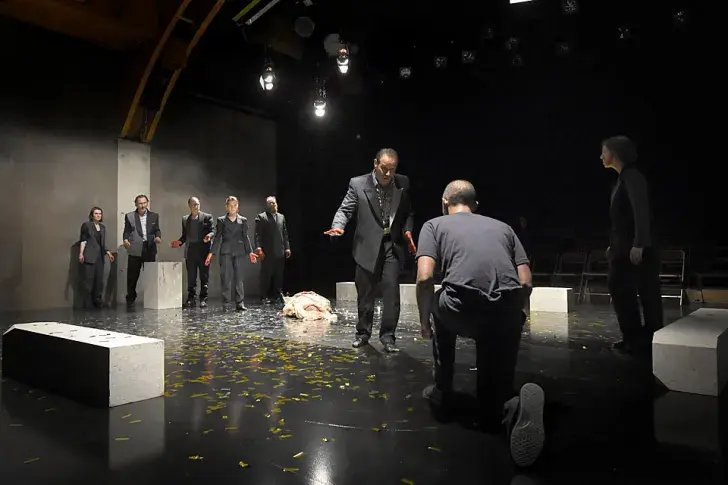
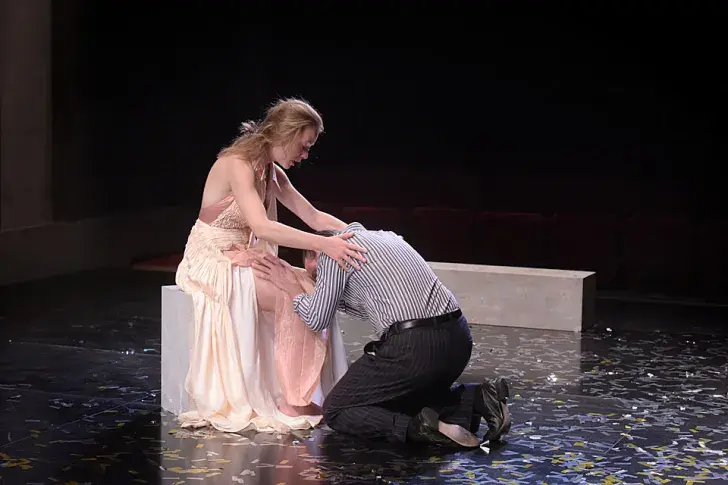
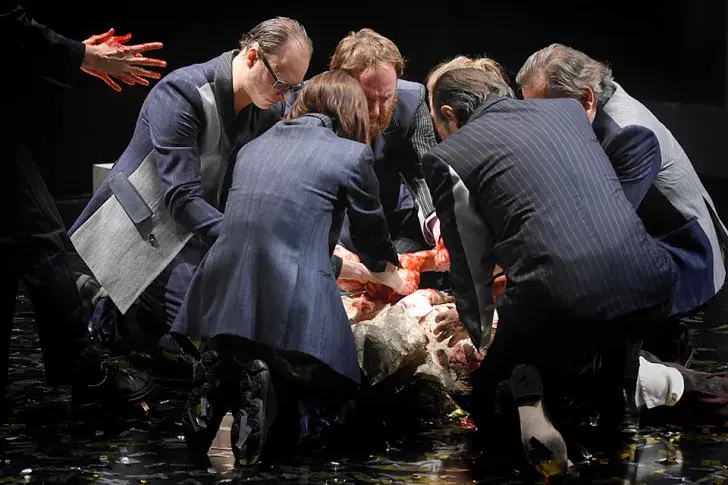
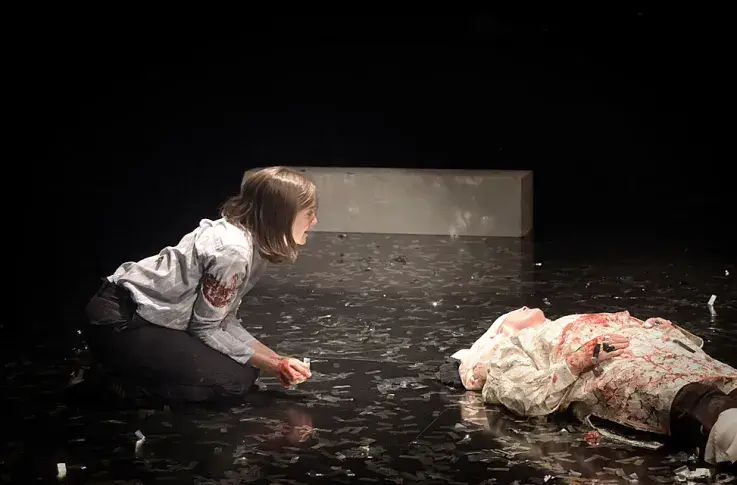
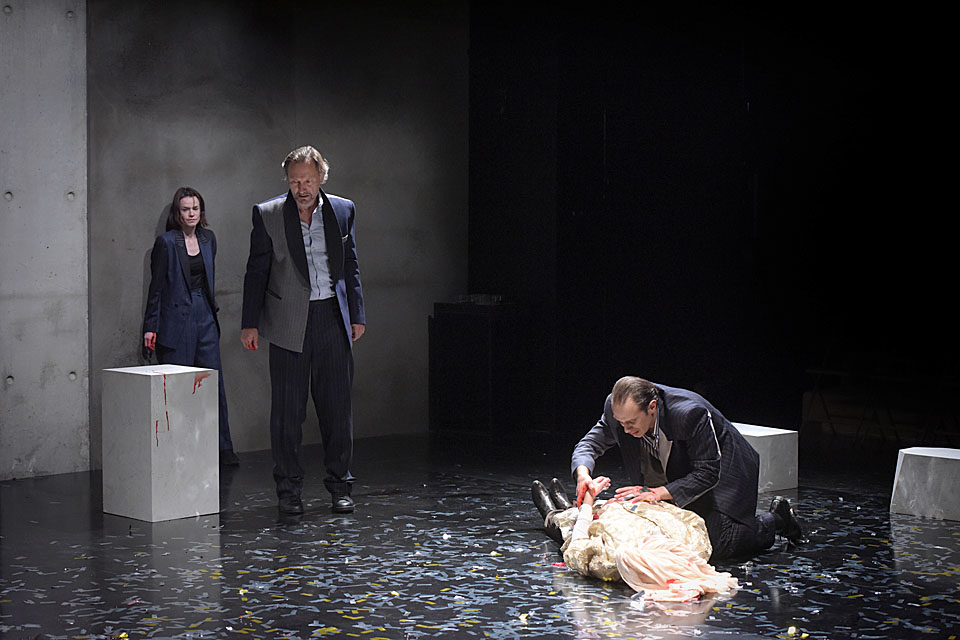
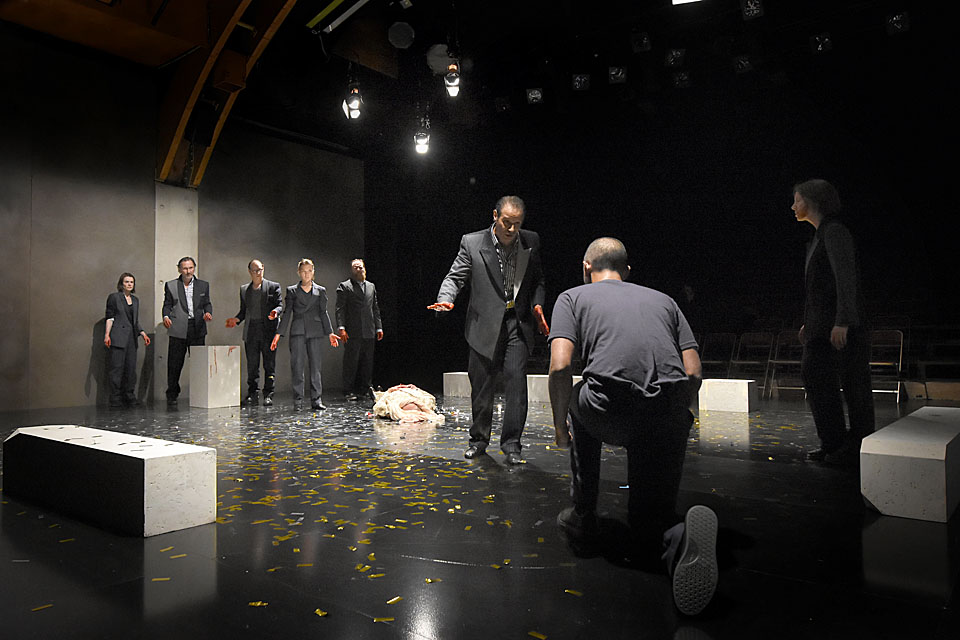
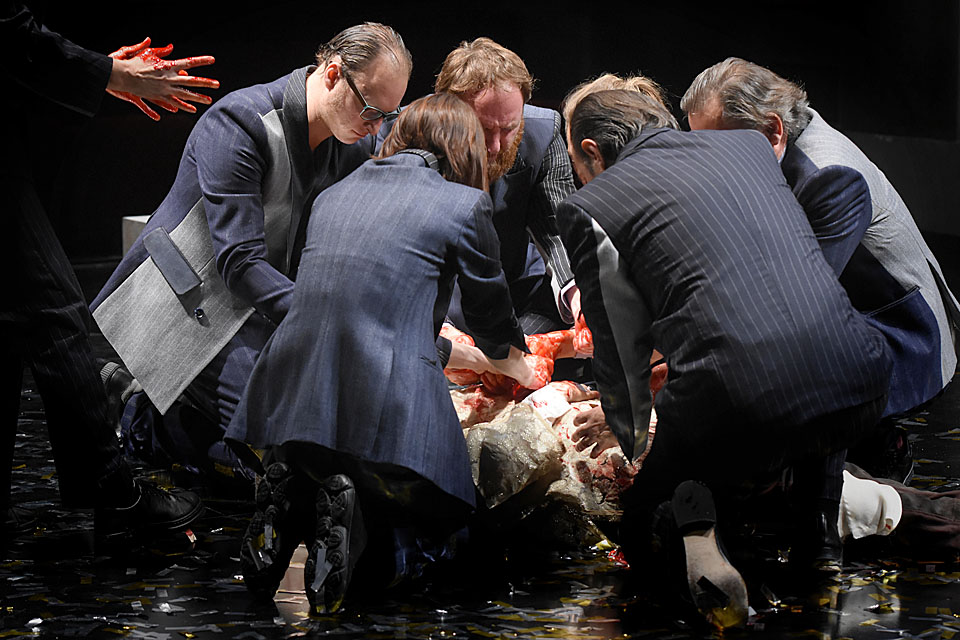
Avec Jules César créé en 1599 à une heure décisive de l’histoire de l’Angleterre où règne une Elizabeth Ire aux pouvoirs élargis, Shakespeare relate l’assassinat de César en 44 avant J.-C. alors qu’il vient de conquérir la Gaule. Il condense en un seul jour les prémices et les conséquences de ce coup de force : complot des sénateurs auxquels Brutus se rallie au nom de la République romaine qu’il croit en péril, assassinat de César, discours des deux camps dans une atmosphère d’insurrection, suicides de Brutus et de Cassius laissant victorieuses les armées de Marc-Antoine et d’Octave.
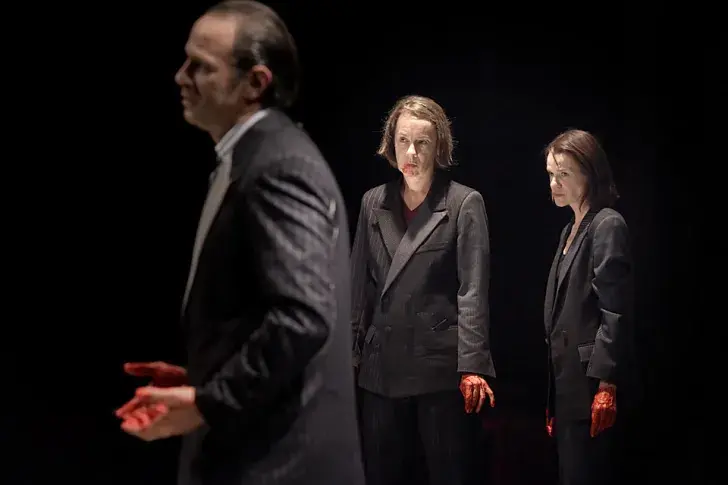
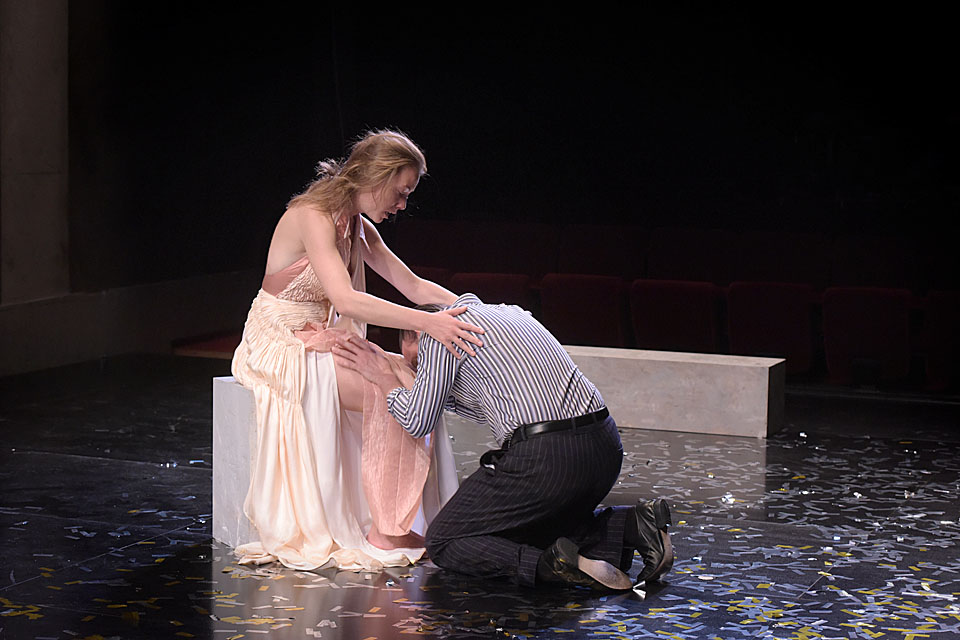
C’est une « action en temps réel », relève Rodolphe Dana, qui a choisi pour sa première collaboration avec la Troupe cette tragédie romaine jamais encore jouée à la Comédie-Française. Le directeur du Théâtre de Lorient, cofondateur du collectif d’acteurs Les Possédés, est reconnu pour son habileté à faire résonner les textes avec notre monde. Il privilégie une instantanéité du jeu, avec toujours l’idée de « prospecter, creuser, interroger […] ce qui rend si complexe et si riche le tissu des relations humaines qui enveloppe nos existences ». Il relève ici le défi d’adapter cette pièce pour quarante personnages qu’il distribue à dix acteurs, cinq femmes et cinq hommes. Se concentrant sur la beauté de la langue de Shakespeare au service du maniement du discours politique, il dédie son théâtre de l’émotion à cette « tragédie des consciences ». Les interrogations de Brutus quant au bien-fondé de sa trahison s’opposent à la brillante rhétorique de Marc-Antoine, mettant en jeu les notions de bien commun et de responsabilité, la manipulation des mots et déjà des images.
NOUVELLE PRODUCTION
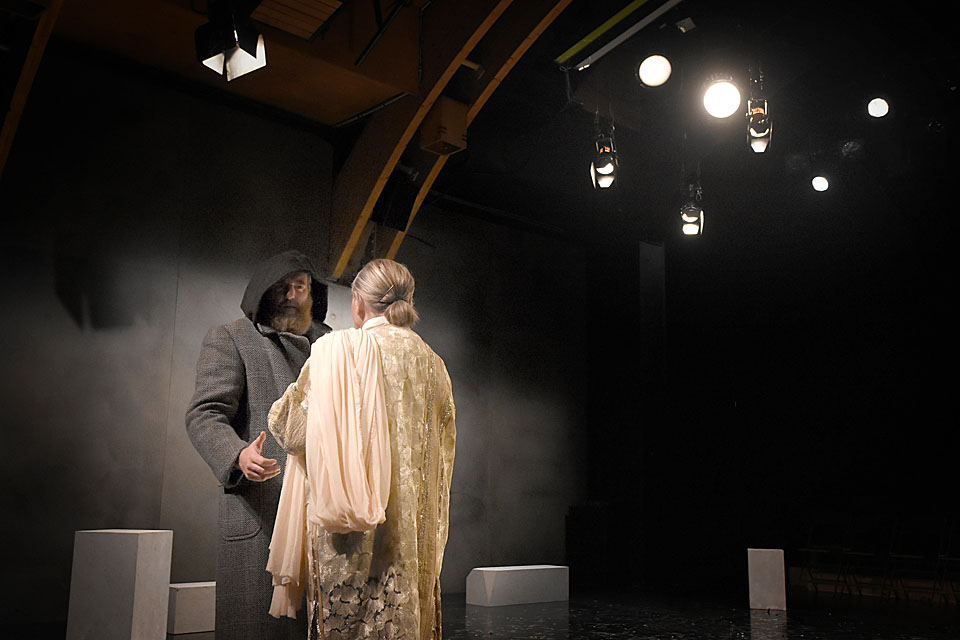
Mise en scène en dispositif bifrontal (plan de salle spécifique)
Avec la participation artistique du Jeune Théâtre National
Parvenu au sommet du pouvoir qu’il avait concentré entre ses mains, César est assassiné sur le lieu de son exercice, en pleine réunion du Sénat, sous les coups de son protégé Brutus. Cet épisode qui inspira Shakespeare ne peut, à chaque époque, que nourrir des métaphores et comparaisons avec les hommes politiques contemporains. Par le truchement de l’Antiquité romaine, Shakespeare contourne ainsi la censure interdisant les sujets politiques susceptibles de critiquer le pouvoir. Les « pièces historiques » traitant de politique s’arrêtent donc prudemment au règne d’Henri VIII. Parmi les nombreuses têtes couronnées de lauriers ou de diadèmes dans le théâtre shakespearien et plus largement élisabéthain, Jules César prête ici son nom à une pièce qui marqua, de part et d’autre de la Manche, l’histoire de deux troupes historiques puisqu'elle a probablement inauguré le nouveau théâtre du Globe en 1599 et fut jouée pour la première fois en France en 1905 par des Comédiens-Français, au théâtre d’Orange.
Si les questions identitaires sont au cœur d’Othello et du Marchand de Venise, Shakespeare traite surtout de l’exercice du pouvoir, de l’accès à la chute. Le célèbre discours politique de Marc-Antoine devant la plèbe contre César rapproche J_ules César_ de_Timon d’Athènes_ par l’importance de la rhétorique et de Richard III, par le renversement de la situation. Ces manipulations politiques, maladroitement attribuées à Machiavel par Shakespeare dont même la comédie Les Joyeuses Commères de Windsor cite le nom, s’exercent souvent dans la violence. Exercé par des rois omnipotents, régicides et infanticides (Richard II, Richard III, Macbeth), le pouvoir est de plus usurpé dans des pièces pourtant non historiques abordant, entre autres, la question du colonialisme (La Tempête), de la mort (Hamlet), de la fratrie (Comme il vous plaira).
Dans le clair-obscur de ce théâtre, l’amour, par son romanesque conflit avec le pouvoir, peut de surcroît le tourner en dérision (la Guerre de Troie dans Troïlus et Cressida), semer le chaos (la succession du royaume dans Le Roi Lear), anéantir le désir d’hégémonie (la survie de Rome dans Coriolan) mais aussi tuer un autre grand personnage antique (Antoine dans Antoine et Cléopâtre), amoureux infaillible défiant sa destinée politique pour l’Orient et son irrésistible Cléopâtre.- Richard III, 1972 - photo. Angelini © Coll. Comédie-Française
-
Traduction : François-Victor Hugo
Adaptation, mise en scène et scénographie : Rodolphe Dana
Lumières : Valérie Sigward
Son : Jefferson Lembeye
Collaboration artistique : Marie-Hélène Roig
Collaboration à la scénographie : Karine Litchman
Documents
-
 Télécharger le PDF (917.12 KB)
Programme Jules César 19/20
Programme de Jules César, de William Shakespeare Adaptation et mise en scène Rodolphe Dana. Théâtre du Vieux-Colombier.
Casting
-
-
-
Et :
Jean Joudé : Ligarius, sénateur conspirateur, Lépide, un serviteur et un messager