La Petite Sirène
after Hans Christian Andersen
Adapted and directed by Géraldine Martineau
From 26 September to 10 November

Discover the play
-
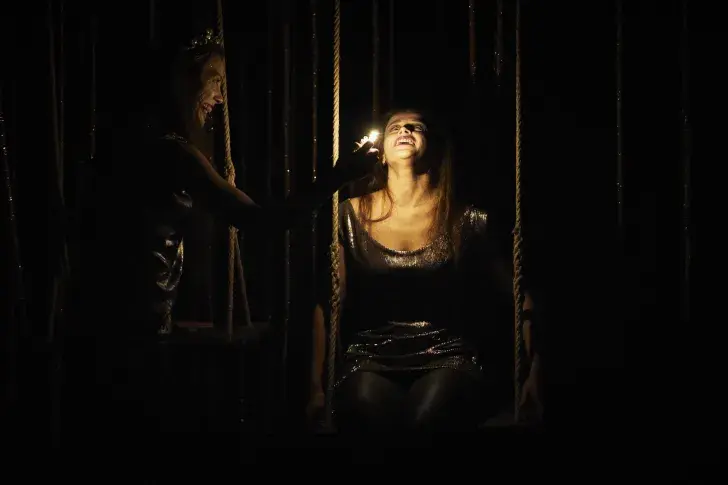
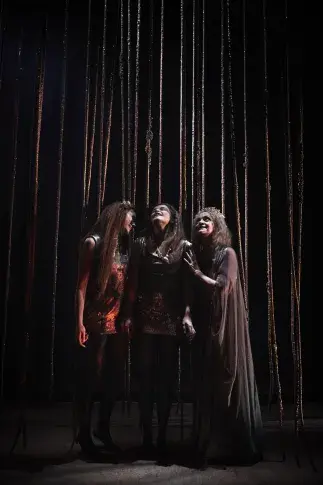
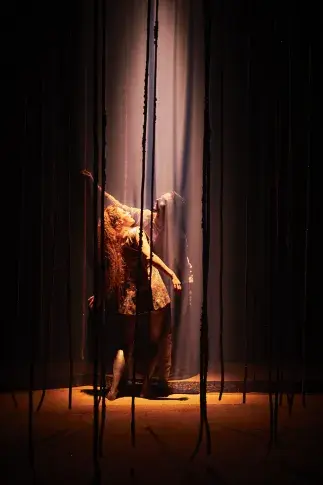
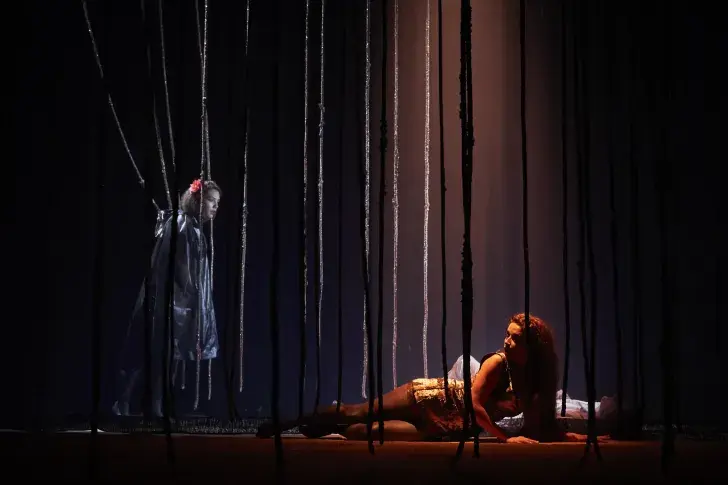
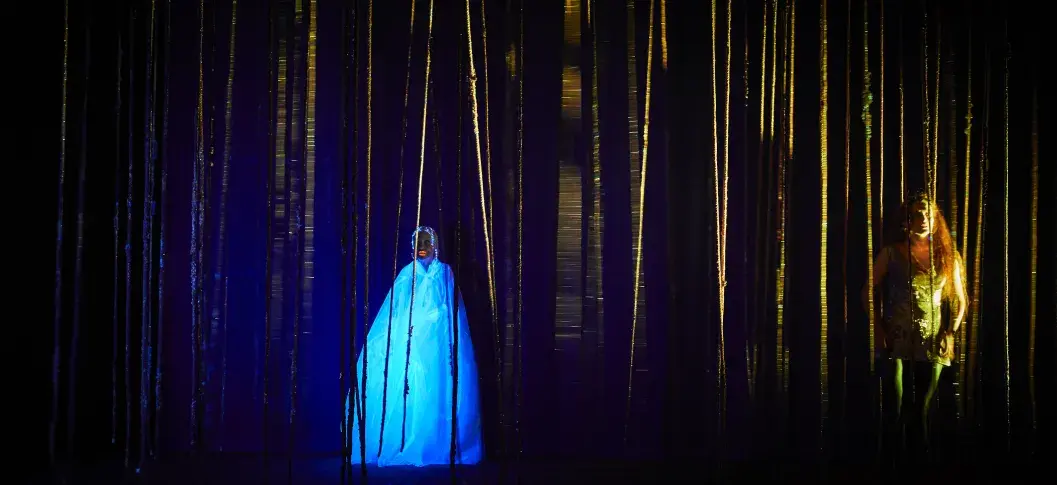
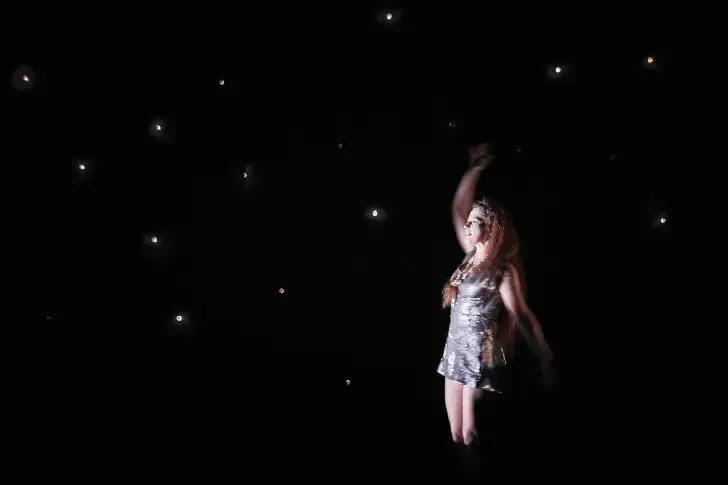
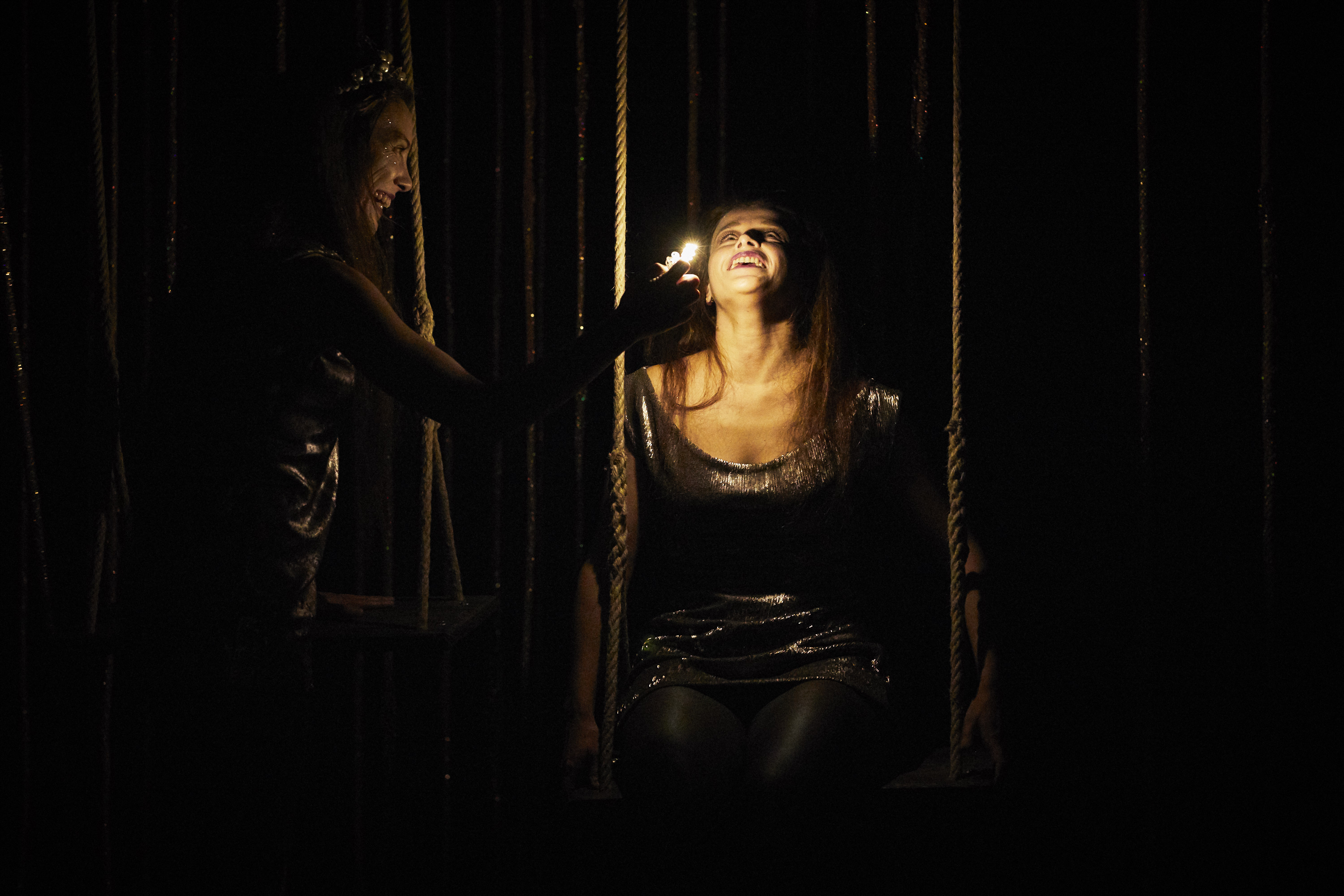
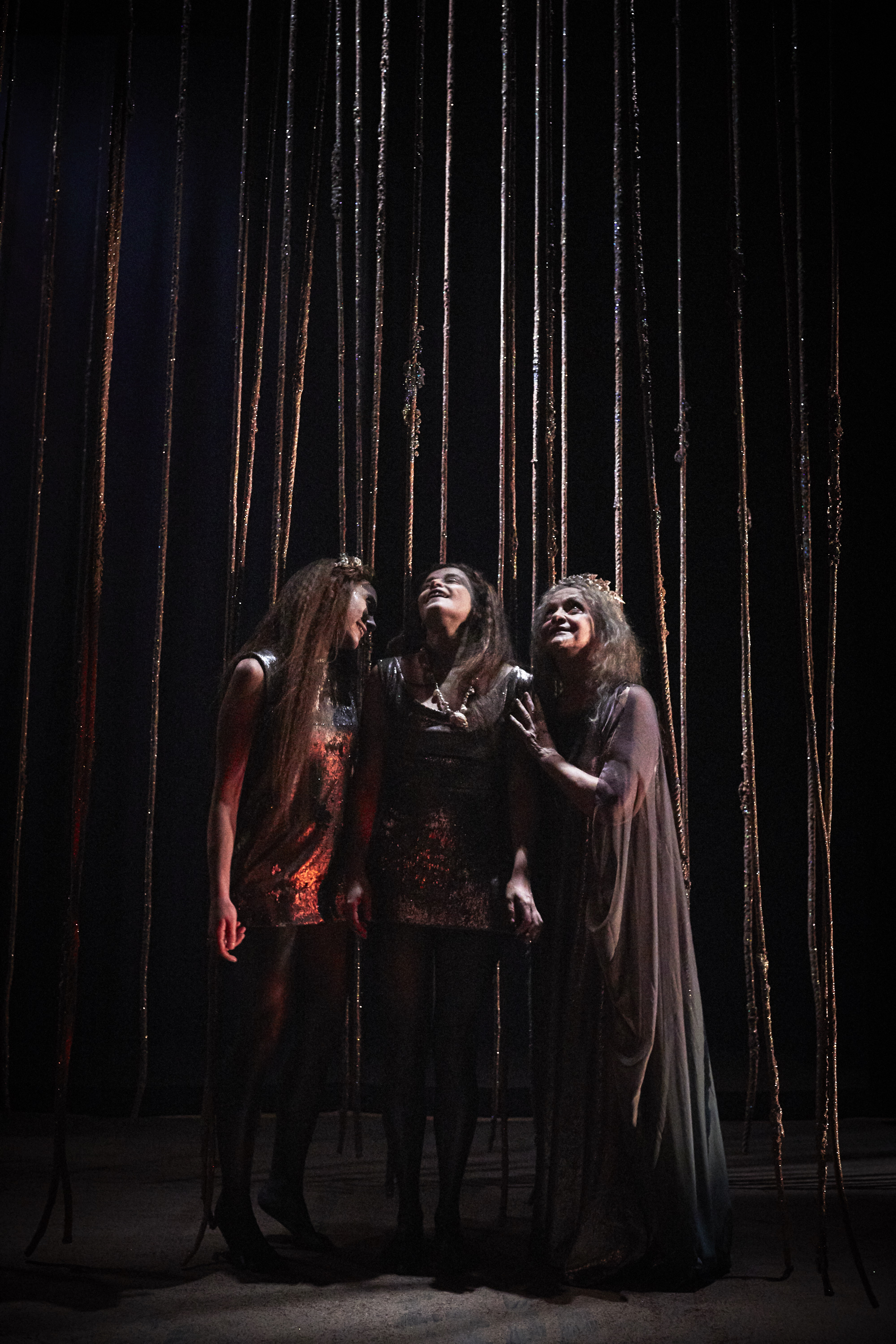
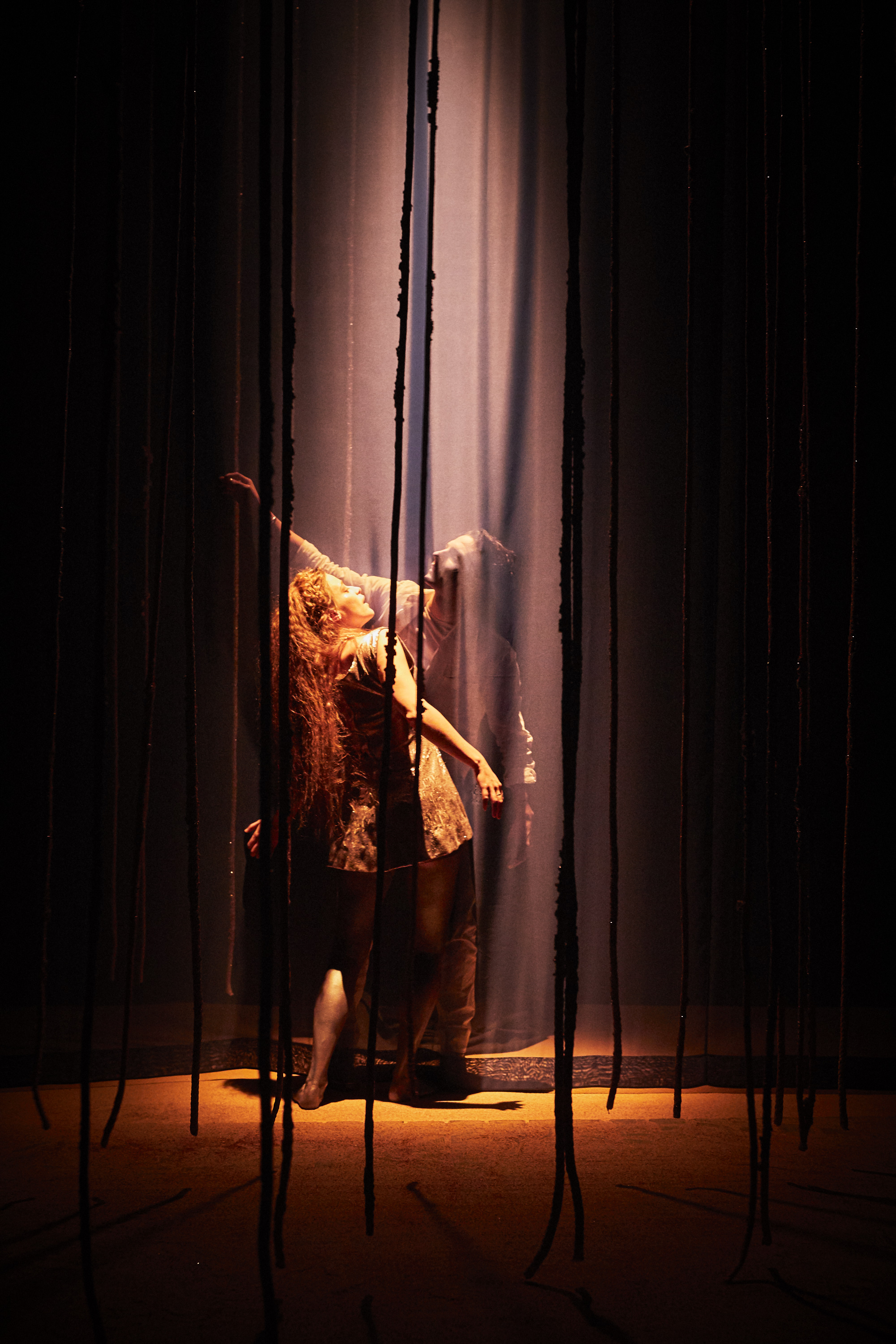
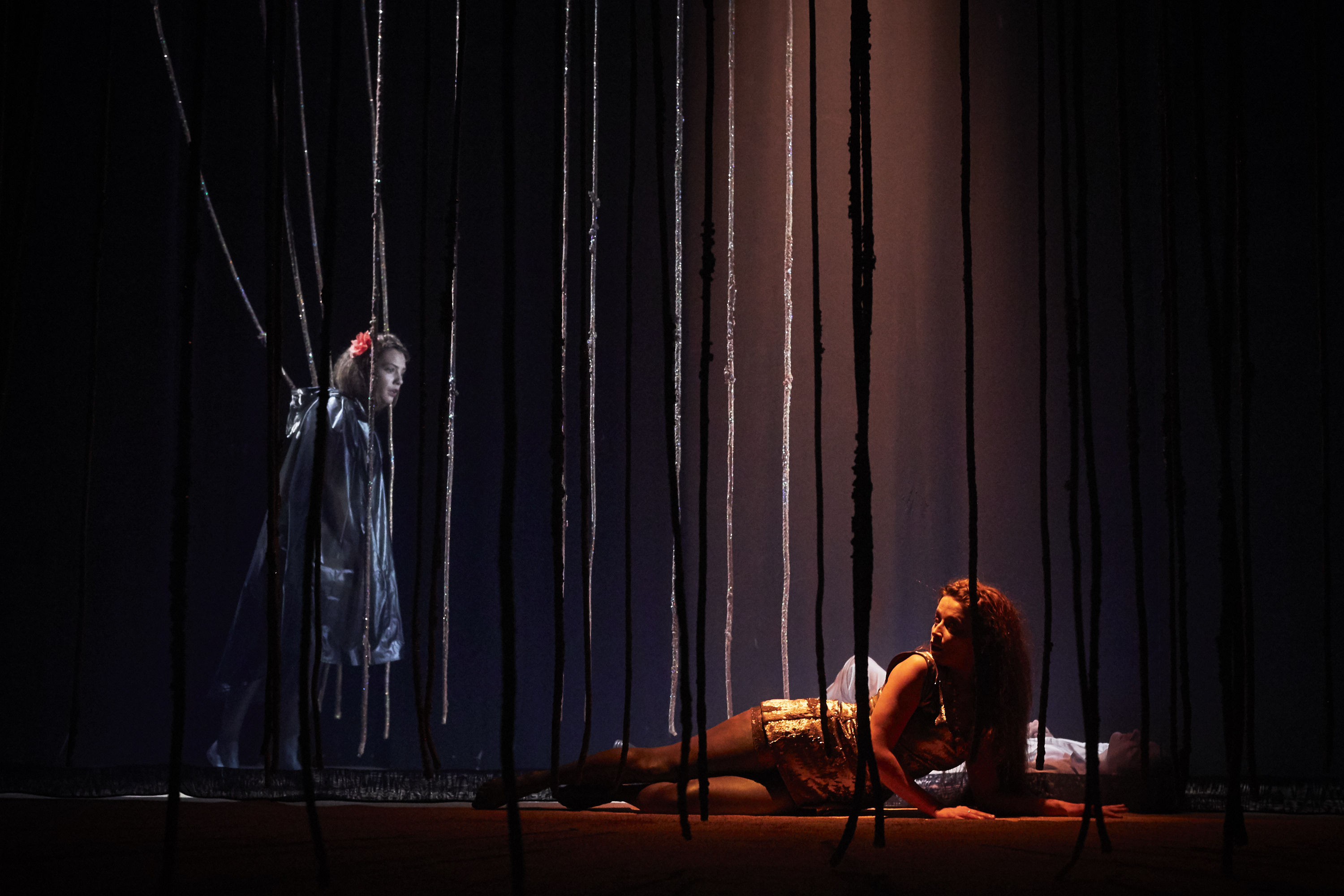
« Demain enfin… » Curieuse et rêveuse, la Petite Sirène attend depuis longtemps le jour de son quinzième anniversaire. Comme ses sœurs avant elle, elle pourra selon la tradition s’éloigner de son palais du fond des mers et aller découvrir les beautés du monde terrestre qu’on lui a tant contées. Alors qu’une tempête éclate, elle se retrouve témoin de la noyade d’un jeune homme qu’elle reconduit jusqu’au rivage. Son chant le ramène à la vie et elle disparaît aussitôt…
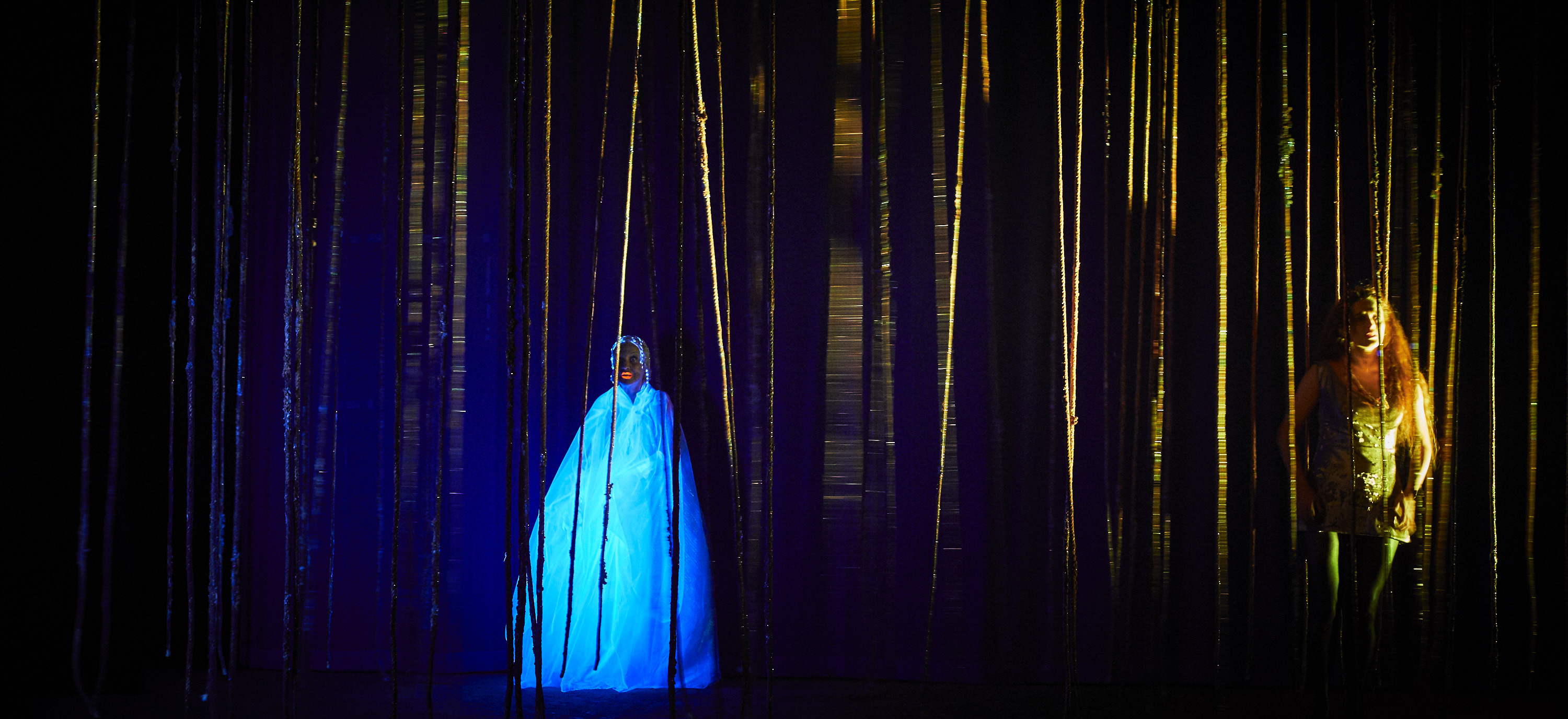
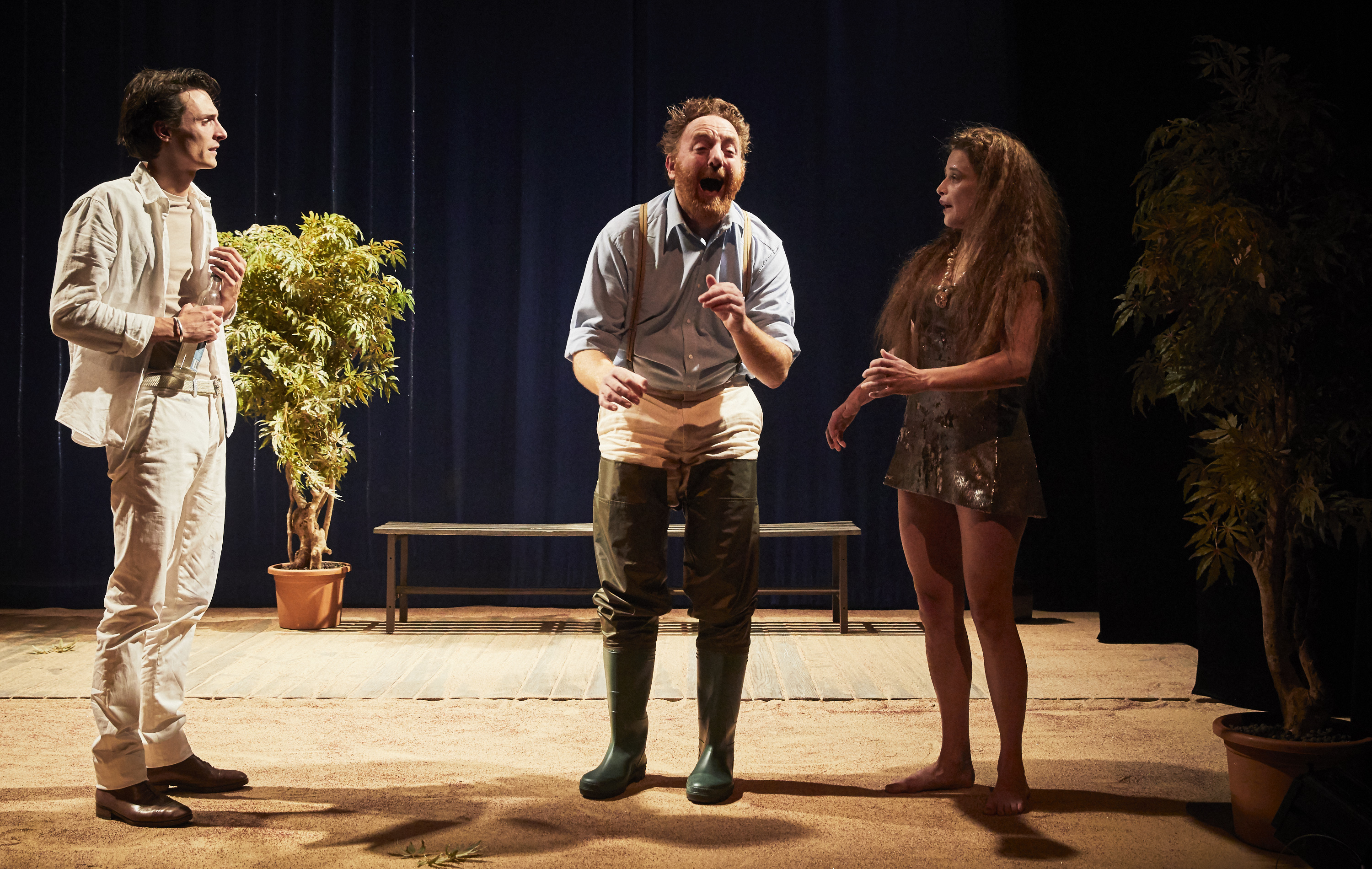
C’est ainsi que débutent les aventures du « petit plancton » – comme la surnomme sa grand-mère – tombé amoureux de l’inconnu, assez intrépide pour accepter le pacte que lui propose la Sorcière des mers : de magnifiques jambes agiles en échange de sa voix, ne plus jamais revoir les siens et, si le Prince devait en épouser une autre, se transformer en écume.Géraldine Martineau adapte le conte d’Andersen en alexandrins libres et imagine une forêt musicale de coraux. Le parcours d’émancipation de celle dont la danse éblouira les humains et qui sera confrontée à l’éveil du sentiment amoureux, à la peur des adultes et à la violence du monde, est une ode à la différence. Il ouvre un champ de réflexion sur les parts de soi que l’on est capable de transformer pour plaire à autrui. Géraldine Martineau privilégie la poésie à la lecture d’une morale punitive du conte. En devenant Fille de l’air, la sirène acquiert, nous dit-elle, « une nature pleine d’une bonté naturelle, peut-être plus proche de la sienne, et peut ainsi continuer sa découverte du monde etdes éléments ».
Spectacle créé le 15 novembre 2018 en coréalisation avec le Festival d’Automne à Paris et avec
la participation artistique du Jeune Théâtre National
Tout public à partir de 7 ans> Si l’on me demandait ce qu’est un conte, je répondrais instinctivement que c’est une voix pour rentrer dans la nuit.
LE GENRE LITTÉRAIRE DU CONTE porte dès son origine des caractères à la fois oniriques et moraux, à destination des enfants mais aussi des adultes, qui seuls peuvent percevoir sa dimension subversive. Il n’est donc pas étonnant que des metteurs en scène du XXIe siècle tentent de porter un nouveau regard sur ce genre, en proposant des réécritures inventives à destination de tous les publics.
Le conte merveilleux, une présence discrète au Répertoire
Les contes constituent un fabuleux répertoire dans lequel le théâtre a souvent puisé et ce, dès le XVIIe siècle. Les spectateurs sont alors friands des pièces dites à machines avec tout leur cortège d’effets merveilleux. Au XVIIIe siècle, ce goût ne se dément pas et des adaptations de contes de Charles Perrault fleurissent sur les scènes, offrant des changements de décor à vue spectaculaires. Ses contes sont devenus une telle référence que Beaumarchais, dans une parade intitulée Les Bottes de sept lieues – pièce qui sera jouée Salle Richelieu en 1932, hors répertoire, lors de la célébration du bicentenaire de la naissance de l’auteur –, fait dire au personnage de Gilles, apostrophant le public : « c’est z’icy que l’on voit […] ces fameuses bottes […] composée par ce fameux monsieur Perrault ».
Si le conte merveilleux alimente les théâtres de la Foire et du boulevard, la Comédie-Française reste plus en marge de cet engouement. Ainsi, la présence de ce genre au sein du Répertoire est discrète. On y monte des pièces aux titres suggestifs qui restent néanmoins assez éloignées de la littérature enfantine, comme La Coupe enchantée de Jean de La Fontaine et Champmeslé (1688, d’après deux contes de La Fontaine, Les Oies de Frère Philippe et La Coupe enchantée, inspirés eux-mêmes de Boccace et de L’Arioste), Le Petit Chaperon rouge de Félix Gandera et Claude Gevel (1919) ou encore Poudre d’or de René Trintzius et Amédée Valentin (1928). En revanche, des œuvres aux titres moins évocateurs se nourrissent de l’imaginaire du conte. Des personnages de fées s’introduisent dans L’Oracle de Germain-François Poullain de Saint-Foix (1740), Les Fées de Dancourt (1699), L’Amour et les fées du cardinal de Bernis (1746) ou encore Arlequin poli par l’amour de Marivaux (1720) ; un talisman dans Il était une bergère d’André Rivoire (1905) ; un génie dans Amour pour amour de Pierre-Claude Nivelle de La Chaussée (1742)…
Le conte philosophique et moral
Bien que le conte merveilleux soit le genre le plus représenté dans les adaptations pour les scènes hors Comédie-Française tout au long du XVIIIe siècle, le conte philosophique et moral devient, vers la fin du siècle, une nouvelle source d’inspiration, traduisant des enjeux politiques, culturels ou sociaux. Ainsi, Rochon de Chabannes tire sa pièce Heureusement – créée par les Comédiens-Français en 1762 – de deux Contes moraux de Marmontel, à qui on attribue la paternité du genre, et qui s’affranchit progressivement de la féerie. Beaucoup plus récemment, en 2012, Emmanuel Daumas livre sur la scène du Studio-Théâtre une adaptation rythmée du Candide de Voltaire, qu’il qualifie « d'œuvre espiègle et pernicieuse », où il s’agit de voir « jusqu’où on peut repousser la limite de notre acceptation ».
La fable, un parent proche du conte, s’immisce également au sein du répertoire de la Comédie-Française, notamment à travers les œuvres de Jean de La Fontaine. Ainsi, ses fables animalières font l’objet de soirées littéraires, en 1975 et 1986, tournent aux États-Unis en 1996, sous la direction de Michel Favory, avant d’être orchestrées, en 2004, par le metteur en scène et plasticien Robert Wilson sur le plateau de la Salle Richelieu.
Le conte et les spectacles tout public des dix dernières années
Avec Le Loup, d’après les Contes du chat perché de Marcel Aymé (mise en scène Véronique Vella), en 2009, la Comédie-Française renoue avec cet intérêt des arts de la scène pour le conte – plus spécifiquement à destination d’un jeune public – et lui donne « une nouvelle forme d’oralité ». Au cours des saisons suivantes plusieurs adaptations de contes d’Andersen posent toujours la question de leur adaptation : Les Habits neufs de l’empereur (mise en scène Jacques Allaire, 2010), Les Trois Petits Cochons (mise en scène Thomas Quillardet, 2012), La Princesse au petit pois (mise en scène et adaptation Édouard Signolet, 2013), La Petite Fille aux allumettes (adaptation d’Amrita David et Olivier Meyrou, 2014). En 2016, Véronique Vella prolonge avec un autre conte de Marcel Aymé, Le Cerf et le chien, son intérêt pour la porosité entre animalité et humanité. Dans ces différentes propositions, toutes présentées au Studio-Théâtre, la prise en charge de la narration et de la dimension métaphysique du conte – en passant par la parole mais aussi par le son et l’image – nourrit l’imaginaire enfantin tout en restituant au spectateur de tout âge les dimensions politique, poétique et parfois contestataire.
- Visuel : La Coupe enchantée de Jean de La Fontaine et Champmeslé, 1913, avec Lafon, Jules Truffier, Yvonne Lifraud, Berthe Bovy, Béatrix Dussane – photo. A. Bert, coll. CF
-
Adaptation et mise en scène : Géraldine Martineau
Scénographie : Salma Bordes
Costumes : Laurianne Scimemi Del Francia
Lumières : Laurence Magnée
Musique originale : Simon Dalmais
Son : François Vatin
Travail chorégraphique : Sonia Duchesne
Collaboration artistique : Sylvain Dieuaide
Documents
-
 Télécharger le PDF (1.38 MB)
Programme La Petite sirène 19/20
Programme de La Petite sirène, d’après Hans Christian Andersen. Adaptation et mise en scène Géraldine Martineau. Studio-Théâtre.
Casting
-
 la Grand-Mère de la Petite Sirène, la Sorcière des mers et la Mère de la Princesse du palais voisin
 -
Voix des Filles de l’air : Françoise Gillard, Anna Cervinka
Voix chantée : Judith Chemla