L'Heureux Stratagème
by Marivaux
Directed by Emmanuel Daumas
From 15 November to 31 December

Discover the play
-
« Bien que l’infidélité soit un crime, c’est que je soutiens qu’il ne faut pas un moment hésiter à en faire une, quand on est tentée, à moins que de vouloir tromper les gens, ce qu’il faut éviter, à quelque prix que ce soit. »
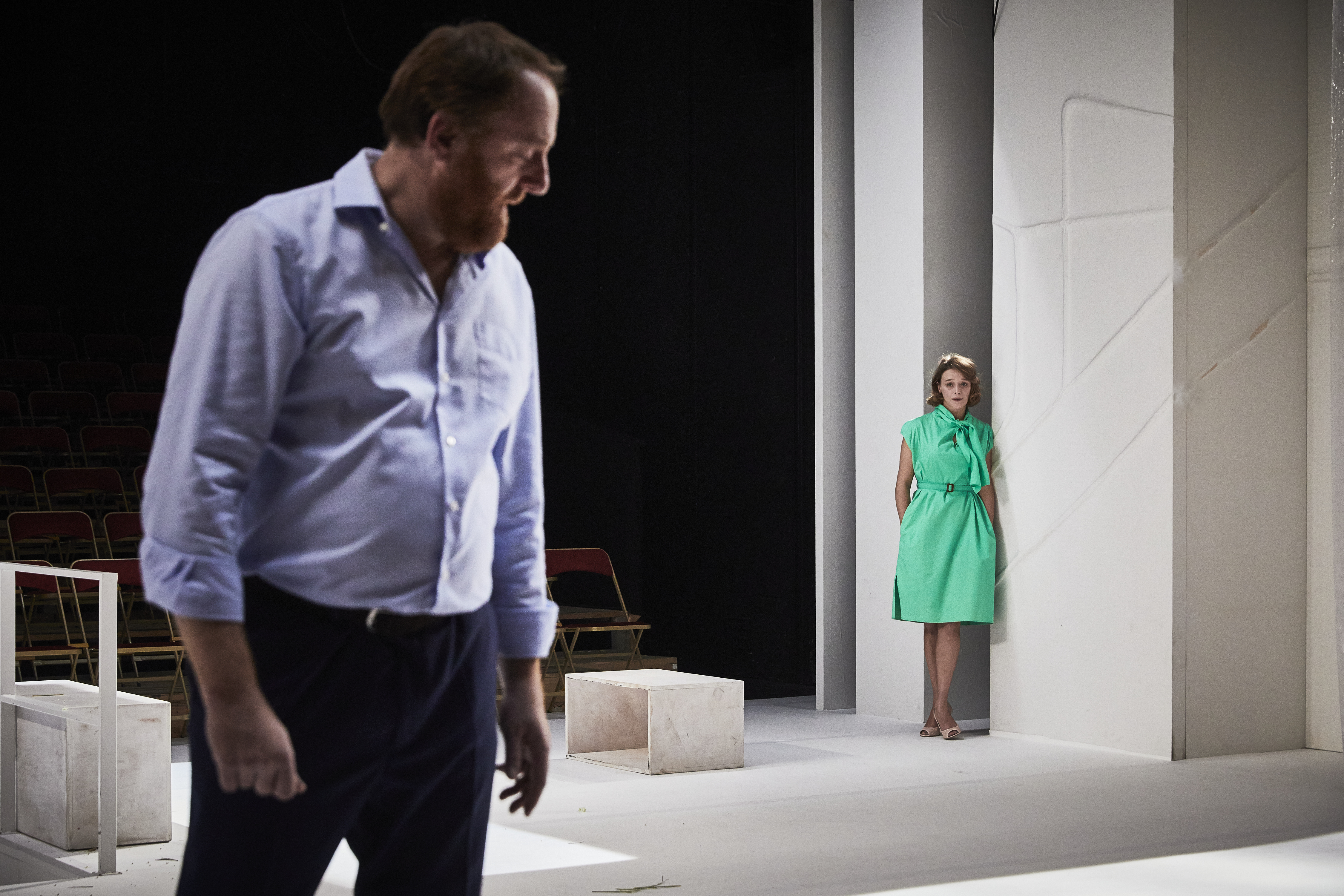
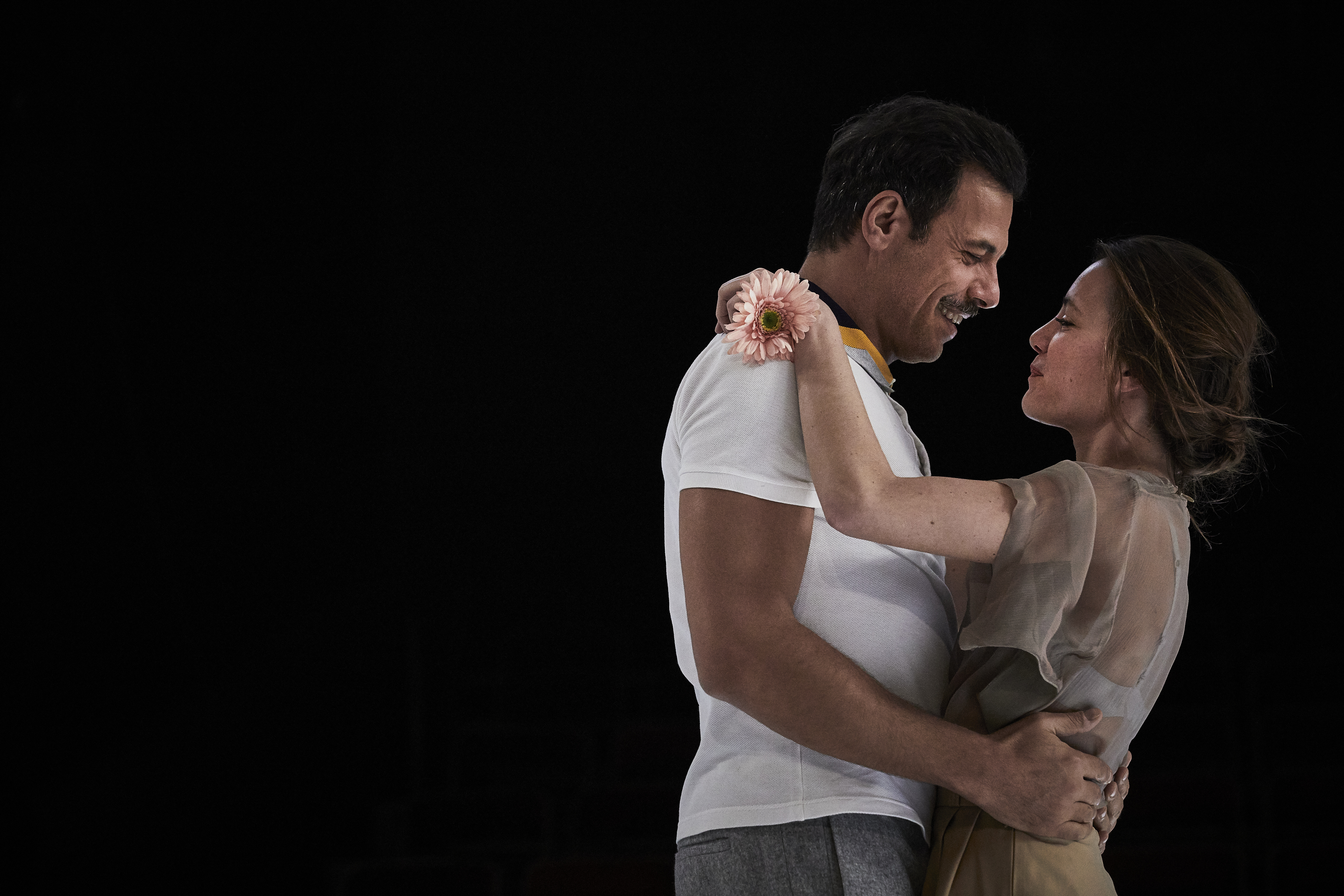
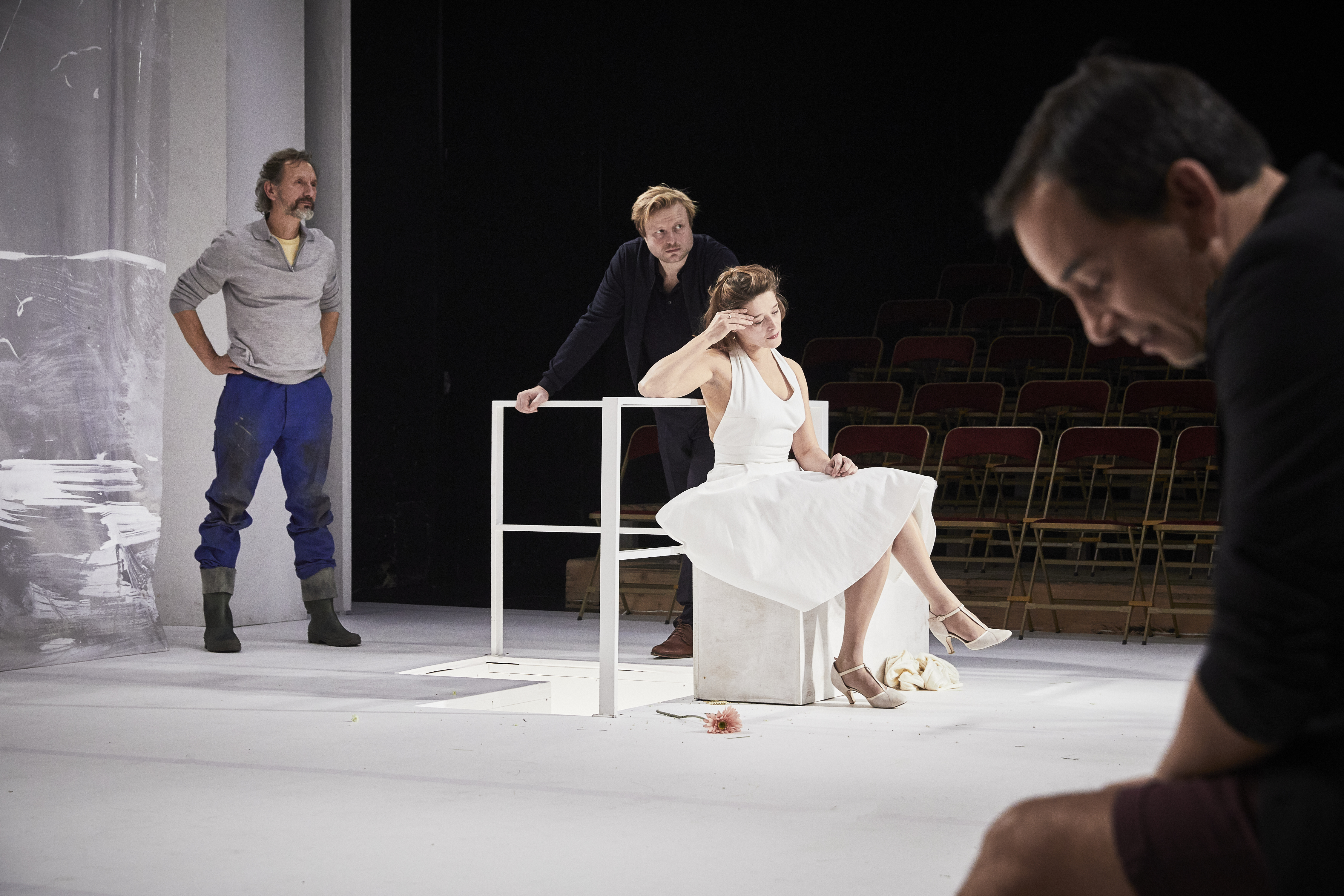
Personnage féminin d’une liberté remarquable, la Comtesse est pour Emmanuel Daumas loin de la simple coquette. La pièce, qu’il dit « sans âge », a été écrite en 1733 pour les Comédiens-Italiens, à la même époque que Le Petit-Maître corrigé. Marivaux s’y concentre sur les rouages de la passion qu’il met à nu sans passer outre leurs contradictions. La Marquise, délaissée par son amant le Chevalier au profit de la Comtesse, propose à Dorante, lui-même négligé par la Comtesse dont il est toujours amoureux, de mettre en oeuvre un stratagème : ils feindront de s’aimer, et même de vouloir se marier, afin d’aiguiser la jalousie de ceux qu’ils chérissent. Se jouent dans une symétrie magistrale les noces de Lisette et d’Arlequin, liées à celles de leurs maîtres.
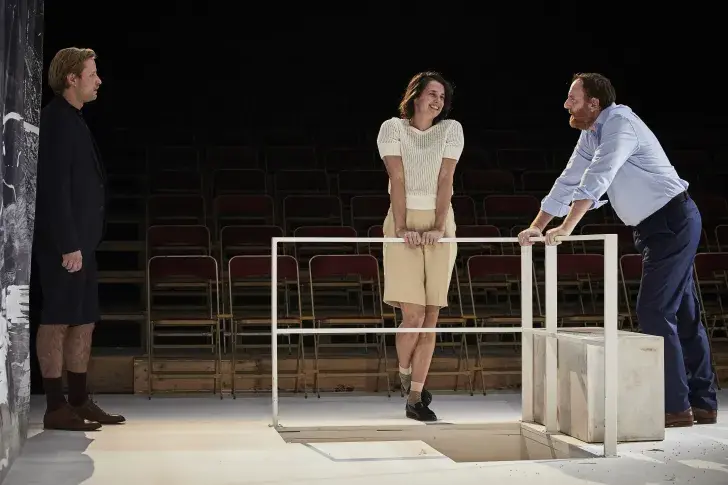
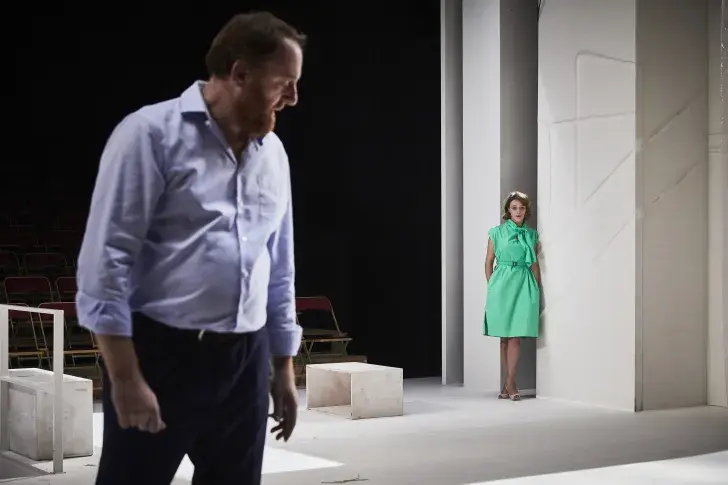
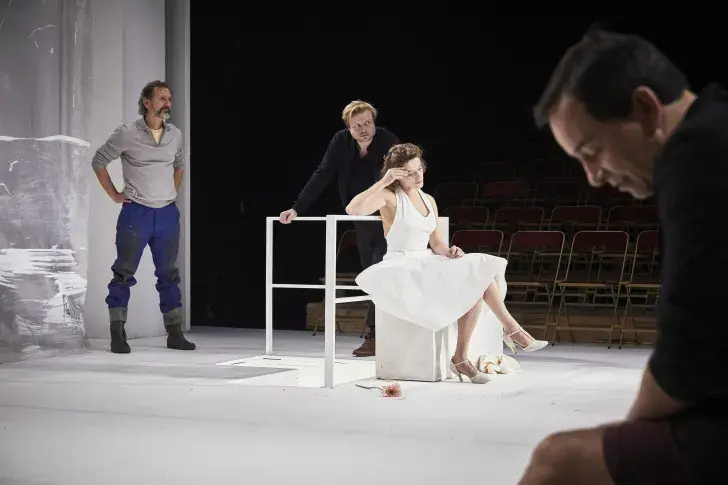
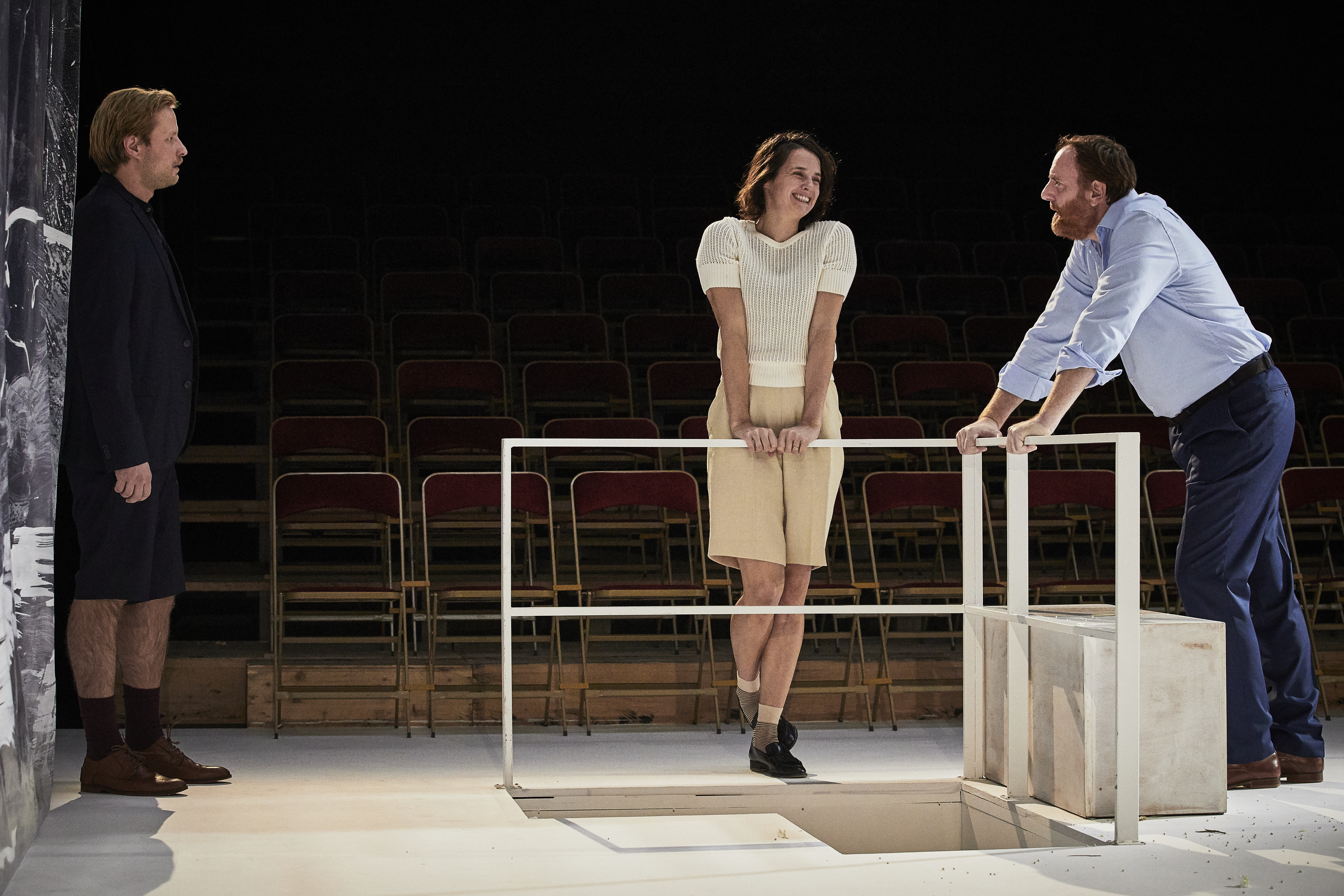
« L’épreuve marivaudienne n’est jamais à sens unique : il n’y a pas un personnage qui éprouve et un autre qui est éprouvé ». Suivant Bernard Dort, Emmanuel Daumas – qui a déjà présenté à la Comédie-Française La Pluie d’été de Marguerite Duras et Candide de Voltaire – scrute l’authenticité de ces personnages moins caricaturaux qu’ils ne paraissent. Loin des clichés d’une farce sur l’inconstance, la rivalité entre la Marquise, femme expérimentée, et la jeune Comtesse s’apparente à un parcours d’initiation, de la profondeur du sentiment exprimé dans l’instant jusqu’à la constatation de son âpreté. Attentif aux pointes de cruauté en jeu dans l’allégresse de cette comédie, il choisit de diriger les acteurs dans un dispositif bifrontal, au plus près de l’émotion, du langage des corps et des regards.
Mise en scène en dispositif bifrontal (plan de salle spécifique)
> Il faut \[…\] que les acteurs ne paraissent jamais sentir la valeur de ce qu'ils disent, et en même temps, que les spectateurs la sentent et la démêlent.
MARIVAUX ÉCRIT DAVANTAGE POUR LA COMÉDIE-ITALIENNE que pour la Comédie-Française ; le jeu « à l'impromptu » des Italiens, naturel, s'ajuste plus au caractère de son œuvre. Mais l'œuvre de Marivaux subit un déclin chez les Comédiens-Italiens qui fusionnent, en 1762, avec l'Opéra-Comique, orientant désormais leur répertoire vers la comédie lyrique. En ce qui concerne la Comédie-Française, sur les dix pièces qui y sont créées, seules trois se maintiennent à la veille de la Révolution. Pendant les troubles révolutionnaires, les Comédiens-Français, et notamment Mademoiselle Contat, remettent Marivaux à l'honneur. Néanmoins, en cette période sombre, certains adversaires lui reprochent trop de légèreté, de volubilité, de badinage, la futile broderie du « marivaudage ».
L'Empire restaure son répertoire, désormais merveilleusement servi par Mademoiselle Mars, mais il faut attendre 1860 pour qu’une première étude sur son œuvre fasse entrevoir toute sa richesse (Marivaux, sa vie et ses œuvres par Larroumet). Mais le XIXe siècle moraliste goûte peu la « métaphysique du cœur », les jeux de travestissement et la liberté subversive des rapports de classe, qui s’ancrent dans une société d’Ancien Régime désormais supplantée par la toute puissance de la bourgeoisie tenant les rênes du pouvoir économique. Le siècle ne joue ainsi que quatre ou cinq pièces, toujours les mêmes : Le Legs, Les Fausses Confidences, L’Épreuve et Le Jeu de l’amour et du hasard.
L’œuvre de Marivaux est redécouverte à partir de l’entre-deux-guerres, notamment à la Comédie-Française qui fait entrer au Répertoire bon nombre de pièces. Finalement peu joué jusque là, Marivaux profite particulièrement de l’arrivée de la mise en scène moderne à la Comédie-Française. Alors que le répertoire de Molière, de Racine et de Corneille est analysé par le prisme de la « tradition », qui fait de l’acteur le seul dépositaire d’un art du jeu dont il a hérité de ses prédécesseurs – les jeux de scène et l’interprétation se transmettaient alors d’interprète en interprète –, cette grille d’analyse ne vaut pas pour Marivaux. Le metteur en scène a donc toute latitude pour donner de son répertoire une interprétation originale. Le théâtre de Marivaux, qui n’avait jamais connu de grand succès au Français du vivant de l’auteur, est désormais un des piliers du Répertoire, notamment à partir des années cinquante.
Si le texte de La Commère, pièce réputée perdue, est retrouvé dans les archives en 1965 et mis en scène dans la foulée, certaines pièces sont toujours absentes du Répertoire parmi la quarantaine qu'il a écrites : Le Père prudent et équitable, L’Amour et la vérité, L’Héritier de village, Le Triomphe de Plutus, La Femme fidèle, Félicie et La Provinciale. En 2016, Clément Hervieu-Léger met en scène Le Petit-Maître corrigé, objet d’une cabale, qui n’avait connu que deux représentations à sa création. Emmanuel Daumas s’attache lui aussi à faire redécouvrir L’Heureux Stratagème, qui n’avait jamais été joué à la Comédie-Française.
- Visuel : La Dispute de Marivaux, mise en scène de Jean Martinelli, 1938 – photo. Manuel frères, coll. CF
-
Mise en scène : Emmanuel Daumas
Scénographie et costumes : Katrijn Baeten et Saskia Louwaard
Lumière : Bruno Marsol
Son : Gérald Kurdian
Maquillages et coiffures : Catherine Bloquère
Collaboration artistique : Vincent Deslandres
Documents
-
 Télécharger le PDF (1.14 MB)
Programme L'Heureux Stratagème 19/20
Programme de L'Heureux Stratagème, de Marivaux. Mise en scène Emmanuel Daumas. Théâtre du Vieux-Colombier (saison 2019/2020).