7 minutes
directed by Maëlle Poésy
From 15 September to 17 October

Discover the play
-
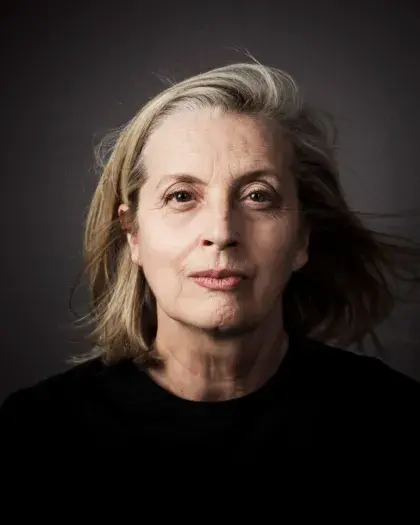
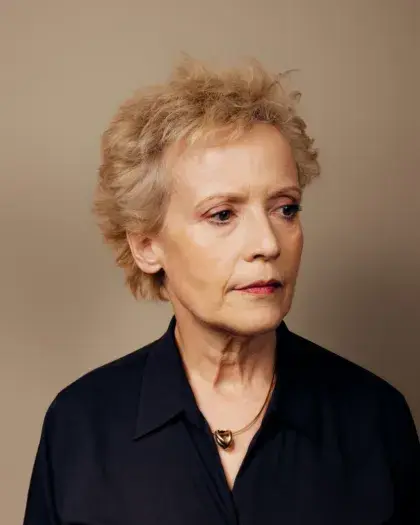
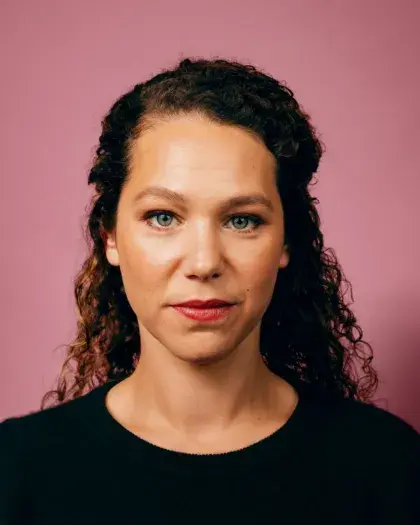
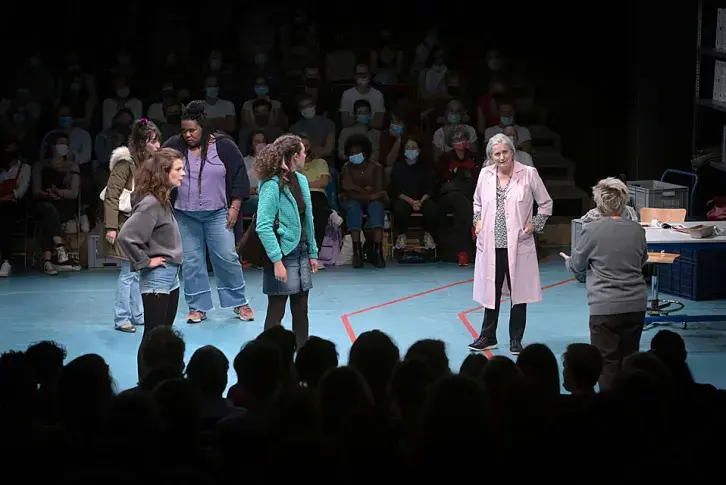
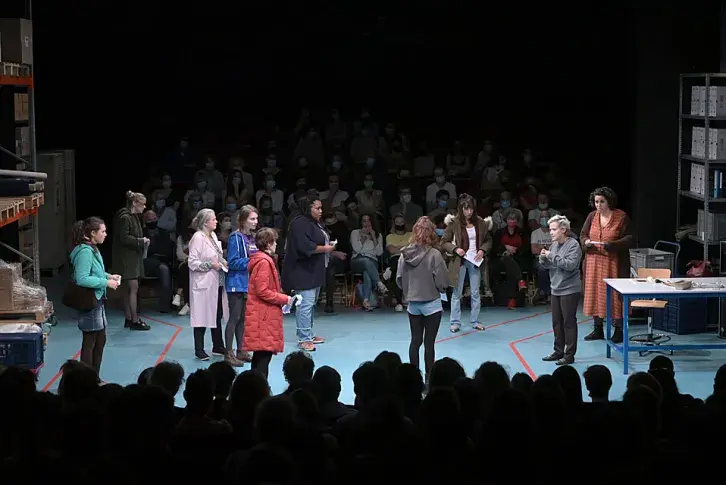
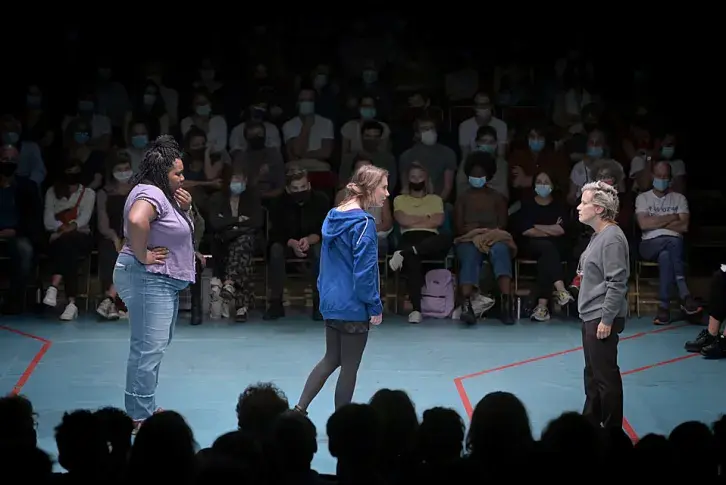
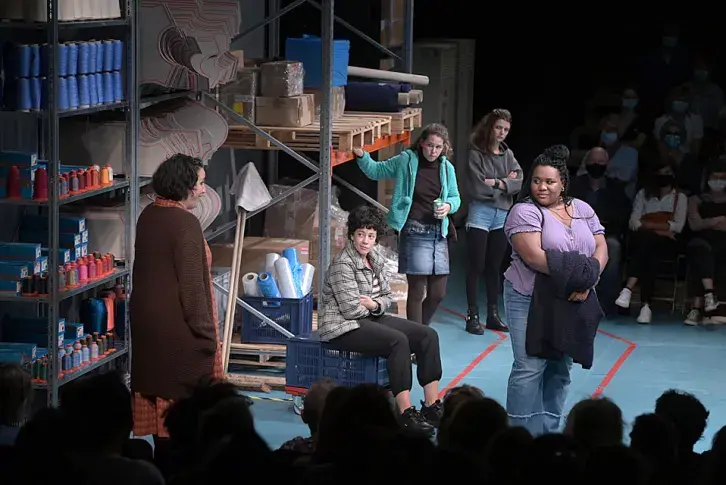
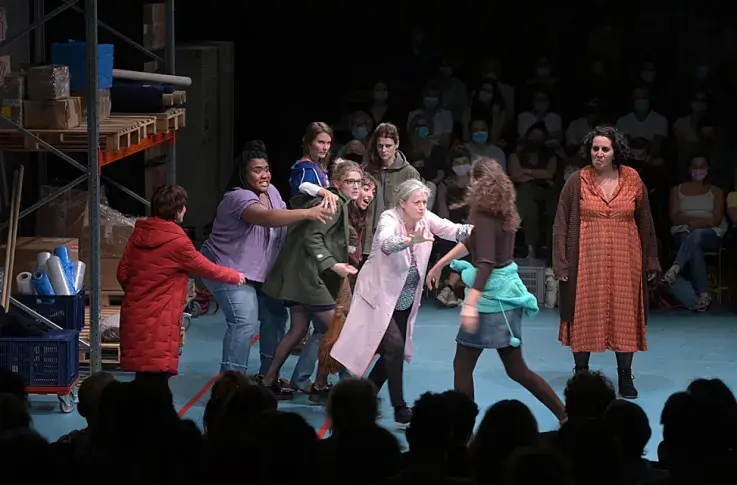
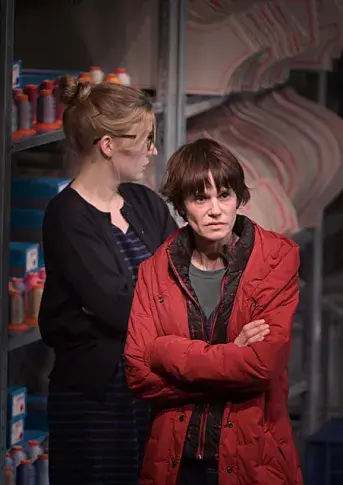
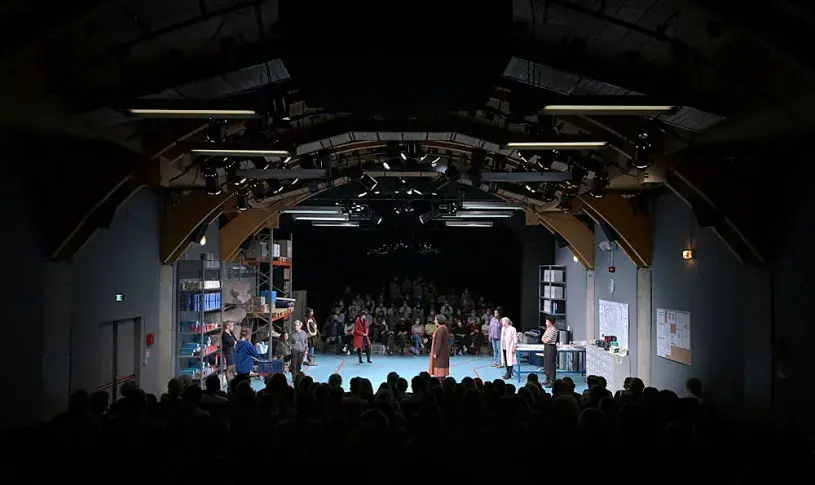
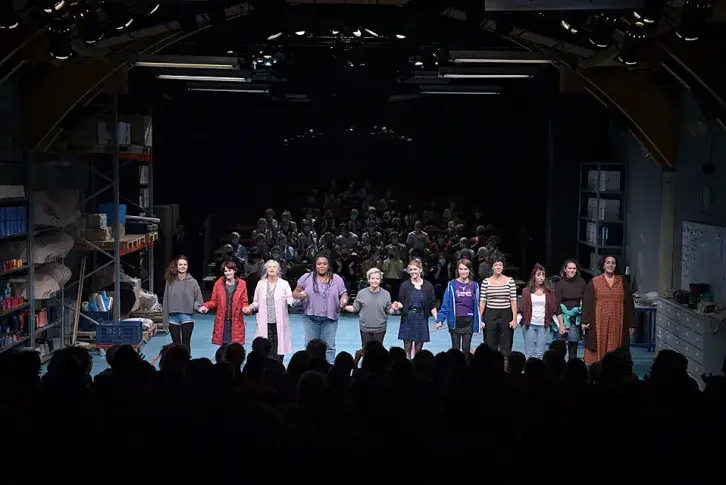
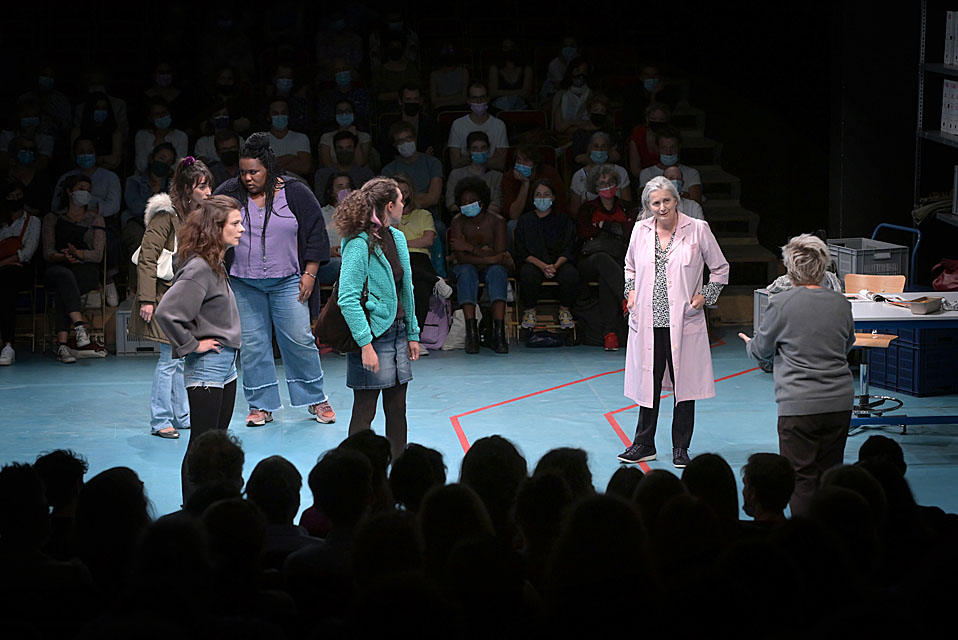
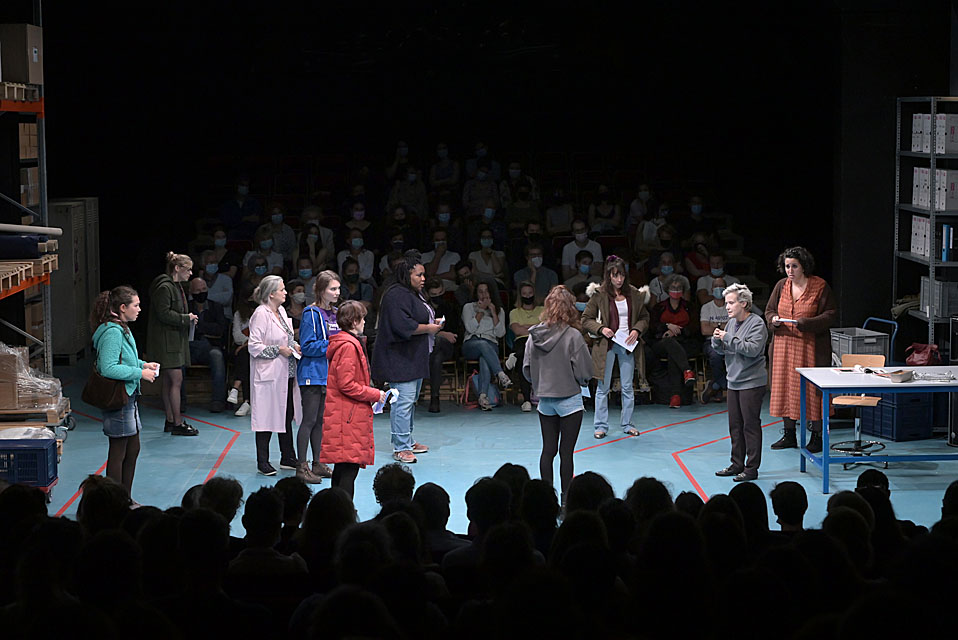
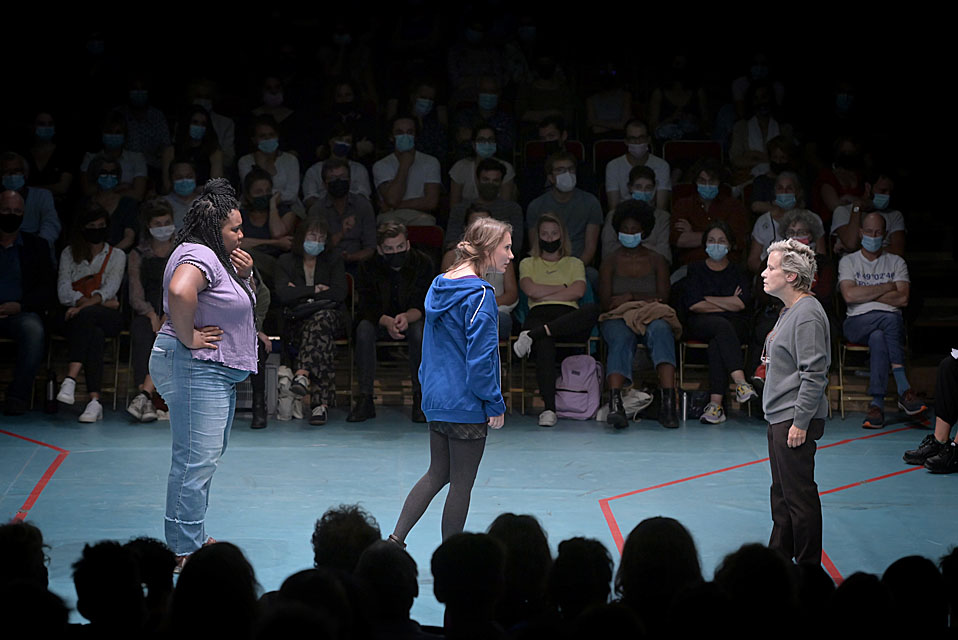
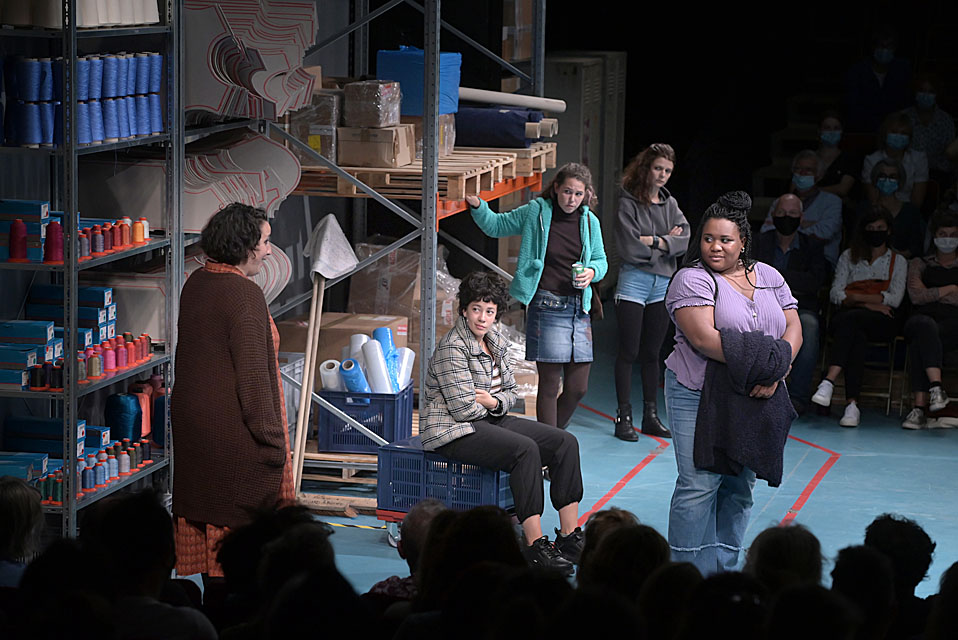
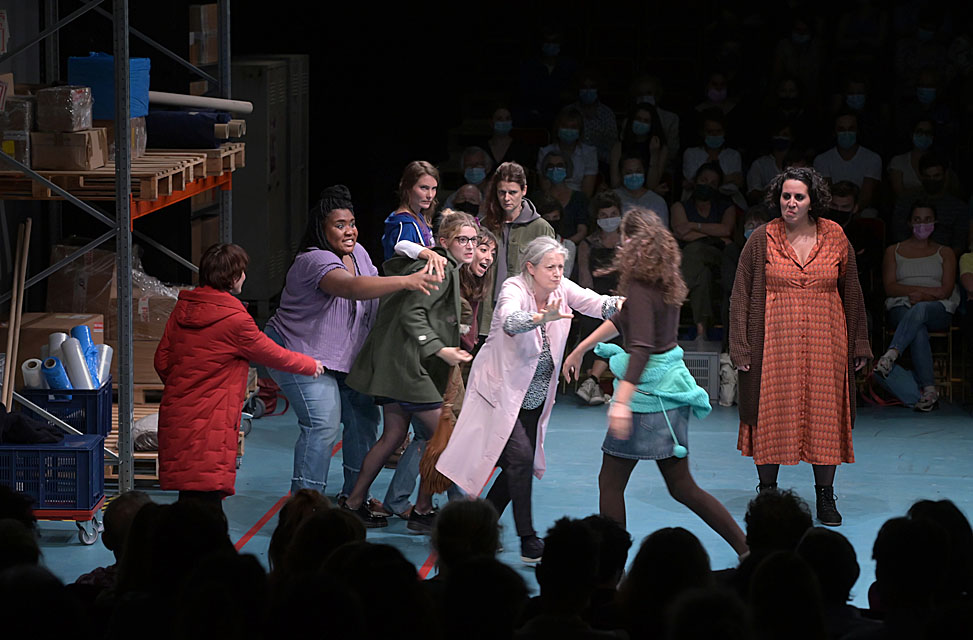
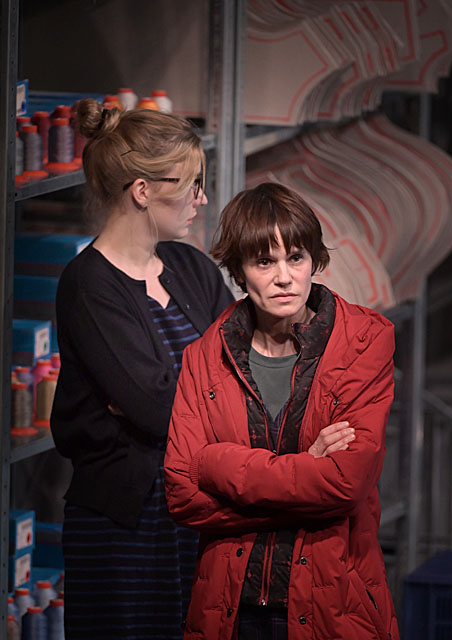
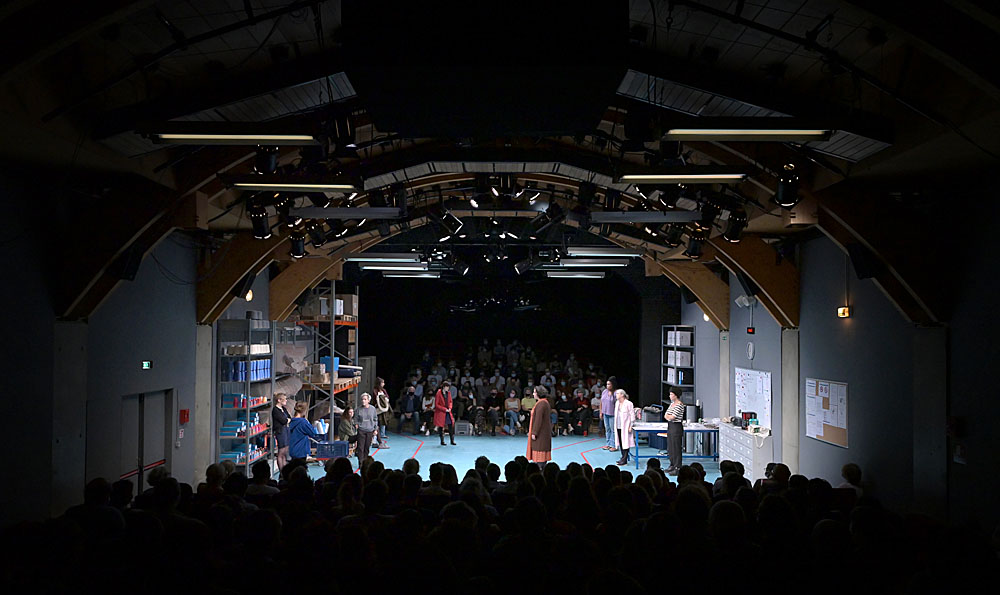
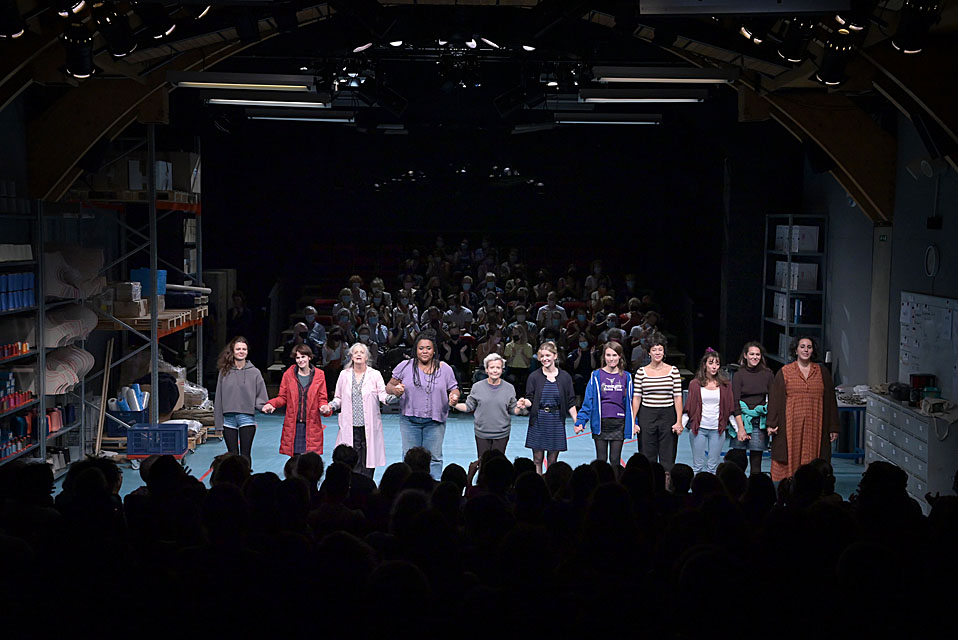
Dix femmes attendent la porte-parole qui négocie leur avenir avec les repreneurs de l’usine dans laquelle elles travaillent. À son retour, elles devront voter au nom des deux cents employées qu’elles représentent. S’engage alors un thriller social qui ouvre une double réflexion sur la valeur marchande du travail et la prise de conscience des mécanismes de domination. Car si la proposition faite par la nouvelle direction semble honorable, elle impose à ces femmes un choix crucial : tous les emplois seront sauvés à condition d’accepter de réduire de sept minutes leurs pauses quotidiennes. À l’euphorie de la bonne nouvelle succède un échange où chacune prend parti selon sa personnalité, ses années dévouées à la marque, ses nécessités personnelles et son souci du collectif.
Après avoir monté Tchekhov en 2016 au Studio-Théâtre, Maëlle Poésy choisit pour sa deuxième mise en scène à la Comédie-Française, cette pièce chorale de Stefano Massini. Comme dans d’autres de ses textes, notamment Les Frères Lehman, l’auteur, conseiller artistique du Piccolo Teatro de Milan, s’inspire d’un fait réel, le combat très médiatisé des femmes de l’usine Lejaby à Yssingeaux en 2012.
« Nous voulons être libres, mais nous avons peur de la liberté, précise l’auteur. Choisir, décider, est une obligation autant qu’une liberté. »
Maëlle Poésy aime l’engagement de ces femmes pour la construction d’une pensée collective et dédie cet exceptionnel plateau d’actrices à la circulation de la parole.L’Arche est éditeur et agent théâtral du texte représenté.
Avec la participation artistique du Jeune Théâtre National
Rencontre « 1990-2020.Le théâtre italien en résistance »
3 oct à 17h au Théâtre du Vieux-Colombier. Entrée libre sur réservation
Dans 7 minutes, un comité d’ouvrières doit se prononcer sur une mesure proposée par la nouvelle direction. La discussion chorale évolue du début à la fin de la pièce, et une pensée collective émerge de ce débat démocratique. De telles scènes collectives, en temps réel, sont assez rares dans le répertoire théâtral – la pièce de Stefano Massini n’est pas sans évoquer le film de Sidney Lumet également adapté au théâtre, Douze hommes en colère, sorti en 1957, et qui présente un huis clos de 12 jurés devant se prononcer sur une affaire de parricide.
Les instances politiques et démocratiques (sénat romain, assemblée nationale sous la Révolution française) sont davantage représentées sur scène que les sujets sociaux – comme c’est le cas dans 7 minutes – qui sont très marginaux dans le répertoire de la Comédie-Française.Les pièces évoquant les assemblées politiques de la république romaine sont nombreuses même si peu d’entre elles mettent en scène réellement les débats. Sénateurs, tribuns, consuls traversent donc la scène d’un grand nombre de tragédies romaines du XVIIe et XVIIIe siècle. Coriolan de Shakespeare, monté en 1934 par l’administrateur Émile Fabre, réveille les tensions politiques alors que la France est en pleine crise parlementaire : on y voit une pièce fasciste très critique vis-à-vis du fonctionnement démocratique. L’Assemblée nationale ou le Tribunal révolutionnaire sont à l’arrière-plan des pièces qui se situent sous la Révolution française, quand ils ne font pas l’objet de tableaux figurés sur scène comme dans Le Sang de Danton de Saint-Georges de Bouhelier (5e tableau, Le Tribunal révolutionnaire).
Les thématiques sociales abordant conflits, grèves, négociations et rapports de force entre les différentes classes sont peu représentées à la Comédie-Française alors qu’elles sont des sujets de prédilection sur d’autres scènes notamment à la fin du XIXe siècle. André Antoine, sur son théâtre, se consacre à défendre les classes laborieuses : Les Bouchers de Fernand Icres (1888), Les Tisserands de Gerhart Hauptmann (1893), Le Cuivre de Paul Adam et André Picard (1895), etc. À la Comédie-Française à la même époque, dans un théâtre bourgeois, le Répertoire fait allusion aux conflits sociaux plus qu’il ne les représente : seule La Grève des forgerons de François Coppée (1897) aborde le sujet frontalement, mais la plupart des pièces en restent à l’évocation, comme L’Embuscade d’Henry Kistemaeckers (1913), comédie de mœurs sur fonds d’intrigue sociale (la grève menace dans les usines d’automobiles Guéret).
- Visuel : Mounet-Sully dans La Grève des forgerons, 1897 © Coll. Comédie-Française
-
Traduction : Pietro Pizzuti
Mise en scène : Maëlle Poésy
Dramaturgie : Kevin Keiss
Scénographie : Hélène Jourdan
Costumes : Camille Vallat
Lumières : Mathilde Chamoux
Son : Samuel Favart-Mikcha
Maquillages, coiffures et perruques : Catherine Saint-Sever
Assistanat à la mise en scène : Aurélien Hamard-Padis
Documents
-
 Download the PDF (8.59 MB)
Programme 7 minutes
Programme « 7 minutes» de Stefano Massini.
Mise en scène Maëlle Poésy, du 15 septembre au 17 octobre 2021 au Théâtre du Vieux-Colombier.
Casting
-
-
Et
Camille Constantin : Zoélie
Maïka Louakairim : Sophie
Mathilde-Edith Mennetrier : Agnès
Lisa Toromanian : Mahtab