L'Avare
Directed by Lilo Baur
From 1st April to 24 July

Discover the play
-
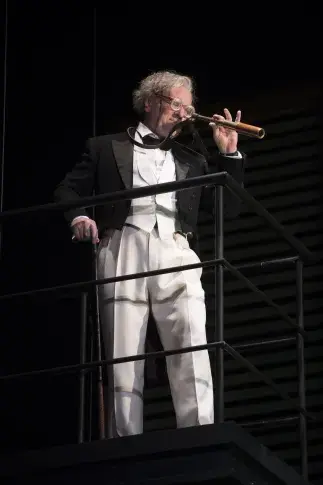
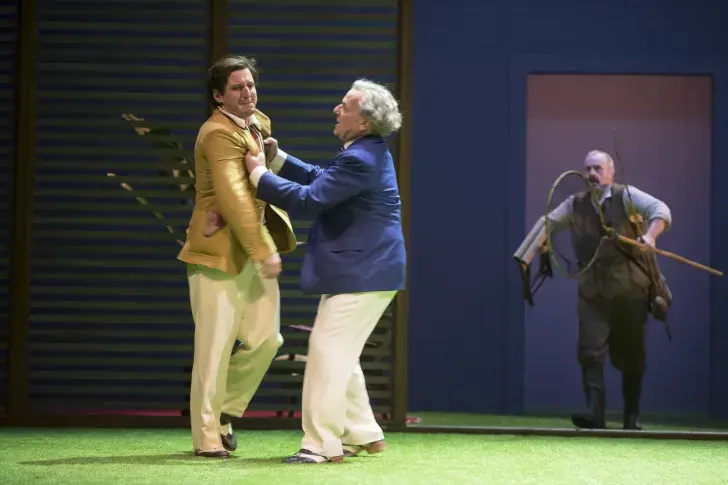
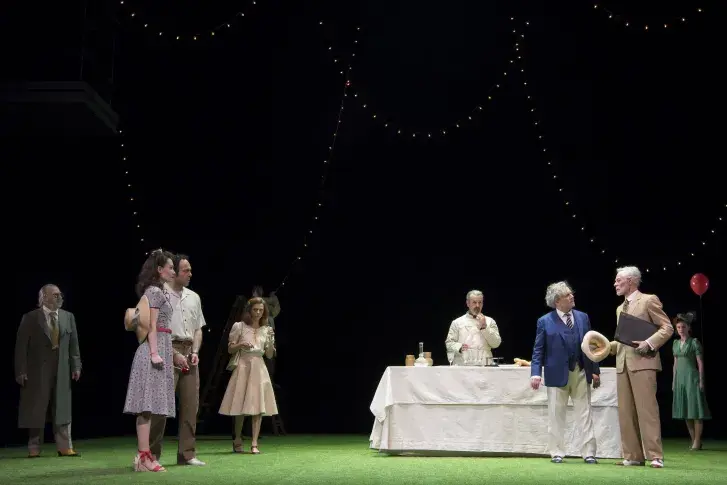
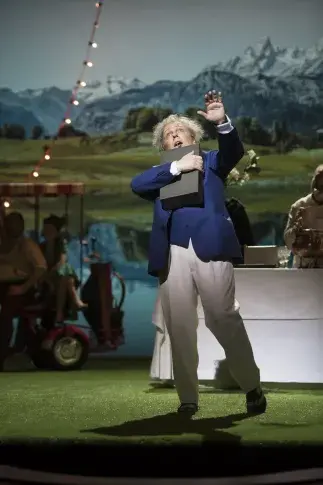
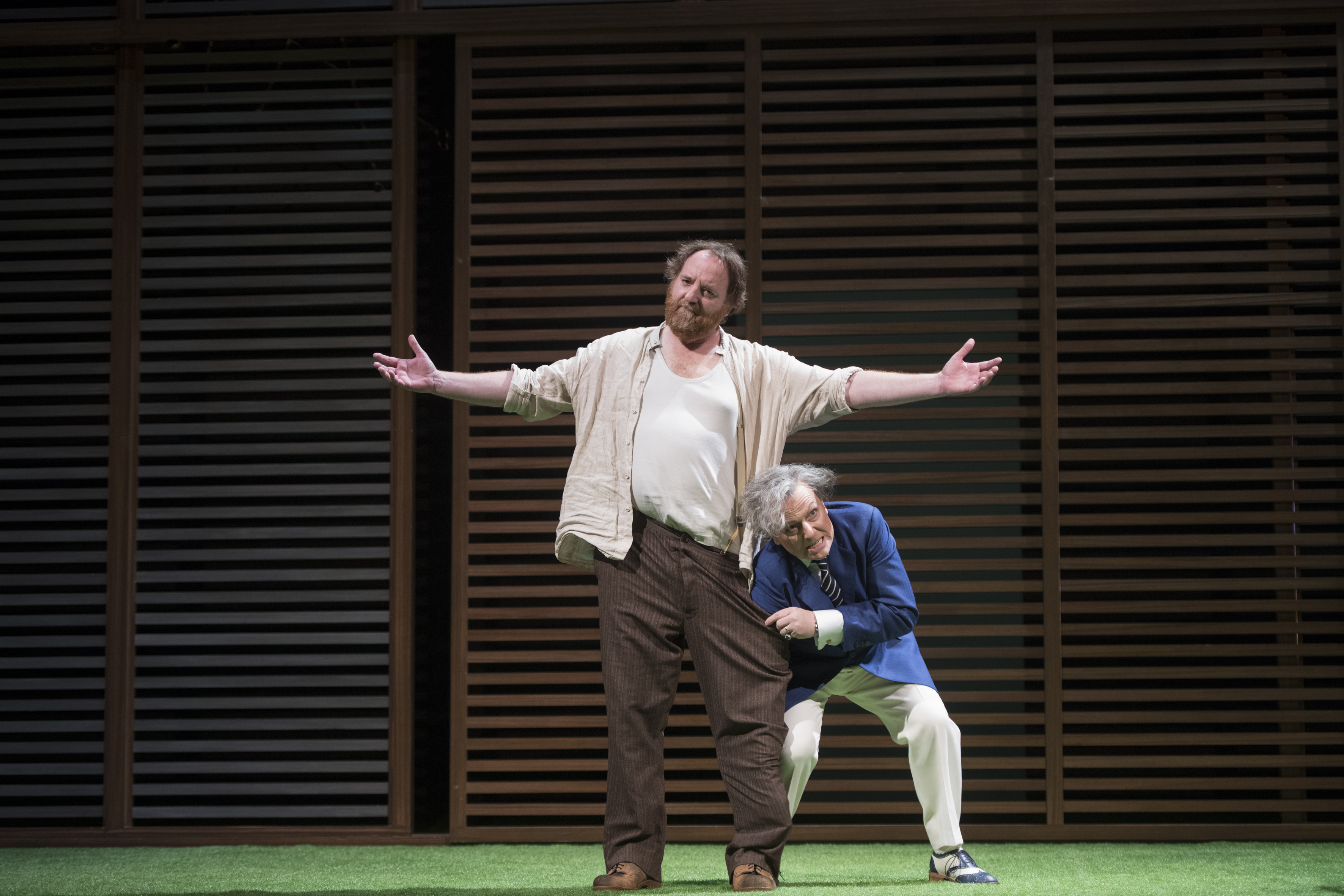
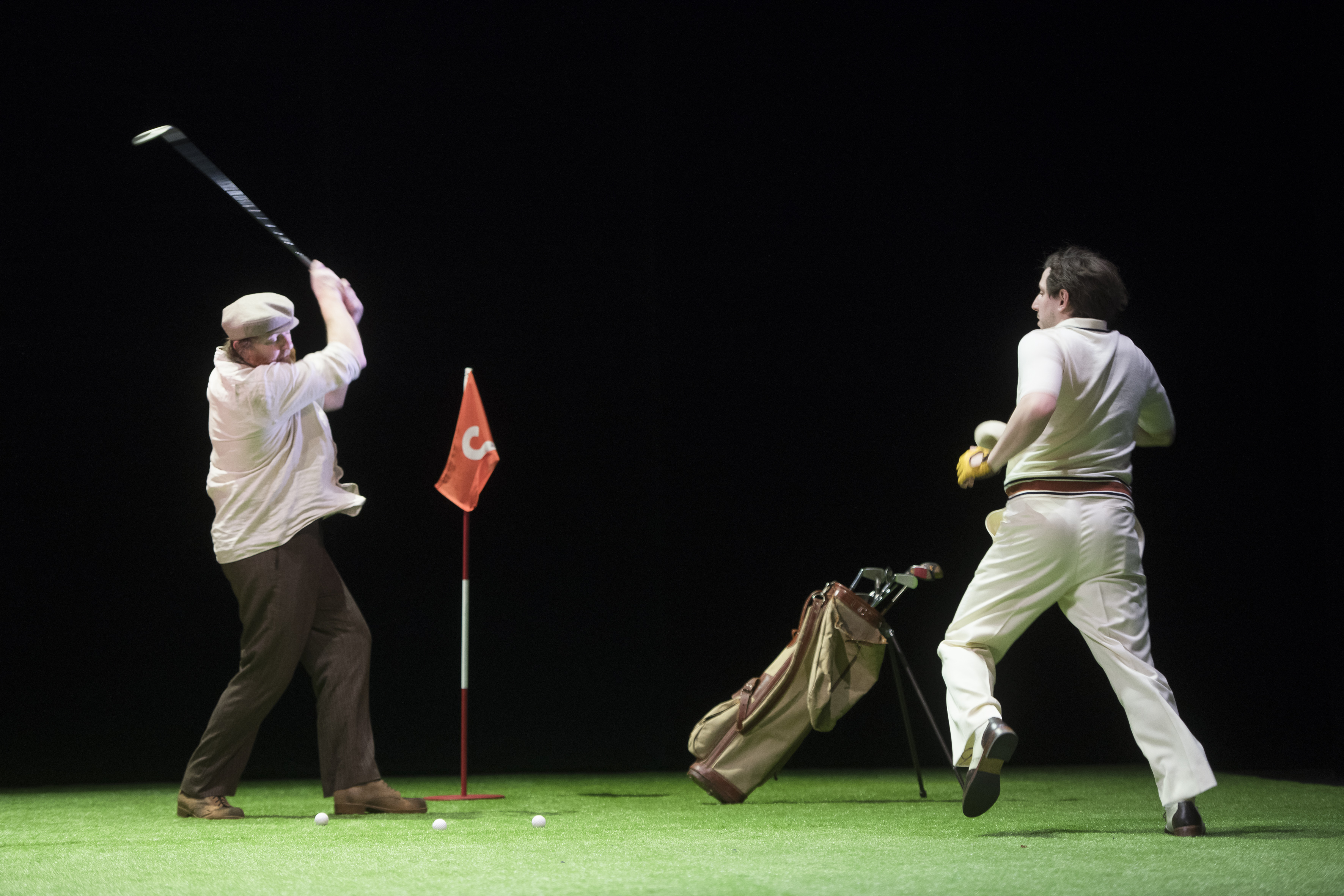
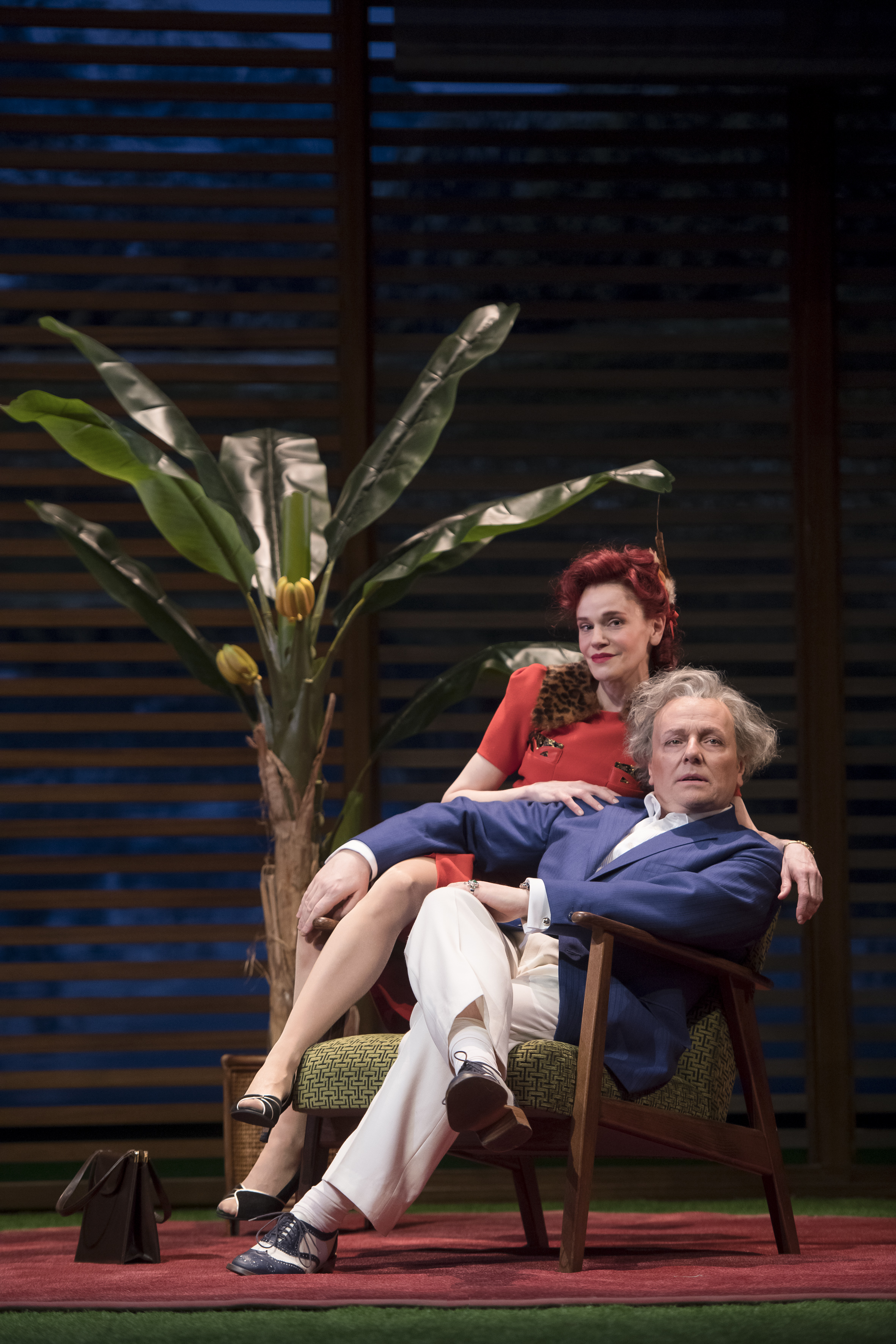
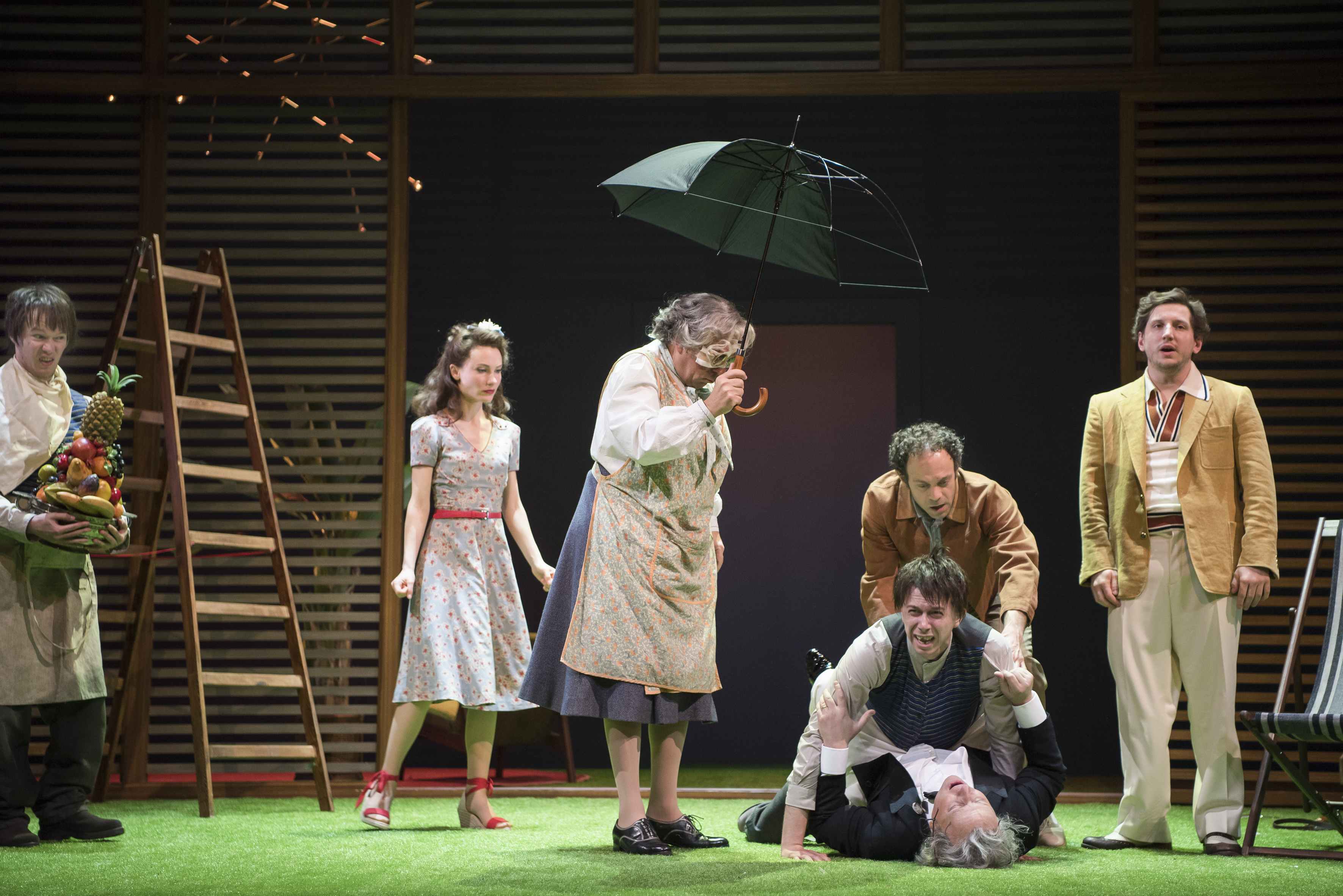
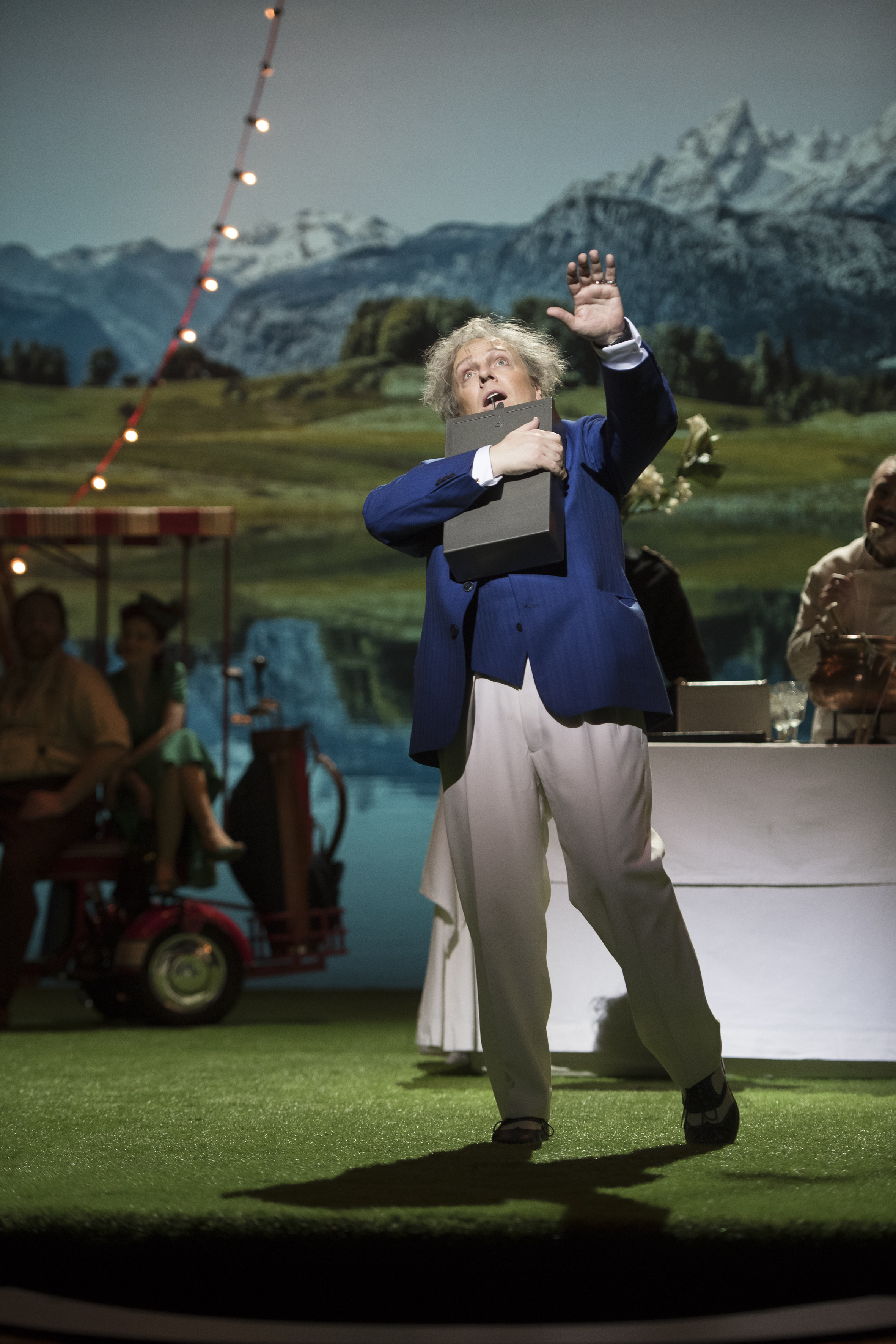
Il interprète lui-même au Théâtre du Palais-Royal le rôle de cet homme à la fortune assurée dont la vie n’est que calcul et paranoïa. Harpagon projette de marier « sans dot » sa fille Élise à un riche marchand qui pourrait être son père, et son fils Cléante à une riche veuve. Il va sans dire que Molière défend les amoureux contre l’autorité paternelle, Élise étant éprise de Valère qui s’introduit dans le foyer déguisé en valet, Cléante convoitant Mariane sans savoir que son père a l’intention de l’épouser. Au thème du mariage forcé, le dramaturge ajoute ici celui du rapport père-fils et de la quête d’une éternelle jeunesse, relève Lilo Baur qui retrouve la Troupe pour la sixième fois, juste après sa récente Puce à l’oreille de Feydeau.
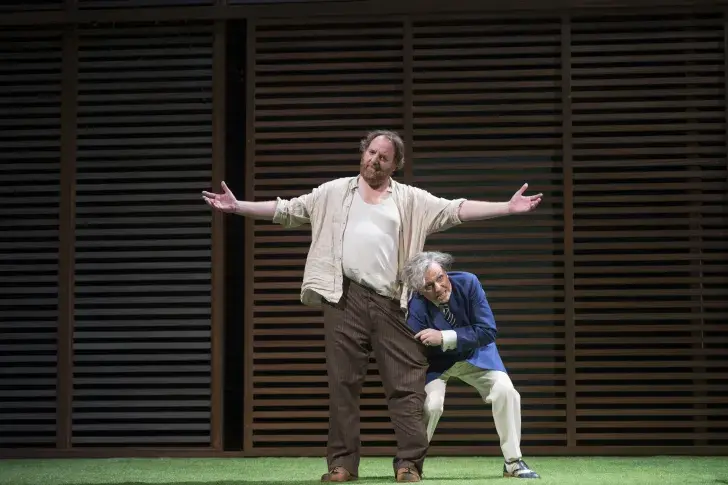
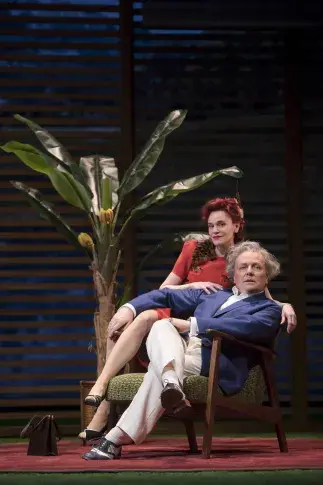
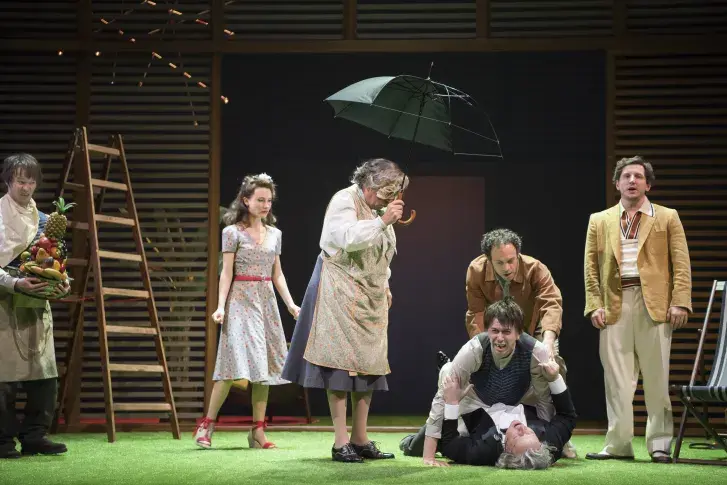
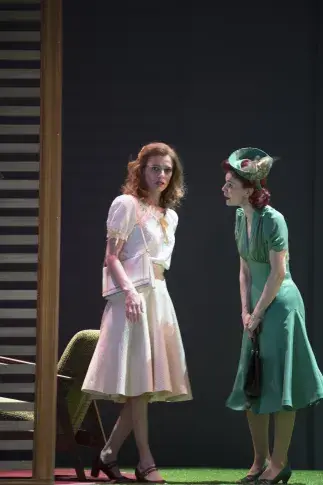
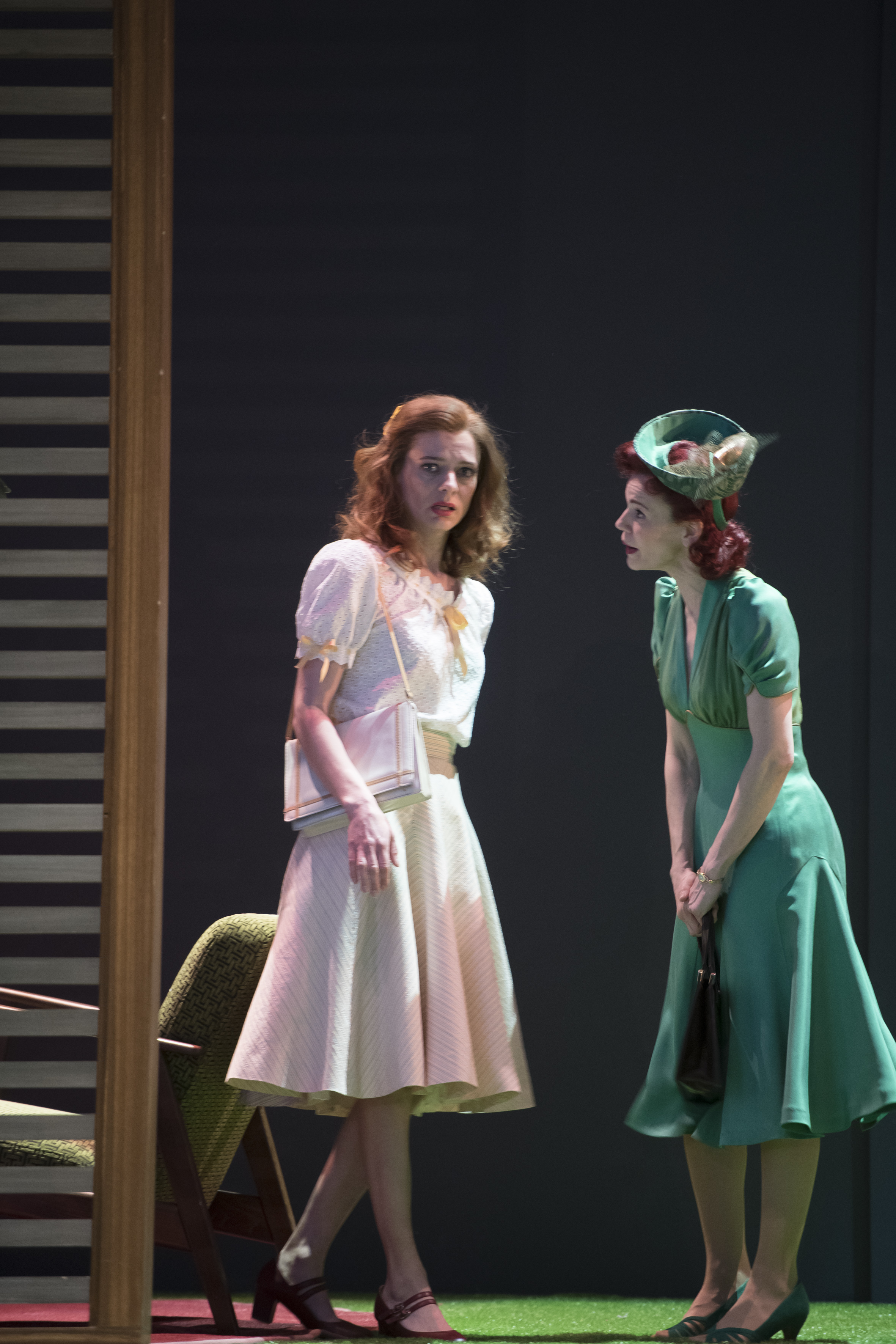
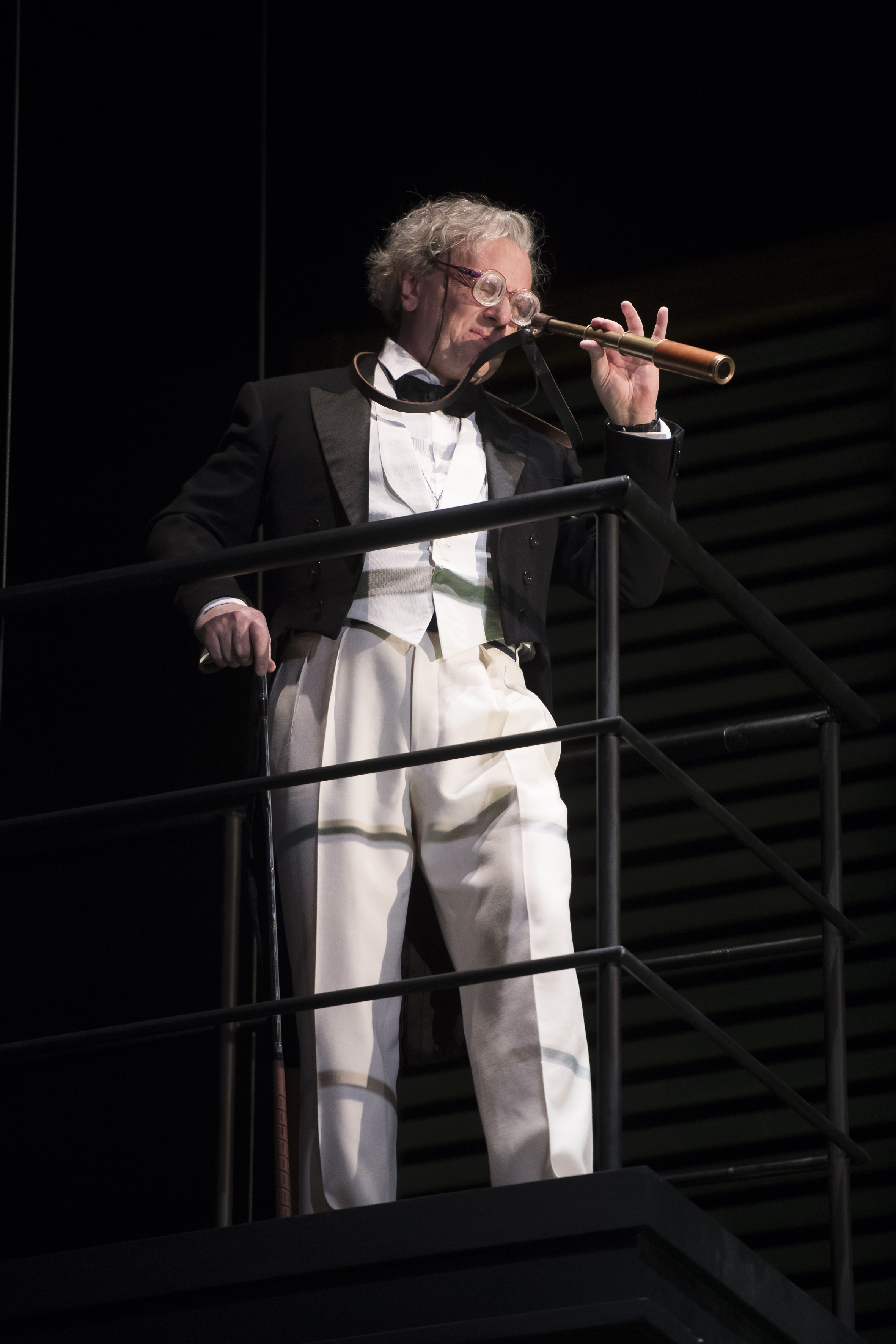
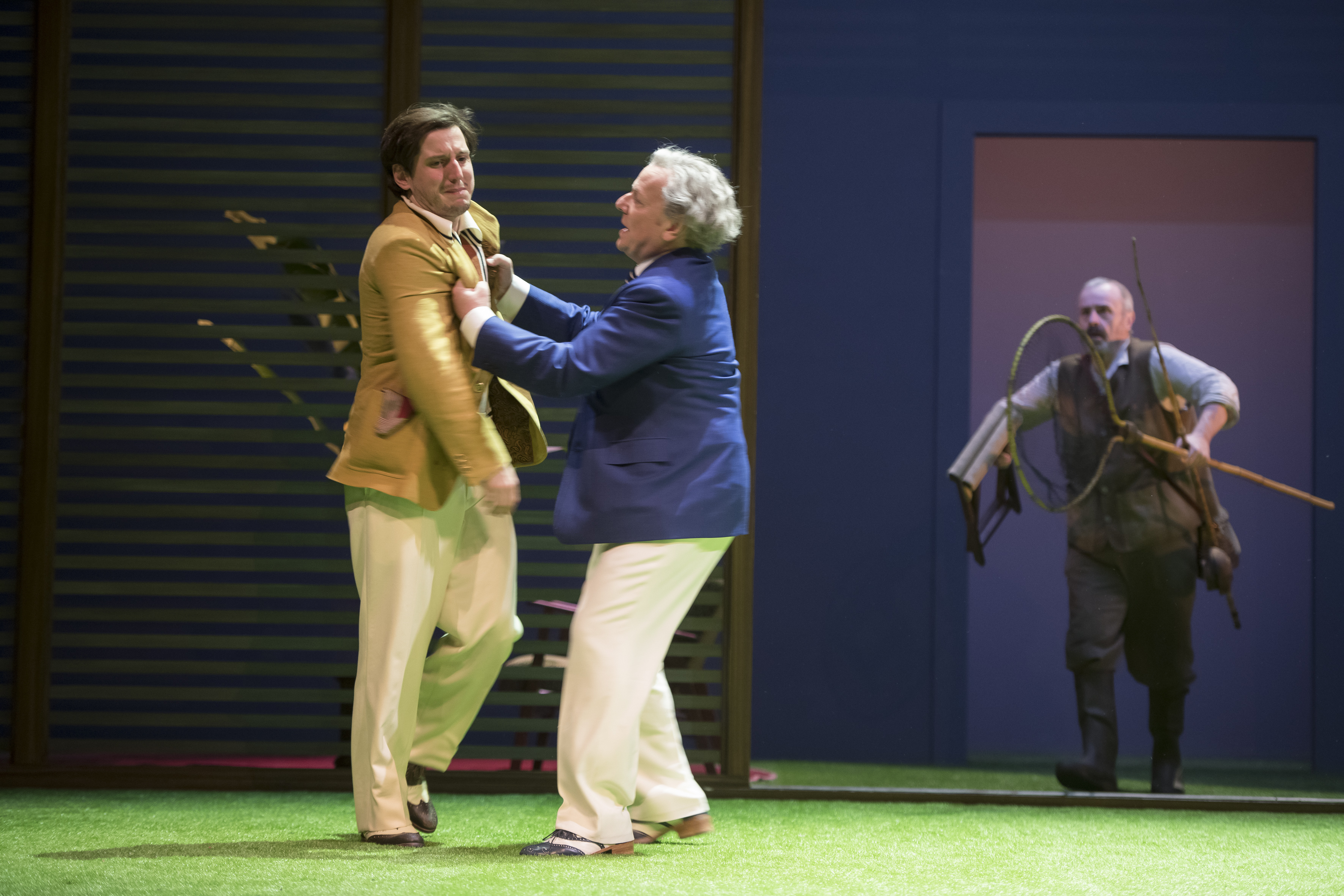
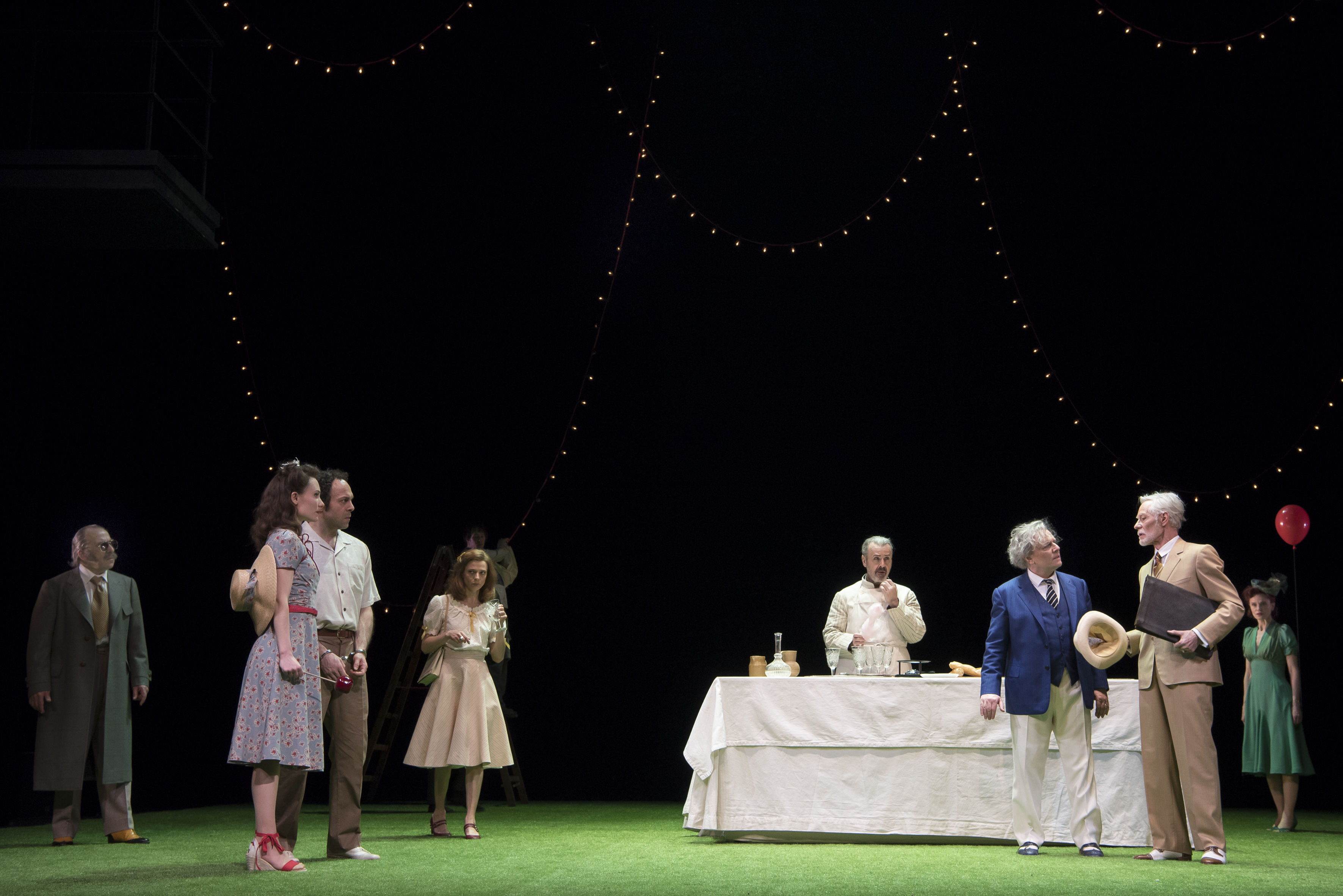
Elle situe la pièce dans la période d’après-guerre, à la fois proche de nous mais loin de l’émancipation féminine, parentale et sociétale gagnée depuis. Et, de cet usurier sans scrupule qui accumule ses richesses dans une cassette, « à l’image des grandes banques, avec tous ces lingots et ces bijoux enfermés dans des coffres comme dans des mausolées », elle tire les fils de sa mise en scène enlevée. Femme de plateau à l’imagination débordante, elle exploite le comique de situation de ce texte aux scènes légendaires, de la fouille du valet La Flèche à la cassette volée, et met en valeur « les sentiments exacerbés de la jeunesse, amoureuse ou enragée ».
Comédie en 5 actes
Date de création de l’œuvre : 9 septembre 1668 au Théâtre du Palais-Royal
Date de création à la Comédie-Française : 2 septembre 1680 au Théâtre de l’Hôtel Guénégaud
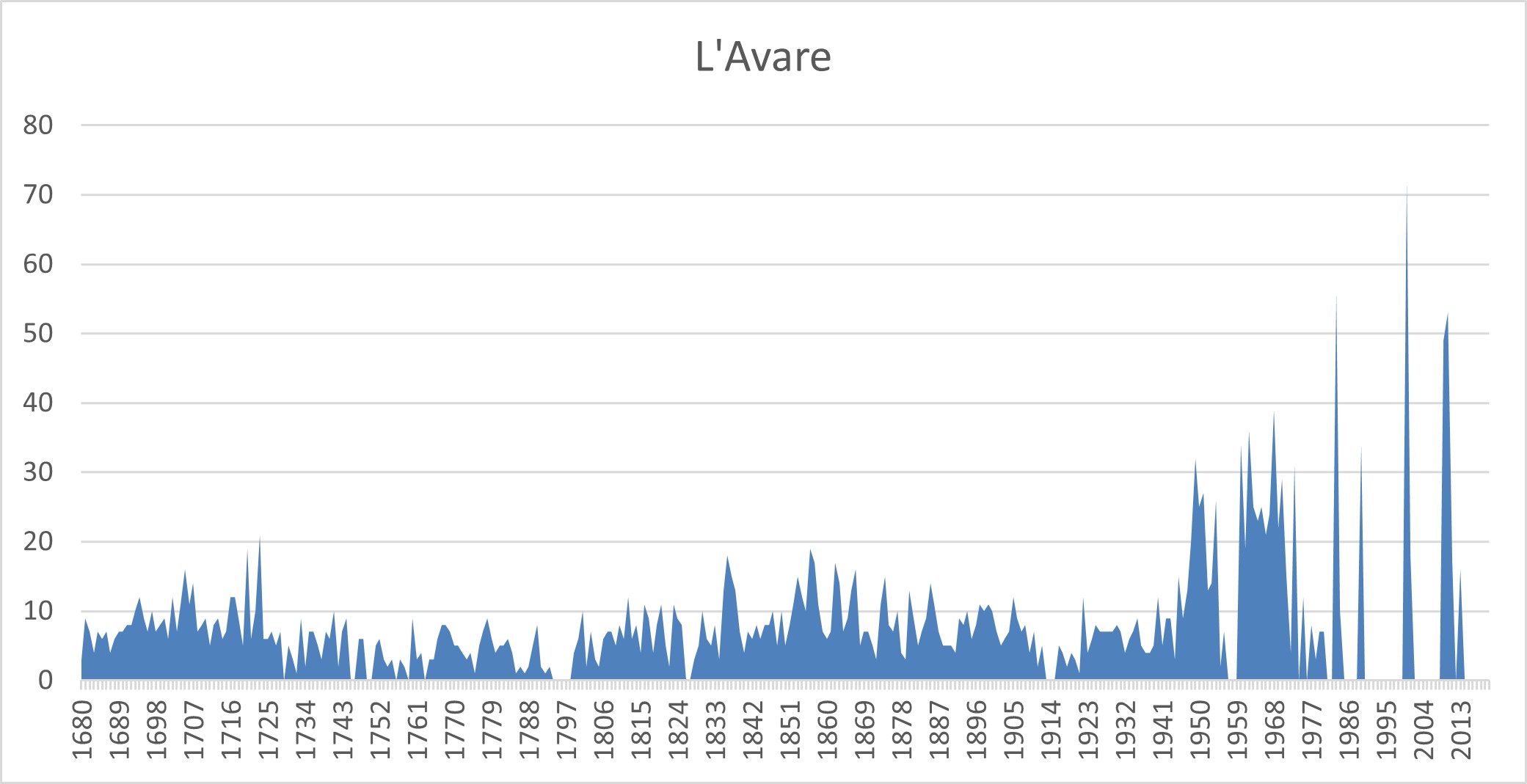
2768 représentations de l’œuvre par la Comédie-Française depuis la créationNouvelle production
Au cinéma en direct - Pathé Live 12 avril
Avec le soutien de la Fondation pour la Comédie-Française
À sa création, le 9 septembre 1668 au Palais-Royal, dérouté par l’écriture en prose de cette comédie en cinq actes, le public boude la pièce. Le nombre de représentations et leur régularité depuis sa création (2674 à la Comédie-Française et 94 en tournée) attestent du succès de cette tête d’affiche moliéresque avec Le Tartuffe, Le Misanthrope et Le Malade imaginaire. Depuis Molière qui tint le rôle d’Harpagon à sa création, une certaine tradition de jeu perdura. Ne citons que Rosimond, Brécourt, Duchemin, Des Essarts, et surtout Grandmesnil (à partir de 1790) et Leloir (en 1880) dont le style sinistre et halluciné fut pris à contre-pied par Coquelin cadet (1893) dont la dimension comique proposa une nouvelle alternative d’interprétation.
Comme pour la majorité des pièces du Répertoire, la durée des reprises dans l’alternance se raccourcit à partir du milieu du XXe siècle, au profit de nouvelles mises en scène moins « pérennes » mais aux représentations plus nombreuses. L’amorce débute avec la nouvelle présentation de Jean Meyer en 1949 ̶ qui montera son célèbre Bourgeois gentilhomme en 1951 ̶ pour se confirmer avec les célèbres Harpagon contemporains, au premier rang desquels figure Michel Aumont par sa longévité. Il interprète le rôle de 1962 à 1989, dans deux mises en scène successives. Harpagon apparut ensuite sous les traits de Gérard Giroudon (2000) et Denis Podalydès (2009).
Les mises en scène au XXe siècle :
- Jean Meyer, 1949
- Jacques Mauclair, 1962
- Jean-Paul Roussillon, 1969
- Andrei Serban, 2000
- Catherine Hiegel, 2009
-
Mise en scène : Lilo Baur
Scénographie : Bruno de Lavenère
Costumes : Agnès Falque
Lumières : Nathalie Perrier
Musiques originales et assistanat à la mise en scène : Mich Ochowiak
Documents
-
 Télécharger le PDF (10.83 MB)
Programme L'Avare 21/22
Programme de l'Avare, de Molière. Mise en scène de Lilo Baur, Salle Richelieu (saison Molière 2022).
Casting
-
La Merluche, laquais d'Harpagon et le Clerc
-
-
And Adrien Simion