Sganarelle ou le Cocu imaginaire
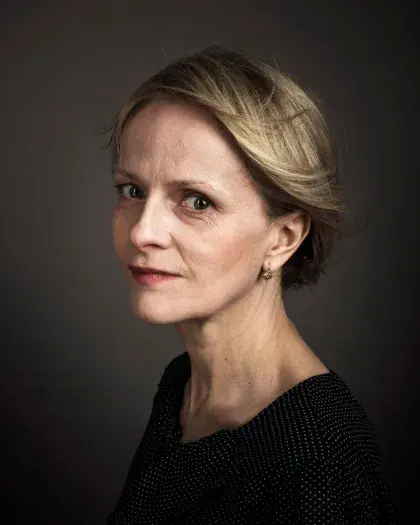
artistic direction by Thierry Hancisse
From 14 February to 14 February
Discover the play
-
On ne peut rêver meilleur guide pour aborder l’œuvre de Molière, œuvre complexe sous une apparente simplicité où, derrière l’énergie gourmande et la réjouissante vitalité de la farce, se révèle, par une lecture approfondie, un univers plus sombre, plus violent. C’est là sans doute que réside l’intemporalité, l’universalité d’un auteur qui s’est attaché à « l’humain » dans ce qu’il a de plus vulnérable et douloureux.
Dans Le Cocu imaginaire, la violence des sentiments nous saisit dès le début de la pièce. Violence paternelle à l’égard des jeunes femmes, désespoir, désir de mort, de meurtre, jalousie, vengeance, aveuglement, lâcheté et honte. Ces défauts, poussés ici à l’extrême, nous frappent dès la première lecture. Mais le génie comique de Molière est de nous les présenter sous le déguisement de la farce, du grotesque, du ridicule, et nous permet, par le rire, d’exorciser le malaise qu’ils nous procurent lorsque nous pensons nous y reconnaître un peu !
Cette proposition, par la proximité de jeu et d’interprétation qu’elle nécessite, va nous permettre de sonder plus intimement, plus profondément le désarroi des personnages. Sans oublier la santé puissante et jubilatoire qui sous-tend l’œuvre et fait de Sganarelle, en quelque sorte, le bouffon de Molière, qui dénonce toutes les tares humaines en en prenant le masque. »
Thierry Hancisse
Avec le mécénat de François Jerphagnon
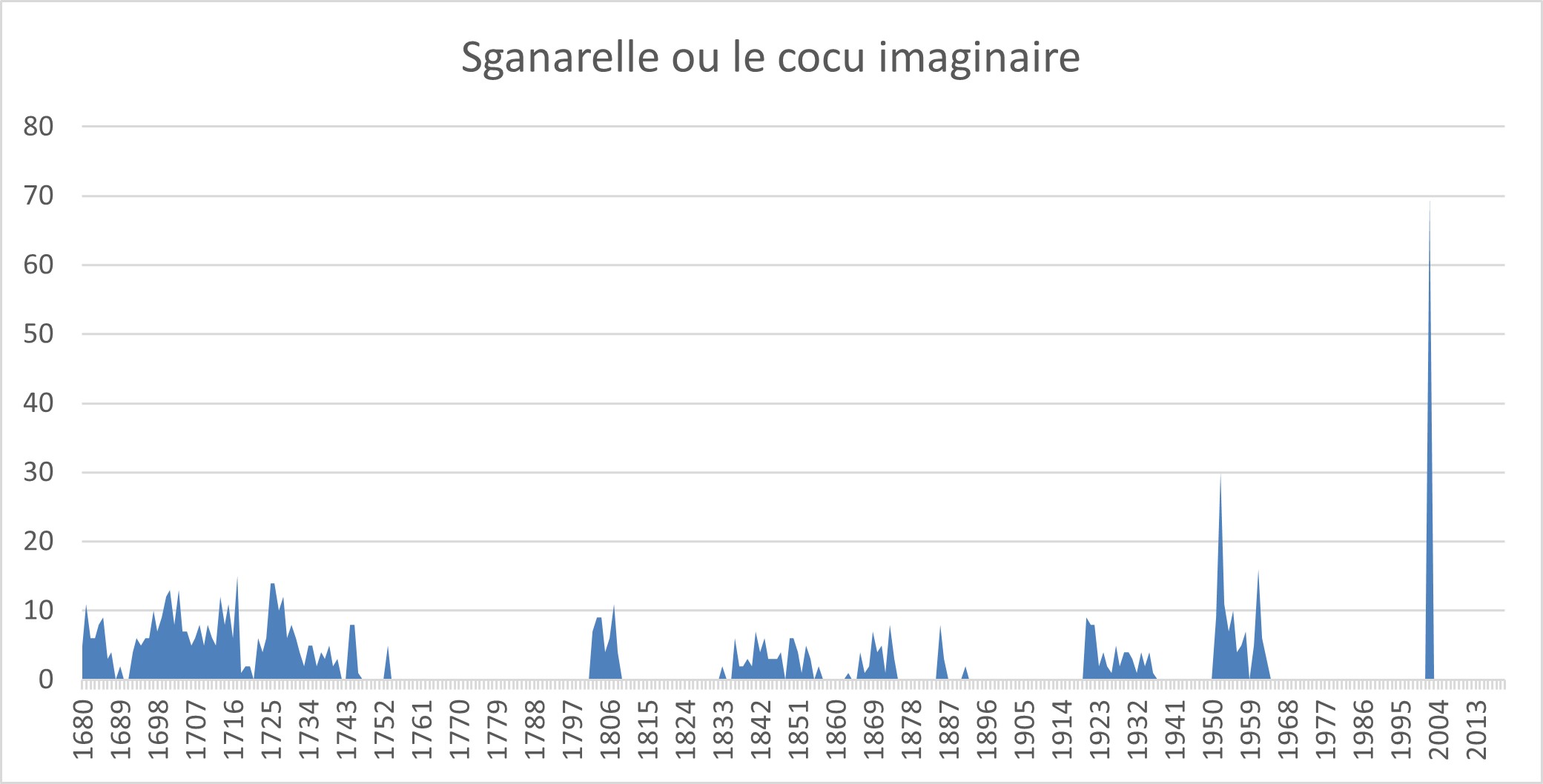
Créé le 28 mai 1660 au Théâtre du Palais-Royal, Sganarelle ou le Mari confondu a été représenté 900 fois depuis son entrée au répertoire de la Comédie-Française, le 7 septembre 1680, dont 70 fois au Studio-Théâtre.
La pièce, créée avec beaucoup de succès, est jouée plus souvent qu’aucune autre du vivant de Molière, puis représentée chaque année par la troupe de l’Hôtel Guénégaud, de la mort de Molière à la création de la Comédie-Française.
La carrière de la pièce au Français y est ensuite bien plus timide et irrégulière.
Si, de 1680 à 1746, elle ne quitte pratiquement pas le répertoire joué, les 5 représentations données en 1953 marquent la fin de l’engouement qu’elle continuait à susciter. La pièce disparait de l’affiche pendant 48 ans, « les mots de Cocu, carogne et autres » ne pouvant plus convenir au siècle.
La pièce est reprise le 15 novembre 1802 sous le titre Le mari qui se croyait trompé, dans une version « corrigée », jugée plus digne d’honorer la mémoire de Molière. La pièce est jouée 50 fois jusqu’en 1808, puis disparaît à nouveau jusqu’en 1832, pour rester à l’affiche timidement pendant 60 ans, avec néanmoins quelques éclipses.
Si la pièce sort à nouveau de l’oubli en 1920, il faut attendre l’ère des mises en scène signées pour dépasser la dizaine de représentations par an. Les mises en scène de Jacques Clancy en 1951 et Jacques Sereys en 1960 redonnent un peu de vitalité à la pièce.
Depuis les 3 représentations données lors de la reprise de 1963, la pièce n’a plus été jouée Salle Richelieu.
En 2001, Thierry Hancisse la sort de l’oubli dans une mise en scène présentée au Studio-Théâtre.
-
Direction artistique : Thierry Hancisse
Réalisation : Clément Gaubert