Art majeur
From 21 March to 5 May

Discover the play
-
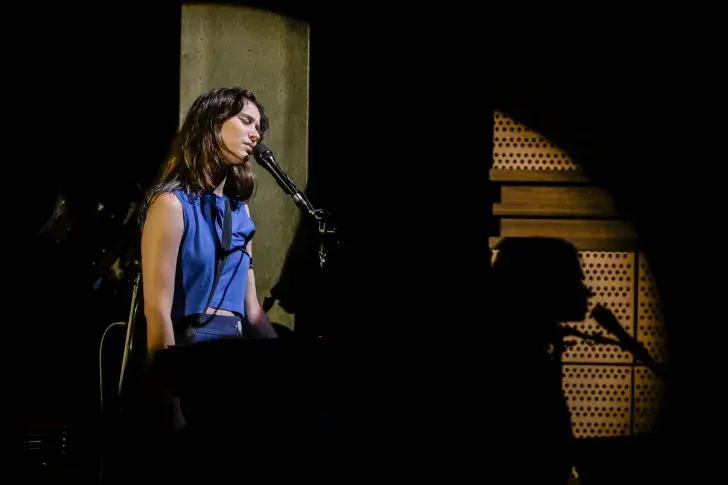
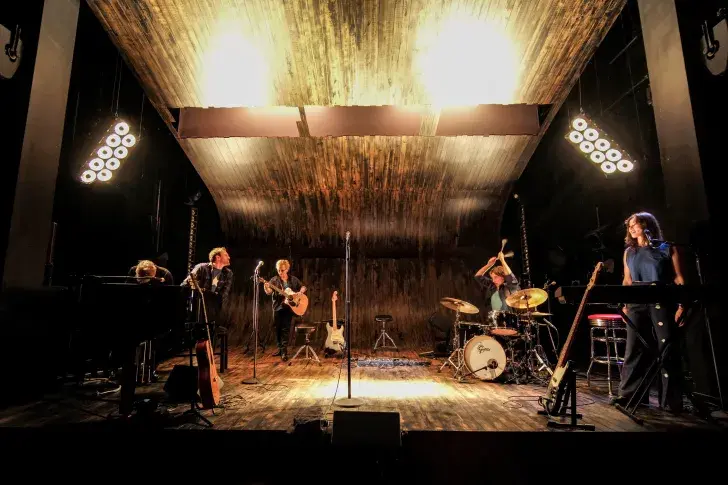
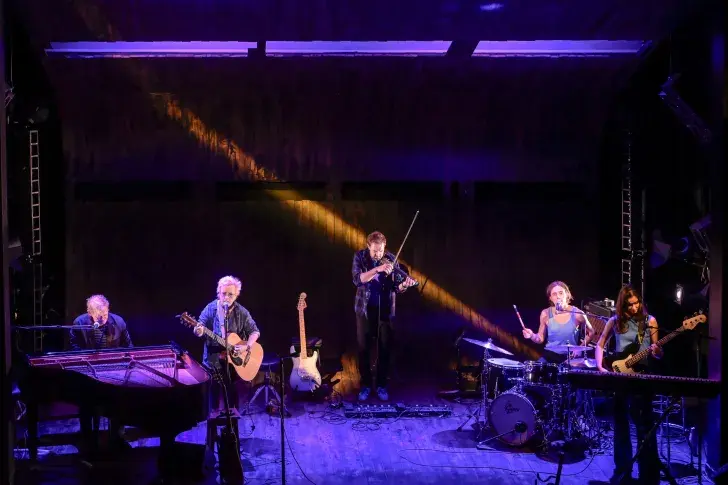
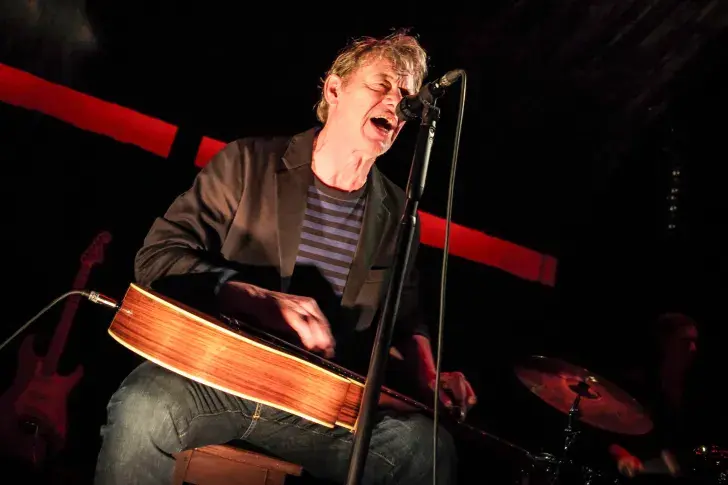
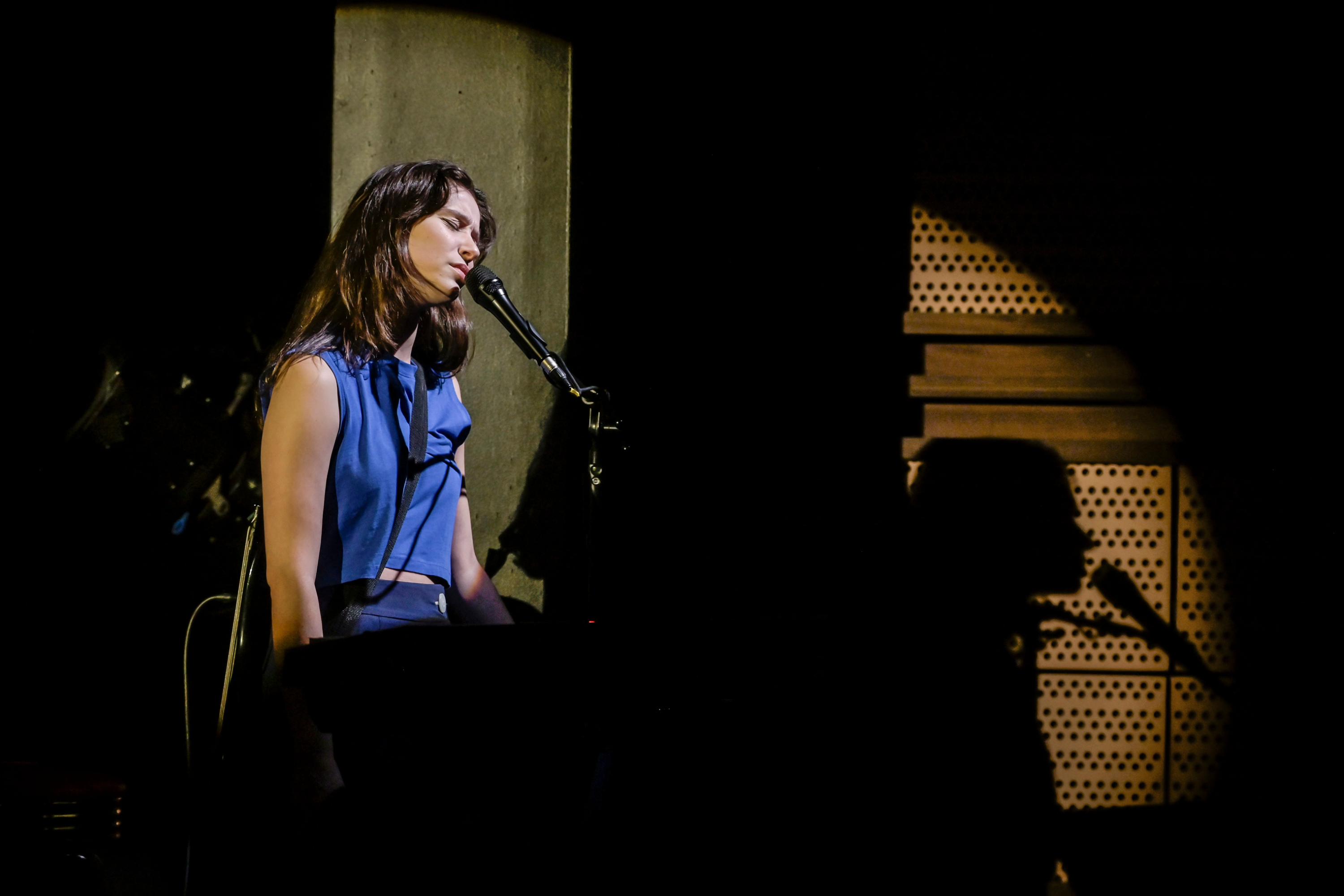
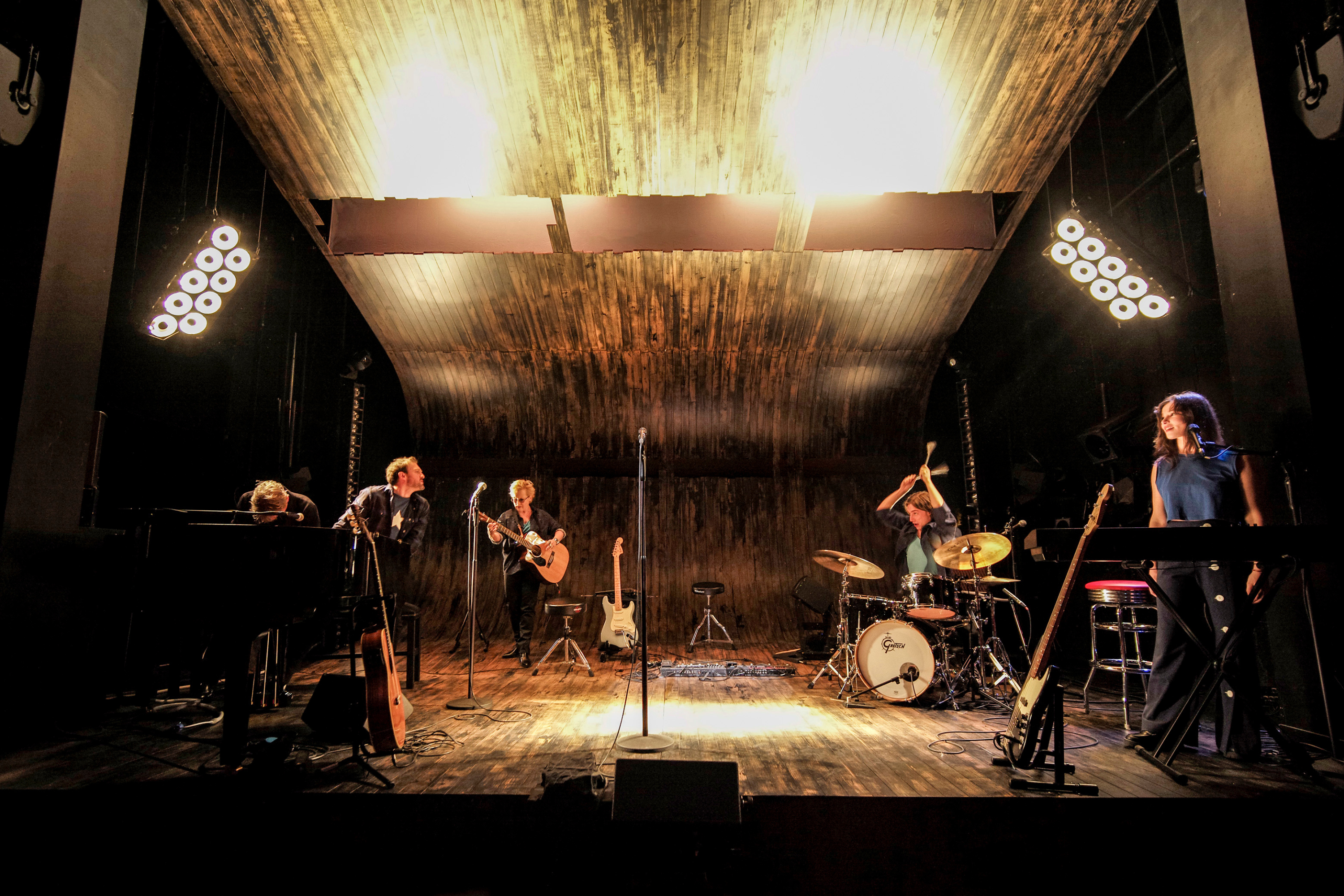
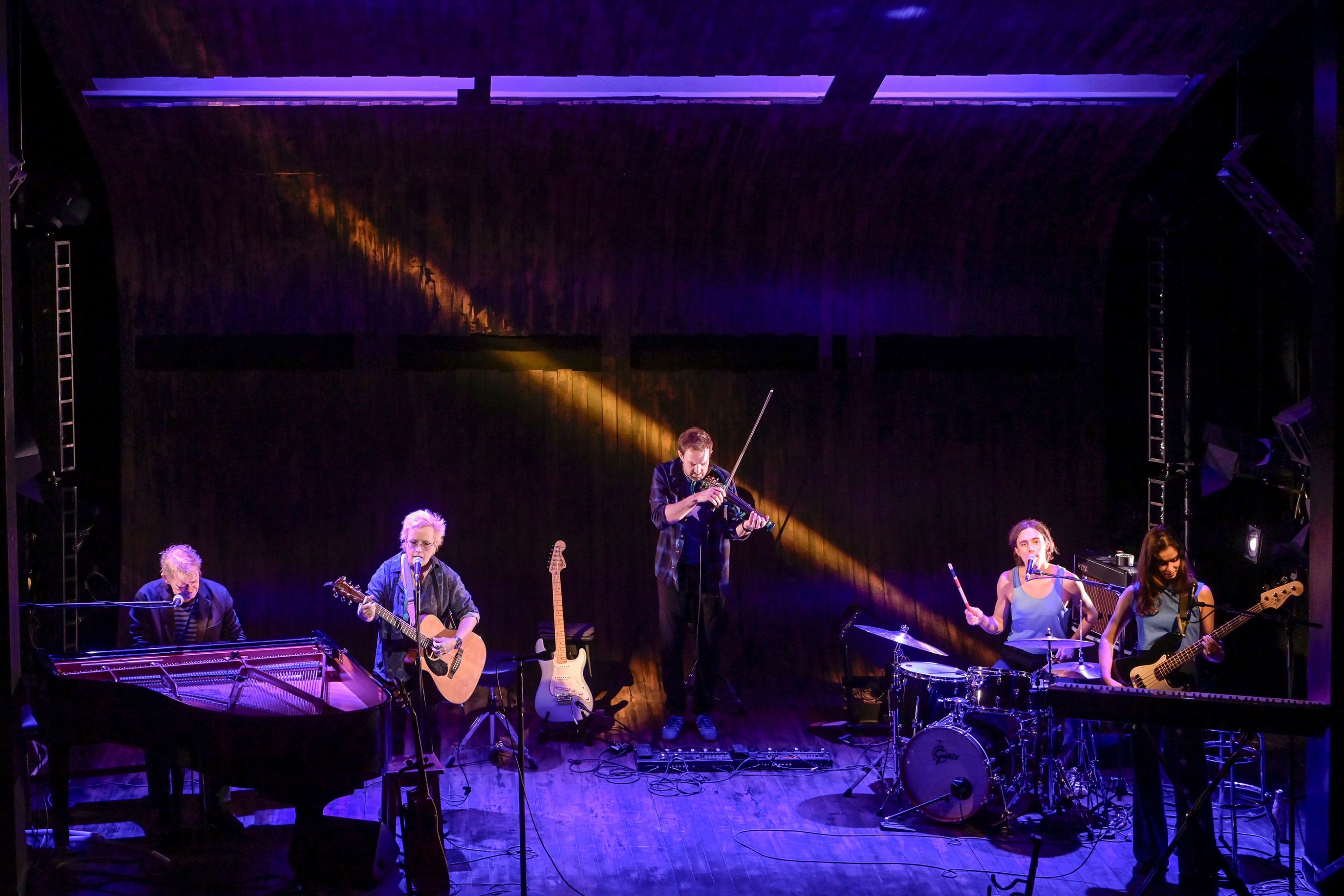
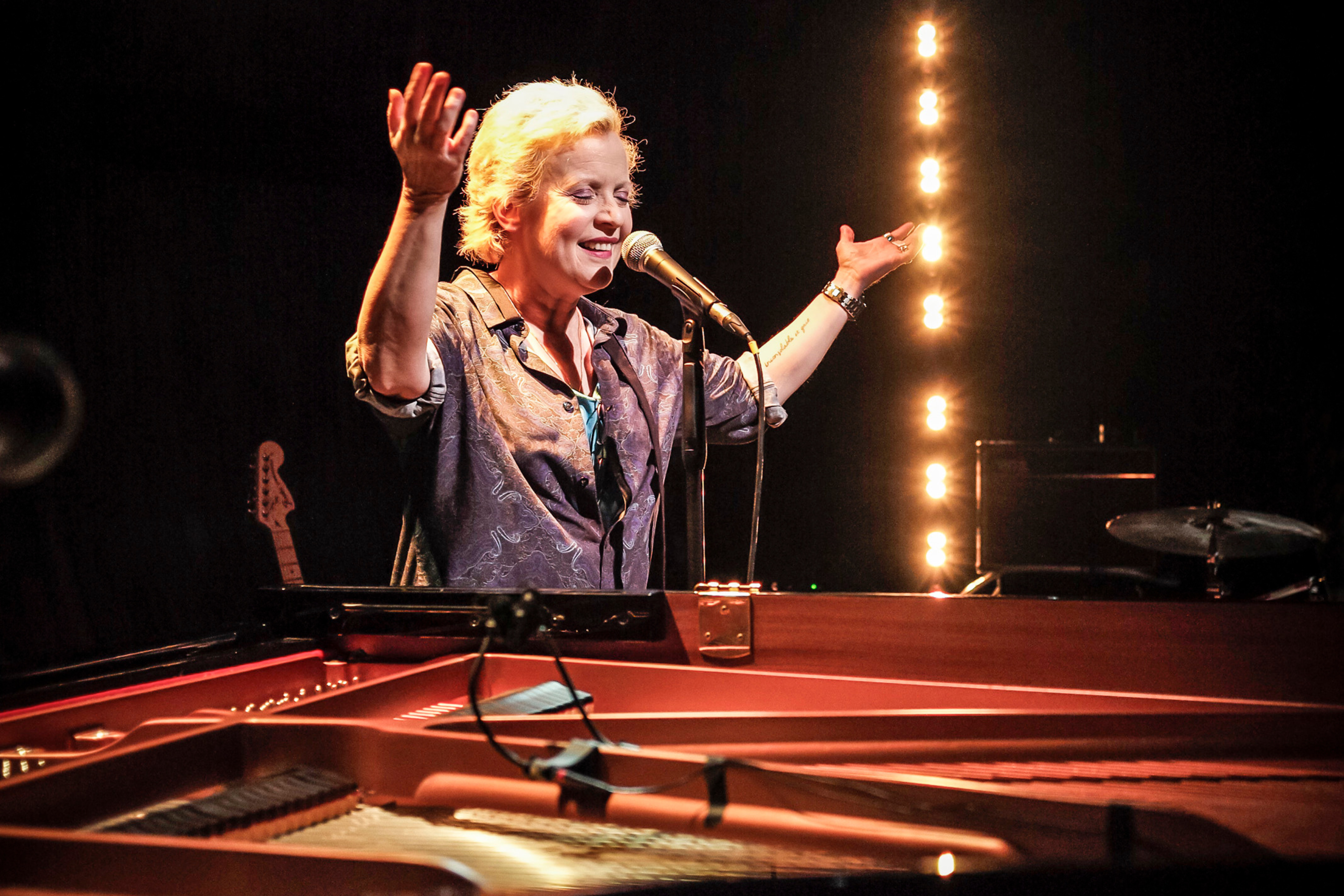
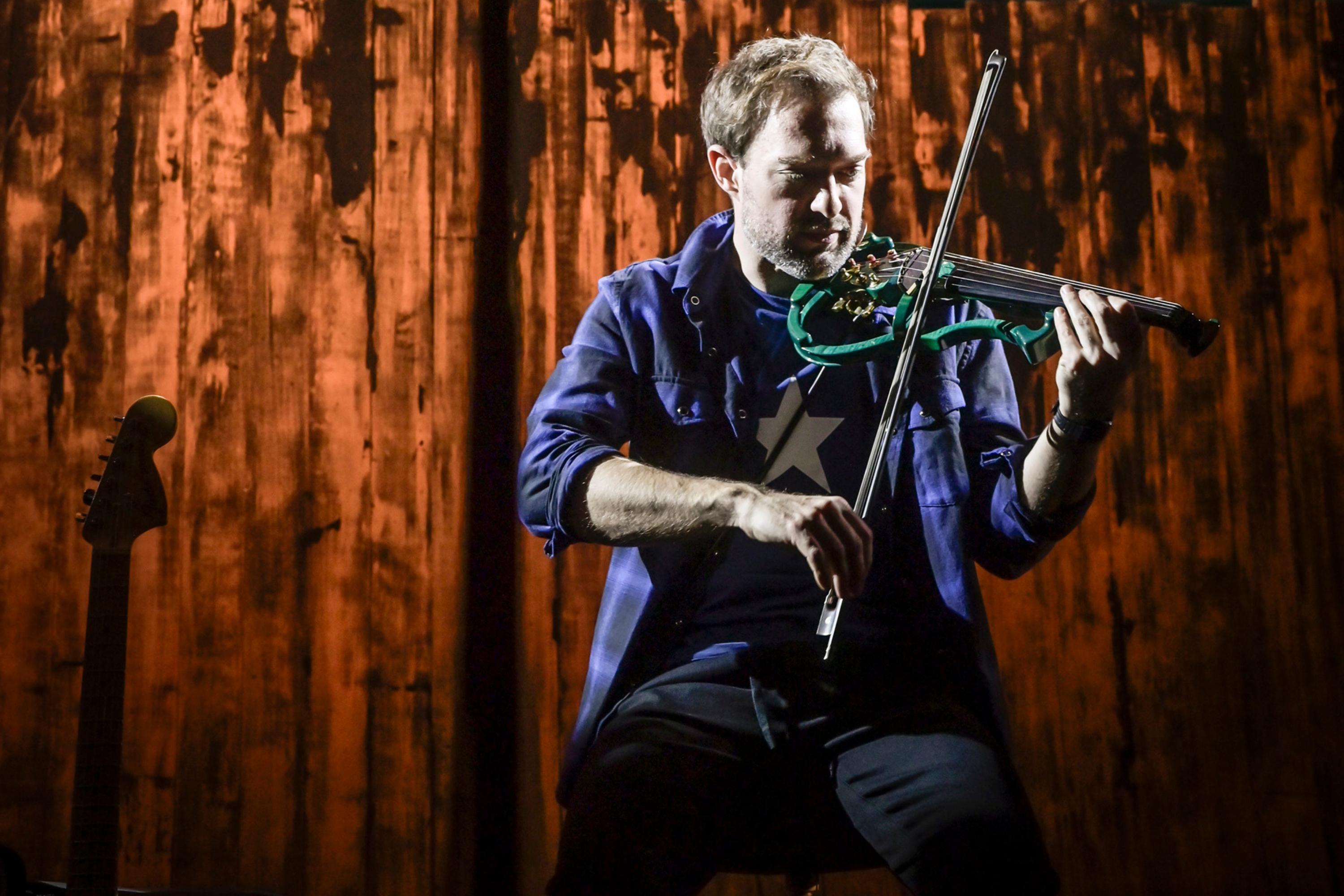
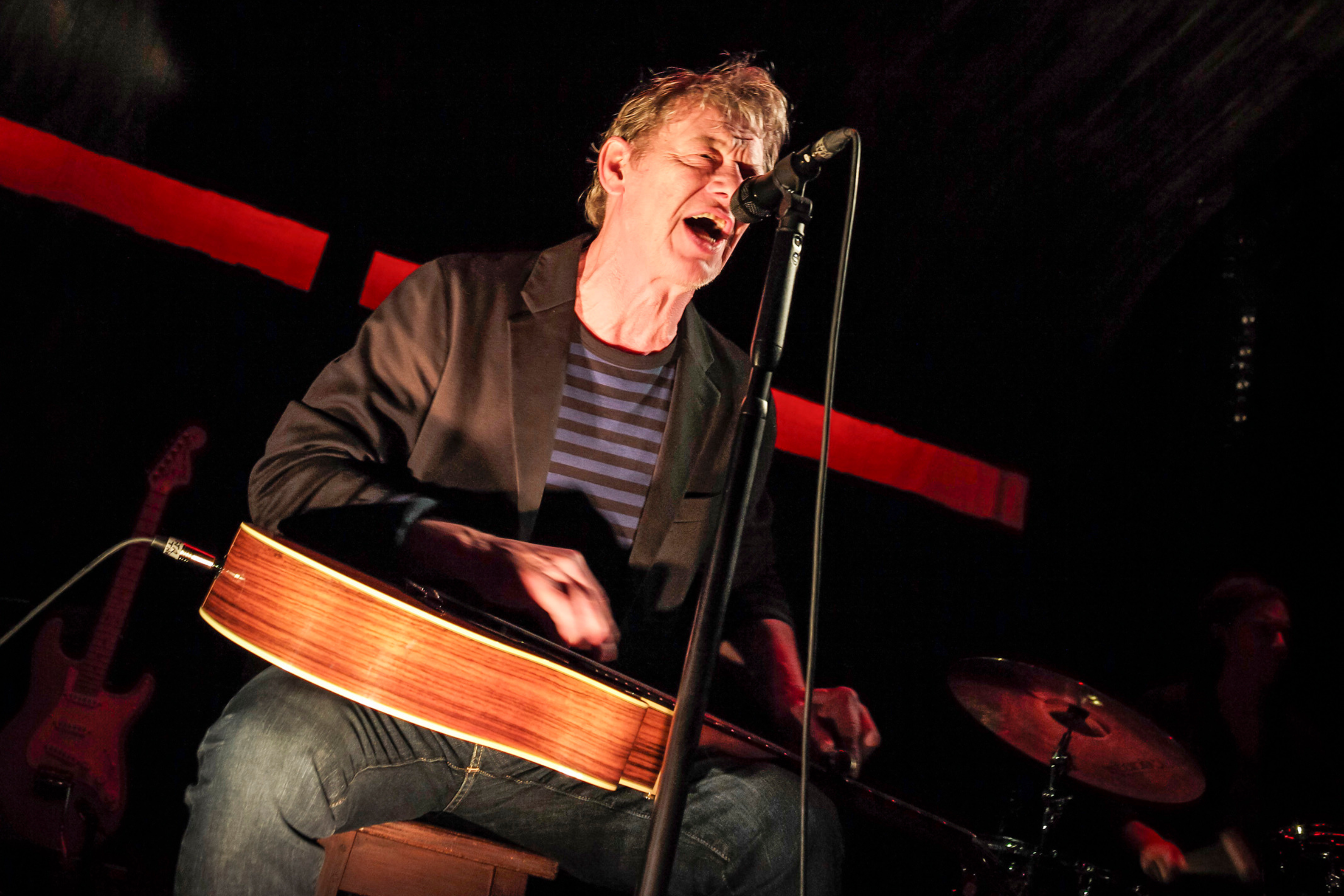
Depuis plusieurs années, elle s’est justement imposée à la Comédie-Française qui aime explorer le répertoire musical selon des voies différentes. Guillaume Barbot, qui officie depuis près de quinze ans entre théâtre et musique, souhaite créer avec Art majeur « une vraie forme de théâtre concert » à la recherche de chansons qui auraient modifié le cours de notre existence, et plus largement – idéalement même – changé le monde. Ce passionné d’histoires en tous genres, et surtout musicales, a passé commande à quatre plumes, romancières et romanciers, pour donner à chaque interprète un court récit autour d’une chanson ayant déclenché une déflagration dans la vie d’un personnage. Cette matière ancrée dans la fiction et la poésie résonnera au sein de ce spectacle aux rythmes rock, sur des arrangements inédits, sous la direction musicale de son complice de toujours Pierre-Marie Braye-Weppe. L’idée est bien entendu de faire aussi sonner quelques-unes des mélodies qui habitent notre imaginaire collectif, de Bashung à Dalida.
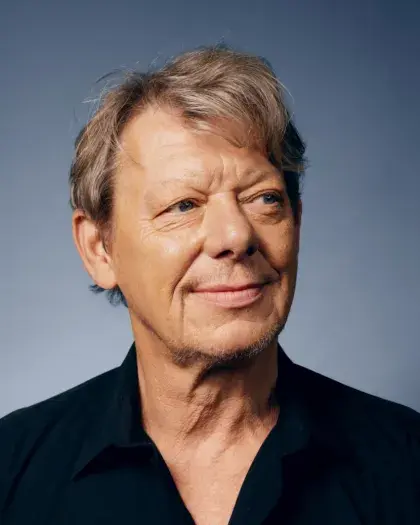
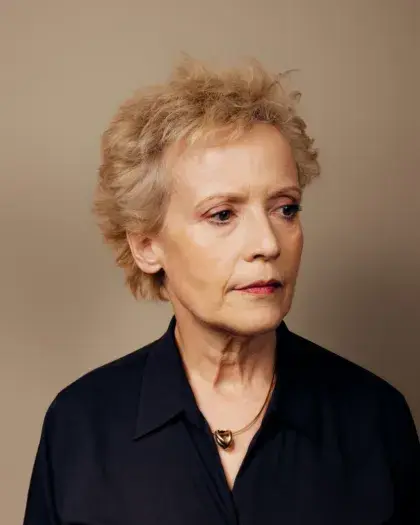
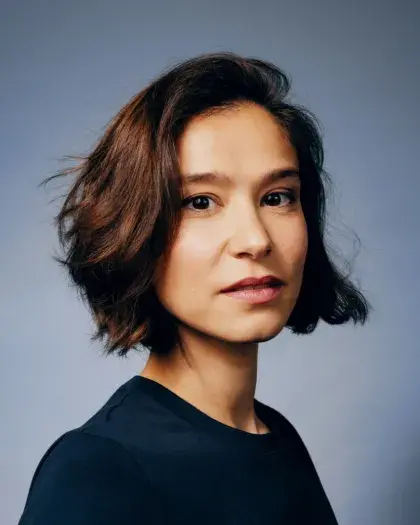
Titres inédits, populaires ou oubliés, chansons secrètes ou rituelles, tubes de famille ou refrains souvenirs : les artistes de la Troupe, avertis dans les domaines du chant et de la musique, nous plongeront dans ce que cet art a de majeur : « De la musique pendant une heure, un album de 60 minutes, annonce Guillaume Barbot, avec des pistes musicales, chantées, parlées, et à chaque fois le swing des mots, des voix et des enregistrements. »Les textes interprétés par Thierry Hancisse, Véronique Vella, Léa Lopez et Axel Auriant ont été respectivement écrits par Simon Johannin, Gilles Leroy, Pauline Delabroy-Allard et Emmanuelle Fournier-Lorentz.
NOUVELLE PRODUCTION
grande ambassadrice de la création artistique
**RENCONTRE**
Nous organisons une rencontre avec le public à l'issue de la représentation du mercredi 24 avril. Elle sera animée par Laurent Muhleisen, conseiller littéraire de la Comédie-Française, en présence de Guillaume Barbot, des comédiennes et comédiens du spectacle et de Pierre-Marie Braye-Weppe, musicien.
En libre accès, avec ou sans billet pour la représentation du soir.Molière, patron symbolique de la Maison, écrivait des rôles sur mesure pour sa troupe et pour lui-même en s’adaptant aux qualités individuelles de jeu et aux traits physiques de chacun, chacune – le texte constituant par la suite un matériau de travail sur le plateau. Sept ans après sa mort, en 1680, la Comédie-Française obtient à sa création le monopole royal des représentations en langue française – privilège qu’elle conservera jusqu’à la Révolution – et les comédiennes et comédiens ont « qualité pour prendre part à la réception des ouvrages destinés à leur théâtre ». La Troupe devient alors une source d’inspiration nécessaire pour les auteurs, tout autant attirés que repoussés par l’institution et ses règles.
Si ses prétendants espèrent en effet obtenir la consécration en écrivant pour les Comédiens-Français, ils doivent avant tout se plier au verdict souverain de la Troupe (une hérésie pour Mirbeau qui ne cesse de dénoncer les pouvoirs exorbitants des sociétaires), de l’administrateur ou du comité de lecture en fonction des époques. Leurs pièces sont reçues, reçues « à corrections » ou refusées.
Jusqu’à la fin du XIXe siècle, il est d’usage que l’auteur vienne lire sa pièce devant les membres du comité de lecture. La tâche est ardue, l’auteur devant être doté de qualités oratoires et d’interprétation (Émile Augier, Alexandre Dumas ou encore Victorien Sardou se révèlent ainsi de grands lecteurs), sans toutefois « préjuger de la distribution des rôles au risque de déplaire à certains sociétaires ». On écrit avant tout pour la Troupe.Selon les époques et une fois la pièce reçue, les auteurs restent dans une relation fébrile, parfois même castratrice, avec les acteurs et actrices. « En proie à une panique souvent paroxystique, soumis d’une part à des comédiens maltraitants et terrifiés d’autre part par un public menaçant, ils sont presque toujours animés par ce que nous qualifierons de velléité du retrait. C’est notamment le cas du dramaturge Regnard qui expose ses craintes dans Les Folies amoureuses (1704). Le travail d’écriture se poursuit en effet très fréquemment lors des répétitions, souvent en accord avec l’auteur (surtout les années passant), les comédiennes, comédiens continuant à exiger des modifications ou refusant de dire certaines répliques, allant parfois même jusqu’à rendre leur rôles… ou inversement, ainsi Mademoiselle Mars ne cessant
d’interrompre Victor Hugo lors des répétitions d’Hernani, il la menaça de reprendre son rôle. Les acteurs interviennent sans scrupule sur le répertoire ancien, comme Lekain qui au XVIIIe siècle s’emploie à retravailler des textes cornéliens (notamment Nicomède). En revanche, certains engagent des collaborations fécondes avec les auteurs vivants comme Talma qui, à la demande de Ducis, n’hésite pas à opérer des coupes voire à remanier en profondeur ses textes, toujours dans un souci dramaturgique.Au XIXe siècle, les actrices-stars qui interprètent le répertoire tragique tout en faisant triompher les nouvelles écritures inspirent une nouvelle génération d’auteurs.
Ainsi, la grande tragédienne Rachel crée des drames modernes écrits pour elle, Virginie de Latour de Saint- Ybars, Adrienne Lecouvreur de Scribe et Legouvé (un triomphe !), ou encore Judith de Madame de Girardin.Si jusqu’au début du XXe siècle, le répertoire du Français est essentiellement contemporain, les créations se font plus rares par la suite – même si des auteurs continuent de fouler le plateau, tels Maurice Maeterlinck, Paul Claudel, André Gide se montrant très présents aux répétitions de leurs pièces – pour revenir à nouveau à partir des années 1980. Bernard-Marie Koltès correspond ainsi avec l’administrateur Jacques Toja au cours de l’année 1981, et lui confie son projet d’écrire « une pièce ayant pour élément dramaturgique principal sa destination à une troupe ». Mais le projet n’aboutira pas.
Les écritures pour la Troupe se développent sous le mandat de Marcel Bozonnet qui programme en 2006 le dramaturge Philippe Minyana, hors répertoire, au Théâtre du Vieux-Colombier avec La Maison des morts.
Cette pièce écrite pour la comédienne Catherine Hiegel en 1995 « dans la familiarité de sa voix », est mise en scène par Robert Cantarella. La même année, Valère Novarina entre au Répertoire avec L’Espace furieux, dont la première version scénique a été créée en 1991 au Théâtre de la Bastille. À l’épreuve du plateau de la Salle Richelieu et du travail avec les comédiennes et les comédiens, le remaniement de deux scènes, suscitant des changements et ajustements dont les « ondes ont modifié la physique et le langage de la pièce », nécessitent une nouvelle édition.Cette initiative se poursuit sous le mandat de Muriel Mayette-Holtz qui demande à un auteur, Emmanuel Darley, et à un metteur en scène, Andrés Lima, de mettre leurs talents au service de membres de la Troupe prêts à se livrer à l’exercice de l’improvisation lors d’un atelier de dix jours. C’est de cette collaboration que naîtra le spectacle Bonheur ? présenté au Théâtre du Vieux-Colombier en 2008.
Depuis 2014, Éric Ruf ouvre les portes à une nouvelle génération d’écrivains et écrivaines et de metteurs et metteuses en scène qui écrivent, au plus près du plateau, des partitions taillées sur mesure pour la Troupe. Ainsi, en 2017, à la demande de l’administrateur, Pascal Rambert écrit et met en scène au Théâtre du Vieux-Colombier
Une vie, conçue spécialement pour les voix, les corps, les énergies de six membres de la Troupe et d’un enfant, car « c’est de là que naissent les pièces. Des acteurs. De ce rêve nocturne que l’on fait chaque soir avant de tomber de fatigue. On s’endort avec ces voix. On dort avec ces corps.
On réécrit avec eux dans notre sommeil ».Deux dramaturges sont à nouveau invités en 2018 à écrire pour et avec la Troupe des spectacles dont les contours se sont dessinés et affinés au fur et à mesure des répétitions :
David Lescot pour Les Ondes magnétiques (Théâtre du Vieux-Colombier) et Lars Norén pour Poussière (Salle Richelieu). Le dramaturge suédois précisait à propos de cette création avoir été « conscient d’eux tout le temps ».L’autrice et metteuse en scène Pauline Bureau confiait également avoir eu envie d’écrire le personnage de Marie- Claire à 60 ans pour sa pièce Hors la loi après avoir rencontré
la sociétaire Martine Chevallier : « c’était une évidence. »Christine Montalbetti offre par deux fois des textes à des membres de la Troupe : Le Bruiteur, interprété par Pierre Louis-Calixte sur la scène du Studio-Théâtre en 2017 et La Conférence des objets réunissant cinq comédiennes et comédiens pour lesquels l’autrice a écrit une partition après les avoir interrogés sur leur rapport aux objets et à
la narration.Dans le prolongement de La Comédie continue !, programmation en ligne mise en place pendant le premier confinement en 2020, Éric Ruf a proposé à deux membres de la Troupe, Marina Hands et Serge Bagdassarian, un travail musical et festif. Tous deux ont eu « l’idée d’un spectacle en abyme, d’un spectacle de la troupe de la Comédie-Française qui parle de la Comédie-Française, de la Troupe dans la Troupe […] par le prisme de la comédie musicale ». Mais quelle Comédie ! est « un spectacle construit autour des artistes qui constituent la Troupe, à partir de la matière apportée par chacun des interprètes », liée à leur propre histoire, parfois intime, leur art, leur amour du théâtre et de la musique. Le spectacle sera repris au printemps avec quelques changements de distribution. Cette saison, Laetitia Guédon met en scène Trois fois Ulysse, au Théâtre du Vieux-Colombier, un texte commandé par la Comédie-Française à l’autrice Claudine Galea.
Avec Art majeur, Guillaume Barbot a fait appel à deux écrivaines et deux écrivains qui ont rédigé des textes pour la distribution autour de leur rapport à la musique, et plus spécifiquement à la chanson, à partir de rencontres, d’échanges de textos ou cartes postales.
- Espace furieux - photo. Thierry Gründler © Coll. Comédie-Française
-
Mise en scène : Guillaume Barbot
Dramaturgie : Agathe Peyrard
Scénographie : Benjamin Lebreton
Costumes : Aude Désigaux
Lumières : Nicolas Faucheux
Musiques originales, direction musicale et arrangements : Pierre-Marie Braye-Weppe
Son : Julien Reboux
Assistanat à la direction musicale : Valentin Martel

Documents
-
 Télécharger le PDF (3.95 MB)
Programme Art majeur
Programme de « Art majeur » de Pauline Delabroy-Allard, Emmanuelle Fournier-Lorentz, Simon Johannin et Gilles Leroy. Mise en scène Guillaume Barbot. Studio-Théâtre (Saison 2023/2024)
Casting
-
-
et
Axel Auriant : chant, batterie, basse
Pierre-Marie Braye-Weppe: chant, basse, batterie, guitare, piano, violon