Vania
Directed by Julie Deliquet
From 4 October to 12 November

Discover the play
-
Avec Oncle Vania, Tchekhov crée une « forme absolument nouvelle dans l’art dramatique », selon Gorki qui lui écrit « je me suis mis à trembler devant votre talent, et à trembler de peur pour les gens, pour notre vie, misérable, incolore. Quel drôle de coup – et comme il est précis – vous avez frappé là ». On reprocha à l’auteur d’être trop près de la vie quotidienne, on est aujourd’hui impressionné par l’ ampleur du mouvement de l’âme qu’il déploie.
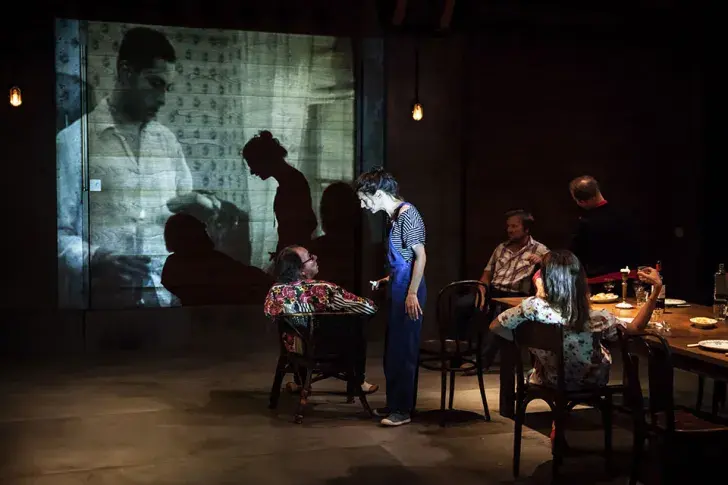
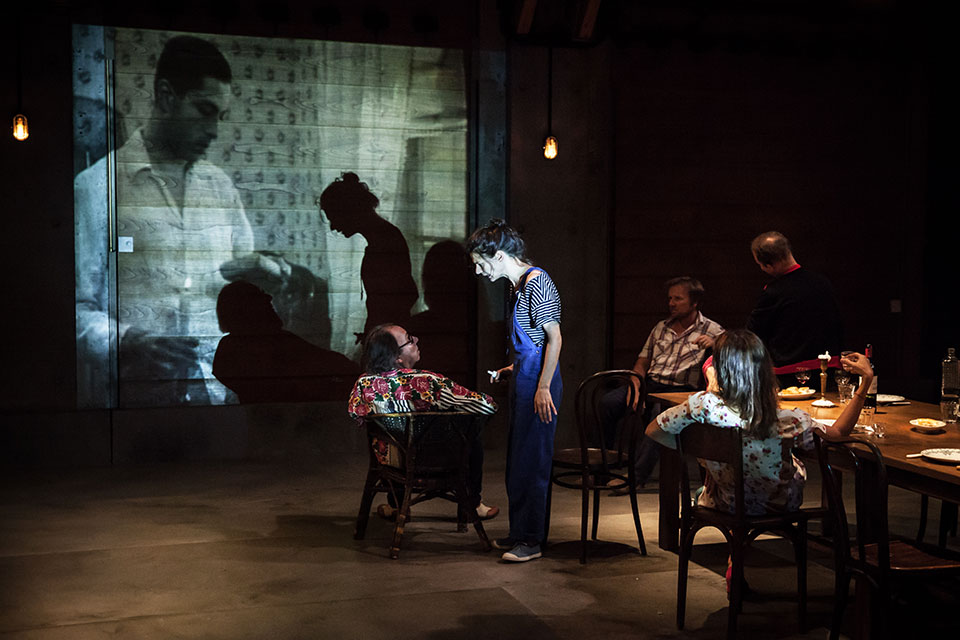
Tchekhov a 36 ans lorsqu’il écrit cette pièce, l’âge de Julie Deliquet lorsqu’elle la met en scène pour la Comédie-Française en 2016. Figure emblématique de la nouvelle vague des collectifs issus des tg STAN et des Possédés, la directrice artistique d’In Vitro développe une écriture de plateau où l’acteur tient la place centrale. « Lorsque je travaille à partir d’un texte, je dis toujours que l’on peut faire confiance à l’auteur car il a un temps d’avance sur nous. L’auteur est le point de départ et d’arrivée, ce qui m’intéresse, c’est le trajet pour aller jusqu’à lui. » Trajet qu’inventent, chaque soir, dans un dispositif bifrontal presque nu, les acteurs également créateurs de cette constellation de solitudes tchekhoviennes.Retrouvez également notre spectacle en tournée du 13 au 28 septembre en Île-de-France :
- Théâtre Gérard Philipe - CDN de Saint-Denis
du mercredi 13 au vendredi 15 septembre à 20h, samedi 16 septembre à 18h
- Théâtre des Sablons - Neuilly-sur-Seine
du mercredi 20 au vendredi 22 septembre à 20h30
- Théâtre-Sénart, Scène nationale - Lieusaint
mardi 26 septembre à 20h30, mercredi 27 et jeudi 28 septembre à 19h30Tchekhov ne souhaitait pas faire connaître L’Homme des bois, « grande comédie roman » au titre difficilement traduisible, écrite pendant le succès d’Ivanov et de ses pièces en un acte. Son échec cuisant en 1889 lui donne raison. Il remanie donc, entre 1890 et 1896, la pièce qui deviendra Oncle Vania. Ses thèmes familiers - l’oisiveté et l’ennui de la vie à la campagne, l’aspiration à un idéal, l’échec… - demeurent mais l’intrigue est resserrée et la comédie muée en drame. Non seulement Tchekhov refuse catégoriquement que soit joué ou publié L’Homme des bois, mais il est aussi peu enclin à faire donner Oncle Vania sur de grandes scènes avant d’accepter qu’il le soit au Théâtre d’Art de Moscou où triomphe La Mouette. Le 26 octobre 1899, la première à laquelle Tchkehov n’assiste pas, et qui voit Stanislavski dans le rôle d’Astrov, est un succès. Gorki compte parmi ses fervents admirateurs.
Du théâtre d’art de Moscou à la Comédie-Française, des générations d’acteurs et de comédiens séduits par la profondeur des personnages
Révélée en France en 1921 par Georges Pitoëff qui monta et joua Oncle Vania au Théâtre du Vieux-Colombier, la pièce entre au répertoire de la Comédie-Française en 1961 où avait déjà été jouées deux courtes pièces, Le Chant du cygne (1945) et L’Ours (1957). Dans cette nouvelle mise en scène du jeune avant-gardiste Jacques Mauclair, la traductrice Elsa Triolet apprécie la disparition du côté larmoyant qui avait agacé Tchekhov dans celle de Stanislavski. En 1985, la Comédie-Française présente une nouvelle mise en scène signée Félix Prader, au Théâtre Gérard Philipe de Saint-Denis puis entournée. Vania d’après Oncle Vania proposé en 2016 par la metteure en scène Julie Deliquet, est l’occasion de poursuivre son travail sur le jeu des acteurs : l’auteur est le point de départ et d’arrivée, ce qui m’intéresse, c’est le trajet pour aller jusqu’à lui.
> Votre Oncle Vania est une forme absolument nouvelle dans l’art dramatique, un marteau avec lequel vous cognez sur les crânes vides du public.
Du théâtre d’art de Moscou à la Comédie-Française, des générations d’acteurs et de comédiens séduits par la profondeur des personnages
Révélée en France en 1921 par Georges Pitoëff qui monta et joua Oncle Vania au Théâtre du Vieux-Colombier, la pièce entre au répertoire de la Comédie-Française en 1961 où avait déjà été jouées deux courtes pièces, Le Chant du cygne (1945) et L’Ours (1957). Dans cette nouvelle mise en scène du jeune avant-gardiste Jacques Mauclair, la traductrice Elsa Triolet apprécie la disparition du côté larmoyant qui avait agacé Tchekhov dans celle de Stanislavski. En 1985, la Comédie-Française présente une nouvelle mise en scène signée Félix Prader, au Théâtre Gérard Philipe de Saint-Denis puis entournée. Vania d’après Oncle Vania proposé en 2016 par la metteure en scène Julie Deliquet, est l’occasion de poursuivre son travail sur le jeu des acteurs.
-
Mise en scène et scénographie : Julie Deliquet
Costumes : Julie Scobeltzine
Lumières : Jean-Pierre Michel et Laura Sueur
Musique originale : Mathieu Boccaren
Collaboration artistique : Julie André
Assistanat à la scénographie : Laura Sueur
Traduction : Tonia Galievsky et Bruno Sermonne