Singulis / 36 Chandelles dans la maison de Molière
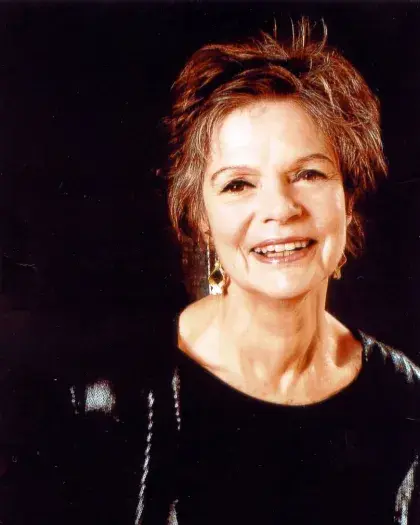
text and interpretation Catherine Salviat
From 14 June to 2 July

Discover the play
-
C’est avec un Premier prix de Comédie classique qu’elle sort du Conservatoire avant d’entrer dans la Troupe en 1969. Nommée sociétaire honoraire en 2006, elle reste fidèle à sa famille théâtrale qu’elle retrouve notamment pour le Peer Gynt d’Ibsen mis en scène par Éric Ruf ou La Double Inconstance de Marivaux par Anne Kessler.
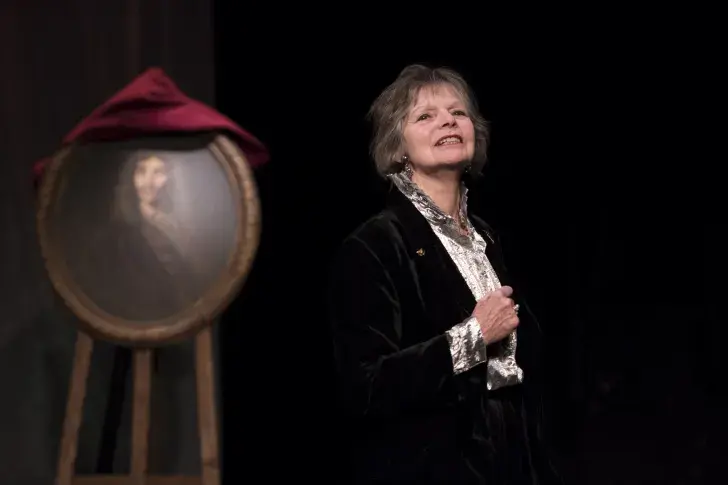
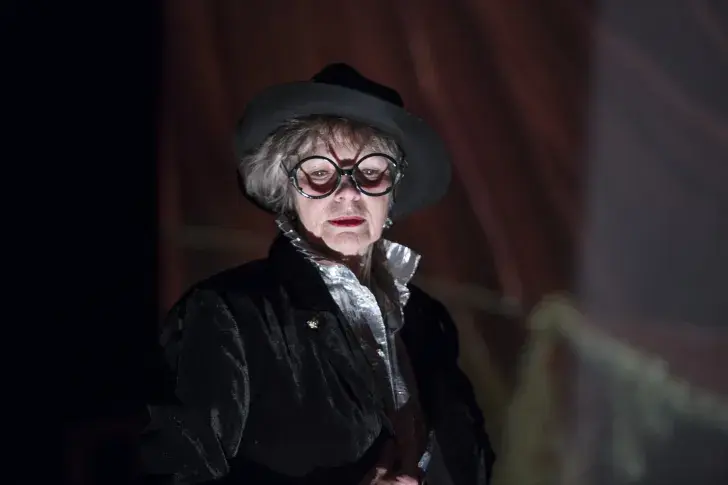
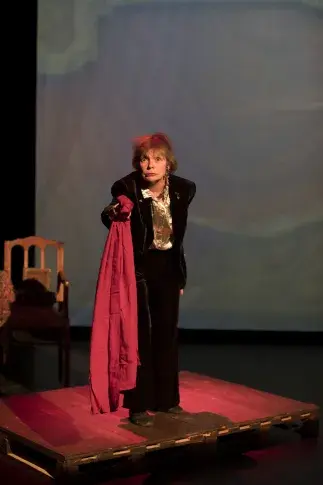
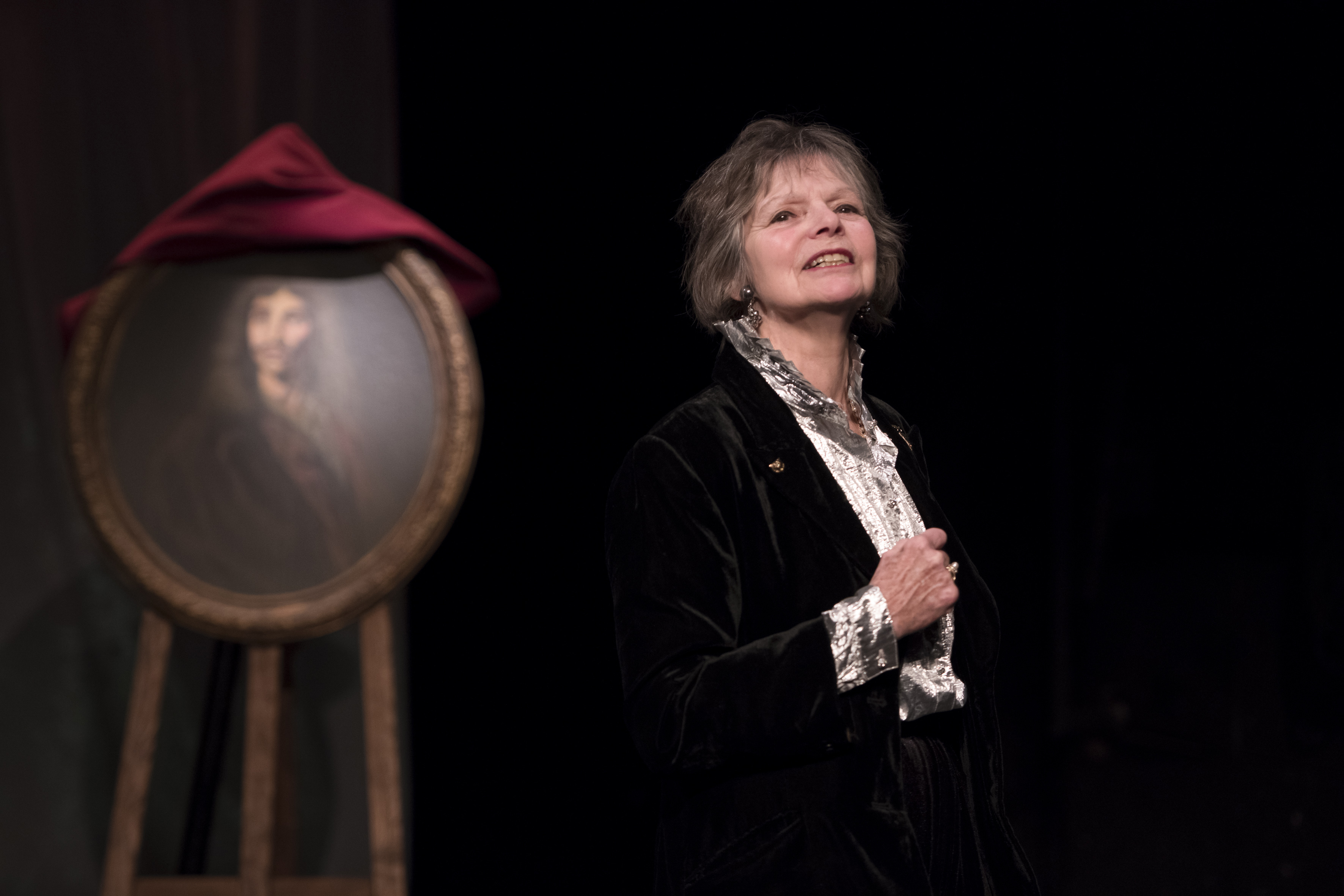
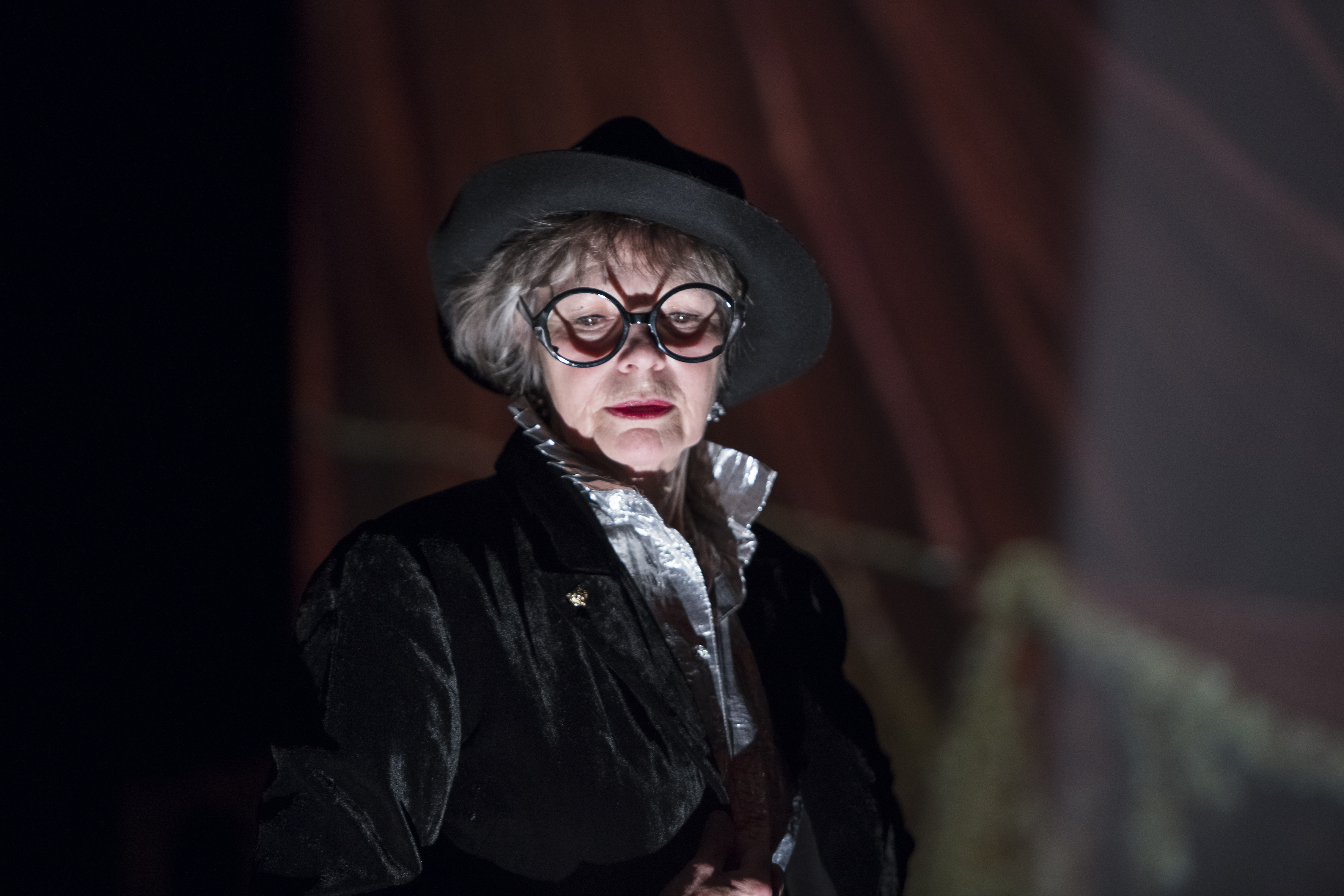
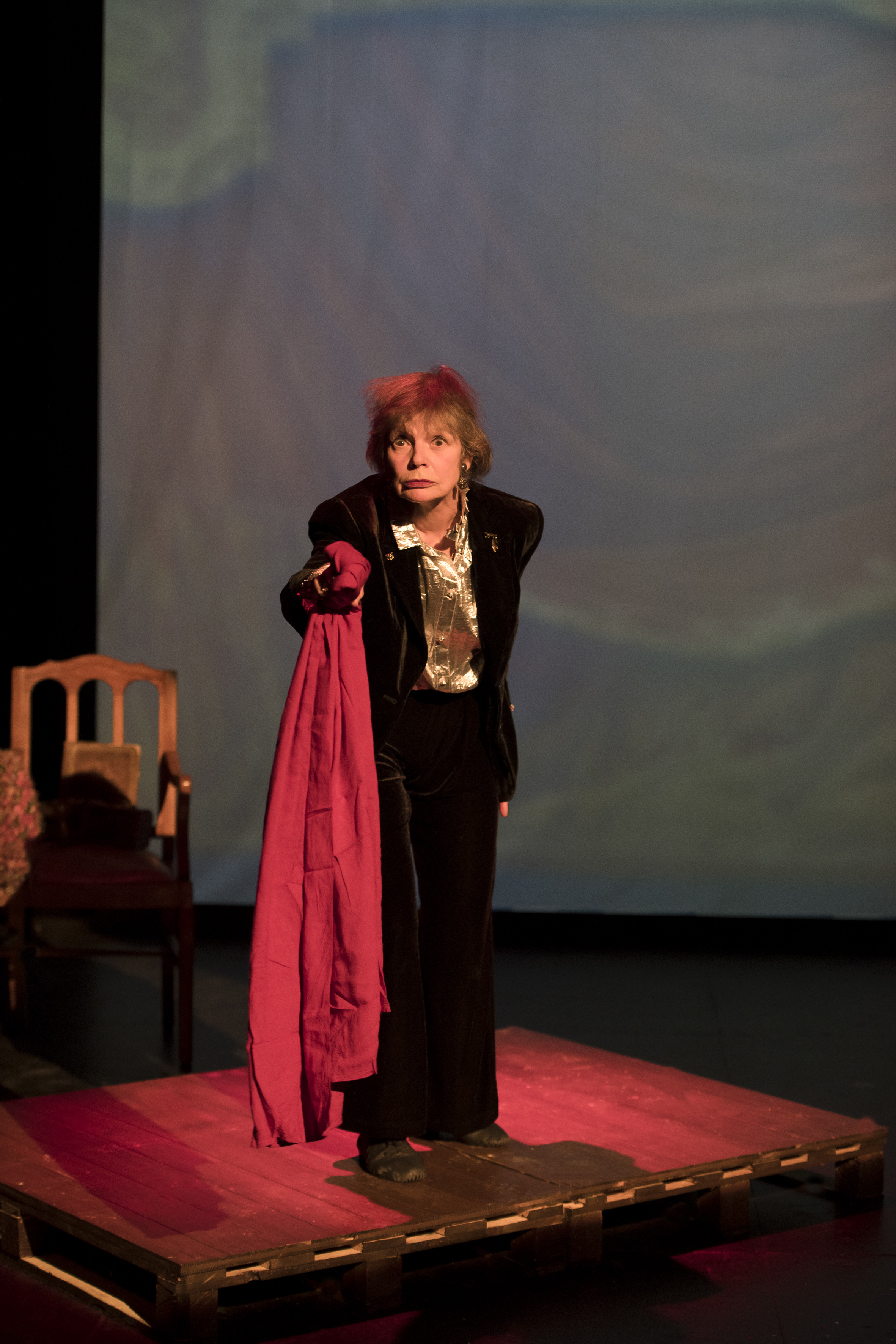
Ces 36 chandelles sont un portrait animé d’autant d’années passées dans la Maison de Molière : entre jeu et confidences, l’actrice aux rôles innombrables, de la jeune première à la duègne, se glisse dans la peau des personnages qu’elle a interprétés, raconte ses rencontres et moult anecdotes sur l’illustre Maison. Du génie de Giorgio Strehler, qui l’a dirigée dans La Trilogie de la villégiature de Goldoni, elle avoue, l’œil pétillant : «Moi qui aimais peu les répétitions, avec lui elles étaient passionnantes ! »
Révélation avec Valère Novarina, ou avec Anatoli Vassiliev, dont elle n’oublie pas leurs disputes enflammées, complicité avec Pierre Dux et Michel Duchaussoy, amour inconditionnel pour Musset ou Bernanos : l’actrice émérite convoque toute une communauté réelle ou imaginaire, avec à l’écran quelques camarades de la Troupe, dont Guillaume Gallienne, un de ses admirateurs qui l’a notamment dirigée dans Les Garçons et Guillaume, à table ! L’esprit très incarné de ces mémoires théâtrales invite à la traversée d’une vie hors du commun, au plateau comme en coulisses.Rencontres
Catherine Salviat sera présente pour une rencontre-dédicace de 36 Chandelles dans la maison de Molière à l’occasion de son singulis au Studio-Théâtre. La rencontre aura lieu à la boutique le mardi 6 mai à juin de 18h.
Plus d'informations :Rencontre-Dédicace - Boutique de la Comédie-FrancaiseNous organisons également une rencontre avec le public à l'issue de la représentation du mercredi 14 juin, à partir de 21h30.
Elle sera animée par le comédien Bernard Lanneau en présence de Catherine Salviat.
En libre accès, avec ou sans billet pour la représentation du soir.LA PRATIQUE THÉÂTRALE DU SOLO est relativement récente à la Comédie-Française. Depuis le XVIIe siècle, l’institution se définit d’abord en tant que troupe de comédiens dont la dimension collective prime sur l’expression des individualités. Samuel Chappuzeau dans son Théâtre François le souligne dès 1674, comparant les troupes théâtrales à des « corps » politiques, comme autant de petites « Républiques ». Des comédiens, il dit qu’« ils n’admettent point de supérieur, le nom seul les blesse ; ils veulent tous être égaux, et se nomment camarades. » La devise de la Comédie-Française, Simul et Singulis (être ensemble et être soi-même), qui apparaît en 1682, assortie de l’emblème à la ruche bourdonnante, caractérise cette philosophie où chacun contribue par son talent propre à l’œuvre collective.
Point de solo… mais des solistes
Si la pratique du spectacle seul-en-scène n’est pas de mise, le « solo » que constitue le monologue est fort attendu du public et, parfois, mis en scène pour faire apparaître le protagoniste dans toute sa splendeur et en contraste avec le reste de la Troupe. Il s’agit là d’un effet du système de vedettariat qui émerge nettement au XIXe siècle.
Les pratiques solistes se développent le plus souvent en dehors de l’activité du théâtre. Les comédiens, dans des tournées personnelles programmées parfois sans égard pour les intérêts de la Comédie-Française – Talma, Rachel... ont pu partir en laissant leurs camarades en difficulté – emmènent leurs malles de costumes, mais recrutent sur place comparses et décors de fortune pour jouer les grandes scènes de leur répertoire. La représentation s’apparente alors à un récital de morceaux choisis, propre à mettre en valeur l’acteur dont le talent est d’autant mieux affirmé qu’il évolue aux côtés de comédiens de seconde zone, si ce n’est d’amateurs.
Le texte monologué se développe véritablement à la fin du XIXe siècle, grâce aux frères Coquelin mais reste aujourd’hui encore une exception. La devise, Simul et Singulis, résume à elle seule l’indispensable paradoxe pour un acteur de Troupe.- Visuel : ruche, gravure Guillaumot fils
-
Texte et interprétation : Catherine SalviatMise en scène : Serge Sarkissian
Documents
-
 Download the PDF (2.5 MB)
Programme 36 chandelles dans la Maison de Molière 22-23
Programme 36 chandelles dans la Maison de Molière mise en scène Serge Sarkissian, texte et interprétation Catherine Salviat