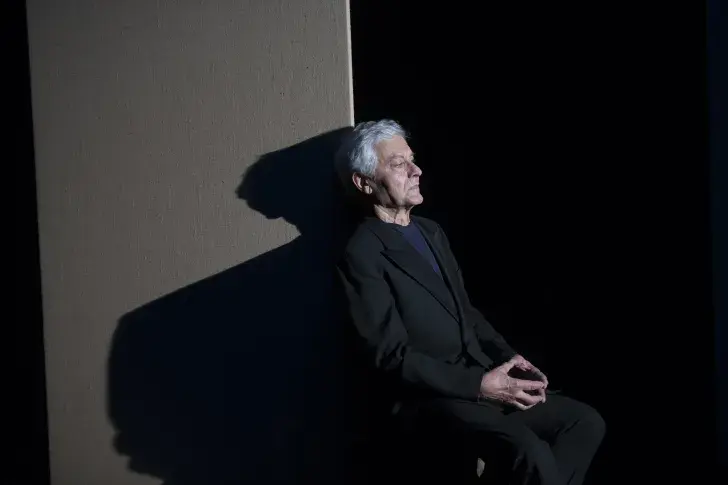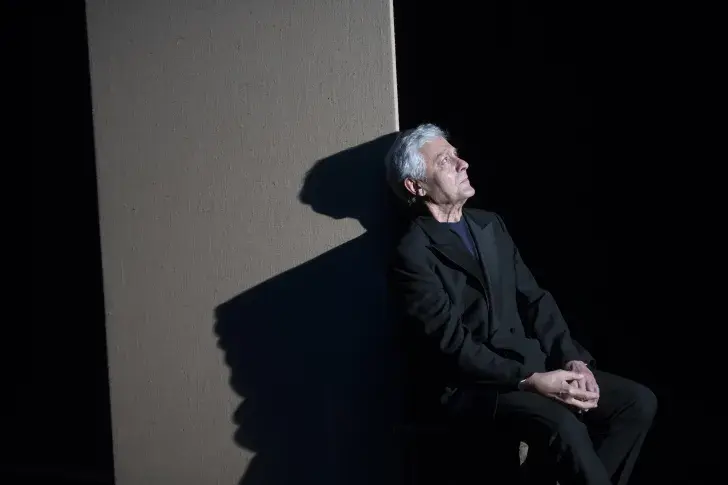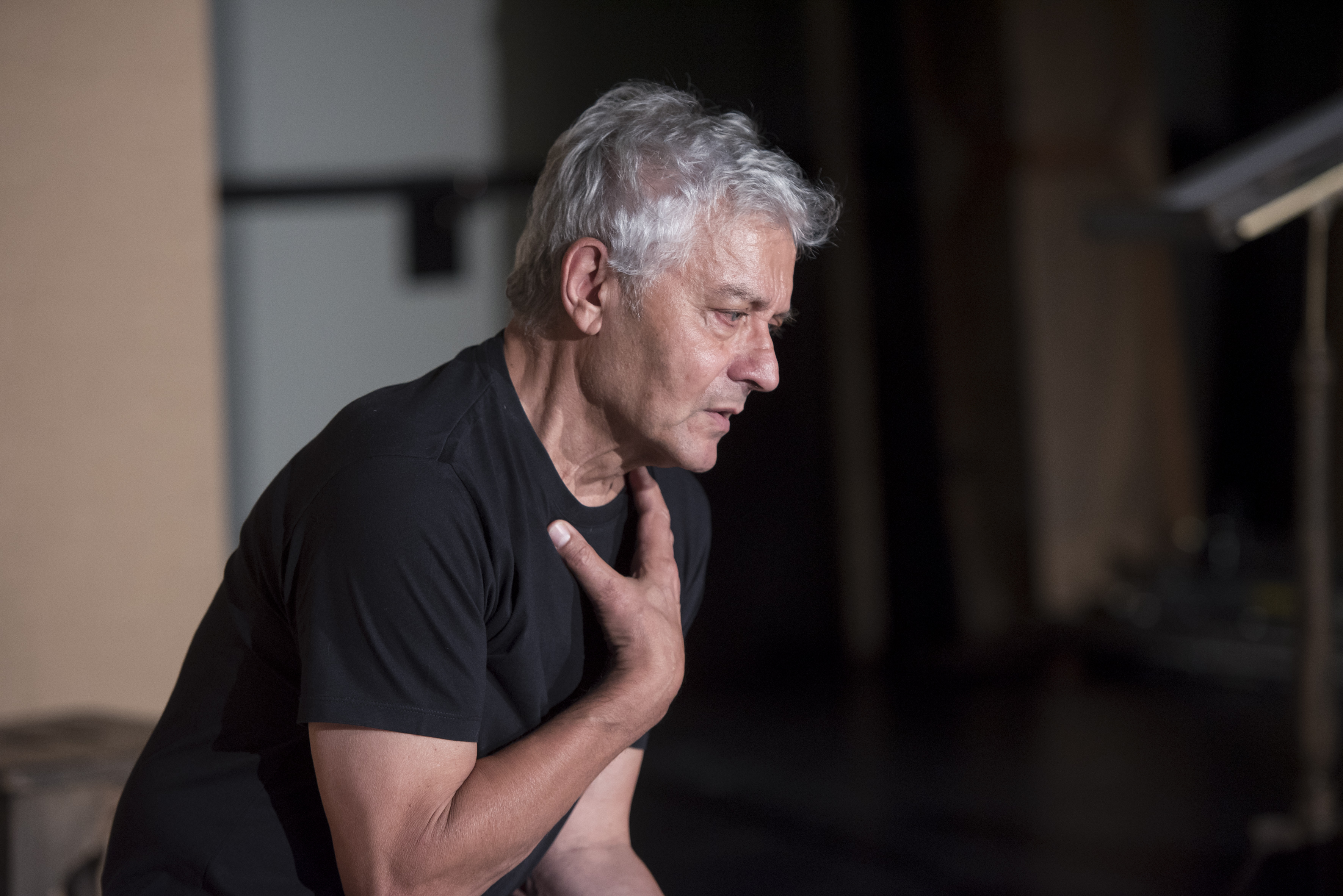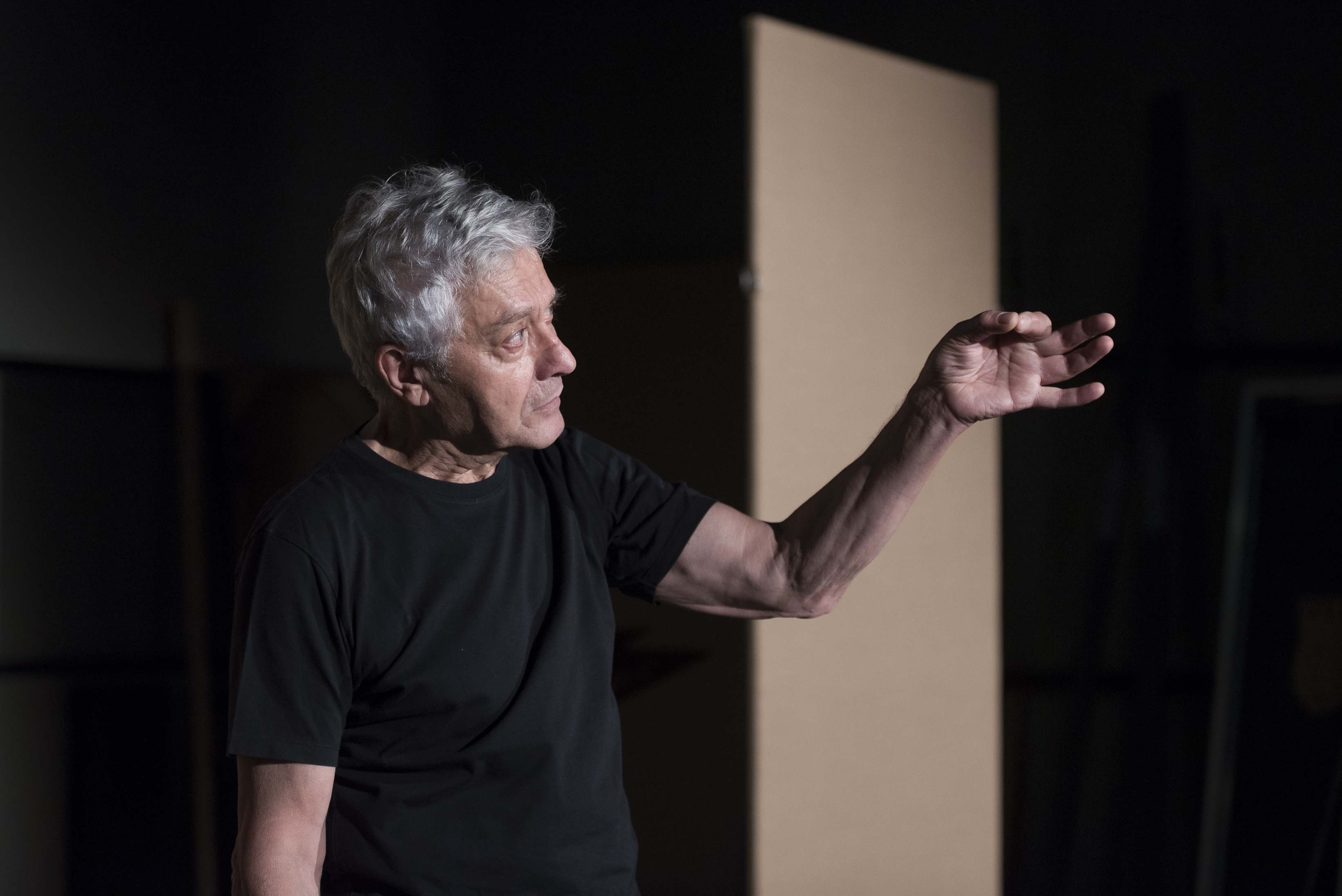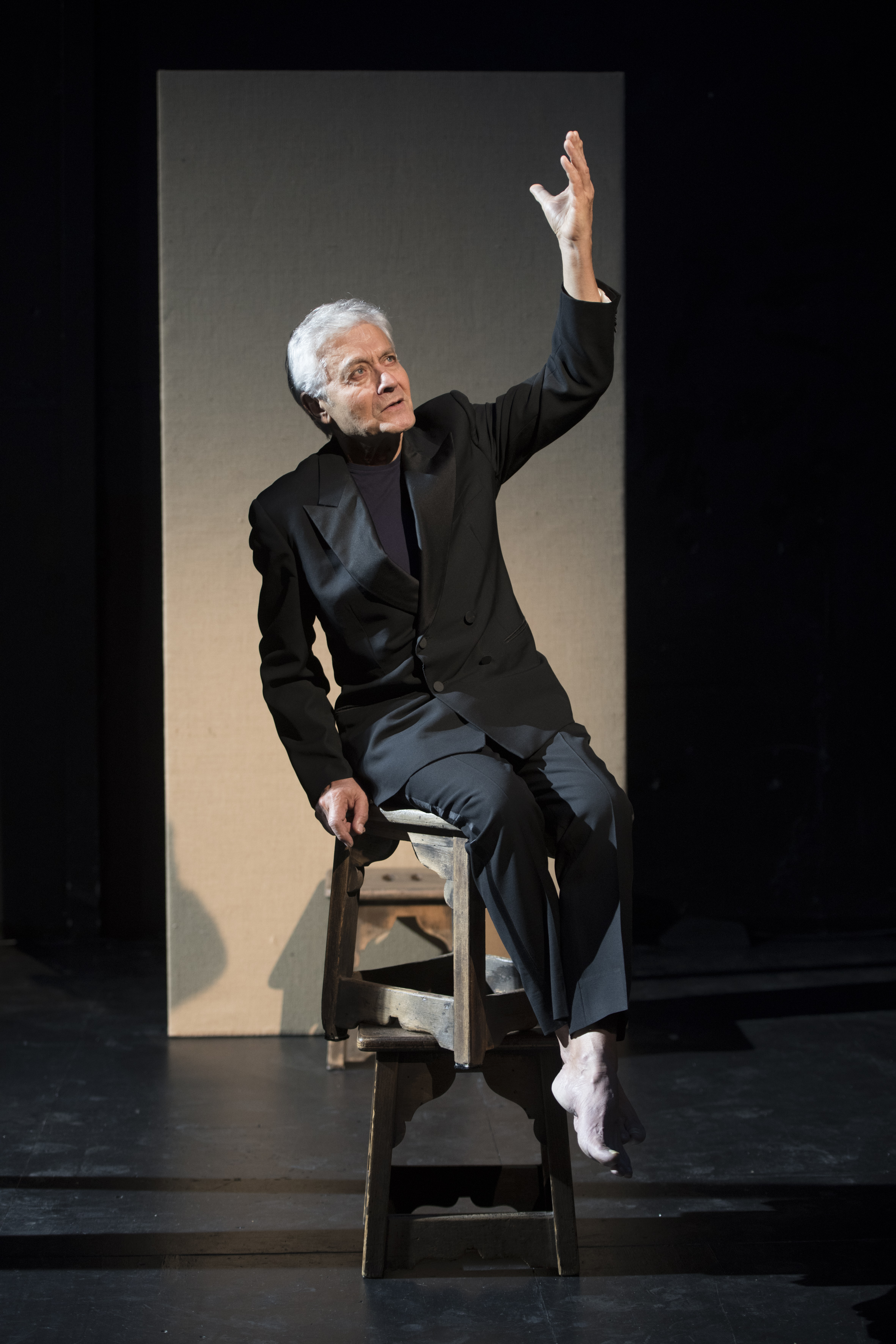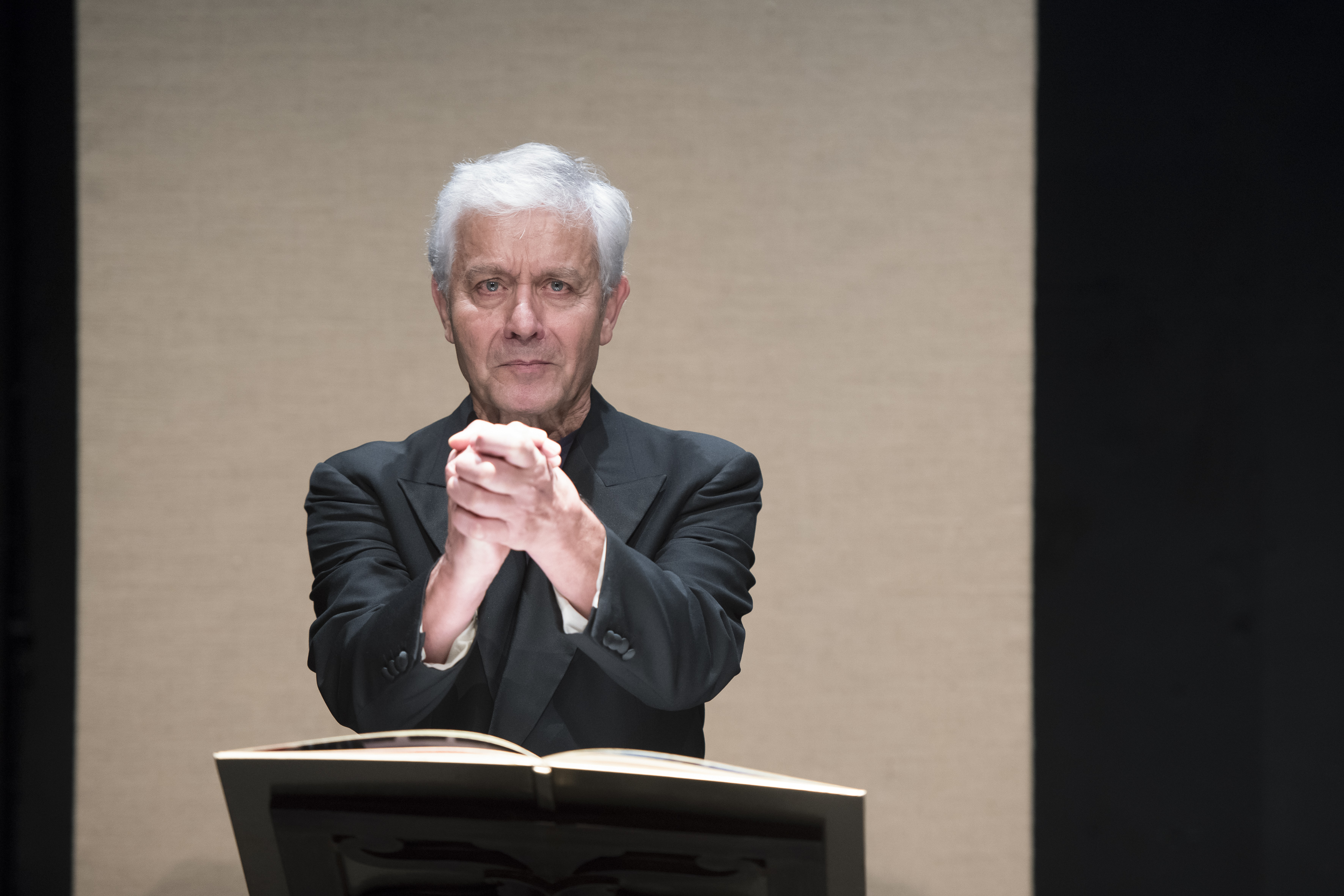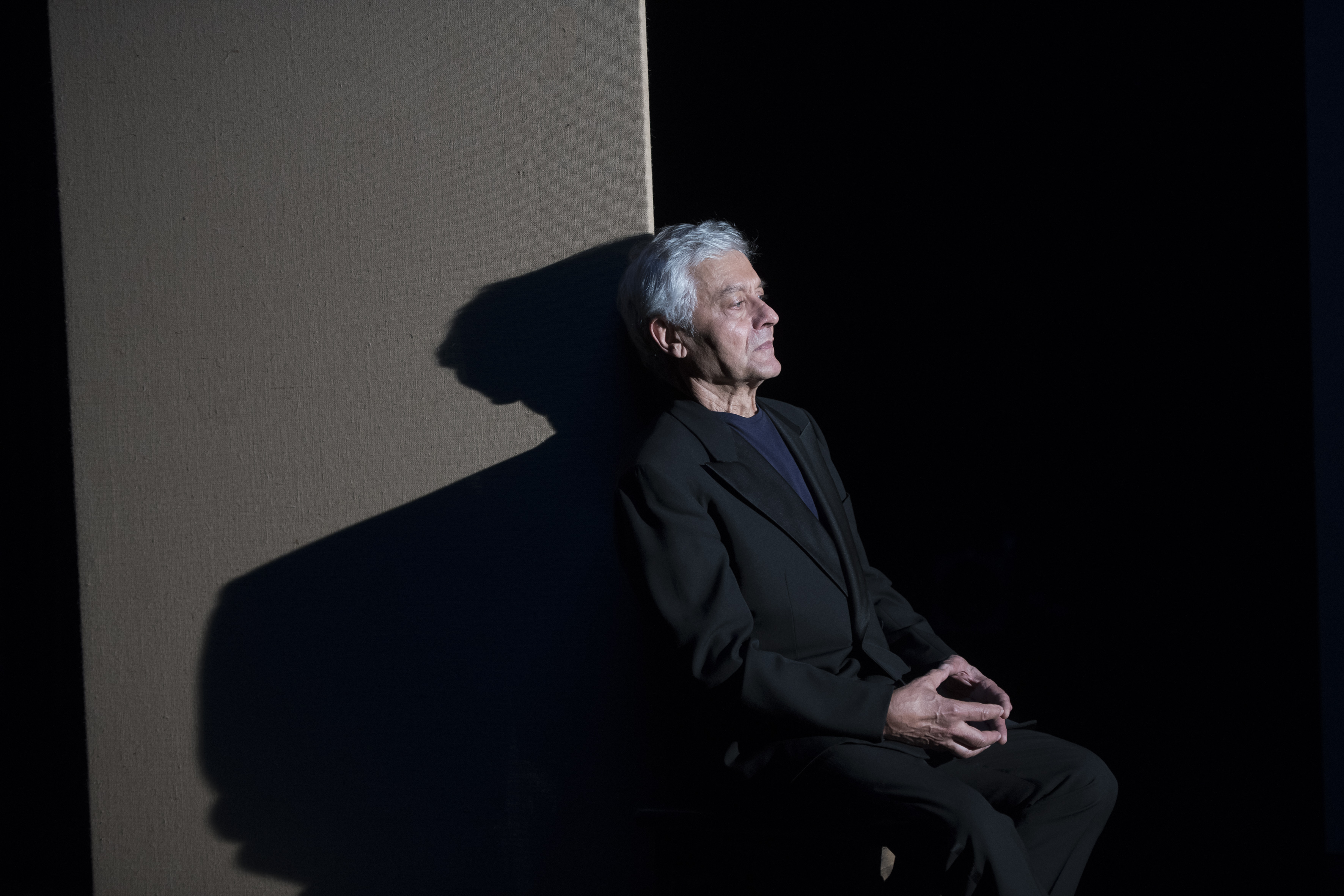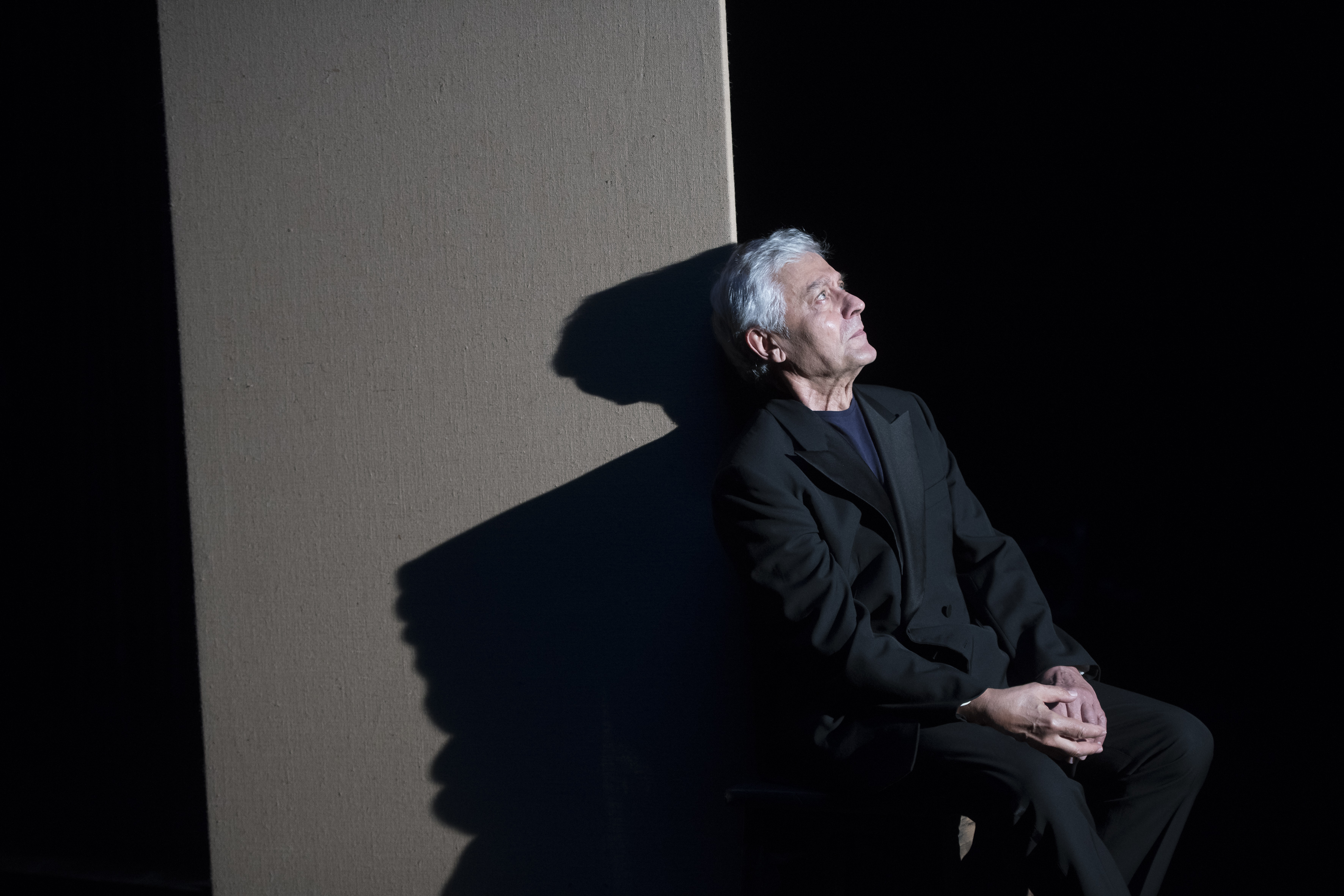
Singulis / La Messe là-bas
devised and performed by
Didier Sandre
From 7 June to 25 June

Discover the play
-
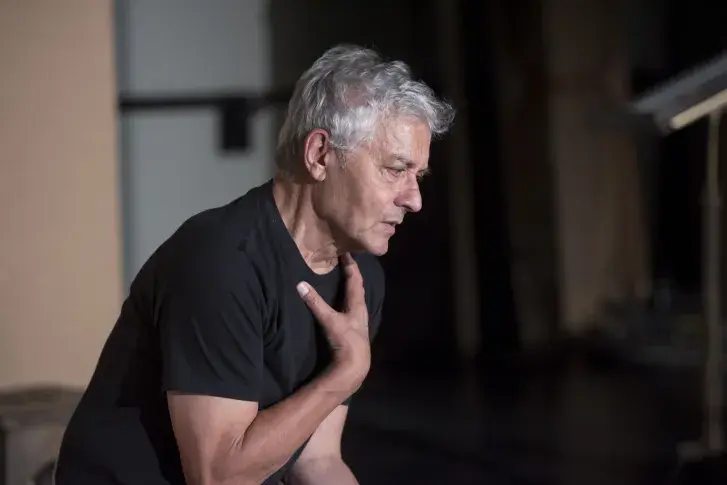
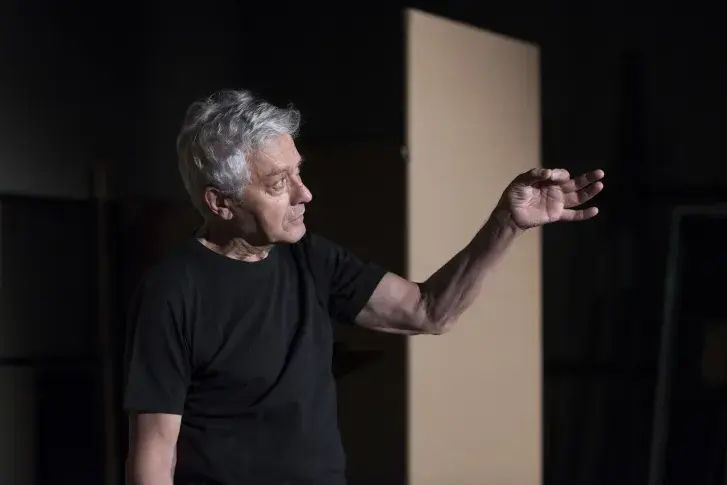
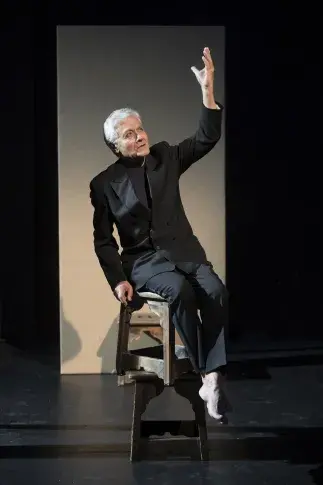
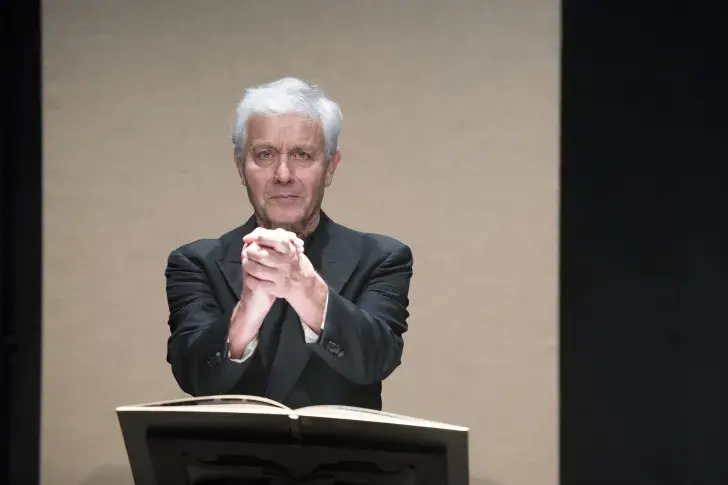
« Le texte a été composé durant la Première Guerre mondiale, à Rio de Janeiro, rappelle-t-il. Paul Claudel, alors ambassadeur, ressent la nature luxuriante comme hostile dans le projet divin. Il fait un bilan doux-amer de sa cinquantaine, revisite ses fondamentaux : sa conversion, sa révélation de Rimbaud, l’échec de sa vocation monastique, l’échec de sa rencontre avec la “rose” sur le bateau vers la Chine, l’abandon de l’enfant adultérin, le consentement au mariage “là-bas” et à “ces enfants que j’ai eus en rêve”. Mais toujours l’appel de la mer, la fuite, l’exil, la solitude. La quête d’un absolu entre l’œuvre poétique et l’incarnation chrétienne de l’âme. L’amertume trouve un recours dans un amour fusionnel avec Dieu, une exhortation à la célébration de la messe qui en est l’accès, une exaltation de l’eucharistie, vécue dans le dénuement intime comme une union charnelle, cannibale, quasiment orgastique, aussi bien que dans la verve drolatique et désenchantée de son regard sur ses semblables. Un rituel pour contenir le désordre intérieur, un catholicisme congestif, exacerbé, pour conjurer la défaite intime, la tentation de la “cessation de tout”. Une âme en crise, qui interpelle un Dieu silencieux, qui discute d’“homme à homme” avec ce Père qui envoie les hommes au sacrifice (nous sommes en 1917).
Il n’y a pas pour moi adhésion à une profession de foi, mais à une œuvre poétique et théâtrale qui s’identifie au verset de l’Évangile selon saint Jean “Au commencement était le Verbe” ».Spectacle créé le 30 septembre 2020 au Studio-Théâtre
LA PRATIQUE THÉÂTRALE DU SOLO est relativement récente à la Comédie-Française. Depuis le XVIIe siècle, l’institution se définit d’abord en tant que troupe de comédiens dont la dimension collective prime sur l’expression des individualités. Samuel Chappuzeau dans son Théâtre François le souligne dès 1674, comparant les troupes théâtrales à des « corps » politiques, comme autant de petites « Républiques ». Des comédiens, il dit qu’« ils n’admettent point de supérieur, le nom seul les blesse ; ils veulent tous être égaux, et se nomment camarades. » La devise de la Comédie-Française, Simul et Singulis (être ensemble et être soi-même), qui apparaît en 1682, assortie de l’emblème à la ruche bourdonnante, caractérise cette philosophie où chacun contribue par son talent propre à l’œuvre collective.
Point de solo… mais des solistes
Si la pratique du spectacle seul-en-scène n’est pas de mise, le « solo » que constitue le monologue est fort attendu du public et, parfois, mis en scène pour faire apparaître le protagoniste dans toute sa splendeur et en contraste avec le reste de la Troupe. Il s’agit là d’un effet du système de vedettariat qui émerge nettement au XIXe siècle.
Les pratiques solistes se développent le plus souvent en dehors de l’activité du théâtre. Les comédiens, dans des tournées personnelles programmées parfois sans égard pour les intérêts de la Comédie-Française – Talma, Rachel... ont pu partir en laissant leurs camarades en difficulté – emmènent leurs malles de costumes, mais recrutent sur place comparses et décors de fortune pour jouer les grandes scènes de leur répertoire. La représentation s’apparente alors à un récital de morceaux choisis, propre à mettre en valeur l’acteur dont le talent est d’autant mieux affirmé qu’il évolue aux côtés de comédiens de seconde zone, si ce n’est d’amateurs.
Le texte monologué se développe véritablement à la fin du XIXe siècle, grâce aux frères Coquelin mais reste aujourd’hui encore une exception. La devise, Simul et Singulis, résume à elle seule l’indispensable paradoxe pour un acteur de Troupe.- Visuel : ruche, gravure Guillaumot fils
-
Conception et interprétation : Didier Sandre
Lumière : Bertrand Couderc
Musique originale : Othman Louati
Collaboration artistique : Éric Ruf
Documents
-
 Download the PDF (2.7 MB)
Programme La Messe là-bas 22-23
Programme La Messe là-bas de Paul Claudel. Conception et interprétation Didier Sandre