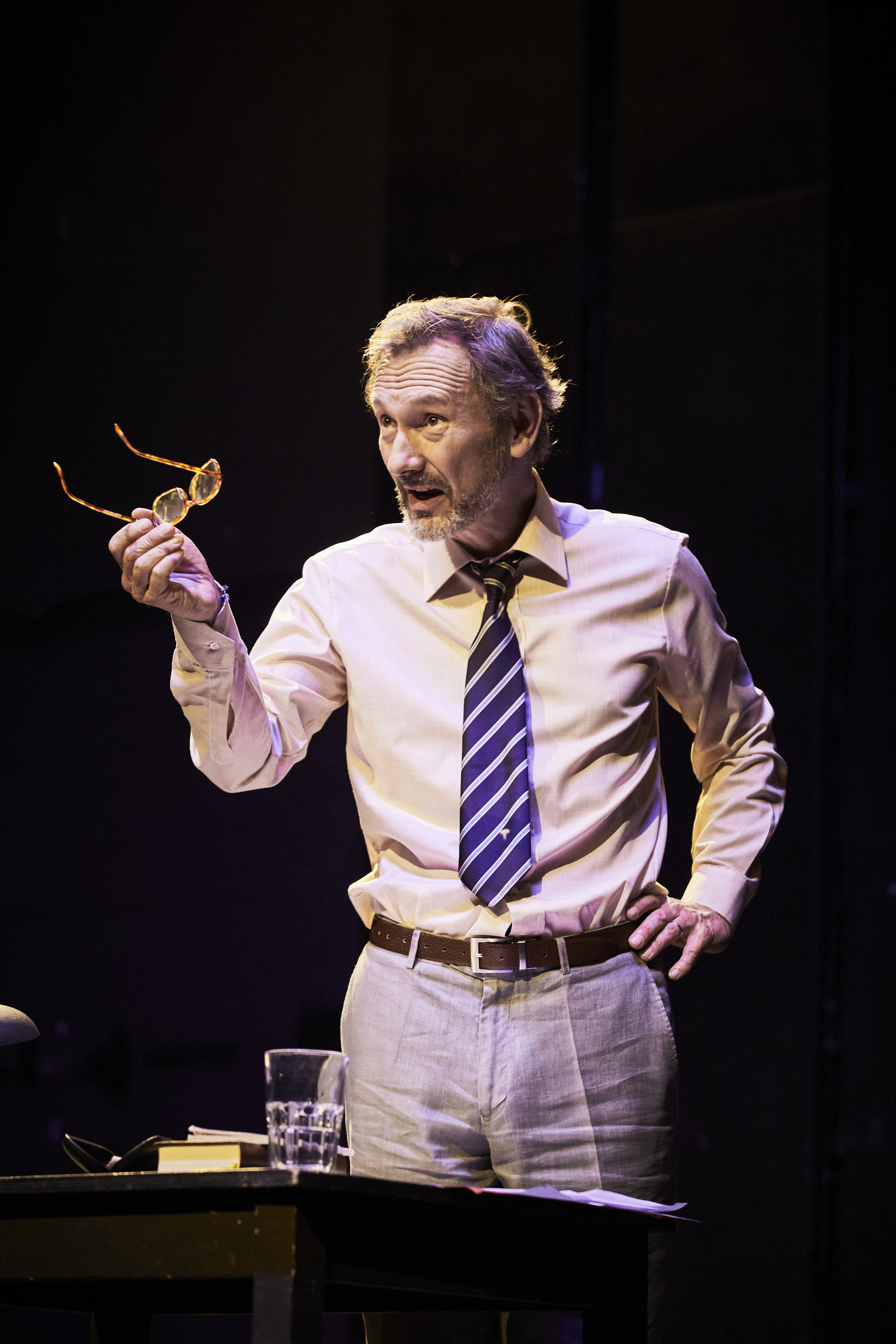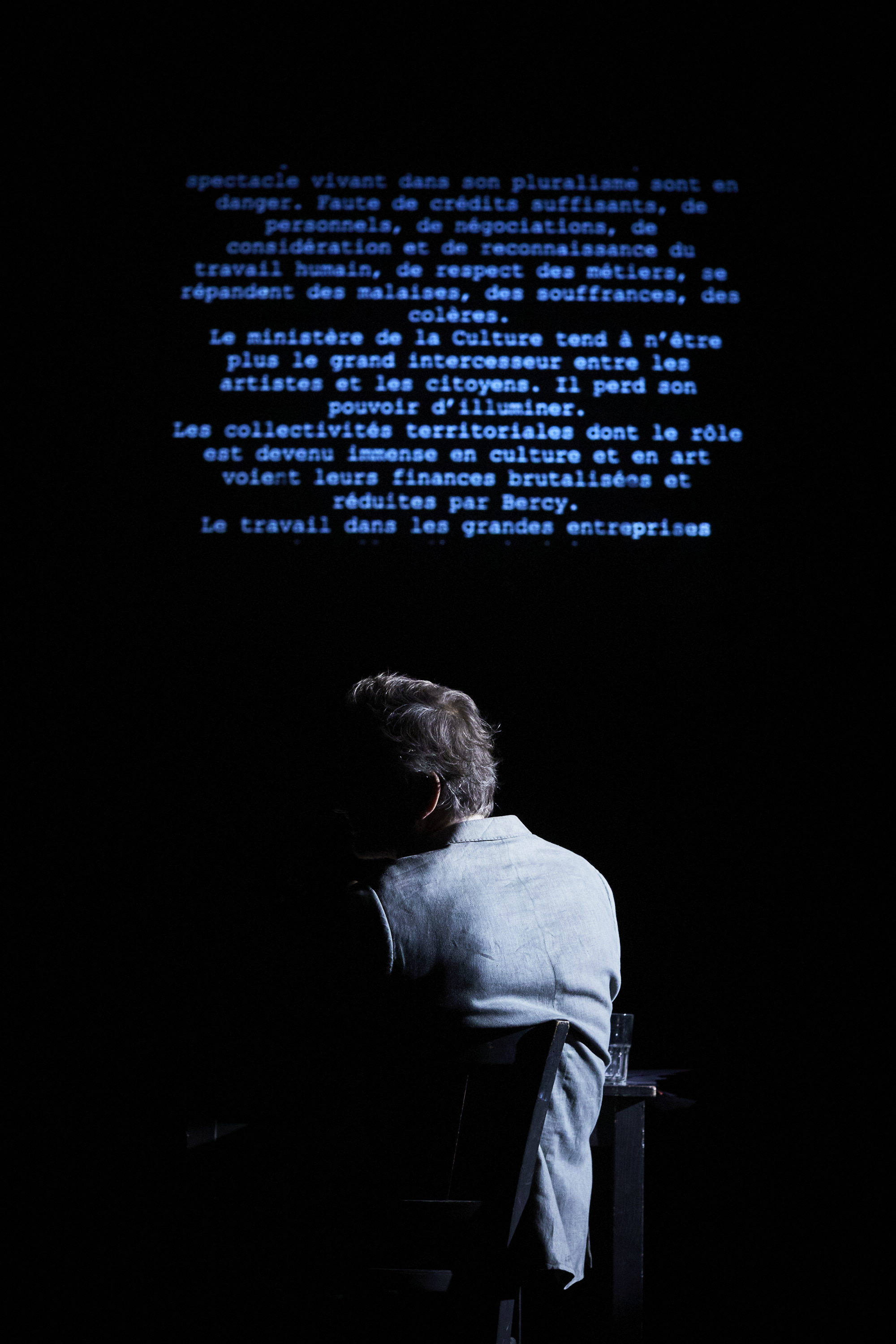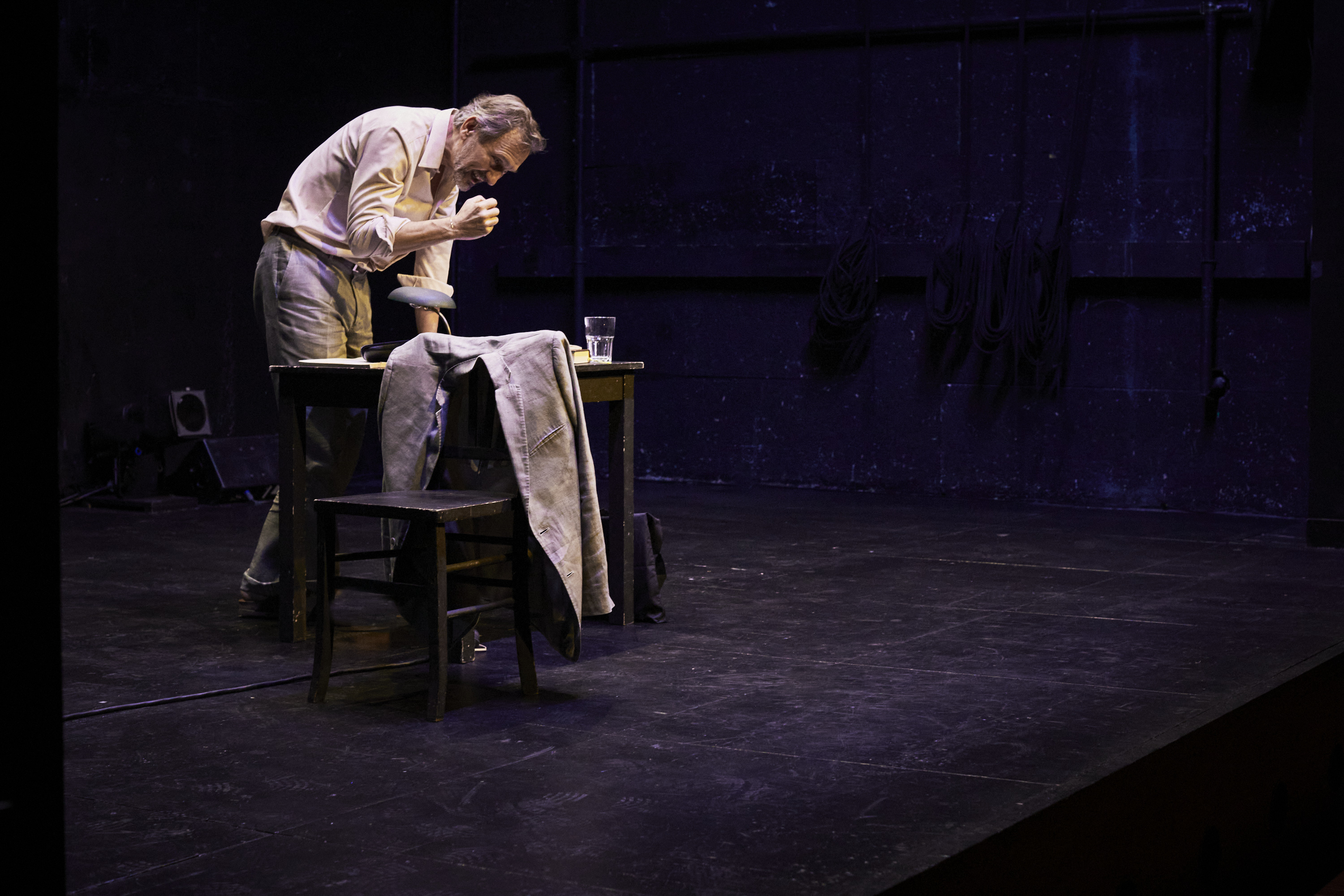
Singulis / La Pensée, la Poésie et le Politique
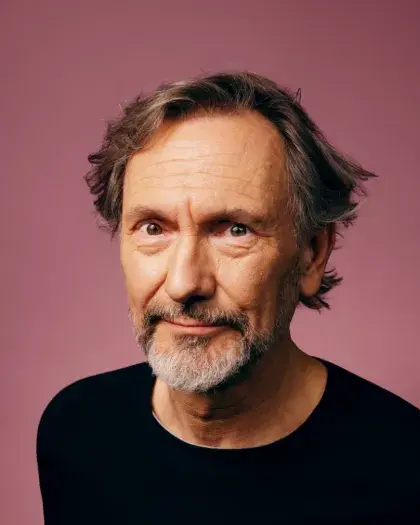
devised and performed by Christian Gonon
From 17 May to 4 June

Discover the play
-
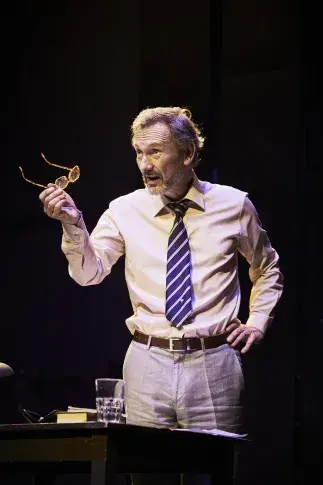
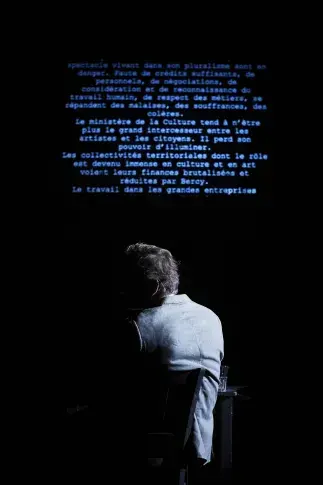
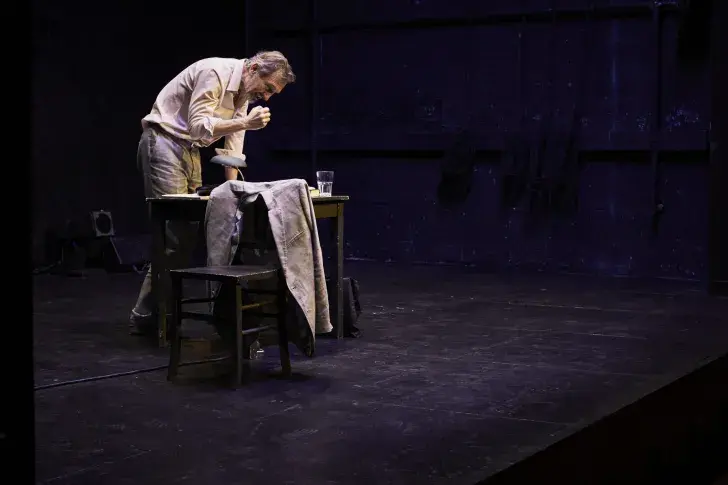
Décédé en 2017, le créateur des États généraux de la Culture a sans relâche œuvré à mettre en lumière l’importance de la culture comme ferment de la cohésion sociale. «Dire les mots de Jack Ralite est une résistance, déclare le comédien. Une résistance à tous les renoncements. Culturel, politique, poétique… Une résistance puissante, entière et généreuse qui puise sa force dans une intelligence sensible de l’Humain. Une résistance avec pour seule arme le verbe et la clairvoyance des poètes. Leurs voix que l’on ne sait plus entendre. Un compagnonnage qui nous tire vers plus de hauteur. Antoine Vitez parlait de l’acteur qui mettait ses pas dans ceux du poète, comme un marcheur dans le sable qui met ses pieds dans les traces de celui qui le précède. Pour que le temps ne les efface pas. J’essaie de retrouver les sentiers de tous les combats, de toutes les révoltes de Jack Ralite. Je me glisse dans sa pensée comme dans un habit de lumière. À chaque carrefour je croise Aragon, Char, Hugo, Vilar, Saint-John Perse, Baudelaire… À la question toujours posée : “Pourquoi écrivez-vous?”, la réponse du poète sera toujours la plus brève : “Pour mieux vivre.” »
C’est à la découverte de l’homme, de ses engagements et de ses poésies que Christian Gonon, qui adapte ici l’ouvrage de l’autrice Karelle Ménine réunissant des entretiens, textes et prises de parole en public, invite les spectateurs.RENCONTRE
Nous organisons une rencontre avec le public à l'issue de la représentation du mercredi 17 mai, à partir de 19h30. Elle sera animée par Laurent Muhleisen, conseiller littéraire de la Comédie-Française, en présence de l’autrice Karelle Ménine et de Christian Gonon.
En libre accès, avec ou sans billet pour la représentation du soir.REPRÉSENTATION ADAPTÉE EN LANGUE DES SIGNES FRANÇAISE (LSF)
Une représentation adaptée en LSF aura lieu le vendredi 2 juin à 18h30.
Équipe artistique adaptation LSF : cie On Off. Interprétation et traduction : Anthony Guyon. Adaptation et complicité LSF : Géraldine Berger.
Réservations sur le site de la billetterie ou via le service de l’accessibilité à l’adresse suivante : accessibilite@comedie-francaise.orgLa représentation adaptée en LSF bénéficie du mécénat de la Fondation Covéa
Le texte La pensée, la poésie et le politique est publié par les éditions Les Solitaires Intempestifs.
Spectacle créé le 14 octobre 2020 au Studio-Théâtre.
LA PRATIQUE THÉÂTRALE DU SOLO est relativement récente à la Comédie-Française. Depuis le XVIIe siècle, l’institution se définit d’abord en tant que troupe de comédiens dont la dimension collective prime sur l’expression des individualités. Samuel Chappuzeau dans son Théâtre François le souligne dès 1674, comparant les troupes théâtrales à des « corps » politiques, comme autant de petites « Républiques ». Des comédiens, il dit qu’« ils n’admettent point de supérieur, le nom seul les blesse ; ils veulent tous être égaux, et se nomment camarades. » La devise de la Comédie-Française, Simul et Singulis (être ensemble et être soi-même), qui apparaît en 1682, assortie de l’emblème à la ruche bourdonnante, caractérise cette philosophie où chacun contribue par son talent propre à l’œuvre collective.
Point de solo… mais des solistes
Si la pratique du spectacle seul-en-scène n’est pas de mise, le « solo » que constitue le monologue est fort attendu du public et, parfois, mis en scène pour faire apparaître le protagoniste dans toute sa splendeur et en contraste avec le reste de la Troupe. Il s’agit là d’un effet du système de vedettariat qui émerge nettement au XIXe siècle.
Les pratiques solistes se développent le plus souvent en dehors de l’activité du théâtre. Les comédiens, dans des tournées personnelles programmées parfois sans égard pour les intérêts de la Comédie-Française – Talma, Rachel... ont pu partir en laissant leurs camarades en difficulté – emmènent leurs malles de costumes, mais recrutent sur place comparses et décors de fortune pour jouer les grandes scènes de leur répertoire. La représentation s’apparente alors à un récital de morceaux choisis, propre à mettre en valeur l’acteur dont le talent est d’autant mieux affirmé qu’il évolue aux côtés de comédiens de seconde zone, si ce n’est d’amateurs.
Le texte monologué se développe véritablement à la fin du XIXe siècle, grâce aux frères Coquelin mais reste aujourd’hui encore une exception. La devise, Simul et Singulis, résume à elle seule l’indispensable paradoxe pour un acteur de Troupe.- Visuel : ruche, gravure Guillaumot fils
-
Conception et interprétation : Christian Gonon
Lumières : Philippe Lagrue
Musique originale : Jérôme Destours
Collaboration artistique : Alain Lenglet
Documents
-
 Download the PDF (3.05 MB)
Programme La Pensée, la Poésie et le Politique 22-23
Programme La Pensée, la Poésie et le Politique de Karelle Ménine et Jack Ralite. Conception et mise en scène Christian Gonon. -
Download the PDF (201.57 KB)
Programme La Pensée, la Poésie et le Politique en LSF 22-23
Programme de la représentation bilingue (LSF/Français) de La Pensée, la Poésie et le Politique de Karelle Ménine et Jack Ralite. Conception et mise en scène Christian Gonon.
Casting
-
-
Avec les voix des comédiennes et comédiens de la troupe et de l’académie de la Comédie-Française